You don’t need to spend more than $500 on a great queen mattress and we’ve got the lab data to prove it

If you thought you had to spend upwards of $1,500 to get a great queen mattress in today's Labor Day sales, think again. Good sleep is getting cheaper, with some budget mattress brands earning top scores from our experienced testers for their comfort and support.
Two of the best cheap mattresses that stand out from the pack are the SweetNight CoolNest and Siena Signature, both of which out-perform some luxury mattresses in certain areas. Instead of spending a fortune, you can buy both beds in today's Labor Day mattress sales for under $500 for a queen.
Admittedly, the top tier of the best mattresses we've tested do tend to come at a higher price tag. However, budget beds are putting up a fight. Cheap mattresses are getting comfier, delivering more support and even lasting longer.
The sub-$500 lab tested top performers

Type: All-foam
Firmness: Firm (8/10)
Current price (queen): $349 at Siena
Stand out feature: Motion isolation
Best suited to: Stomach and back sleepers
Height: 10"
Sizes: 7 (twin to split king)

Type: All-foam
Firmness: Medium-firm (6.5/10)
Current price (queen): $399 at SweetNight
Stand out feature: Pressure relief
Best suited to: Side sleepers
Height: 12"
Sizes: 5 (twin to Cal king)
What are budget mattresses doing right?
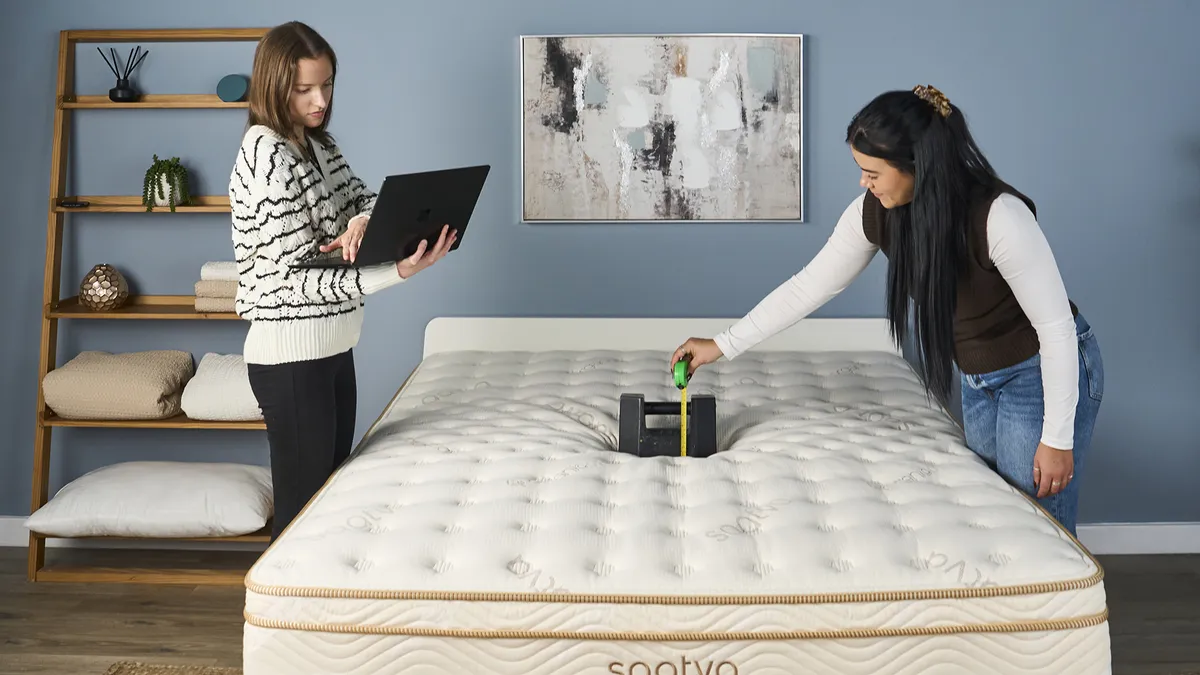
It doesn't matter what the price tag is: we put all mattresses through the same intense mattress testing methodology. Here's where budget beds have impressed.
They're helping you sleep cool
Budget mattresses have long had a reputation for sleeping hot. A tendency towards cheap, heat trapping foams and synthetic fabrics meant in summer, your money-saving bed turned into a sauna.
So when we turned our thermal cam on the budget-friendly Siena Signature mattress, I was expecting a blaze of trapped heat.
And the Siena did warm up. But only a touch. And it then cooled quickly. It even made it into our best cooling mattress guide as a top pick under $400.
Both the Siena and the SweetNight CoolNest mattress have performed well in our temperature regulation tests, proving some low-cost foam beds aren't the heat sink they once were.
Admittedly, my testing period on the sub-$300 Zinus Green Tea mattress was disrupted by the occasional sweaty wake up. However, that might be due to the super-soft sink-in comfort of this affordable foam mattress. Which brings me to my next point...
They're good for all sleep styles

With just $500 to spend on a queen mattress, you might assume you have two choices: hard as a rock or saggier than a damp sponge. Cheap mattresses have had a reputation for sitting at either extreme of the mattress firmness scale.
But not anymore. I've been hands-on with a variety of cheap beds and no two of them feel the same.
One of my favorite mattresses for stomach sleepers and back sleepers is the Siena. It simply excels at support, holding my spine aloft so I can enjoy pain-free mornings.
The SweetNight CoolNest, on the other hand, delivers oodles of cushioning. The pressure relief is superb, meaning side sleepers don't have to worry about aching shoulders and sore hips.
Meanwhile, the Zinus Mattress turns the plushness up again. It's a bed like a giant marshmallow. It's one of the best mattress for side sleepers who like to feel hugged by their bed.
One thing often found in the best luxury mattresses that you won't get from a budget bed is a firmness choice. Mattresses like the Saatva Classic and the WinkBed come in multiple feels, so you can select your preference.
Budget beds don't provide the same multiple choice (...yet). But when you shop with a smaller budget, you can still find a feel for every need.
They're good for couples
We tend to recommend cheap mattresses to young adults and college students: those with less cash to spare who probably need a bed for just one person.
But the new crop of budget mattresses aren't just for your kitting out your first apartment. Beds like the Siena deliver excellent motion isolation (meaning you won't feel your partner toss and turn) alongside strong edge support (so you can both stretch out).
And it's not just the Siena. The EGOHOME Memory Foam Mattress is excellent at eating up excess movement, while the EGOHOME Hybrid is strong and stable right up to the corners.
So if you and your partner are saving money for a new kitchen, say, or the iPhone Ultra, your sleep won't have to suffer.
What are you missing out on with a queen mattress under $500?
Specialist features and diverse designs
The budget mattress market is expanding but paying premium does get you more choice.
Specialist beds like the adjustable comfort from Sleep Number, the targeted support of the Saatva RX and the smart cooling of the Eight Sleep are all going to set you back way over $1,000.
You'll also have to pay extra if you want to the luxury finish of the best hotel mattresses, or the innovative natural materials of the best organic mattresses.
Durability
Perhaps the biggest downfall of budget mattresses is that they rarely last as long as their premium counterparts.
To keep costs down, budget beds often opt for simpler builds and less durable materials. As a result, while some premium mattresses offer 10+ years lifespan, budget beds might only last for three to five years.
That means while you save money in the short-term, in the long-term, you might find you spend more on your multiple mattress shopping trips.
What's the future for budget mattresses?
As once premium materials like phase change technology, latex foams and targeted support springs become more accessible, we can look forward to budget beds with even greater variety.
However, luxury and premium beds will also continue to innovate. (And it's probably going to be a long time before we see one of the best smart beds under $500 for a queen.)
Rising costs of goods might also put a dampener on the burgeoning budget mattress market. Mattress prices are going up across the board and a few budget brands might soon find themselves in the mid-range price bracket
But the budget bed market is expanding and like a mattress out of its box, once it's started, it's impossible to stop. That makes this Labor Day a golden time to buy a mattress for less.