




With the arrival of September, you’re probably noticing that the high temperatures seen across the US this summer are starting to drop, and the days are gradually getting a little shorter. But as fall settles in you may also notice changes to your sleep, as with cooler weather and less sunlight can also come sleep problems.
“There are several changes that can happen to our lifestyle, weather and daylight hours as the weather gets cooler, all of which can impact our sleep,” chartered psychologist, neuroscientist and globally renowned sleep expert Dr. Lindsay Browning tells Tom’s Guide.
Here, Dr. Browning has shared five common sleep problems people experience from the onset of fall and beyond — including one that affects an estimated 410 million people globally — and her tips for how to manage them.
Plus, we’ve rounded up 5 products that can help combat these issues. And the great news is they’re all currently on offer in the Labor Day sleep and mattress sales, with up to 40% off.

Dr. Lindsay Browning, BSc MSc (Oxon) CPsychol AFBPsS, is a chartered psychologist, neuroscientist, sleep expert and author of Navigating Sleeplessness. Dr. Browning founded her sleep clinic, Trouble Sleeping, in 2006 to help people improve their sleep, and can be found on all social media @DrBrowningSleep.
How can the onset of fall impact our sleep?
If you’ve experienced problems with your sleep from September onwards, you might be wondering what’s actually behind them.
“Light in particular is a powerful cue for our circadian rhythm and, with poorer weather and reduced exposure to daylight, this can contribute to some people feeling more sleepy or sluggish during the daytime, and for some people this is associated with lower mood and changes to their sleep,” explains Dr. Browning.
Lifestyle changes associated with the colder months can also impact your sleep at night, with the sleep expert explaining that “the increased stress, socialising and alcohol consumption during the festive period… can also negatively affect sleep.”

It’s not entirely bad news though, as Dr. Browning explains that “not everyone’s sleep is worse in the autumn and winter.” She points to research published in the scientific journal Nature, that includes studies showing people slept for slightly longer in autumn and winter months.
However, the psychologist adds: “If you are significantly struggling with your sleep or you notice persistent changes to your mood affecting your ability to function, please speak to your [doctor].”
5 common fall sleep problems
We spoke to Dr. Browning to find out what kind of sleep problems people can experience from September through December, particularly as fall begins, and why they can occur.
1. Reduced physical activity impacts sleep
As Dr. Browning points out, “regular physical activity is associated with better sleep,” but from fall onwards we may not do as much exercise, which can affect our sleep.
“With increasing poor weather of autumn and winter compared to the summer, people may be less inclined to go outside to exercise, and the reducing daylight hours may make it more difficult to stay active after work,” the sleep expert explains.
Several studies have shown the relationship between a lack of exercise and lower sleep quality. One study found that “‘poor’ sleep quality is associated with ‘insufficient’ physical activity,” while another study discovered that “a high percentage of people who reported low physical activity also reported poor sleep quality on the PSQI [Pittsburgh Sleep Quality Index].”
On the flip side, research has shown that exercise can have a variety of positive effects on sleep, from increasing melatonin production, to reducing stress (which can negatively impact sleep), improving sleep quality and duration and even contributing to the reduction of sleep disorders like sleep apnea and insomnia.
2. Seasonal Affective Disorder (SAD)

“Some people can experience a form of depression associated with the reduced light levels of autumn and winter called seasonal affective disorder (SAD). This can cause low mood and sleeping problems including insomnia or excessive sleeping,” Dr. Browning tells Tom’s Guide.
Other sleep issues SAD can cause include affecting the quality of your sleep, daytime tiredness and feeling groggy upon waking. Outside of sleep, symptoms may be anxiety, being less able to focus or think clearly, headaches, social withdrawal, and increased appetite and weight gain, per John Hopkins Medicine.
It's a condition that affects a huge number of people; a large-scale review of research into SAD found that 5% of people globally have the condition. While that statistic might not look large at first glance, the current global population is around 8.2 billion according to the US Census Bureau, which means that around 410 million people around the world are living with SAD.
If you are experiencing symptoms of SAD, Dr. Browning notes that you may “require support from your [doctor],” so it’s important to speak to a medical professional for advice.
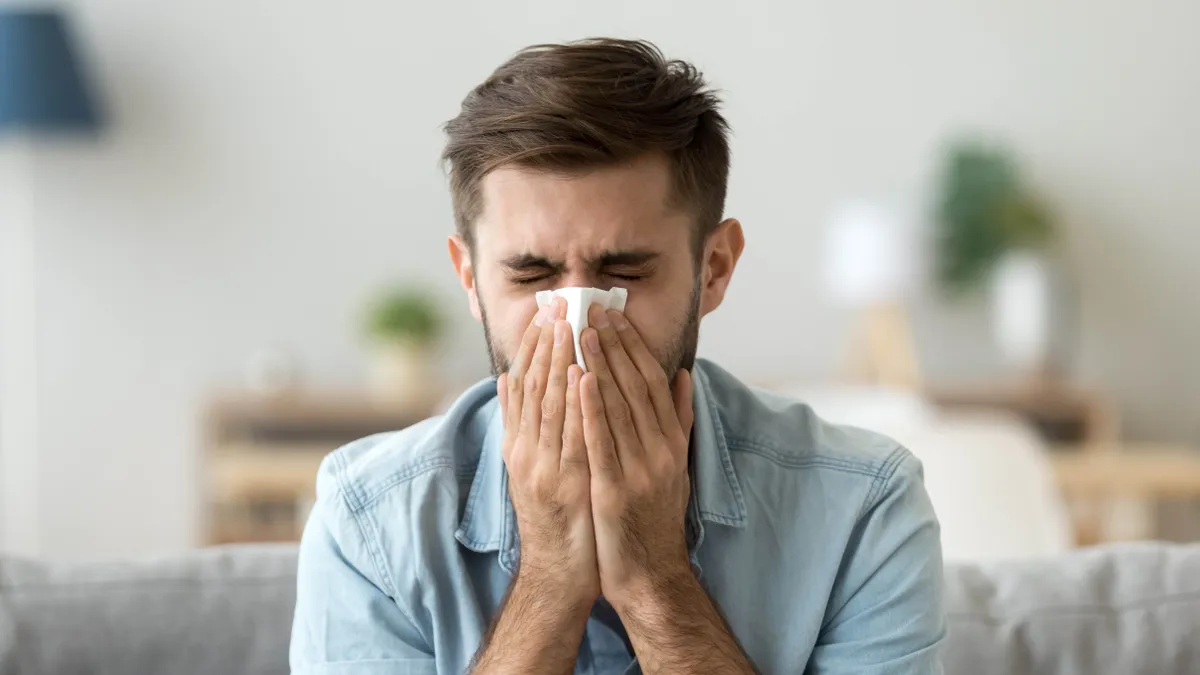
3. Increased illness affects sleep
“Autumn and winter can be associated with an increase in colds and flu, both of which can impact sleep due to congestion, coughing or feeling unwell,” Dr. Browning explains.
According to John Hopkins Medicine, “colds, flus and other respiratory illnesses are often more common in colder months,” while research has shown how disruptive colds and flu can be on sleep.
One study performed a large survey of adults suffering with colds and flu in Brazil, France, Germany, Italy, Mexico, Poland, Russia, U.S. and found that the vast majority woke up “at least once at night due to their symptoms.”
So why exactly is sleeping with a cold so difficult? "When laying down, the mucus cannot drain in the same way it would when gravity is helping, leading to disturbed breathing or a cough caused by post-nasal drip,” Dr. Browning previously explained.
4. The clocks go back in fall
Although this issue technically won’t occur until later in the fall, it’s still worth being aware of how the clocks “falling back” on November 1 this year may affect your sleep.
Though this seasonal clock change means we get an extra hour of shut-eye, “some people may notice a slight change to their sleep,” says Dr. Browning.
Our bodies naturally operate on a 24-hour clock, known as our circadian rhythm, and even a one hour time change can disrupt that rhythm and cause dysregulation in the release of sleep hormones like melatonin and cortisol.
For example, you may notice that after the clocks fall back you have difficulty falling asleep or are waking up earlier, or that you’re experiencing nighttime awakenings.
But the sleep expert explains that any sleep problems caused by the clock change are generally “a temporary issue,” and according to The Sleep Foundation, effects of the clocks falling back on sleep typically ease over the subsequent days or weeks.
And there’s more good news; Dr. Browning explains “the reality is that the autumn clock change is less disruptive than the spring one, since this one is where people gain an additional hour in bed.”

5. Increased alcohol consumption
From Labor Day celebrations at the beginning of September, to Halloween parties, Thanksgiving and the arrival of the holiday season, there are plenty of opportunities to indulge in a little more alcohol than usual from fall through winter.
“As autumn turns into winter, the festive period arrives. This season is when many people find themselves drinking more alcohol than usual, and alcohol can fragment sleep,” Dr. Browning explains.
You may find that a few glasses of wine initially seems to help you drop off to sleep, but the sedative effect of alcohol belies how it actually impacts the quality of your rest.
Once the alcohol in your body is metabolized, you’ll likely find yourself waking up during the night as a result of the cortisol that’s released during this process. Plus, alcohol can reduce REM sleep both in the first half of your night’s sleep, or across the whole night, according to research.
Dr. Browning’s tips for minimizing these sleep problems
- Get early morning sunlight: “One of the best things you can do to combat any potential sleep disruption is to actively seek out natural daylight during the day. Get outside, particularly in the morning where possible, to help anchor your circadian rhythm and support daytime alertness and a healthy sleep at night.”

- Stick to consistent wake times: “Another thing you can do to help your sleep in the autumn and winter is to try to keep your wake time relatively consistent. Long lie-ins can reduce your opportunity for morning light exposure and can shift your sleep timing even later.”
- Stay active: “Try to keep physically active despite the poor weather. Although you may not be able to go out for a run due to poor weather or increased darkness, consider staying active in another way such as an indoor sport.”
The sleep tech that can help
If you find yourself experiencing any of the sleep problems above from September onwards, these products can help you get a good night’s rest — and even better, Labor Day sales are here, so they’re all currently discounted.

Investing in one of the best sunrise alarm clocks is a handy item to help regulate your circadian rhythm as the days get shorter over fall and winter. As well as simulating natural sunrise with a slowing brightening light in the mornings (particularly useful for helping your body clock adjust when the clocks fall back), the Dreamegg also operates as a dimmable night light with 29 different soothing sounds and 10 calming colors to choose from.

Trying to get an uninterrupted night’s sleep feels impossible when you have a blocked nose, but nasal strips can be a great solution. They come recommended by Tom’s Guide senior sleep staff writer Ruth Jones, who said she “stuck one on my nose, closed my eyes and... woke up the next morning.” These hypoallergenic, extra strength Breathe Right strips come in a pack of 44, and are made with flexible bands described as “spring like” to help open up your nose while you sleep.

Weighted blankets emulate the calming sensation of a full-body hug, as the pressure they provide helps activate the parasympathetic nervous system. While they aren’t a direct treatment for SAD, they may help ease anxiety at night, and research has shown they can improve insomnia symptoms. Plus, this dual-sided weighted blanket from YnM is great for changeable weather of fall and winter, with cooling rayon derived from bamboo on the gray side, and warmer blue velvet on the other. It has glass bead fill stitched into 2”x2” squares so it distributes evenly, and this queen/king size in a 15lb weight currently has 24% off.

If you experience SAD over the fall and winter months, research shows that bright light therapy can be an effective treatment. “Some people find a light therapy lamp helpful for boosting mood and energy, and using it consistently each morning can also improve sleep quality,” psychotherapist Robert Bell told Tom’s Guide. This DABLEIBEN light therapy lamp delivers 10,000 lux of bright light, and has warm light and red light (650nm) functions. Red light lamps can help stimulate melatonin production, making this lamp useful before bedtime too.

If you want to track how active you are in the colder months at the same time as monitoring your sleep, the Garmin Vivoactive 5 is a smart watch that does both. Among its features are over 30 apps that allow you to track activities like cycling, running and even pool swimming, and Garmin say its advanced sleep tracking analyzes body movement, heart rate and heart rate variability (HRV) to identify sleep and wake times, nighttime awakenings and time spent in different sleep stages. You’ll get a nightly sleep score and there’s a sleep coach feature, too.
