I never put much thought into choosing bedding. Typically I'd pick my bed sheets based on price and color, never bothering to check things like thread count or material composition. That is, until I started waking up at 3 a.m. feeling stuffy, sweaty, and overheated.
Night sweats aren't something I usually deal with, so I initially blamed my awakenings on this summer's hot weather. Then I started testing a cool, crisp cotton bedding set. It put an end to my 3 a.m. wake ups and made me realize that my bedding was behind my disrupted sleep all along.
If you're thinking of buying some breathable sheets to help you sleep cooler, you've picked an excellent time. Today's Labor Day sleep and mattress sales are in full swing, with excellent deals on sheets we've tested and recommend. But first, here's the classic bedding mistake I made and how I fixed it....
The classic bedding mistake I made...
If you're anything like me, you probably buy the sheets that catch your eye when it's time to replace your old bedding.
And as you browse through the bed sheet selection on Amazon, Target, or Walmart, you'll find some cheap sets earning praise for their softness and wrinkle-free appearance. Sounds perfect, right?
However, the low price and smooth look are usually down to a certain material: polyester. This material comes in different types, including microfiber and polycotton blends, and is sometimes described as "cotton-like".

Now, there are a lot of advantages to polyester, such as its affordability, durability, and low maintenance. (Take a look at the pros list in our Utopia Bedding Sheet Set review.)
However, the downside is that polyester is not a breathable fabric. In other words, its notorious for trapping body heat.
I came to learn this the hard way when I was plagued by sweaty night-time awakenings throughout summer (and even during the colder months). And that's because my polyester sheets — even ones with a cotton blend — didn't have enough temperature regulation. Hot air was getting trapped in the material and causing me to overheat.
How I fixed it...

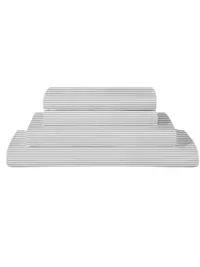
I must admit, I fixed my bedding mistake by accident. I like the look of the Brooklinen Classic Percale Core Sheet Set, now from $119.25 at Brooklinen and decided to test it out.
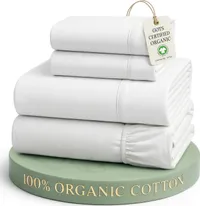
I never realized what switching to 100% cotton could do to your sleep until I made the swap. Cotton is naturally breathable and moisture-wicking, and when a bed sheet is pure cotton instead of a polycotton mixture, you can feel the difference.
In this case, I used sheets made from percale cotton, a crisp, matte-look weave known for its fresh, hotel feel.
Other naturally breathable bedding materials you can try include linen, bamboo viscose (like the Cozy Earth Bamboo Sheet Set), and natural silk. Tencel, though technically a semi-synthetic material, is also great at cooling.
3 top-rated breathable bedding Labor Day deals

Synthetic materials to avoid...

Of course, it's not just polyester that you should avoid. Other bedding material that can cause night sweats are nylon, satin, and acrylic. Nylon blends are often found in glossy sheets, quilts and travel blankets, while acrylic is found in faux fur blankets, bedspreads and throws.
Meanwhile, satin is often used for pillowcases to make them more skin-friendly and to reduce hair frizz. Satin pillowcases are often used as a cheaper alternative to silk pillowcase, but unlike silk, satin is synthetic and can retain heat.

Follow Tom's Guide on Google News and add us as a preferred source to get our up-to-date news, analysis, and reviews in your feeds.