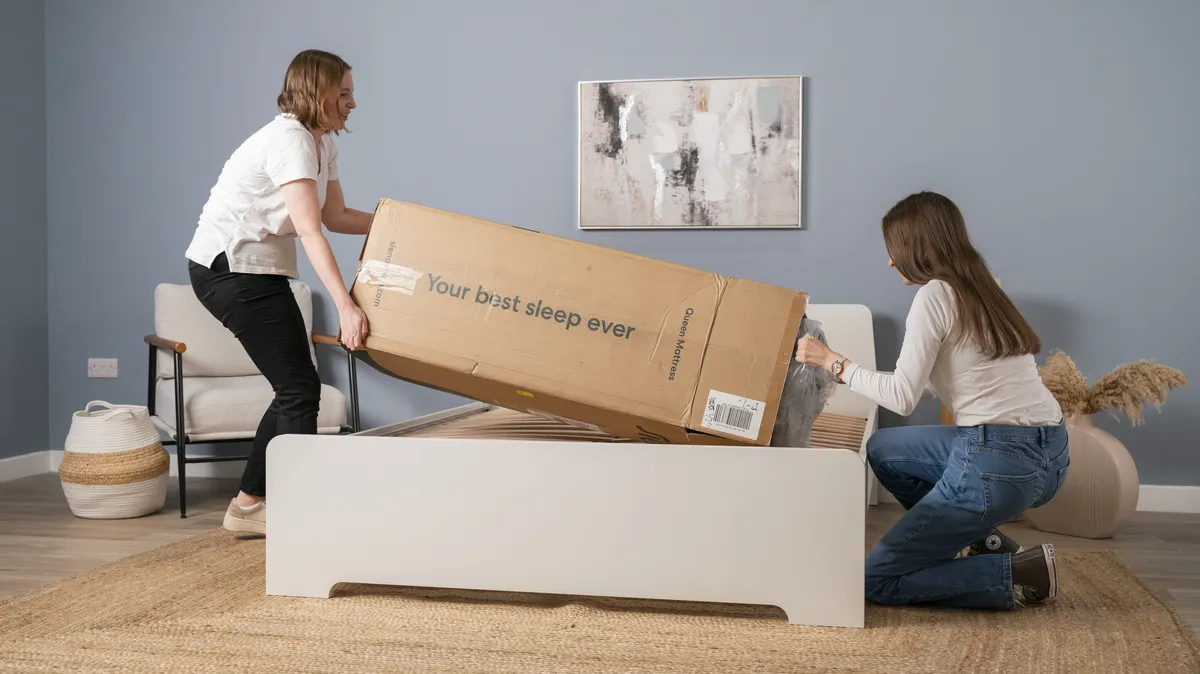
The best mattresses in a box come compressed and rolled, for delivery convenience. This shouldn't alter the quality of the mattress but it can result in a longer break-in process.
You've sifted through the mattress jargon, read all the reviews, maybe even chatted with an AI help bot, everything possible to ensure you invested in the best mattress for your sleep needs.
But now the new bed is home and something just doesn't seem right. Maybe you've started tossing and turning or you're waking up coated in sweat, even though it's the middle of winter.
As a mattress tester (yes, really), I've suffered through a fair few mattress break-ins. Below I'll share my top tips for speeding up the mattress adjustment period, plus how to recognize when a bed is wrong for you. And what you can do when you've tried it all and you still can't sleep.
5 signs you bought the wrong mattress
A few bad nights or the wrong mattress? It takes around three weeks for your body to adjust to a new sleep surface but if you're experiencing any of these problems, it might be a sign your mattress isn't right for you.
- You toss and turn when you get into bed: If it takes a while to find a comfortable way to lie, the mattress might not be compatible with your sleep position or body type.
- You've started waking up in the night: Brief late night wake ups are common but if you often find yourself restless at 3am, the mattress might not be supporting deep, restorative sleep.
- You wake up with aches and pains: Suddenly starting each morning with an aching shoulder or painful hip? Your new mattress could lack the support or cushioning you need.
- You wake up sweating: An unexpected influx of night sweats is a strong indicator your mattress doesn't have the air flow you require.
- Your partner's movements have started driving you up the wall: Motion isolation helps deaden movement so if you can feel your partner's every twitch, it's a sign you need a less bouncy mattress.
3 ways to quickly break in a new mattress
Here's the secret: your brand new mattress is rarely going to feel like the bed you read about online, or even the one you tested in-store. The box-fresh materials need to be broken in.
But that doesn't mean you just have to put up with bad sleep. Here are my (tested and recommended) tips to break in your new mattress...
1. Jump on the bed
Pressure, typically from the human body, causes a mattress to soften and it happens naturally as you sleep. However, you can accelerate the timeline by giving into your inner child.
Yes, it’s time to jump on the bed.
Jumping involves regular application and removal of pressure, which in turn softens the comfort layers of your mattress.
Of course, you want to avoid anything too athletic that might cause damage or void the mattress warranty. So no cannonballing.
Alternatively, spend more time on the mattress. Read, watch television, even eat lunch, all while tucked up in bed. (But avoid relaxing on the mattress in the hours before sleep, as too much bed rotting makes it hard to drift off.)
2. Play with the temperature
Memory foam responds to temperature, softening under the application of heat. When breaking in a mattress, you can use this to your advantage.

Try turning up the heat in the bedroom during the day, moving your bed closer to the vents, or placing a space heater near to the mattress (although you should never fall asleep with a space heater running.)
We recommend an optimal bedroom temperature of 65 to 70°F. When breaking in your mattress, opt for the upper end of that scale.
3. Try a mattress topper
Typically measuring between two and four inches thick, mattress toppers essentially add extra comfort layers to your mattress.
In most cases toppers are used to soften a firm bed (or enhance the cushioning of an old mattress.) However, specialist toppers come with features to boost temperature regulation, improve motion isolation, and even firm up a too-soft bed.
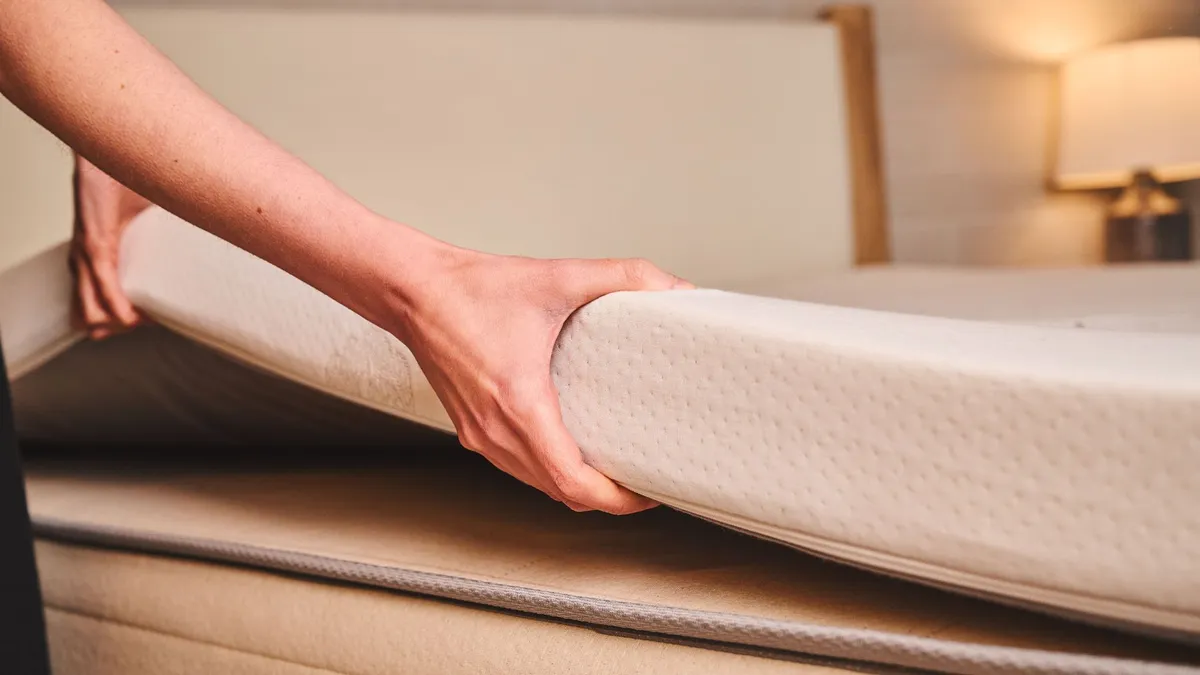
A topper can be a permanent addition to your mattress but it might also be a stopgap — a comfort boost while you break the bed in.
Our guide to the best mattress toppers has a choice for every bed, tested by experts.
Next steps if you still don't like your new mattress
You've given it your best shot (and waited three weeks, roughly the time it takes your body to adjust to a new bed) and you're still not happy. In that case, it's time to explore your sleep trial.
Most mattresses sold online come with a sleep trial. During the trial you can use the bed at-home, with the promise of a refund if you decide it isn't right for you.

A standard mattress trial lasts 100 nights. So even if you shopped the earliest Black Friday sales, you should still be in your trial period. That means you can probably claim a refund.
However, sleep brands will often try to make things right with your current bed before offering a refund. You're likely to be offered these three options:
A comfort add-on
If your bed is good but not quite right, a sleep brand might offer a (free) topper or mattress pad, to make minor comfort adjustments without the hassle of a refund.
An exchange
Brands with a selection of mattresses will sometimes encourage an exchange. For example, if you hate the bounciness of your new hybrid, you might be able to switch to an all-foam model (paying any extra.)

This option is ideal if you’re happy with the overall quality of the mattress (and the customer service) but the feel wasn’t right for you.
A return
Sometimes all you can do is get rid of the bed and start again. A 'risk-free' trial comes with free refunds but some brands charge a processing fee. This fee can range from $20 to $200, so check the small print.
Be aware that your mattress should be in good condition if you want to return it. (Hence the ‘no cannonballing’ rule earlier.)
My mattress didn't come with a trial — what can I do?
Mattress trials are common but not guaranteed. For example, budget beds sold by third-party retailers often skip the trial period, while final sale mattresses can often only be returned if there's a manufacturing fault.
In this case, the best option is to try a mattress topper and see if it can fix the problem.
If you're still unhappy, check out our guide to disposing of a mattress.
Expert tips for getting the right mattress next time
Like I said, mattress shopping is tough, even for the experts — sometimes a mattress that sounds great online delivers a totally unexpected feel when we start testing in our Sleep Lab.

The best way to get it right is to read reviews, including detailed professional reviews and comments from consumers. While comfort is subjective, a wide range of reviews will give you the best overview of the product.
Beyond that, there are several key elements to consider when buying a mattress:
- What position do you sleep in? The best mattresses for side sleepers are cushioned at the shoulders and hips. Stomach and back sleepers benefit from firmer support in the lumbar region.
- What’s your body type? Lightweight people typically prefer a softer bed, while the best mattresses for bigger builds tend to be firm. That's because firmness is subjective and heavily influenced by body type.
- Do you sleep hot? Then you’ll need one of the best cooling mattresses to keep you a comfortable temperature all night long.
- Do you share a bed? If your partner’s tossing keeps waking you up, you’ll need a mattress with good motion isolation. The best memory foam mattresses tend to excel here.
- Do you sit on the side of the mattress? Strong edge support allows you to sit, lie and press against the perimeter of the bed.
- Do you want a 'bounce' or 'hug'? Spring mattresses, like the the best hybrid mattresses, have a bouncier finish, while all-foam beds have a deadened effect, often compared to a 'hug.'
Follow Tom's Guide on Google News and add us as a preferred source to get our up-to-date news, analysis, and reviews in your feeds.