Everyone has their own comfort sleep position to drift off into a peaceful slumber. While it's not generally something we put a lot of thought into, experts underline that your position can have a major impact on how you sleep, your physical health and how rested you feel after waking up.
It's common knowledge that lying on your side, back or stomach are the three basic positions. However, not everyone knows how to do it right.
Which is why we're diving into the details — analyzing the pros and cons of each sleeping position, exploring how to find the best mattress for your sleep and more on reaping the most benefits without compromising comfort, all backed by expert-advice.
Side Sleeping

This simply means lying on one side with your head looking ahead. Your major pressure points in this position are the ears, shoulders, hips and knees.
However, there are many different ways you can sleep on your side. Some may prefer lying on their right or left side and bringing the knees slightly up (often called the fetal position), while others keep their arms and legs straight (also called the log).
A common question we often wonder is about whether a particular side is better than the other.
"There isn’t a significant difference between left and right side sleeping, and ultimately this will largely come down to personal comfort," says Dr Hana Patel, NHS GP and resident sleep expert at Time4 Sleep.
"However, some studies have found that sleeping on your left side is associated with less acidity and reflux symptoms," she adds.
Benefits of side sleeping
According to studies, adults often sleep 54% of the time on their side. Irrespective of which side you choose to sleep on, the position is considered to maintain the body's spinal alignment (meaning the shoulders, hips and knees are in line and not twisted), provide adequate support, reduce the risk of snoring and prevent other conditions like acid reflux.
"When you lie on your left side, your stomach stays below the oesophagus, which helps keep stomach acid where it belongs," said Dr Leah Kaylor, in a previous conversation on GERD with us.
"Side-sleeping is also a recommended position during pregnancy," says Dr Patel.

Drawbacks of side sleeping
However, side-sleeping is certainly a two-sided coin since it comes with certain disadvantages too. For instance, experts say that patients with heart conditions should avoid sleeping on their left side.
"Left-side sleeping can shift the position of your heart, increasing the pressure it experiences and changing the heart’s electrical activity," explains Dr Tim Mercer, NHS GP Partner and trainer.
Additionally, left-side sleeping in particular can also impact brain health and potentially increase the risk of Alzheimer’s.
"Studies have shown that the glymphatic system washes waste toxins away from the brain during sleep, and this process is most effective during right-side sleeping," he says.
Side sleeping is also not the ideal position for those who prioritizes beauty sleep. It can result in wrinkles on your neck, collarbone and shoulders, since you tend to hunch your shoulders forward. Plus half your face is being pushed against the surface of the pillow, which can also lead to wrinkles and fine lines over time.
Ideal sleep set-up for side sleeping

- Mattresses: The best mattresses for side sleepers ease the pressure build-up at the shoulders, hips and knees and promote a healthy spinal alignment, thanks to their contouring and supportive build, resulting in a more restful sleep. Look for medium-firm mattresses, with pressure-relieving layers of foams. Pillow top mattresses also work well.
- Pillows: Similarly, the best pillows for side sleepers, are often crafted using contouring and responsive memory foam blends. These usually feature a mid to high loft, which can easily bridge the gap between the ear and shoulder, soothing your neck muscles.
- Accessories: Side sleepers can also benefit from an extra pillow under the knees to take the pressure off the spine and knees and promote better alignment. A body pillow is another option which also works well to support your arms and your legs too. Need more cushioning from your bed? The trick is to add a mattress topper.
Back sleeping

Back or supine position is when you lie straight on your back, with your head facing the ceiling and your arms in a neutral position either side of your body. The major pressure points here are your head, shoulders, pelvis and heels.
Back sleeping is generally considered a healthy position, mainly because of the extra support it lends to your lumbar region. Like sleeping on your side, it also maintains your body's natural spinal alignment, which in turn promotes rest and relaxation.
Let's now look into its pros and cons in detail:
Benefits of back sleeping
Back sleeping allows gravity to work its magic — which means your weight is evenly distributed across the body. This helps in reducing the pressure on your muscles and joints, avoiding any nasty pains and aches.
Sleeping on your back also reduces the chance of having wrinkles and fine lines. The main reason is the absence of any friction between your facial skin and your pillow case, which essentially gives a chance for your skin to breathe and restore while you sleep.

Drawbacks of back sleeping
However, experts underline that back sleeping might not suit everyone. "If you have breathing issues like sleep apnea, then your symptoms may be worse when lying on your back," says Dr Patel.
Gravity can cause the tongue and soft palate to fall back and narrow the airway, which in turn can worsen symptoms of sleep apnea and snoring.
Back sleepers might also develop a tendency to stack pillows for extra neck support, which can prove to be counter-productive.
“There can be an urge to stack pillows or to read a book in bed — yet these are non-neutral postures that place muscles out of balance, making it likely that you will wake up with a stiff neck," said Dr Rubina Tahir DC, a Michigan-based chiropractor, in a previous conversation.
The ideal sleep set-up for back sleeping

- Mattresses: The best mattresses for back sleepers are usually medium-firm to firm — designed to deliver a balance of comfort and support and maintain a healthy spinal alignment. Most people will find firmer mattresses better for alignment, as they'll stop the hips from sinking too far into the bed — especially if you're a heavier weight. Consider browsing the best hybrid mattresses we've tested, as they often excel in support.
- Pillows: The best pillows for back sleepers usually have a medium to low loft, which can effectively keep your head, neck and shoulders in alignment with the rest of your body. Too high, and your neck will be at an angle during the night. Less dense materials can help here, like down, which flatten more beneath your head compared to foam.
- Accessories: Back sleepers can also opt for a knee pillow for extra pressure relief. Placing a pillow beneath the knees can also create a 'zero gravity' position, which prevents and tension from building in the body. A mattress topper is also a great addition, especially if you think your bed lacks lumbar support. If you are a snorer, consider using nasal strips to help open the nasal airways.
Stomach sleeping

Stomach sleeping is when you're lying on your front, your head tipped to one side and pressed against the surface of the pillow. Your arms can either be in a neutral position by your sides, or up around the head.
Around 7% of the population are stomach sleepers, making it a rarer choice. Many people find this position uncomfortable or completely unnatural for resting, mainly because of the pressure against the chest and the sharp angle of the neck.
Experts often stress the importance of switching from sleeping on your stomach to your side or back, due to the different risks it poses both for your physical comfort and sleep health over time.
Benefits of stomach sleeping
Stomach sleeping is generally considered the worst sleep position, according to experts. So it's quite hard to pin-point any advantages.
However, if you're a natural stomach sleeper, this is not to say that you should never sleep on your front. "If you find that it’s the only way you can get a good night’s sleep, then continuing with this position is the best course of action, unless you notice it is causing other health problems," says Dr Patel.
While we can look into the cons in detail below, there is perhaps one thing stomach-sleeping can help with. Compared to both side and back sleeping, lying on your stomach can reduce the symptoms of snoring.
Drawbacks of stomach sleeping
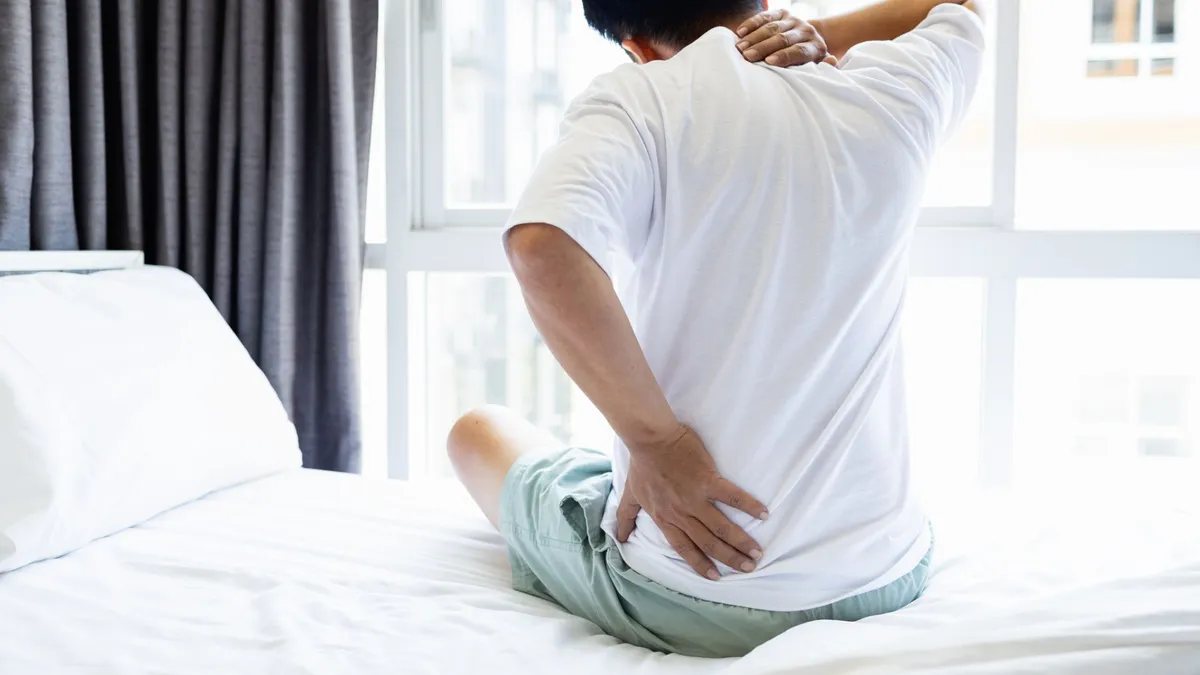
Stomach sleeping basically means that your front side, neck and face are pressed flat against the bed and the pillow. This can result in various issues like a spinal misalignment, stiff neck, headaches and even achy shoulders.
"Keeping the head turned to one side for an extended period can put excessive strain on the neck muscles and may even lead to nerve irritation," explains Dr Mercer.
Sleeping on the stomach compresses the chest — which can limit oxygen intake and make deep breathing more difficult.
"Furthermore, prolonged facial contact with the pillow may contribute to skin issues such as breakouts, wrinkles, and puffiness," he adds.
The ideal sleep setup for stomach sleeping

- Mattresses: The best mattresses for stomach sleepers are on the firmer side, built to provide enhanced support, prevent any sinkage and promote spinal alignment — which can cancel out the drawbacks of the position. Some of the best memory foam mattresses, like the Plank Firm, can be good choices for stomach sleepers, as long as they have a dense, firm foam.
- Pillows: On the contrary, the best pillow for stomach sleepers is a low-loft soft headrest. These will deliver plush comfort to ease your neck and shoulder muscles, while preventing your head from tilting upwards too much, which can otherwise cause aches or pains or injuries over time.
- Accessories: Planning on sleeping on your side? Adding a body pillow can help ease the transition from front sleeping to side sleeping. Investing in a medium-firm to firm mattress topper can also elevate the support of your bed if you find your hips sinking too far into the mattress.
Is there a 'best' sleeping position?
The 'best' sleeping position varies depending on an individual's physical health and preferences.
However, side sleeping is generally considered a top choice. It avoids placing stress on the spine, it reduces snoring and it can help you avoid acid reflux. Back sleeping is also a healthy position, but worth avoiding if you experience sleep apnea.