The last time you bought a mattress it's likely you headed to a store and perched on beds while avoiding the eye of a pushy sales person. But nearly a decade later, all the best mattresses for every sleep style are sold online. And that means having to navigate the mattress marketing jargon.
So if you're asking yourself 'what's a hybrid and why should I care?' we've broken down the four most common types of mattresses, including their pros and cons, based on our experience testing over 140 mattresses
Sleep comfort isn't something to leave to chance and in our guide to how to choose a mattress we have all our expert tips and tricks. And when you know what you want, head to our mattress sales page to find all the latest deals from top brands and retailers including Saatva, DreamCloud, IKEA, Amazon, and more.
Memory foam: The ‘body-hugging’ mattress
An all-foam mattress is made entirely of layers of viscoelastic polyurethane — more commonly known as memory foam.
The best memory foam mattresses are known for their body contouring comfort. Memory foam reacts to heat and pressure, molding to your body as you lie in bed. For this reason, memory foam mattresses often have excellent pressure relief.
This sink-in feel of all-foam beds also gives them their signature ‘hug’. Molding to the shoulders and hips, they're often ideal for those who lie on their side. Memory foam mattresses are also a popular choice for relieving joint pain — the Tempur-Pedic Tempur-Adapt mattress is a good example.
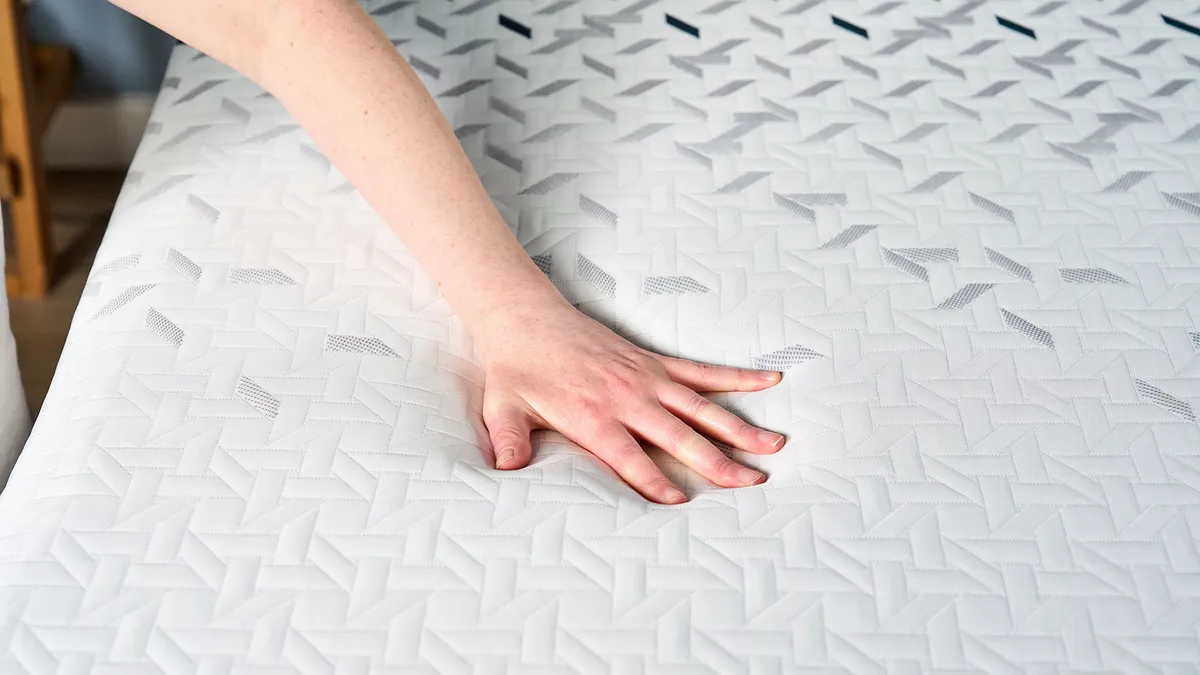
In recent years, the memory foam mattress market has exploded. From the luxury NASA-inspired foams of Tempur-Pedic to the budget-friendly options at Zinus and IKEA, memory foam is an increasingly diverse material.
So while designs like the Nectar Premier Memory Foam mattress offer that classic blend of body cradling comfort, some all-foam mattresses have a much firmer, more supportive feel. Like the Plank Firm mattress, which has none of the traditional memory foam sink.
Most memory foam mattresses do still have a few things in common, including excellent motion isolation. (The dense foams eat up movement.) On the flipside, memory foam can also hold onto excess warmth, although the development of heat-dissipating gel foams mean they aren't the heat trap they used to be.
Pros:
- Excellent pressure relief
- Absorbs motion very well, which is ideal for couples
- Best for side sleepers and those with joint pain
Cons:
- Cheaper foams can sleep warm. However, modern foams often use gel or charcoal infusions as well as open cell-foam structures to combat the traditional heat trap issues.
Hybrid: The best of all mattress worlds
The best hybrid mattresses are a sophisticated mix of materials. These beds combine responsive coils with body-hugging foams to create a balance of support and cushioning.
Due to the sheer variety of hybrid mattresses — there are all kinds of ways to mix and match the materials — there's a hybrid for practically every type of sleeper. They're often the top choice for those with back pain, as the added support of the spring base helps keep the spine lifted and aligned.
For side sleepers, look for a hybrid mattress with softer foams on top to sink into. The Helix Midnight Luxe mattress is our favorite. Back and stomach sleepers need the support provided by a firmer hybrid, such as the Saatva Memory Foam Hybrid mattress.
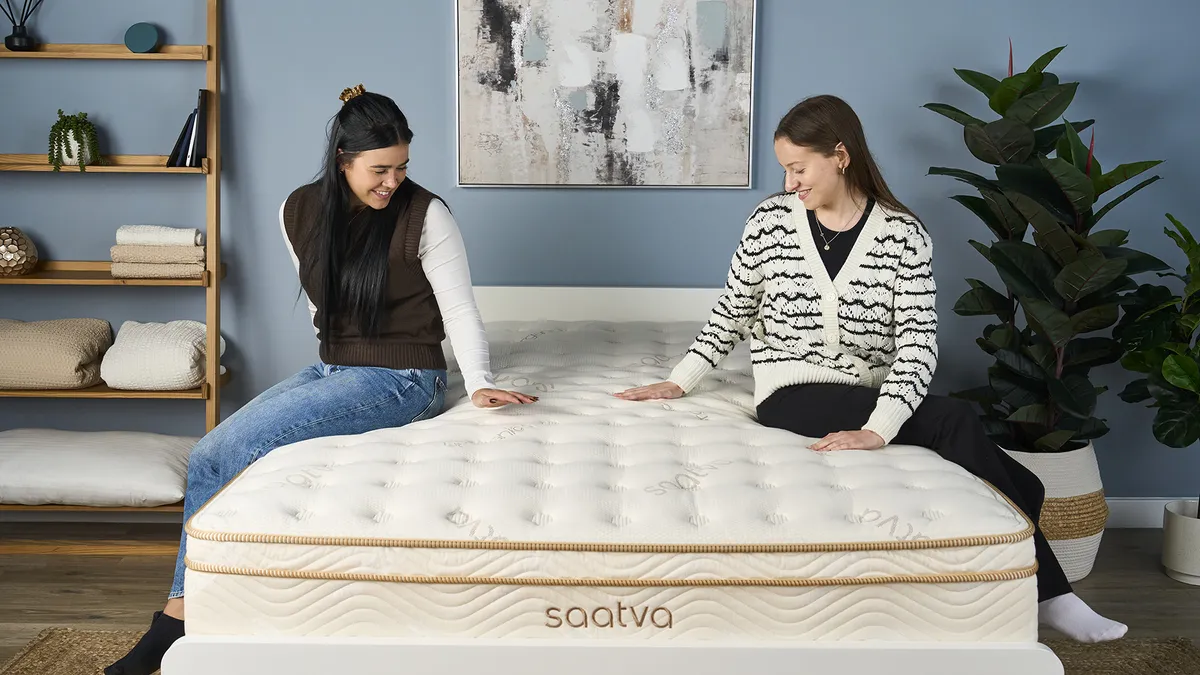
Coils give hybrid mattresses airflow, making them a cooler choice for hot sleepers. However, springs also add bounce, so expect some disruptions if you share a bed. But most modern hybrids opt for individually wrapped pocket springs, to ensure one disturbed coil doesn't get the whole bed bouncing.
Although technically an innerspring hybrid, the Saatva Classic mattress is the best example of all a hybrid mattress can offer. With its dual-coil support system and soothing foam layers, it aced all our key mattress testing metrics. But if it's out of your budget (around $1,800 for a queen, depending on Saatva mattress sales), the DreamCloud Classic mattress is an excellent cheaper alternative.
Hybrids are the most popular mattress type on the market, with budget to mid-range options widely available from retailers including IKEA , Amazon and Costco. Or you can shop the best hotel mattresses — hybrids are the preferred choice of many luxury hotel chains.
Pros:
- Combines the support of an innerspring and the pressure relief of a memory foam mattress
- An option for every sleep style and budget (including sleepers with a heavy build)
- Excellent air flow makes it a better choice for hot sleepers
Cons:
- Due to their complex construction, hybrid mattresses tend to be more expensive than memory foam bed
- The inclusion of coils makes them responsive (bouncy), which can be disruptive for bed sharers
Latex: The greener mattress
Natural latex mattresses use foam formed from the sap of rubber trees. (Synthetic latex mattresses are petroleum based.) They're antimicrobial and hypoallergenic, meaning they repel dust mites, mold and bacteria.
Latex foams have a natural buoyancy. While memory foams hold onto a shape even after pressure is removed, latex foams bounce right back. If you're a combination sleeper who likes to change positions, a latex mattress will work with you to deliver non-stop comfort.
The lack of foam 'hug' means side sleepers might find typical latex beds too firm at the shoulders and hips, although there's often ample support for back and stomach sleepers. The material is also naturally breathable, for a cooler feel, but bed sharers should expect some bounce.
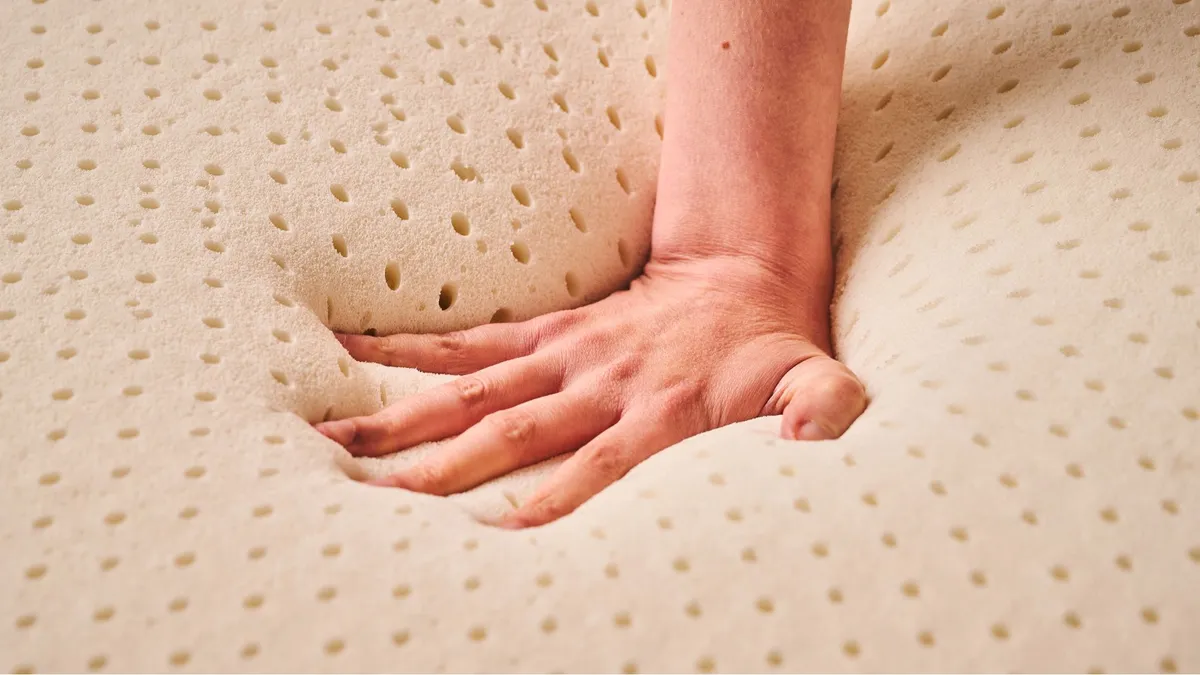
The best organic mattresses typically use latex foams in some way, making them a popular choice for eco-conscious shoppers. You'll often find latex foams paired with springs and natural fibers such as wool. However, all-foam latex beds are also available (such as the Essentia Stratami mattress.)
The latex mattress market is expanding but while brands such as Awara and Birch are ensuring latex beds don't have to cost a fortune, it's likely to be a while before you see a truly cheap latex mattress. But these durable beds tend to last a while, so you get a lot of sleep for you money.
Pros:
- Incredibly durable — can last 15+ years if well looked after
- Naturally cooling to prevent overheating in the night
- Naturally antimicrobial and hypoallergenic
- Best for eco conscious shoppers
Cons:
- Expect a distinct bouncy feel that doesn't contour like memory foam
- More expensive than other bed types, but last longer too
Innerspring: The traditional mattress
Traditional innerspring mattresses have a classic design. A network of interconnected metal coils sit at the base, topped by a thin layer of fiber or foam. You probably recognize the trampoline feel of an innerspring mattress from your childhood.
There are a few reasons why you might want an innerspring bed. For a start, the simple design means they're often pretty cheap, while the open springs ensure consistent airflow. They’re best for back and stomach sleepers who prefer to sleep on top of their mattress as opposed to sinking into it.
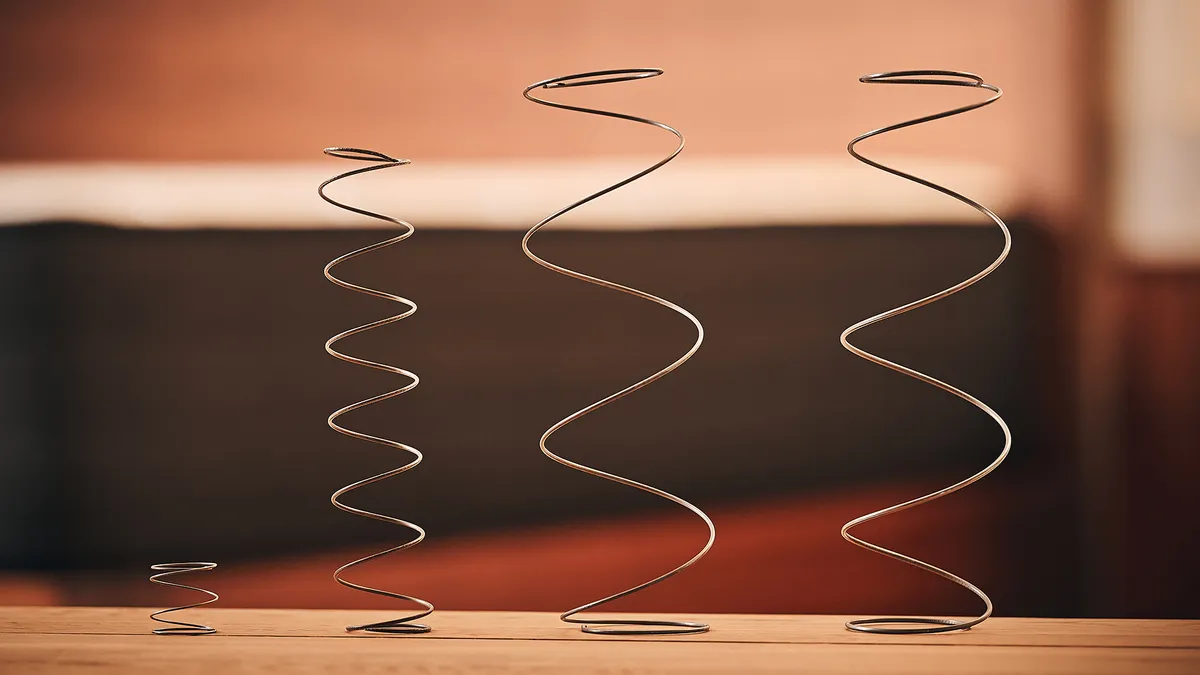
However, there's a reason why innerspring beds are being largely phased out in favor of hybrids. They lack durability, with squeaking springs and poking coils sure-fire signs your mattress needs replacing.
But if you're looking to save money, or you really like bouncing on the bed, you can still find innerspring mattresses for sale. Look for budget options from the likes of IKEA and Amazon.
Pros:
- Very breathable thanks to the open springs
- Often the cheapest option on the market
- Best for back or stomach sleepers who prefer a firm sleep feel and maximum airflow
Cons:
- They're very bouncy, so expect to feel even small movements from another person
- Less durable than memory foam and hybrid beds
Smart beds: The future of mattresses?
The best smart beds use various forms of tech to enhance the sleep experience. From the adjustable comfort of Sleep Number mattresses to the responsive cooling of the Eight Sleep cover, these clever designs are offering active solutions to sleep problems.
And you don't always need an engineering degree to work them. Beds like Saatva's Solaire mattress deliver customizations from an easy-to-use remote.
It's hard to categorize smart beds in any one way, as there's a lot of variety in design and features. But there's one thing nearly every tech bed has in common — they're expensive.
What’s changed since you last shopped?
While the mattress-in-a-box market started out as something of an oddity, the pandemic accelerated the shift to buying mattresses primarily online. Now, hundreds of thousands of the best mattresses in a box are compressed, rolled and packaged up for delivery to doorsteps every year.
This new method of mattress shopping comes with its own set of benefits and challenges. On the plus side, mattress-in-a-box manufacturers save on brick-and-mortar stores, and this saving trickles down to the consumer. That means buying a mattress online is often cheaper than buying an equivalent quality mattress from a store.

They're also convenient. You can order your new bed while tucked up in your old bed, and it's easier to get a rolled mattress up several flights of stairs.
The biggest con is that you can't always try before you buy. While some online retailers have expanded into stores, they often offer limited in-person options. However, long sleep trials mean you can typically return or change the bed if you've tried it at home and it's not quite right.
Once unboxed, you can often expect it to take 24-48 hours for your mattress to fully inflate. And prepare for ‘off gassing’ after being opened, as the VOCs are released into the air.

Of course, you can still buy mattresses in store and not all mattresses bought online are compressed before shipping. Saatva still prefers to deliver their mattresses traditionally flat before setting them up in your room of choice.
The make up of the mattress market has also changed. Expect more variety, fewer innersprings, and an increasingly targeted market. If you last shopped eight years ago and settled for a bed that was just okay, your dream mattress is probably out there now. Just be prepared to look for it.

Follow Tom's Guide on Google News and add us as a preferred source to get our up-to-date news, analysis, and reviews in your feeds. Subscribe to Tom's Guide on YouTube and follow us on TikTok. Finally, you can visit our dedicated Tom's Guide Savings Squad hub for expert help on getting the best products for less.