Heading to college? You've probably crossed all the sleep essentials off your dorm room checklist: pillows, comforter, sheets. But what about a mattress topper? Dorm beds are notoriously uncomfortable and throwing a brand new bedspread over a mattress that's seen better days won't fix it.
The best mattress toppers can give dorm beds a shiny new makeover. While in an ideal world you'd be bringing one of the best mattresses to your dorm, mattress toppers are lighter, cheaper, and easier to set up. In fact, many bed toppers are designed with students in mind.
I'm a mattress topper tester and I'm sharing the five key reasons why every dorm bed needs a mattress topper — yes, even the brand new ones. Plus, I'll explain how to choose a mattress topper that's right for you in the upcoming Labor Day mattress sales, so you can stop poor sleep from getting in the way of your grades.
Key takeaways: At a glance
- Mattress toppers protect against all kinds of mess and germs.
- They also changing the bed's feel and firmness for better comfort and support.
- When choosing a mattress topper, make sure it contains foam, has some form of temperature control, and is not too thin or thick.
5 reasons why a mattress topper is a dorm room essential
1. Adds a germ barrier

The average lifespan of a mattress is seven to 10 years, so in all likelihood, multiple people have used that dorm mattress before you. As someone who has had to sleep on quite a few second-hand mattresses in her time, I'm unfortunately familiar with mysterious bed stains.
But stains are inevitable because mattresses collect everything, from sweat to spilled drinks, like stamps. Even if the person before you used a mattress protector and never ate in bed, bodily fluids like natural oils can still seep through and leave stubborn, yellow mattress stains.
That's where a mattress topper steps in. Toppers act as a thick germ barricade, protecting you against a grimy dorm mattress. Many toppers also have hypoallergenic, deodorizing, and antimicrobial properties. Consider one infused with antibacterial copper, such as the ViscoSoft Active Cooling Copper Topper or the Molecule CopperWELL Mattress Topper.
2. Softens hard beds
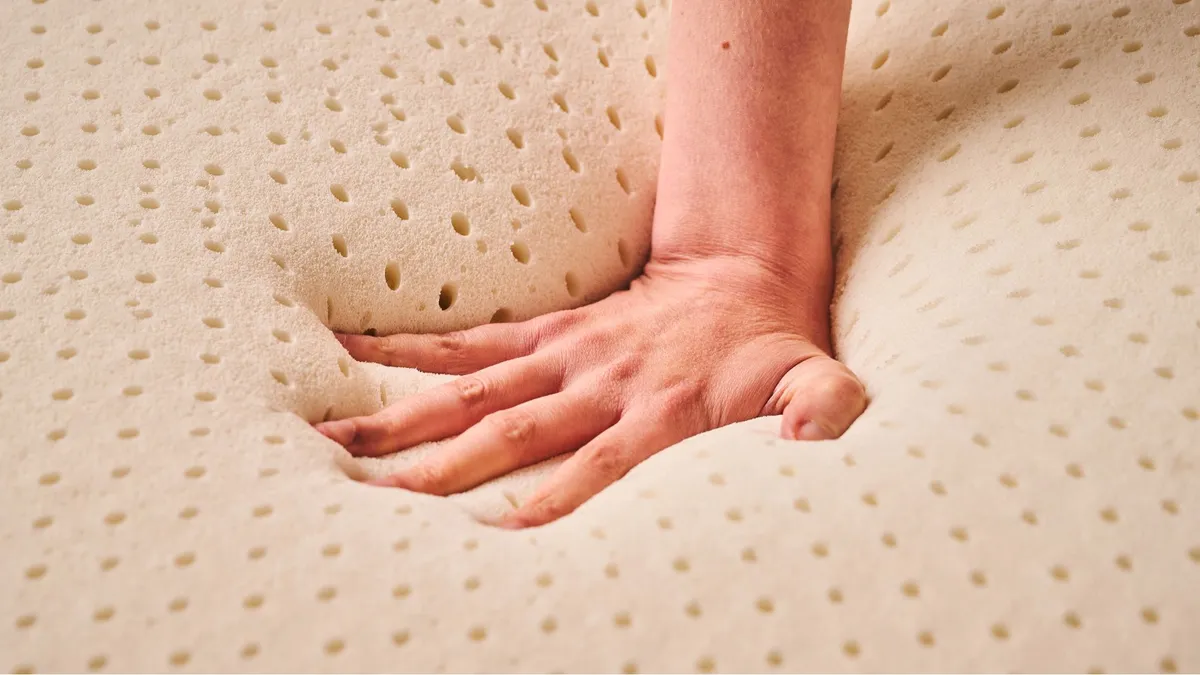
Even if you're the first one to sleep on your dorm mattress, you still might run into issues. New mattresses haven't gone through a break-in period, meaning they're can be unusually firm. You might feel like you're sleeping on a plank of wood (particularly if you're used to a well-used mattress at home).
Luckily, most mattress topper are made from body-contouring foams that are perfect for softening hard beds. Memory foam mattress toppers are also great for soothing side sleeper pressure points, moulding to your shoulders and hips.
3. Controls temperature

According to the Farmer's Almanac, we're in for more hot weather this fall. While many newer dorms are equipped with air conditioning, a large number of older, historic campuses have restricted AC or no AC at all.
If you find yourself struggling to sleep in a hot dorm room, the next best thing to a massive fan is a cooling mattress topper. Most mattress toppers have some degree of temperature regulation, but some go one step further and utilize state-of-the-art cooling tech. For example, Helix mattress toppers have GlacioTex covers, which are designed to dissipate body heat.
4. Adds support

If your dorm mattress has passed through a few users, it might have developed lumps and dips. A firm mattress topper can add support to an overly soft or sagging bed.
Choosing a firmer designs is also better for stomach and back sleepers, who need more lumbar support to avoid lower back pain.
Some mattress toppers, such as the Puffy Deluxe Mattress Topper, come in different firmness options. If a mattress topper doesn't have a choice of feels but does come in a variety of heights, go for the thinnest one for firmer support.
5. Protects the mattress
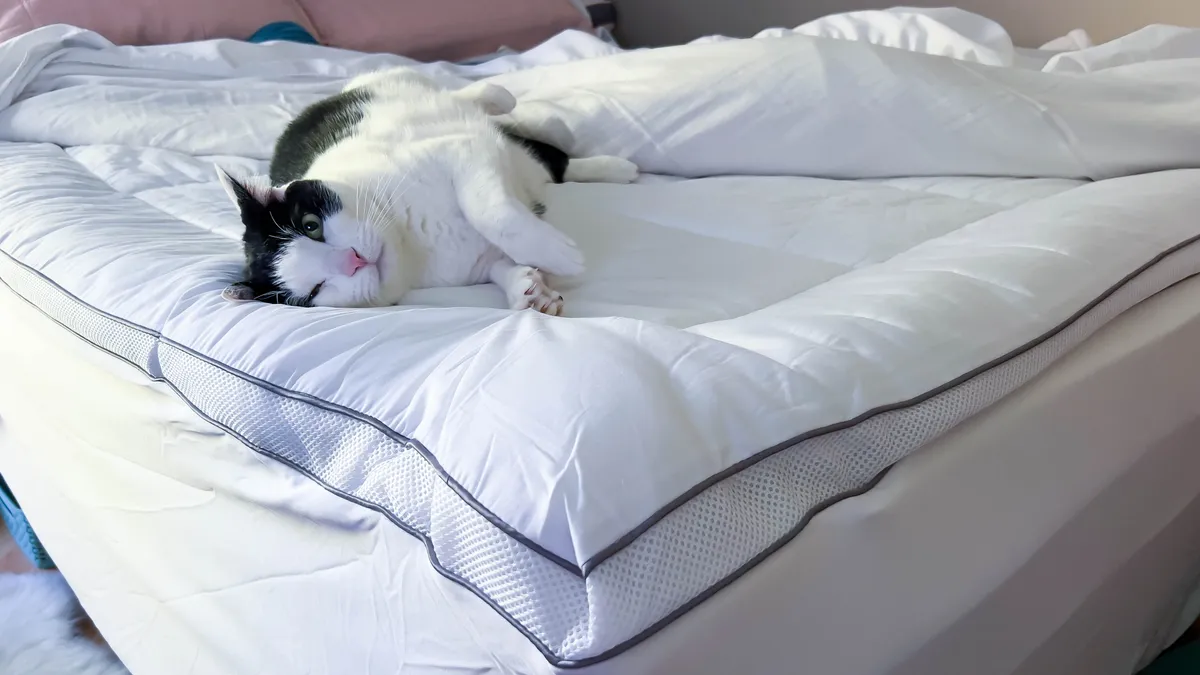
As I mentioned above, mattress toppers act as a barrier against germy dorm beds. That means they also protect the dorm mattress from your germs.
If you're someone who's accident-prone or likes to snack in bed, a mattress protector can provide a buffer between you and the mattress. That means when it comes to move out day, you won't be stuck with a fine for a replacement bed.
Many (but not all) mattress toppers come with removable, machine-washable covers, such as the Tempur-Adapt+ Cooling Mattress Topper. This means you can launder the topper's cover without having to clean the mattress itself.
Finish with one of the best mattress protectors for full safeguarding.
3 steps to choosing the right mattress topper
1. Choose a topper between 2" and 4" thick

A mattress topper's thickness is important when finding the right one for you. Too thin or too thick can both come with problems.
A too-thin mattress topper is unlikely to make any difference to the feel of the bed, while a too-thick mattress topper will be too squidgy and add unnecessary height to your mattress.
As a rule of thumb, don't choose anything thinner than 2" or anything thicker than 4".
Mattress topper thickness |
Best for |
|---|---|
2 inches |
Newer mattresses; mattress toppers with high-density foam |
3 inches |
Hard mattresses in need of softness; all sleep positions |
4 inches |
Older, worn-out mattresses; side sleepers who like extra cushioning |
2. Make sure it has foam

If you've been trawling Amazon for some cheap mattress toppers, you may find quilted ones that look good but appear awfully thin. That's because these are mattress pads, not mattress toppers.
These are often foamless — sometimes labelled as microfiber, synthetic-filled, hollow fiber, or down alternative mattress toppers — and the bad news is they make no difference to the feel of your bed whatsoever.
Instead, look for a mattress topper that is clearly labelled as containing foam, either memory foam or latex foam, to ensure it's capable of providing a thick layer of comfort.
3. Look for cooling materials
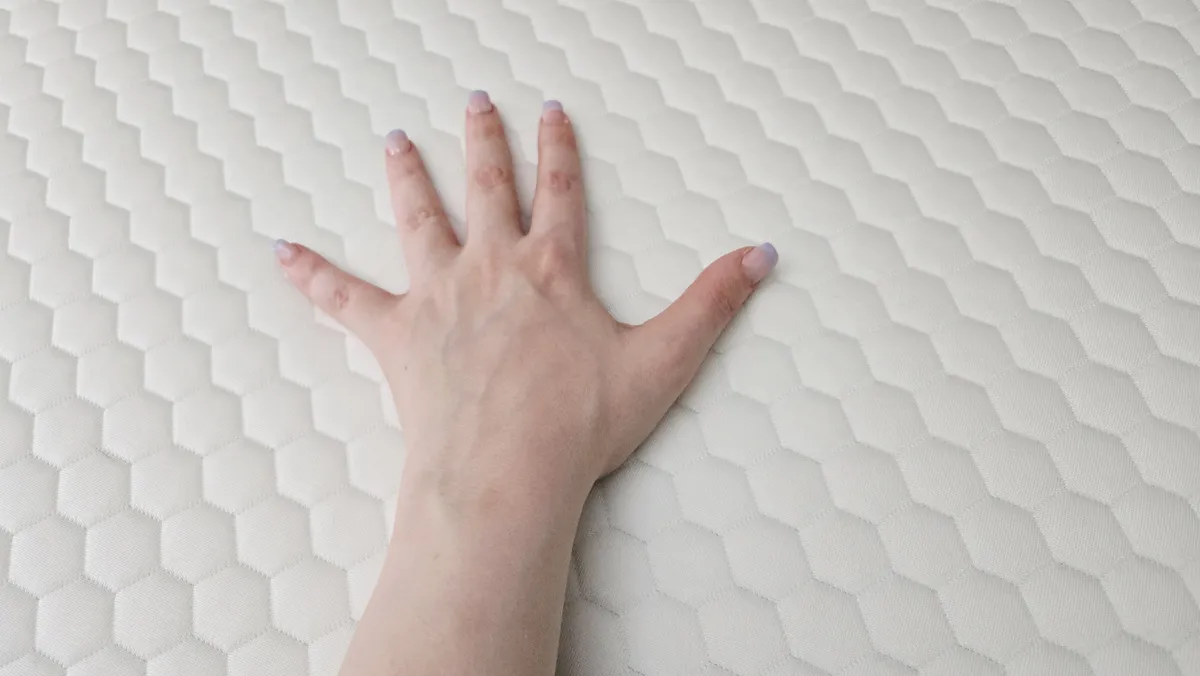
And last but not least, look for cooling materials or design features that keep your bed temperature neutral.
Some cooling features are better than others, however. For instance cooling gel-infused foam is no match against a specialist cooling cover made of GlacioTex or PCM.
Also, some materials are naturally cool, such as organic latex foam or moisture-wicking, breathable cotton or wool.
3 top-rated mattress topper deals

Follow Tom's Guide on Google News and add us as a preferred source to get our up-to-date news, analysis, and reviews in your feeds.