The wrong bed can exacerbate pain but your guide to the best mattresses online has plenty of options for comfier nights.
Adjusting the thermostat before bed is a tricky balance. Too warm and you'll wake up sweating (and out of pocket.) Too cold and you might find aching muscles and sore joints ruin your morning.
While a cooler bedroom supports your circadian rhythms, warmer temperatures are better for tight, sore muscles. And as you get older, a balmier room might be necessary to achieve the restful sleep you need.
The right temperature is an important component of good sleep so I asked the experts how you can get it right, particularly if you're over 65.
Here's what pain specialists Jen Uschold and Dr. Jacob Teitelbaum advised — plus their top tips for creating the cozy comfort your sleep deserves.
Choosing a bedroom temperature for pain relief
The optimal bedroom temperature for good sleep is typically on the cooler side, to accommodate the natural drop in your core temperature as your body prepares for sleep.
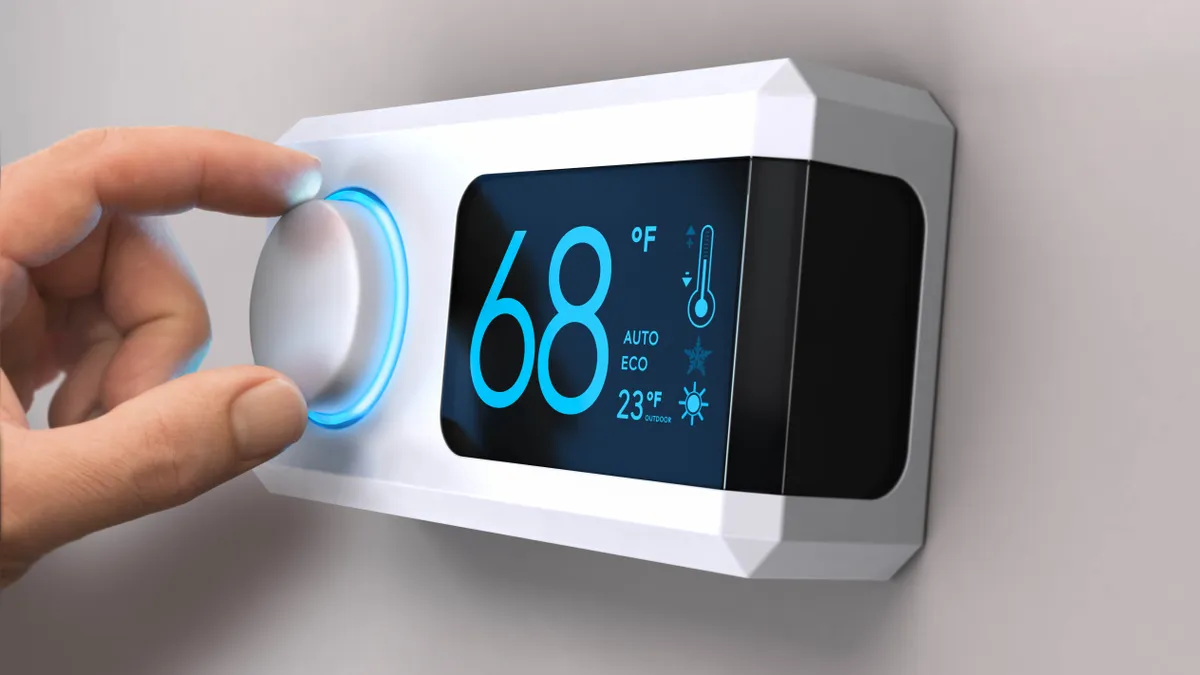
Dr. Jacob Teitelbaum, pain expert and author, recommends a temperature of “60 to 67°F” (16 to 20 °C) for younger adults and advises to aim for the warmer end of this spectrum if you’re experiencing pain.
“Generally, a room temperature of around 19 degrees is recommended,” adds Jen Uschold, pain specialist and Physical Therapist working with MattressNextDay. “The brain needs a slight drop in core temperature to initiate sleep, but if the environment is too cold, the nervous system works harder to maintain warmth.”
And as we’re bracing our way through repeated cold snaps, she notes you shouldn’t let the room drop below 64°F (or 18°C.)
Why is a warmer bedroom better for pain relief?
Not only is it harder to drift off when you're shivering, cold weather can cause you to experience increased pain, particularly when you're lying still in bed.
“When it is colder, and we are not moving as much as we usually do, there is less blood flow throughout our bodies," explains Uschold. "The cold may increase the experience of pain; however, this does not indicate additional strain to the tissues. It is more about the sensitivity of the nerves and nervous system due to reduced blood flow.”

Uschold notes that you can become more “temperature sensitive” when you’re in pain. What’s normally a cool bedroom might feel uncomfortably cold.
“A colder room draws energy out of the muscles and increases the tendency for muscle tightness and pain,” adds Dr. Teitelbaum. “So, for those with chronic pain, it makes sense to keep the room a little bit on the warmer side of this range.”
Why bedroom temperature matters more as you get older
“In those over 65 years old, the research suggests that the optimal room temperature for sleep quality is 68 to 77°,” says Dr. Teitelbaum.
A 2023 survey found that, overall, older adults tend to benefit from a room slightly warmer than the typical average.
Not only does a warm room benefit tight muscles, it might also help seniors enjoy higher quality sleep — something that can be hard to come by when you're over 65.
“As we age, changes in circulation, muscle mass, and metabolism can mean that many people over 65 may feel colder than they did in earlier life,” notes Uschold.

With a lack of sleep can also come increased pain, as Dr. Teitelbaum explains.
“It is important for people to know that sleep quality is critical for pain relief," he says, "and poor sleep has been shown to significantly cause pain as well.”
He notes that warmer bedrooms can encourage deep sleep in older adults, a sleep phase during which the body undergoes major recovery and tissue repair.
“Much, if not most, pain in this country is caused by muscle shortening,” says Dr. Teitelbaum. “Just like it takes more energy to stretch a coiled spring than for the spring to contract, muscles that don't have enough energy get stuck in the shortened position and hurt.”
Finding the perfect temperature
“Temperature needs are never determined by age alone,” says Uschold. “Health history, movement and exercise during the day, medication, stress levels, living environment, and overall well-being can all influence how warm or cold someone feels.”

Both experts recommend experimenting within the recommended temperature range to find the ideal bedroom feel.
And it's not all about the thermostat, as clever material choices can help you create the warmth you need.
"Your skin warms," says Teitelbaum, "but your core temperatures can drop."
How to create a warmer bedroom (without overheating)
Use a heating pad
“For localized pain which is only there when you wake up, the heating pad on the low setting (on a timer to go on 2 hours before waking) works very nicely,” advises Dr. Teitelbaum.

Heating pads use only a small amount of electricity, so they’re a good way to keep warm in bed without bumping up your heating costs.
Dr. Teitelbaum also notes that if you go to sleep in pain, a heating pad at bedtime can offer targeted comfort (although he adds you need to keep the temperature low, to avoid burns.)
Switch to wool bedding
For widespread body pain, Dr. Teitelbaum recommends ditching the heating bad for a different approach.
“Using wool sheets on your bed, and even wool long underwear during the day, markedly decreases pain," says Dr. Teitelbaum. "If you can't get wool, then cotton.”

He explains you want warmth and moisture wicking, to prevent sweat sticking to the skin. "Waking up cold and wet does not help pain."
Heat the bed, not the room
While you might be tempted to crank up the heat, a more effective solution might be to concentrate on the bed. It’s better for your bills and means you’re less likely to wake up sweating at 5 a.m.
Alongside warm bedding, you could try placing a hot water bottle at the foot of the bed.
A mattress topper or a weighted blanket can also act as insulation. This adds another layer to your bed to keep the warmth in. Please note, we don't recommend weighted blankets to those with limited mobility.

Follow Tom's Guide on Google News and add us as a preferred source to get our up-to-date news, analysis, and reviews in your feeds.