Women are struggling to sleep and the problem only gets worse with age. From recovering after childbirth to early signs of perimenopause to coping postmenopause, each decade in a women’s life presents unique sleep challenges.
With hormone fluctuations the driving force behind most of these disruptions, and the menopause the biggest change your sleep is likely to undergo, fixing your rest is rarely as simple as 'getting to bed early.'
However, there's good news: we’ve never been better equipped to deal with the sleep challenges women experience with age. Continued research and developing technology are helping us fight back against everything from night sweats to period insomnia.
We’ve spoken to experts in menopause and women's sleep, as well as women who have actually lived through these changes, to learn what you can expect from your sleep as you age — and what you can do about it.

Key highlights
- Hormonal shifts cause women's sleep to decline with age
- Pregnancy often causes upheaval in sleep patterns for women in their 30s
- Poor sleep is an early indicator of perimenopause for women in their 40s
- Menopause, typically occurring around age 50, has a long-term impact on sleep health
How women’s sleep changes by age
"Hormones and how they interact in women influence mood, metabolism, and hot flashes,” explains Dr. Andrea Matsumura, Sleep Medicine Physician at Sleep Goddess MD. “But they also directly shape your sleep architecture and the way your brain cycles through the stages of sleep.”
“Progesterone helps you drift into sleep. When it dips, so does your ability to fall asleep," says Dr. Matsumura. "Estrogen helps you stay asleep, supports temperature regulation, and helps potentiate REM sleep, and testosterone supports slow-wave (deep) sleep.”
It’s a system Dr. Sherry McAllister, President of the Foundation for Chiropractic Progress describes as the ‘internal pharmacy' (alongside serotonin and cortisol.) These hormones are also responsible for the rapid decline women's sleep undergoes with age.
“Studies consistently find that women have a higher prevalence of insomnia and trouble sleeping than men," says Mike Wakeman, researcher, pharmacist and the brains behind Evera Nutrition. “Whereas in women these hormones swing widely across life stages and menstrual cycle and then decline sharply, in men, testosterone declines steadily and slowly and tends to cause fewer abrupt sleep disruptions.”
How your sleep changes in your 30s
- Hormone fluctuations during your menstrual cycle can result in changeable sleep
- Pregnancy causes a major upheaval in sleep quality
- Post-pregnancy you might experience lighter sleep and new pains
While women in their 30s are less likely to undergo the more radical sleep changes resulting from perimenopause and menopause, hormonal fluctuations at this age can still harm sleep quality.
“Progesterone drops sharply before menstruation resulting in lighter and more fragmented sleep, while reduction in estrogen results in changes in sleep depth,” says Wakeman. As a result, your sleep needs can cycle through several different iterations during one menstrual period.

Research also suggests that women in their 30s are likely to experience changes in their monthly cycle, including irregularity and heavy bleeding. While in your 20s you could predict and prepare for your period, you might find it harder to take control in your 30s, causing your sleep to suffer.
Your 30s might also bring an unwelcome tendency to wake up at 3am with a head full of racing thoughts. Wakeman explains this is because at this age, you're more “reactive to the stress hormone cortisol,” which makes it harder to fall asleep and stay asleep.
Progesterone drops sharply before menstruation resulting in lighter and more fragmented sleep
Mike Wakeman
It doesn't help that women in their 30s often undergo major lifestyle changes, including buying a home and relationship changes that might exacerbate stress and lead to a feeling Wakeman describes as “tired but wired.” Then, of course, there are children, with the average age for first-time mother’s in the US steadily rising.
“Pregnancy and the period following it can, for obvious reasons, result in fragmented and lighter sleep and difficulty returning to sleep once awake,” says Wakeman. There's the foot pain, the lower back pain, the never-ending trips to the toilet...
Plus, while you could once sleep through an earthquake, you now jolt awake at the slightest sounds. “[Pregnancy] can cause the sleep architecture to change significantly, causing the brain to be hyper-vigilant,” explains Wakeman.

Nearing the end of this decade, women are also increasingly likely to start perimenopause, with sleep disruptions an early indicator (although this most often occurs in your 40s.) Wakeman notes that managing perimenopause symptoms requires a different approach, so if you suspect this is the cause of your poor sleep, speak to a healthcare professional.
"Between the big bump and back pain, I really struggled to sleep"
“While pregnant, between the big bump, constantly waking up and back pain, I really struggled to sleep,” says Lauren Tanner, a new mom in her early 30s. “A V pillow massively helped me get comfy and relieve leg and back pressure, and I wouldn’t have been without it.”
She explains that although before pregnancy she slept "amazingly", post-pregnancy she’s struggled to regain her quality eight hours. “My son isn’t a great sleeper and so sleep is regularly interrupted,” she says. While a nightlight, white noise machine and duvet have come a long way to help her son’s sleep problems, she still has issues.

“Sleep for me is often a struggle and I still rarely sleep through,” she says, but notes upgrading her sleep setup has helped. “We've just invested in a duvet and pillows which are a lighter tog and more breathable fabric, plus a softer mattress, and my sleep is massively improved. I rarely wake up too hot or uncomfortable from aches .”
She’s also found it necessary to rethink her evenings — no more late-night-crash-outs of her 20s. “I’ve tried to actively wind down before bed with a more relaxing bedtime routine and better quality sleepwear so that I’m comfy and relaxed, ready for sleep,” she explains.
How to sleep better in your 30s and fight back against disrupted nights and period insomnia
Your life can undergo some pretty big changes in your 30s, particularly if you’re among the growing women choosing to have children within this decade. Developing strong sleep hygiene can help you enjoy better sleep whatever life (or your toddler) is throwing at you:
- Build a relaxing routine: Adopting healthy habits now can help you maintain good sleep hygiene in the coming decades. “Incorporating activities like deep breathing, meditation, or gentle stretching before bed can promote relaxation,” advises Dr. Matsumura, particularly if you're experiencing painful periods.
- Commit to a bedtime (you and your kids): “Trying to adhere to a consistent bedtime and wake time for both mother and baby can be helpful,” says Wakeman, “as can strategic napping no later than 3pm.”
- Upgrade your bed: Still using that mattress from your twenties? It’s time for an upgrade that will actually support your body. “Both the material and level of support are important components to keep in mind when choosing the best mattress for you,” notes Dr. McAllister.
- Try calming supplements: Wakeman recommends supplements such as Deep Sleep by Evera to ease pre-bed anxiety. “The amino acid theanine has also been shown to help reduce stress levels,” he advises. (Pregnant and breastfeeding women should speak to a healthcare professional before using supplements.)
- If you suspect perimenopause, speak to a doctor: Wakeman explains that perimenopause requires “a different approach to managing problems” than other hormonal changes in your 30s, and recommends contacting your doctor for personal advice.
How your sleep changes in your 40s
- This is the age at which perimenopause is most likely to start
- Lower estrogen and progesterone levels can result in lighter, more fragmented sleep
- Hot flashes and night sweats can also become prominent
Perimenopause is when your body begins transitioning into the menopause, causing fluctuations in hormone levels and a slow down of estrogen and progesterone production.
The biggest sleep challenge most women will undergo in their 40s is perimenopause, which typically starts in the mid-40s. The perimenopause can last anywhere from several months to a decade, during which production of estrogen and progesterone starts to decrease
“During perimenopause, many women experience difficulty falling asleep, staying asleep, or waking too early,” explains Dr. Mastumura. “As estrogen and progesterone levels decline during perimenopause and menopause, it disrupts the body’s natural sleep regulation.”
She notes that due to these hormonal changes, many women experience “fragmented, lighter sleep overall.” So although you’re going to bed and waking up at the usual time, a lack of deep sleep means you feel exhausted during the day.
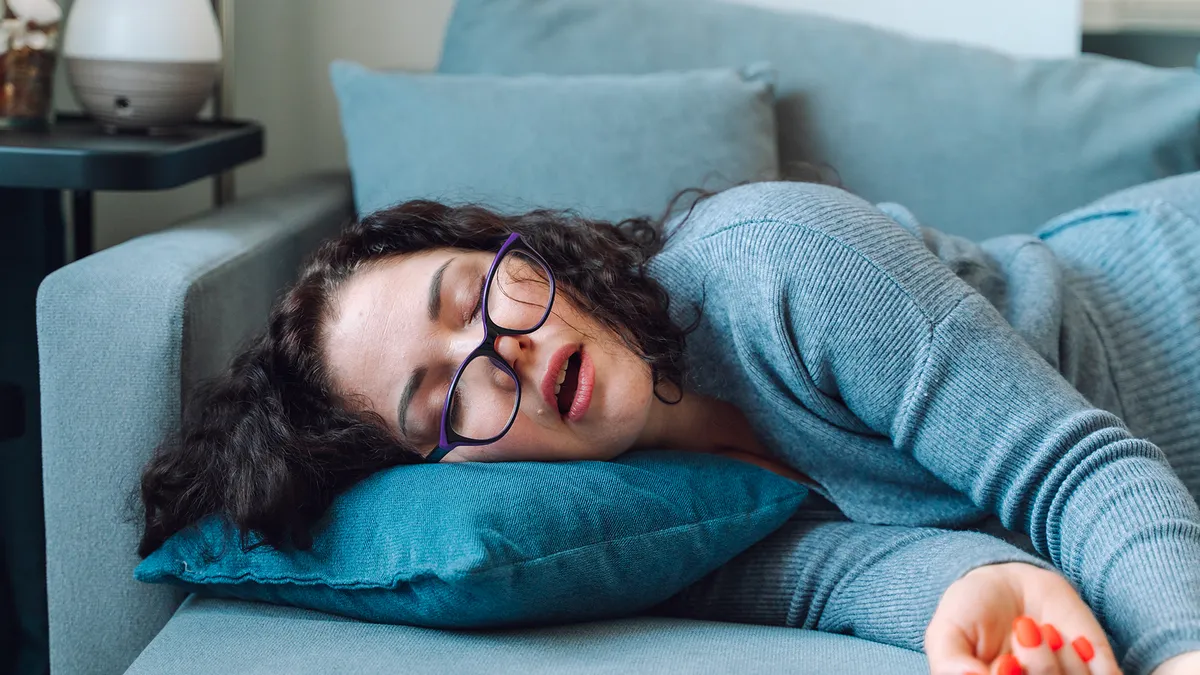
Just when you think you’ve settled into a new routine, Wakeman notes fluctuating estrogen levels can also disrupt REM sleep, leading to “an unpredictability in sleep from month to month.” Despite your best efforts, you might feel like you’re playing a game of ‘keep up’ with your eight hours.
As estrogen and progesterone levels decline during perimenopause and menopause, it disrupts the body’s natural sleep regulation
Dr. Andrea Matsumura
Another major change resulting from perimenopause is night sweats, meaning even though your 30s were characterized by cozy nights, you now wake up sweating most mornings. Dr. McAllister explains that "sudden surges of heat" can be the result of declining estrogen levels, as the hormone “supports our body’s ability to regulate temperature."
Women in their 40s might also find the racing thoughts of their 30s are increasing and accompanied by low moods, a phenomenon Dr. Matsumura explains can result from varying hormone levels. “These are known contributors to insomnia or disrupted sleep,” she adds.
She also warns that physical changes like snoring and restless legs can be caused by your changing hormones. You might find sleep in this decade is an entirely different beast to the problems you’ve dealt with previously, particularly as you edge closer to the menopause.
"I was waking up drenched at night"
Perimenopause typically occurs at age 47 but for some women, these hormonal changes start earlier. Camilla Sharman, Homes Writer at Tom's Guide, began experiencing menopause symptoms in her late 30s and early 40s.
“I was waking up drenched at night, but didn’t know what was causing it,” she explains. “After several trips to my GP and blood tests, I was diagnosed with an early perimenopause.”

Alongside night sweats, Sharman found her sleep routine disrupted by busy thoughts. “I found my mind racing, even after a busy, active day,” she says.
Now in her 50s, Sharman has found ways to limit the impact of menopause on her sleep. As well as HRT, she's adopted lifestyle changes to boost her sleep hygiene. “That means no caffeine in the evening, limiting my screen time, and ensuring I’ve had fresh air during the day,” she says. “Cotton nightwear and a light duvet also help keep me cool and limits those ghastly night sweats.”
How to sleep better in your 40s and fight back against anxiety and night sweats
As you enter perimenopause, you might find your previously reliable sleep hacks have stopped working and you’re left groggy, sleep deprived and looking for solutions:
- Keep a consistent sleep schedule: “Go to bed and wake up at the same time every day to help regulate your circadian rhythm, even when hormones are pulling you off track,” says Dr. Matsumura.
- Prioritize calm evenings: Perimenopause can cause or exacerbate anxiety and depression, both known sleep saboteurs. “Gentle yoga, deep breathing, or progressive muscle relaxation can help reduce nighttime anxiety,” says Dr. Matsumura.
- Create a sleep sanctuary: The Gender Sleep Gap partly results from hormone differences, but women often feel social, domestic and work pressures leave their sleep overlooked. “Avoid doom-scrolling or work emails at least an hour before sleep," says Dr. Matsumura, while Wakeman advises reserving your bedroom for sleep and intimacy.
- Choose your sheets wisely: “The sheets matter more than most give thought to, as temperature, moisture control, and tactile softness can add to a better night's rest,” says Dr. McAllister. She recommends breathable fabrics such as organic cotton and linen.
- Don’t let bad sleep catch you out: Dr. McAllister advises “proactively preparing your nighttime ecosystem as your body changes.” If you suspect you’re about to enter perimenopause, work on establishing good sleep hygiene and upgrading your sleep setup (even a new pair of cooler pajamas might help.)
How your sleep changes in your 50s
- Most women undergo the menopause during their 50s
- This brings major hormonal changes potentially resulting in disrupted sleep, night sweats and sleep apnea
- Postmenopause sleep disruptors include hot sleeping and joint pain
Menopause is a major hormonal change and as a result, you can expect some significant changes to your sleep. Menopause occurs following a decline in hormone production (typically natural but sometimes triggered via surgical intervention), with 51 the average age of menopause for women in the U.S.
Menopause is when monthly menstruation stops. A woman is considered to have reached menopause when she hasn't had a period in the last 12 months.
“The menopause transition creates a convergence of physiological changes and lifestyle stressors, making sleep disturbances extremely common,” says Dr. Matsumura, listing difficulty falling asleep, early morning waking, and less restorative sleep among common side effects.
“Hormonal fluctuations affect the areas of the brain that regulate sleep,” she explains. As a result, your usual sleep patterns have flown out the window. Dr. Matsumura adds that progesterone has “naturally calming and sleep-promoting properties" and as your body lowers production levels, your sleep suffers the burnt of it.
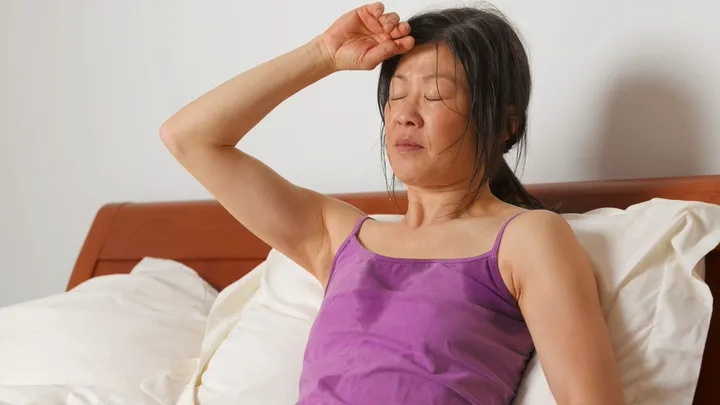
Meanwhile, you might find those night sweats from your 40s are hanging around — or even getting worse. “Lower estrogen increases the likelihood of hot flashes and night sweats,” explains Dr. Matsumura.
Additionally, Dr. Mastsumura notes that lower estrogen levels can result in “mood changes.” Women experiencing the menopause are at a higher risk for depression and, relatedly, insomnia symptoms are common factors in depression.
The menopause transition creates a convergence of physiological changes and lifestyle stressors, making sleep disturbances extremely common
Dr. Andrea Matsumura
Menopause also increases the risk factor for obstructive sleep apnea, as hormone changes make you susceptible to the collapsed airways behind apnea episodes. If your partner hasn’t pointed out your snoring, you might notice you’ve started to wake up with a dry mouth and brain fog — two common symptoms of sleep apnea.
While hormone issues are still at play postmenopause, women in this age bracket might also find themselves subject to the general sleep disruptions associated with aging. Fresh aches and pains start disrupting your morning and, as Wakeman notes, the menopause is associated with osteoporosis.
Postmenopausal women also report a higher tendency to sleep disruption than premenopausal women, with night sweats and hot flashes potentially lasting for many years following the menopause.
"I was exhausted. I couldn't function during the day and ‘sleeping’ was misery"
“Sleeping had never been a problem for me,” says Cathy Rust, founder of CoolYourSweats menopause sleepwear, “but then, a few months after my official day of menopause [in her mid-50s] I started getting night sweats.”
Cathy describes these hot nights as “mild” at first and predictable, but they gradually worsened and soon she was waking up “every few minutes” to throw her covers off and pull them back on. “I was exhausted." she says. "I couldn't function during the day and ‘sleeping’ was misery.”

To manage night sweats, she tried breathable bedding materials such as cotton and bamboo, but ended up taking the more extreme route of founding her own cooling nightwear company, CoolYourSweats.
Combating night sweats also required a few lifestyle changes, including switching alcohol for herbal tea before bed. “Wearing the nightgown, using better bed linens and avoiding certain triggers helped me get my sleep back,” Rust says.
How to sleep better in your 50s and fight back against hot flashes and joint pain
“During menopause, sleep is less about passive recovery and more about active regulation of the 'internal pharmacy' of the body,” says Dr. McAllister, author of Adjusted Reality. “Our ‘internal pharmacy’ is impacted if we do not have proper sleep hygiene. For women that are facing menopause, this is of particular importance.”
So good sleep is important to maintaining comfort during the menopause but sleeping while menopausal can feel like an uphill battle.
However, we’ve never been better placed to cope with the sleep rollercoaster that is the menopause:
- Adjust your sleep position: “The best sleeping position is on your side as it promotes the ‘rest and digest’ side of our parasympathetic nervous system. It also aids in keeping our spine supported and reduces the heat retention that can wake us up at night,” says Dr. McAllister. It’s also the best position for limiting sleep apnea.
- Cool Down Your Environment: “Lower your bedroom temperature to around 60–67°F,” says Dr. Matsumura. “Use moisture-wicking sheets and consider a fan or cooling mattress pad to reduce night sweats.”
- Keep to a sleep schedule: As your body goes through big changes, emphasizing consistency can help you maintain better sleep quality. “Stick to a consistent bedtime and wake time even on weekends,” says Dr. Matsumura. “This helps train your body’s internal clock and improves sleep efficiency.”
- Limit wine and caffeine: While a glass of wine might be all you want after a long day of unpredictable hormones, Dr. Matsumura warns alcohol “disrupts deeper stages of sleep later in the night.” She also recommends steering clear of caffeine, especially in the afternoon, as it “can worsen insomnia symptoms.”
- Use supplements to manage symptoms: Dr. Matsumura advises sorting your sleep hygiene before turning to supplements but recommends melatonin, magnesium and L-theanine. Wakeman notes that “botanical sources of estrogen known as phytoestrogens” can also help reduce night sweats.
- Support your joints: Back sleeping and side sleeping can both help reduce pressure build up at the joints. “Slightly bend your knees, use a small pillow between your knees and gently hug a pillow to stop you from rolling onto your stomach,” Dr McAllister advises.
- Control stress: Yes, easier said than done but Wakeman notes controlling outside stressors can help offset the impact of biological stressors. As well as calming supplements, he recommends “addressing any nutrient deficiencies” (and fruit and vegetables can help you sleep.)
- Educate yourself: “An understanding of hormones and the part they play in menopause explains why sleep is so critical during this transition time,” says Dr. McAllister. Familiarizing yourself with the typical impact of menopause can help you prepare for sleep changes — and everything that comes after.
When to speak to a doctor about changes to your sleep
Hormone changes are an inevitable, and lifelong, occurrence for biological women and inevitably they will impact your sleep. While not always easy to manage — as anyone who has experienced a hot flash will warn you — ongoing research into women’s health means we’re consistently finding new ways to help you sleep better at any age.
This includes cooling fabrics, comfortable bedrooms and education around sleep hygiene. However, in some situations, we recommend seeking support from a doctor.

Wakeman, a pharmacist, advises consulting a healthcare professional if you’ve been experiencing sleep problems for three months, you’re sleeping less than six hours most nights, or waking early (3am-5am) and unable to fall back to sleep.
He also recommends speaking to a doctor if sleep issues are interfering with your memory, safety or mood, including worsening anxiety of depression, as well as for physical symptoms such as joint pain after menopause, an urge to move at night, and frequent night sweats.
How to optimize your bedroom for better sleep, whatever your age
Taking control of your bedroom environment supports consistently healthy sleep. We recommend an optimal bedroom temperature of 65 to 70°F (or 68 to 77°F for older adults) year-round, while dim lights before bed and a dark room indicate to your internal clock that it’s time to sleep.
Quiet is also necessary to minimize sleep disruptions but not always easy to achieve. A pair of sleep ear buds can block out external noise, while white noise machines can potentially mask even loud sounds.

We recommend replacing your mattress roughly every seven years, to prevent sagging and ensure you have the best mattress for your current needs. Dr. McAllister recommends a medium firmness mattress, for the right combination of muscle support and comfort. “The key to choosing the right mattress is to avoid one that causes you to sink, as this adds pressure to your pelvis and can irritate both your hips and lower back,” advised Dr. McAllister, on creating an optimal bedroom environment aged 65+.
Dr. McAllister also recommends paying close attention to your pillow, as the best pillow for you will prevent neck strain. “Whichever type of pillow you choose, opt for a cooling cover that will help regulate temperature and have some contour, especially if sleeping on your side.”
Meet the experts

Dr. Andrea Matsumura – also known as Sleep Goddess MD – is a nationally recognized sleep and menopause expert, board-certified in both Internal and Sleep Medicine. As the creator of the D.R.E.A.M. Sleep Method™ and the Sleep Goddess Archetype™, she’s redefining how women understand and optimize their natural rhythms for better sleep and long-term health.

Mike Wakeman is a healthcare business consultant, author of the book-Medicated Malnourishment and the brains behind Evera Nutrition — a range of science backed supplements including vitamins, minerals, botanicals and herbals. A pharmacist, with master’s degrees in pharmaceutical analysis, nutritional medicine, clinical oncology, and healthcare management, he has just completed a Professional Doctorate examining the effects of medications on micronutrient status from which my book Medicated Malnourishment is the outcome.

Sherry McAllister, DC, M.S. (Ed) CCSP, serves as the President for the Foundation for Chiropractic Progress, the national not-for-profit organization creating positive press for Chiropractic. Dr. McAllister earned her Masters in Education from the University of California East Bay and is a graduate of Palmer College of Chiropractic West, where she served as an Associate Professor. Dr. McAllister has served as a Qualified Medical Examiner, Expert Chiropractic Witness for the State of California, and has been in private practice in San Jose since 1996.