We all have a natural 24-hour body clock that wakes us up in the morning and makes us feel sleepy at night. Basically, it makes sure that we're following the correct sleep-wake cycle so we can get enough rest and feel energized during the day.
However, this internal clock (also known as a circadian rhythm) can sometimes experience 'glitches'. Modern life can disrupt circadian rhythm, throwing our sleep-wake cycles out of whack, making it harder to fall asleep and wake up feeling refreshed.
The good news is that sleep experts have shared some simple sleep hacks to get your circadian rhythm back on track. From dimming the lights to eating a hearty breakfast, here are the five quick and easy cues to send to your body clock for a better sleep schedule...
Key take-aways: At a glance
- Trigger your cortisol response after waking: An early morning walk triggers a strategic cortisol spike that gets rid of your morning grogginess (sleep inertia) and kick-starts a natural countdown for your brain to release melatonin (the hormone that regulates your sleep-wake cycle) at the right time in the evening.
- Use amber lights at night: To fall asleep faster, swap harsh, blue-ish white LED lights for warm, amber-toned lamps or even LED candles an hour before bed. This protects your brain’s natural transition to sleep mode and won't interfere with melatonin production, so you'll fall asleep quickly.
- Lower your core temperature before bed: Having a warm bath or shower an hour before bed pulls heat away from your core to your hands and feet. This rapid drop in internal temperature acts as a strong signal to your brain that it's time to sleep, so you fall asleep fast once in bed.
- Weekend consistency: Maintaining your sleep-wake window on the weekends prevents social jetlag, a state of circadian misalignment that makes Monday mornings as though you’ve flown across multiple time zones. Ouch!
- Follow the 7:1 Sleep Rule: New research involving 47 million nights of sleep shows that sleeping for seven hours or more, and waking up within the same one-hour window every day, is not only helps you fall asleep fast and wake up feeling more energized, it could increase life expectancy by up to four years.
5 simple 'body clock hacks' that help you fall asleep fast and wake up with more energy
1. Maintain a consistent sleep schedule
Recently, a study discovered that sleeping for seven hours a night boosts longevity when paired with a consistent sleep schedule.
The findings, dubbed the 7:1 sleep rule, found that going to bed within a one-hour window and waking up within a one-hour window for five days a week promotes a healthy sleep-wake cycle.
"Keeping a consistent bedtime trains your internal clock," explains Dr Deborah Lee, a GP and resident sleep expert at Doctor Fox Online Pharmacy.
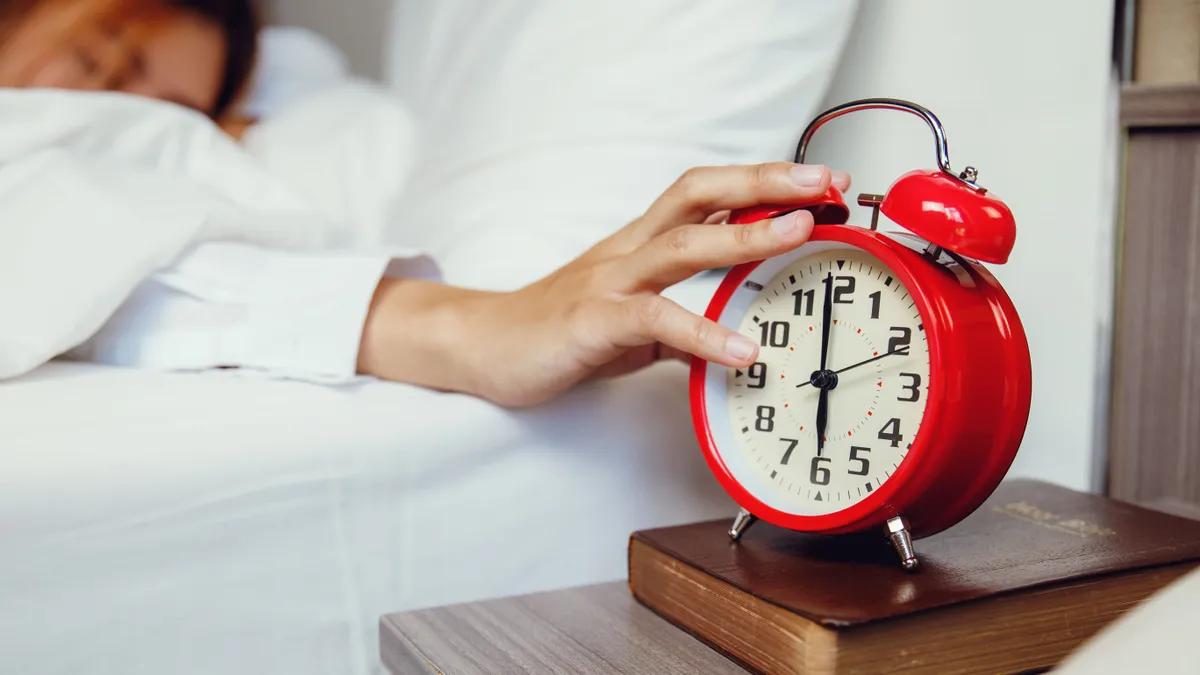
A consistent sleep schedule may also help kick revenge bedtime procrastination and doom-scrolling.
"When your body expects sleep at a certain time, it becomes easier to step away from screens without feeling like you’re missing out,” says Dr Lee.
Dr Wu also agrees that going to bed and waking up within a one-hour window is "good universal advice".
"Keeping your sleep-wake timing within about an hour's wiggle room throughout the week, such as a 7 a.m. rise time on weekdays and 8 a.m. rise time on weekends, is a safe bet for most adults," the board-certified sleep doctor explains.
2. Cool your bedroom an hour before sleep

Research has found that a cooler temperature (usually under 70 °F or 21 °C) is optimal for sleep, while higher temperatures can make it tougher to fall asleep.
Try the lüften sleep hack of opening your bedroom windows at night. In hot weather, you may need to use a fan, and try temperature-regulating products such as a cooling mattress.
"Breathable, hypoallergenic fabrics like cotton, bamboo, or linen can also help regulate temperature, and pillows designed for cooling can make a big difference, too," says Joshua Piper, Sleep Clinician at ResMed.
A warm shower or bath at night can also lower your body temperature. Piper explains: "When you step out of warm water, your body temperature naturally drops, which signals to your brain that it’s time to rest.
"This cooling effect mimics the body's natural temperature dip that happens before sleep, making it easier to fall asleep faster."
4. Exercise in the day, relax at night

Rigorous exercise within four hours before bed has been proven to cause insomnia, but less intense exercise, such as yoga, has been shown to improve sleep duration, quality, and the time it takes to fall asleep (known as sleep latency).
It's not just a relaxing exercise routine that has been shown to boost melatonin, any activity that reduces stress has been found to help melatonin production, too.
"Developing calming rituals before bedtime, such as cosying up with a good book, stretching or practicing some relaxation exercises to tell your body it's time to wind down are extremely beneficial," she
She also recommends adding science-backed calming techniques to your routine, such as mindfulness and sleep hypnosis practices.
5. Eat a big breakfast and a light dinner
Studies says that diet is an important external cue for your body clock, with intermittent fasting or front-loading calories (for instance, eating a big breakfast and a lighter evening meal) has been proven can help regulate your circadian rhythm.
Research tells us that eating heavy meals close to bed can have the opposite effect, making it harder to fall asleep.
"This makes it harder to fall asleep at your scheduled time, with fatty and spicy foods being the big ones to avoid," warns Piper.

Instead, keep evening snacks light and nutritious, particularly nuts that include melatonin-promoting tryptophan and magnesium.
"It doesn't mean you have to starve; a small portion of nuts such as walnuts or almonds (perhaps not peanuts) are unlikely to disrupt the sleep signals," he shares.
5. Use bright lights in the day, dim lights at night

A large body of research has shown that the human body clock pretty much hinges on light cues, with light increasing cortisol (an energizing hormone) and supressing melatonin (the sleep-inducing hormone).
"Light is one of the biggest factors influencing your sleep-wake cycle," says Joshua Piper, a sleep clinician at ResMed.
Research shows that getting enough light in the morning is a crucial signal to your circadian rhythm that it's daytime, which in turn helps us feel alert.
And evidence shows that this morning light exposure also helps regulate the production of melatonin (which is secreted in response to darkness) and can improve sleep quality at night.
The best way to get that body clock-regulating light? Go for a morning walk.

"Getting out of bed, moving, and getting light earlier in the day helps regulate your circadian rhythm, making late-night binge-watching less tempting as your body naturally winds down and seeks to stick to your routine," says board-certified sleep psychologist and Mattress Firm sleep advisor Dr. Jade Wu.
However, research has shown that melatonin production, which naturally occurs as it gets darker, can be supressed by artificial light.
One study found that when compared to dim light conditions, "exposure to room light before bedtime suppressed melatonin, resulting in a later melatonin onset in 99.0% of individuals."
"Bright or artificial light in the evening, especially from screens, can trick your brain into thinking it’s still daytime," Piper warns.

Blue light pollution and sleep
Indeed, research shows that blue light from screens delays melatonin production (though there's also evidence that the impact of blue light on sleep onset is fairly minimal).
The good news is that Piper says there are ways you can stop artificial light from keeping you awake at night. Eye masks have been proven to block out light while trying to fall asleep, and you can also take steps to control how much light you're exposing yourself to.
"To counter too much light exposure, dimming the lights in the evening, using warm-coloured bulbs, and avoiding screens at least an hour before bed can help," advises the sleep clinician.
What habits disrupt your sleep-wake cycle?
Many modern habits (usually brought about by work schedules) can throw your sleep-wake cycle off course.
One habit that can make it harder to fall asleep is caffeine consumption (from food and drink such as coffee, soda, green tea, and dark chocolate) later in the day. However, Iordache warns of sleep-disrupting alcohol.
"Caffeine is a well-known stimulant, but alcohol can also interfere with sleep by disrupting your sleep cycles," she warns.
Instead, the sleep therapist suggests ditching caffeine and alcohol for one of the best herbal teas for sleep.
Checking social media before bed is another habit that can capsize your circadian rhythm, and not just because of your phone screen's blue light.
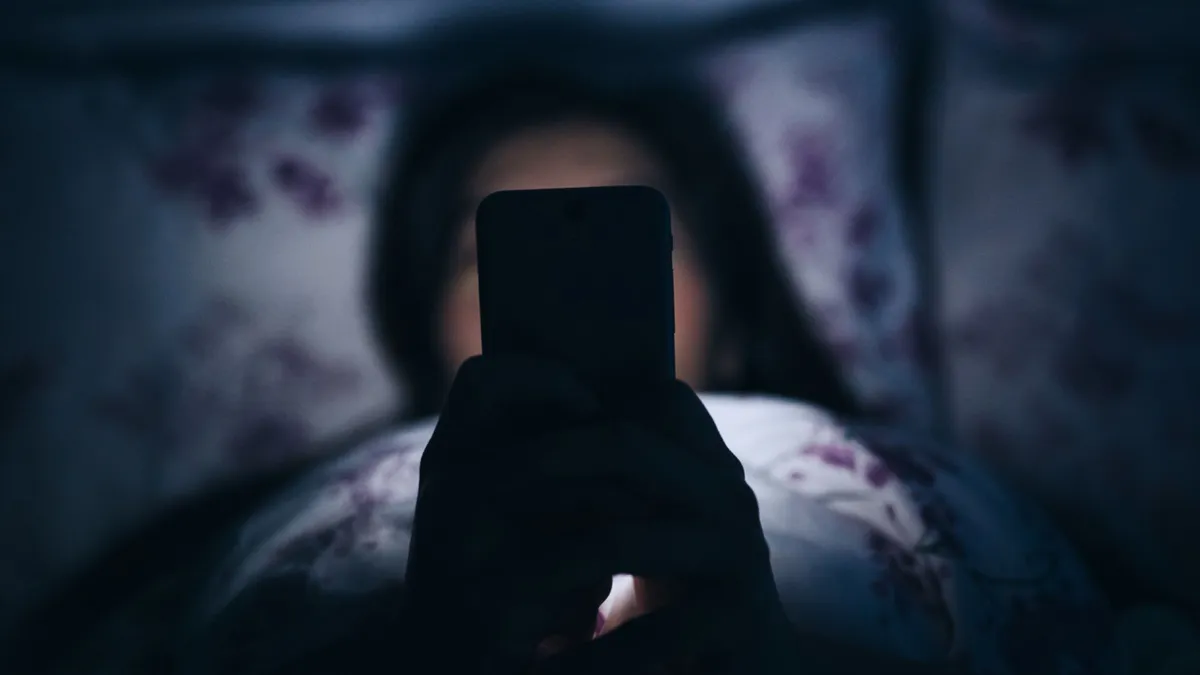
"Beyond just the light exposure, scrolling through your phone before bed can keep your brain wired and alert because it mimics activities we do throughout the day, such as reacting to content and processing information quickly" says Piper.
To break your doom-scrolling habit, Dr Lee recommends setting yourself a screen curfew.
"Rather than relying on willpower alone, set a cut-off time for screens, using app limits, or charging your phone outside the bedroom so it’s not the last thing you see at night," the sleep expert suggest.
3 sleep products that help regulate your body clock