My sleep habits used to erratic at best and I often found myself struggling to fall asleep and waking up at 3 a.m.

Another big perk of the job has been the opportunity to test some of the best mattresses you can buy — a real winner for my sleep
When I became a sleep writer I learned about the 10-3-2-1-0 method and a few things became clear. Primarily, while I might have a decent wind-down routine, my daytime activities weren't setting me up for good sleep at all.
As part of my job I've been lucky enough to speak to a variety of sleep experts who have helped me build a daily routine that supports my sleep — including cutting some post-lunch habits that were sabotaging my rest and switching to sleep-friendly alternatives.
Below, I'm sharing what I've learned and how to incorporate good sleep hygiene habits into your own routine and beat 3 a.m. wake ups.
5 things to avoid doing after midday for better sleep
The 10-3-2-1-0 sleep method suggests a series of habits to reschedule your day around sleep — without sacrificing your hours awake. I've adapted it for my own usage and here are my main takeaways...
1. Taking long naps
Napping is a tricky balance. Get it right and you can give yourself a boost of energy to push through the day. Get it wrong and you’ll ruin your sleep that night, making you even more tired the next day.
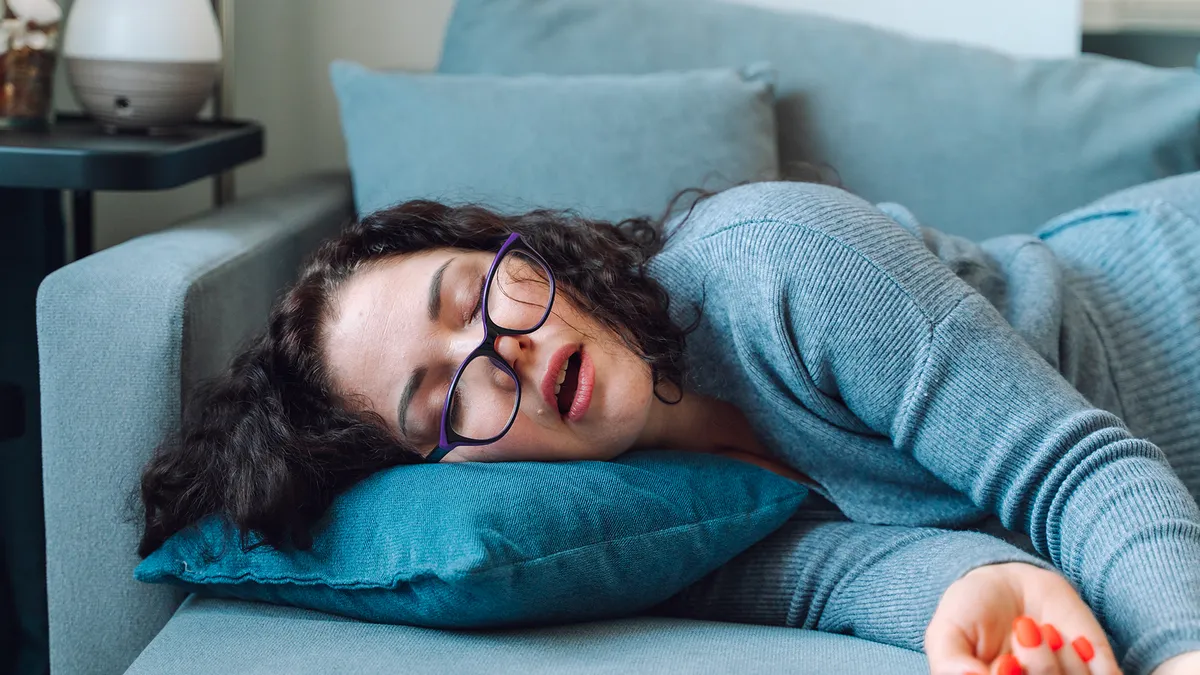
The best naps come before lunch and last for around 20 minutes (although you might sneak in a longer nap if you’re feeling particularly tired.)
After lunch, you want to keep naps short and sweet. Post 3 p.m., avoid napping entirely.
"Napping too late in the afternoon can interfere with your nighttime sleep,” explained sleep doctor Dr. Lindsay Browning when we asked her about napping.
This is because napping can disrupt your circadian rhythm. Your body has already slept, so it’s less compelled to rest at bed time. You might find it takes you a long time to drift off and you’re more likely to wake up in the night.
2. Heavy caffeine consumption
Caffeine can spend a surprisingly long time in your system, with a typical half-life of around five to six hours.
For those who are particularly sensitive, however, you might still feel the impact of caffeine up to 12 hours after consuming it. That means your post-lunch latte is why your head is buzzing at 11 p.m.

I do, admittedly, enjoy a mug of green tea in the afternoon but I keep my coffee drinking prior to midday.
"Caffeine’s stimulatory effects can significantly delay your ability to fall asleep," explained Dr Leah Kaylor, psychologist and sleep expert, when speaking to us about surprising sources of caffeine.
But she also noted it's not just coffee you need to avoid.
"Caffeine is truly insidious," she advised. "It has a way of creeping into your daily diet from places you might never expect."
3. Eating big meals
Digesting food is essentially putting your body to work. So eating a big meal before bed is like your boss giving you one last task right when you're about to clock off.
"Large meals increase core body temperature and activate digestion — both of which can delay sleep onset and lead to more nighttime awakenings," said Dr. Kaylor when discussing the eating habits that keep you up.

It can also lead to acid reflux, heart burn and indigestion. That's more bad news for your sleep.
I've always enjoyed a late evening meal but I began to notice it leaves my sleep fragmented at the start of the night.
Now, I aim for a lighter dinner and finish eating at least three hours before bed, to put my digestion to rest.
4. Vigorous exercise
Keeping active is, overall, a good thing for your sleep and if you want to improve your sleep schedule, getting up and around is a good start.
However, exercising too close to bedtime can keep you awake.
“Finishing intense physical activity at least 3-4 hours before bedtime is a good idea," said Dr. Randall Turner, Medical Director at Able to Change Recovery, when speaking to us about exercising for sleep.

"This gives your body time to recover, allowing your heart rate and core temperature to return to baseline."
When I find myself with ants in my pants in the evening, I now opt for some gentle stretching. It gets me moving without putting my body into 'awake' mode.
5. Focusing on stressful situations
Find yourself waking up at 3 a.m. with a racing heart and a brain that won't shut up? It's probably because stress is interfering with your sleep.
To avoid this, I stop working at 1 p.m. on the dot... kidding, of course.
But I do make sure to put work down at the end of the day. No more sneaky email checks and if I find myself ruminating on something in the evening, I write it down along with a potential solution to deal with tomorrow.
3 sleep-healthy habits I've taken up instead
While cutting out bad habits is a good first step, if I don't replace them with better things I know I'll slide back into old routines. So here are the sleep-healthy favorites I've picked up instead.
1. An evening stroll
An evening stroll has become a must-do part of my weekday routine because it accomplishes two things.
First, research shows that spending time outdoors in nature helps lower cortisol levels (aka the stress hormone), as can exercise.

Second, it gives me a definite ending to the day. When I have a must-do walk waiting for me, I can't spend too long at my desk past my log off time.
These factors combined help me shed lingering stress and anxiety, prepping my body for sleep.
2. Food and drink switches
What I'm about to say might sound like I'm delirious from a lack of caffeine but there really is a coffee that can help you sleep. In the evening I enjoy a mug of MoonBrew (from $48 at Amazon) which tastes like you're having a coffee without the buzz.
Other good alternatives are fruit and herbal teas.
I was also surprised to learn just how many foods are bad for your sleep and it's influenced my evening snacking choices. That means seeds and bananas, rather than cookies and chocolate.
3. Constructive Worry Method
I touched on this above but the Constructive Worry Method is a sleep-healthy habit for those of us who struggle to put anxious thoughts to bed.

In the early evening or late afternoon, spend roughly 15 minutes writing down the things that are worrying you alongside some potential solutions.
If you find the worries return when you get into bed, simply refer to the list and remember you have a plan in place.

Follow Tom's Guide on Google News and add us as a preferred source to get our up-to-date news, analysis, and reviews in your feeds.