







While we recognize the changes outdoors with the coming of spring, sometimes we forget that those changes register indoors as well.
With longer and more intense exposure to sunlight, indoor plants begin to "wake up" and resume growing. If this shift comes too suddenly, plants can suffer stress and exhibit wilted, crisp-edged, and faded foliage.
The key is making gradual adjustments to watering, light exposure, nutrients, and pot size rather than dramatic changes all at once. Plants that spent winter in semi-dormancy need time to adapt as growing conditions shift.
Here are five straightforward changes to take care of your plants in the new season.
1. Gradually increase water
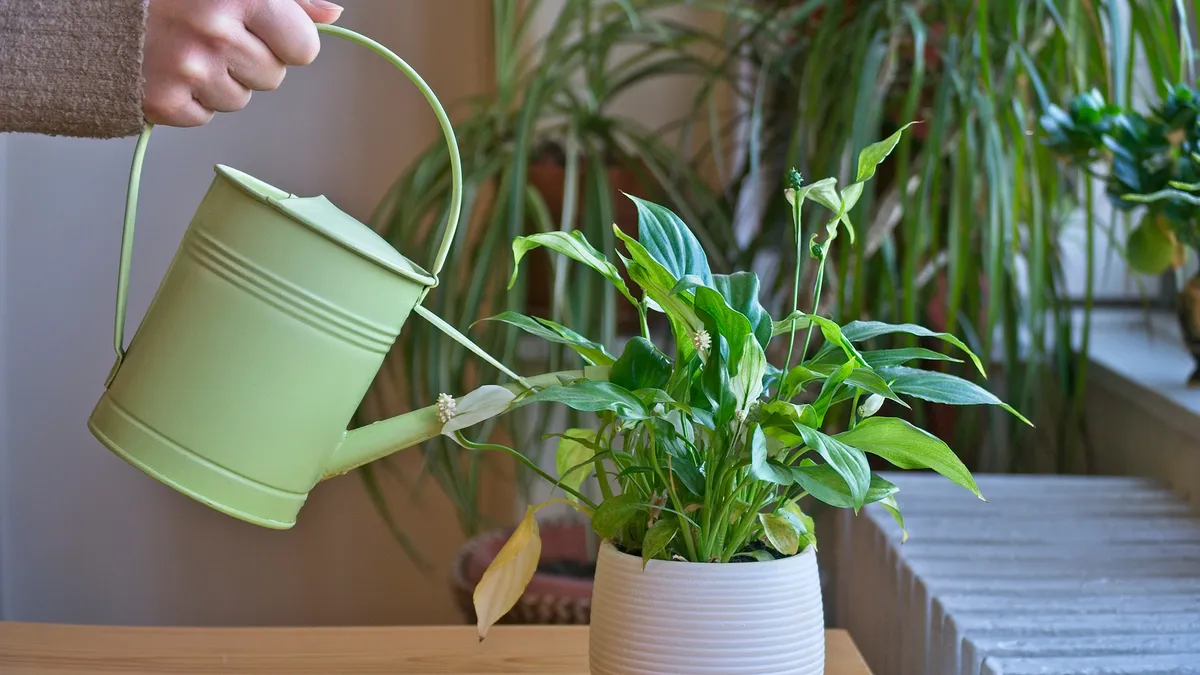
With longer, warmer days, plants need more water, but don't try to give them all of it at once. Check regularly whether the top inch or so of the soil is dry to decide whether to add water instead of keeping to a specific schedule.
Regular checks will help you gauge more carefully what your different plants need. Stick your finger into the soil — if it feels dry an inch down, water thoroughly. Different plants in different locations dry out at different rates, so schedule-based watering becomes less reliable as seasonal conditions change.
2. Move sensitive plants out of direct sunlight

Winter sun tends to be quite gentle, while the spring sun grows more intense. Move sensitive plants away from south and west facing windows to avoid parched or faded leaves, and rotate hardier plants to balance their light intake.
Plants that tolerated direct winter sunlight may get scorched by the same window exposure in spring. If you notice leaves bleaching or developing brown crispy edges, move the plant a few feet back from the window or to a location with less intense light.
3. Repot overgrown plants

If you can see the roots of a plant at the surface or at drainage holes, that means it's time to go up a size and allow room for new seasonal growth. Don't go for a much larger pot, though, or you'll risk overwatering.
Choose a pot only 1-2 inches larger in diameter than the current one. Spring is the ideal time to repot because plants are entering their active growth phase and recover quickly from the disturbance.
4. Add fertilizer to support growth

With new growth plants need more nutrients. Add to the soil a diluted fertilizer a little at a time to make the change gradual and more manageable for the plant—as with water, little by little is the best policy.
Use half the strength recommended on the fertilizer package and apply it every two weeks rather than full strength monthly. This prevents fertilizer burn while giving plants the nutrients they need for spring growth.
5. Dust your plants

Dust often accumulates on plants as a result of winter heating. That dust can clog pores and stop photosynthesis. Gently cleaning plants with a damp cloth can also help you check for pests, too.
Wipe both the top and underside of leaves, since pests like spider mites often hide on undersides where they're less visible. This simple maintenance step improves both plant health and appearance as spring growth begins.

Follow Tom's Guide on Google News and add us as a preferred source to get our up-to-date news, analysis, and reviews in your feeds. Make sure to click the Follow button!
