When we talk about how to sleep better, we usually focus on our nighttime routine.
Limiting screen use or drinking herbal tea are popular evening habits to fall asleep fast but what you do during the day also impacts your sleep — even what you get up to in the morning has an effect.
Believe it or not, what you do at 7 a.m. can influence how you sleep at 10 p.m. In fact, there's one particular activity that I do every morning that I'm convinced helps me sleep better. And the good news is that experts agree.
So, how do I avoid 3 a.m. wake ups? It's all to do with what happens when my alarm goes off. Here's the simple five-minute morning hack you can try today for better sleep from tonight.
The habit you should do every morning for better sleep
The morning activity I make sure to do every day after sunrise is go for a short walk in the morning light for at least five minutes.
Yep, it's that simple. No jogging, no running, no expensive product. Just a quick stroll around the block.
I started my morning strolls when I began working from home three times a week and wanted to get a dose of fresh air and sunlight before sitting in front of the computer for the next eight hours.
The daily walk also gave me a chance to check out the neighborhood I had moved into, including its coffee shops and parks.
This little habit gradually became a morning non-negotiable. I knew the effect staying in all day can have on your sleep but I never knew that a quick burst of morning sunshine could improve sleep so much.

Instead of having a hard time falling asleep or staying asleep, I now sleep through the night and fall asleep within 20 minutes of going to bed.
But is the connection all in my head? According to Denise Iordache, sleep therapist and founder of JoySpace Therapy, it's definitely not.
"Consistency improves the ability to fall asleep quickly and wake up feeling refreshed," says the sleep expert. "Regular exposure to sunlight, especially in the morning, helps regulate your body’s sleep-wake cycle."
The great thing is that, according to Banner Health, spending just 5 to 15 minutes in natural light within 30 to 60 minutes of waking up can improve your sleep.
Why is light exposure in the morning so important for sleep?
We briefly touched on how daily morning walks can boost your circadian rhythm, but how? And why does it matter?
"Routine in general is hugely important for your brain and body," says Joshua Piper, sleep clinician at ResMed. "Your brain and body learns when you need to wind down and when you need to wake."

One of the best routines to help your body learn when wake-up time and bedtime should be is a walk in morning sunlight.
"Being able to wake at the same time every morning, and get exposure to sunlight, is the best reset for your body clock," Piper says.
"Light is something we refer to as a zeitgeber (time giver)," he continues. "It helps to set your master internal clock (your suprachiasmatic nucleus) for the day…which then makes going to bed much easier too!"
What does this mean for longevity? Research suggests regularly getting seven hours of sleep on a consistent schedule can add up to four years to your lifespan. Five minutes in the morning might add more minutes to your sleep — and even some years to your life.
What other ways can you regulate your circadian rhythm?
Of course, there are ways to regulate your circadian rhythm other than morning perambulating.
"Your circadian rhythm isn’t governed by light alone. Food intake is also a strong biological time cue," Piper tells me. "Eating heavy meals late in the day can shift your internal clock, signaling to your body that it should remain alert and in 'digest mode' rather than preparing for rest."
Instead, the sleep clinician recommends keeping to light snacks closer to bed if you're still hungry after dinner, such as a small portion of melatonin-boosting and magnesium-containing walnuts and almonds.
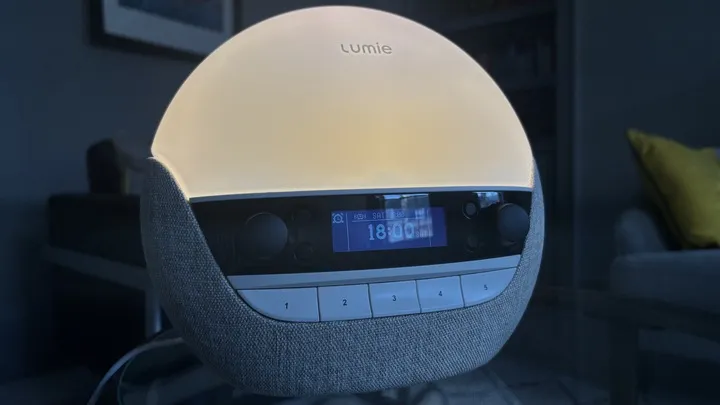
Dr. Jade Wu, board-certified sleep psychologist and Mattress Firm sleep advisor, also recommends investing in products that reinforce strong sleep and wake-up cues, such as sleeping on the best mattress at night and using one of the best sunrise alarm clocks in the morning.
"A comfortable, cooling mattress and pillow can help make bedtime genuinely appealing, while a sleep mask helps signal darkness and shut out light stimulation," Dr. Wu suggests.
"On the flip side, a bright lightbox for use in the mornings can help regulate your circadian rhythm, which naturally helps you sleep better and can potentially reduce the urge to stay up late."
My tips for making a morning walk an everyday habit

If you dread the though of going for a trek within an hour of waking up, here are my top tips for making it easier.
- Pick a route you like: Choose a street, path, or neighborhood that's familiar, not too far away, and (most importantly) feels safe.
- Customize the length of your walk (but make sure it's at least 5-minutes long): Five to 15 minutes is all it takes to get your morning dose of sunshine. You can even pick a destination that take two-and-a-half minutes to get to and two-and-a-half minutes to get back.
- Use your walk for multitasking: Feel like a stroll is cutting into your busy morning? Use it to perform other task simultaneously. For instance, if you were planning on picking up some floss from the store after work, use your morning walk to pick it up then. Or have your morning coffee. Or brainstorm ideas for your upcoming meeting.

Follow Tom's Guide on Google News and add us as a preferred source to get our up-to-date news, analysis, and reviews in your feeds.