If you've noticed your hayfever is already getting out of control, it's probably because the tree pollen bomb has arrived; spring's 'gift' to pollen allergy sufferers.
Unfortunately, allergies can seriously disrupt sleep, because they cause the likes of nasal congestion, coughing, itching and snoring, which in turn, can prevent you from falling asleep, staying asleep and getting good quality rest.
However, pollen-proofing your bedroom (including with the best mattress and a top-rated pillow suited for those with allergies) can reduce how much allergies affect your duration and quality of sleep. In this feature we explain how to do it, plus the hypoallergenic sleep products we’ve tried and recommend.
Key takeaways: At a glance
- Keep your windows shut in the day when pollen counts are highest, then 'burb' your bedroom at night by opening the windows. Even just 10 minutes fresh air a night will reduce the amount of harmful particles in the air.
- Remove your outdoor clothes and shoes in your bathroom to avoid trampling pollen through your bedroom, where it can trigger flare-ups during the night.
- Shower as soon as you come home, or at least before getting ready for bed, to avoid transferring pollen to your pillows, mattress and bedding.
- Vacuum your mattress and pillows every week to reduce a pollen and dust mite 'allergen bomb'. Ideally clean using a HEPA filter vacuum.
- Don't dry bedding outdoors or air your mattress outside – they're pollen magnets and only a hot wash or steam clean will get rid of the pollen they attract.
How to pollen-proof your bedroom
1. Keep your windows closed during the day

It's tempting to keep your windows open in spring as the weather warms up. But beware that "open windows let pollen straight in," as Dr. Tim Mercer, NHS physician at Opera Beds told us.
Opening windows for just 10 minutes a day can still improve indoor air quality and reduce exposure to allergens
Dr. Stephanie Kayode
And don't forget that pollen counts are typically highest in early evenings on sunny days and early morning, which is probably exactly when you want to fling them open.
Instead, keep your windows closed during the day and try 'bedroom burping' at night when the pollen count is lower. So what exactly does 'bedroom burping' entail?
It's the practice of shock ventilation, where you open your windows for a brief period of around 5-10 minutes to allow fresh air in, and getting rid of stale air at the same time.
Not only will you get some clean outdoor air inside, Dr. Stephanie Kayode previously told us that 'bedroom burping' can help to reduce allergens including pollen.
"Opening windows for just 10 minutes a day can still improve indoor air quality and reduce exposure to harmful allergens and indoor air pollutants," she explained.
2. Leave your outdoor clothes in the bathroom
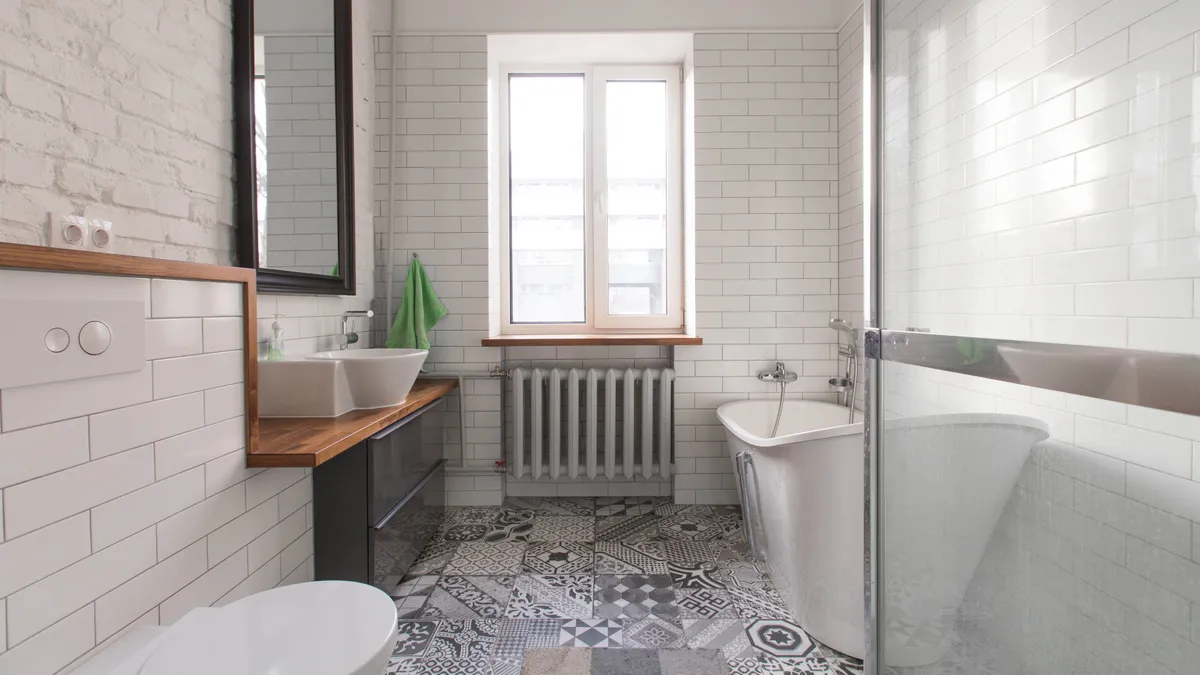
To avoid bringing pollen into where you sleep, and risking allergy symptoms that can interrupt your sleep, take your outdoor clothes and shoes off outside your bedroom.
One study even estimated that on peak pollen days a large t-shirt (of 5,000cm2) could trap as much as 7,000,000 pollen grains.
Nutritionist Alison Cullen, education manager for avogel.co.uk advises: "Take off your shoes before re-entering the house and don’t bring them inside.
"Therefore, if you’ve picked up any pollen on your soles whilst out, you won’t then tread it around the house and worsen your symptoms."
If you don't already take your shoes off at the door, make sure you at least remove them, and all your other clothes in the bathroom.
Certainly don't remove either in the bedroom. Research has shown that "clothing constitutes an important route for carrying allergenic pollen into houses," and one study estimated that on peak pollen days a large t-shirt (of 5,000cm2) could trap as much as 7,000,000 pollen grains.
Although that same study found that washing fabrics removed 99.9% of the pollen, Allergy UK warns that pollen is "virtually indestructible unless wet" and that it will stay on your clothes and continue to trigger allergy symptoms.
3. Shower as soon as you come home
We've established that pollen can attach to your clothes, but it also clings to your skin and hair, which not only means you're risking exacerbated allergy symptoms during the night, but also that you can transfer it to your bedding.
Showering as soon as you come home is the best way to get rid of pollen. "You can shower before bed to wash off pollen, stopping it from transferring to your pillow," Dr. Mercer advised.

But if that's not realistic, at the very least shower 90 minutes before you go to bed.
Why? Well, you'll be removing pollen but also, according to expert advice, this 90-minute window is ideal for helping you fall asleep faster.
You can shower before bed to wash off pollen, stopping it from transferring to your pillow
Dr. Tim Mercer
"Taking a hot bath or shower around 90 minutes before bed triggers a rapid drop in core temperature afterwards — mimicking the body’s natural sleep signals," Sam Sadighi, sleep expert at GetLaidBeds told us.
Ideally, you should also wash your hair every night to get rid of any pollen that's attached itself there, but if that's not realistic, trichologist Mark Blake recommends a nifty hack, blow drying your hair on a cool setting before bed. See his advice in the video below:
4. Vacuum your mattress and pillows regularly
Vacuuming your mattress regularly is essential to keep it clean and prolong its lifespan, but during pollen season, a weekly vacuum can make all the difference to your sleep.
Your mattress can already harbor dust mites and other allergens which, mixed when any pollen that comes into your bedroom on clothing or through an open window, can cause a ‘hayfever bomb’.
Essentially, a combination of triggers for hayfever symptoms that can stop you getting to sleep and cause nighttime awakenings.
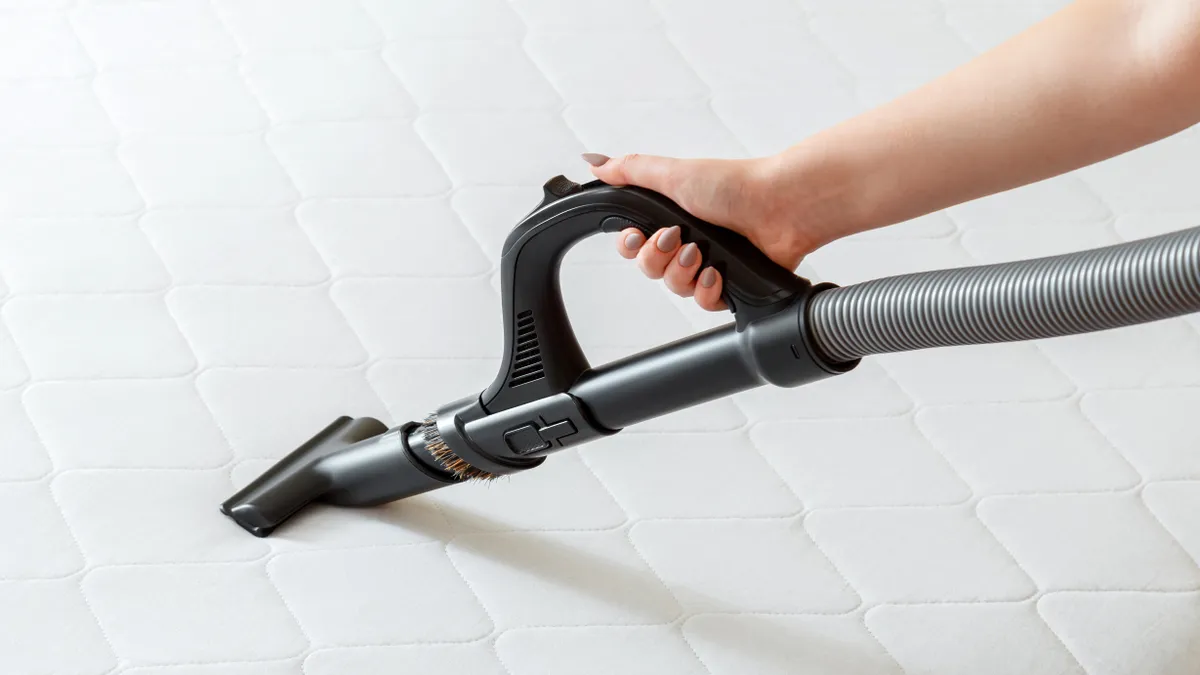
Ideally, use a vacuum with a HEPA (high-efficiency particulate air) filter, as they're effective for trapping allergens, and use an upholstery attachment.
Make sure you're getting into the seams, around the headboard and corners of the bed and ideally run the vacuum twice over the full surface of the mattress.
If you do have the time, one study found that daily vacuuming of mattresses was shown to reduce allergic rhinitis (or hayfever) symptoms in children.
To rid your pillows of dust mites as well as pollen and other allergens, you may be able to wash them in your machine (always follow manufacturers instructions), but if you have a memory foam or latex pillow, thoroughly vacuum each side and into the seams with the upholstery attachment, and then spot clean.
5. Don’t air dry your bedding or mattress outdoors
Regularly washing bedding is essential during pollen season, Dr. Hussain Ahmad, health practitioner at UK-based Click2Pharmacy previously told us that "washing your bedding once a week at 60°C kills off dust mites and removes pollen or pet dander that might have settled on the fabric."
Plus, you may also want to deep clean your mattress to get rid of allergies. But don't make the mistake of air drying either outdoors.
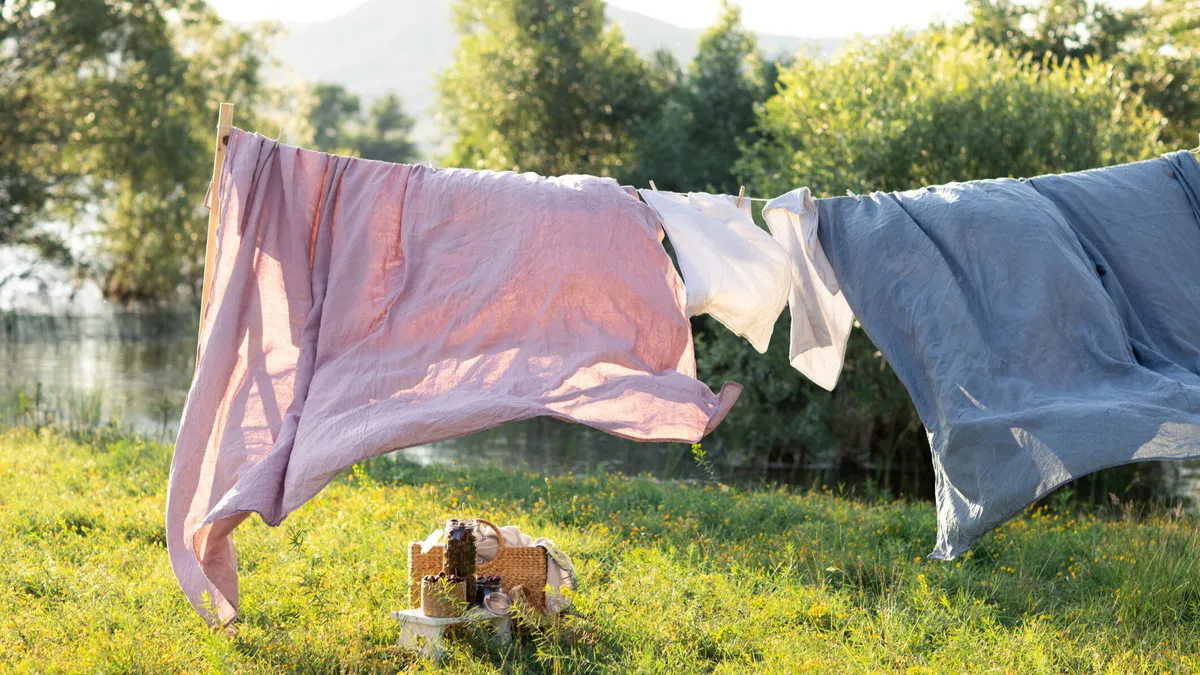
That's because during pollen season, they're likely to become magnets for it.
"On a high pollen count day, bedding left outside can soak up high number of pollen particles, which you then bring indoors and breathe in at night.
This can make your hay fever worse," Dr. Elena Salagean, allergy consultant at Holistic Allergy has explained. Similarly, your mattress fabric is a prime target for pollen particles.
On a high pollen count day, bedding left outside can soak up high number of pollen particles
Dr. Elena Salagean
Bring in pollen on your bedding and mattress at night means you're going to be breathing it in at night, which is bad news for sleep.
"When we breathe in allergens like pollen or dust mites, our immune system overreacts, releasing histamine," Dr. Mercer told us, adding that "the release of histamine triggers symptoms like congestion, sneezing, and watery eyes."
All of these symptoms are likely to affect sleep latency (time it takes to fall asleep) and contribute to nighttime awakenings.
Hypoallergenic products we recommend for better sleep during allergy season
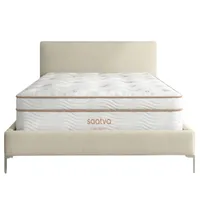
Hypoallergenic mattresses
Hypoallergenic pillows

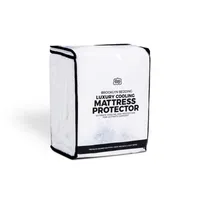
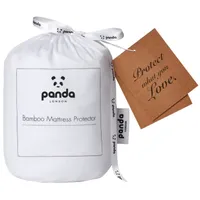
Mattress protectors
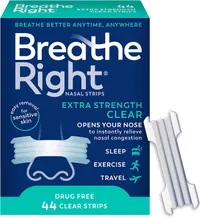
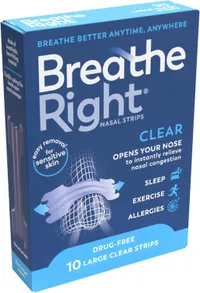
Breathe Right Strips
Air purifiers