Club Benefits





With Spotify's white noise tracks racking up billions of plays, it's safe to say this fan-like sound is still a popular sleep tool 63 years after the invention of the white noise machine.
And now, pink noise seems to have usurped white noise as the leading sound for sleep. This week, research by HappyBeds found that pink noise is in the top five most-searched sleep hacks this month.

Key takeaways
- Listening to pink and white noise is a popular sleep technique as it can drown out noisy environments.
- However, recent research indicates pink noise can reduce REM sleep and increase nighttime awakenings.
- There is stronger evidence in support of other methods, such as sleeping in complete silence or using guided meditation for better sleep.
My experience with insomnia
While I've always slept under seven hours a night and struggle to go on bed on time (thank you, revenge bedtime procrastination), I admit that I don't usually have trouble falling asleep.
However, this means that when I actually do struggle to fall asleep, it can be jarring and frustrating and cause next-day moodiness.
My insomnia usually occurs due to racing thoughts (especially if I have something important happening the next day) or due to exterior distractions, such as noise and light pollution.
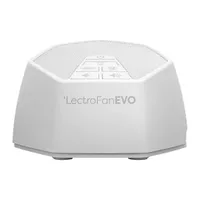
That's why I was excited when I got a chance to test out the LectroFan EVO White Noise Machine last summer. The machine promised to mask noisy environments and "promote relaxation and better sleep."
Despite its name, the machine also came with an array of noises besides pure white noise, including pink noise and brown noise.

As pink and white noise seemed to be the most popular sleep sounds, I decided to give both settings a chance first. I struggled to see what the fuss was about.
Both seemed a little harsh and high-pitched, kind of like when you leave your bathroom's extractor fan on for too long.
Instead, I tried out the machine's other settings (including brown noise), and was pleasantly surprised. Here's the lowdown on why pink and white noise was so disruptive to my sleep, and why I ditched them for brown noise and other sounds...
How pink and white noise disrupts sleep
Okay, first of all, what exactly is pink and white noise, and why are people playing it to fall asleep?
Lynette Gogol, a board-certified neurologist and lifestyle medicine physician, explains that color noise is a term that describes how sound energy is distributed across frequencies (the number of sound wave vibrations per second), determining its pitch.
"The color refers to the shape of the sound’s frequency profile," Gogol explains.
For example, the way that energy is distributed in white noise makes it more high-pitched than pink noise.

Sound masking tools
"White noise contains equal energy across the audible frequency range and sounds like steady static," says Gogol.
Pink noise shifts more energy toward lower frequencies, giving it a softer, less sharp quality.
The neurologist explains that both noises are used primarily as masking tools to reduce brief nighttime awakenings in noisy environments.
"Continuous background sound can reduce the contrast between quiet and sudden noises such as traffic, hallway sounds, or a snoring partner," she tells me.
Mental health company Calm's Chief Clinical Officer, Dr. Chris Mosunic, explains that this sound masking is often used to promote relaxation, too.
A reduction in REM sleep
"White noise's steady, consistent sound helps drown out distractions, making it easier for your mind to settle," he explains.
Meanwhile, neuroscientist Dan Berlau, Professor of Pharmaceutical Sciences at Regis University, says that pink noise's appeal comes from initial evidence of its sleep promotion, which has since been challenged.
"Earlier studies had suggested pink noise might help stabilize sleep or even enhance slow-wave activity in specific contexts, but findings across the literature remain mixed and inconsistent," he shares.

For instance, Berlau points out that a 2026 study found playing pink noise throughout the night was associated with a reduction in REM sleep compared with silence.
"Participants also reported lighter sleep and more awakenings on nights with pink noise versus quiet nights," says the neuroscientist.
Dr. Kevin Woods, Director of Science at Brain.fm, says that pink noise's effect on sleep can be detrimental, as getting less REM sleep means less memory consolidation, emotional regulation, growth, and overall cognitive health.
"While environmental noise alone can also disrupt REM and deep sleep, layering pink and white noise on top isn’t the ideal solution," he warns.

It comes down to individual preference
While another study also found pink noise can negatively alter our normal sleep cycle patterns, that still doesn't explain why I found it hard to fall asleep, too.
Gogol, however, says my aversion to pink and white noise may be down to their higher pitches.
"People with insomnia traits often demonstrate heightened physiologic and sensory arousal at night, so additional auditory input may sustain alertness rather than promote sleep," she explains.
"For some sleepers, color noises can be disruptive and distracting rather than soothing," agrees Dr Mosunic.
In fact, a 2024 study found that a third of subjects found white noise a distraction, while other research has found that the average subject actually finds the broadband noise aversive and "strongly aversive" by some.
So, the soothing quality of pink and white noise pretty much all comes down to individual preference.
The 3 sleep sounds that help me beat insomnia
Pink and white noise may have been a dud for me, but there are other sounds I listen to that actually do help me fall asleep.
Here are four of my favorite sleep sounds, why I like them and why they work.
1. Brown noise
I may not have gotten along well with the pink and white settings of the LectroFan EVO white noise machine, but it wasn't a complete write-off.
I loved the brown noise settings, particularly the cinnamon, tan and amber subtypes. They were much smoother, deeper and less gravelly than the white and pink, which sometimes sounded too brash.
As Mosunic points out, the lower frequencies of brown noise are more calming, which could reduce stress, promote relaxation, and make it easier to fall asleep fast. Plus, lower-frequency sounds have been proven to be better for sleep.

"Brown noise is a deeper, richer sound, like the low rumble of thunder or the distant roar of a waterfall," says the psychology expert.
"Brown noise may be particularly beneficial for people who have trouble sleeping due to anxiety, insomnia, or a noisy environment," he adds.
As for the brown noise subtypes, Dr Woods recommends cinnamon noise the most as it blends pink and brown noise into a softer sound profile.
"For light sleepers, that smoother frequency reduces the chance of being jolted awake, making the initial transition to sleep a little easier," he explains.
2. Guided Meditation
Research has found that meditation can be great for sleep. But let's face it, a lot of us (including me) hear the word "meditate" and have no idea where to start.
Luckily, guided meditations are here to help. A guided meditation is basically a recording of a voice that teaches you how to relax your mind and body for better sleep.
"Non-noise strategies like targeted relaxation or mindfulness techniques have stronger evidence for improving sleep," says Berlau.

Guided sleep mediations are available for free on YouTube (I love the Sleep Talk Down Guided Meditation by Jason Stephenson, a certified meditation teacher) and Spotify, and via specialist apps such as Headspace and Calm.
It's a little weird at first because, after all, it's a stranger in your ear telling you what to do, but once you get over the novelty and trust the process, you'll be asleep in no time.
3. Silence

And finally, I truly believe the best sound for sleep is no sound at all.
I wear Loop Quiet 2 ear plugs every night, and as soon as I pop them in, I'm out for the count.
And Dan Berlau agrees, pointing out that recent high-quality evidence indicates that quiet sleep without sound is often as good or better, especially for achieving restorative REM and deep sleep.
"Silence or quiet is often best, especially for preservation of normal sleep architecture," the brain health expert explains.
3 gadgets for create your ideal sleep soundscape


Research shows that mundane, repetitive tasks can relax your brain and prepares you for sleep, making it the perfect thing to do when you can't sleep.
Certified sleep coach and ex-insomniac Claire Davies swears by this simple sleep hack: "Choose to do something so disinteresting to you that it literally bores you to sleep."
So, stop associating your bed with being awake with the 15-minute sleep rule: get up, leave your bedroom for a different, dimly-lit room, and start folding laundry (or any other boring task) for 15 minutes.