It's January and you're probably fed up of hearing about people's mighty resolutions and plans to overhaul their lives with unrealistic fitness regimes and extreme diets.
But if there's one New Year's goal that's actually worth chasing, pays dividends to your health and quietly upgrades other areas of your life, it's getting better sleep.
And I'm not here to tell you to invest thousands in the best smart beds and mattresses on the market (as great as they are).
Instead, I'm stripping it back to simple daily — or should I say, nightly — habits that can help you get the most out of your time in bed, so you sleep well and wake up refreshed. Sounds blissful, right?
Good sleep starts in the day
A new study has revealed that sleeping for less than seven hours a night can have a drastic effect on life expectancy. That's why it's important to get enough sleep, and to do that you need to focus on your morning routine as well as your bedtime routine.
I don't mean you should crawl into bed at 2pm and call it a day, as tempting as that may be in January. What I'm getting at is that practicing healthy habits during the day can prepare your body for healthy sleep at night.
This is because your body works on a 24-hour cycle and activities like getting morning sunlight, exercising, eating well and limiting screens, all regulate your body's internal clock (aka your circadian rhythm.)
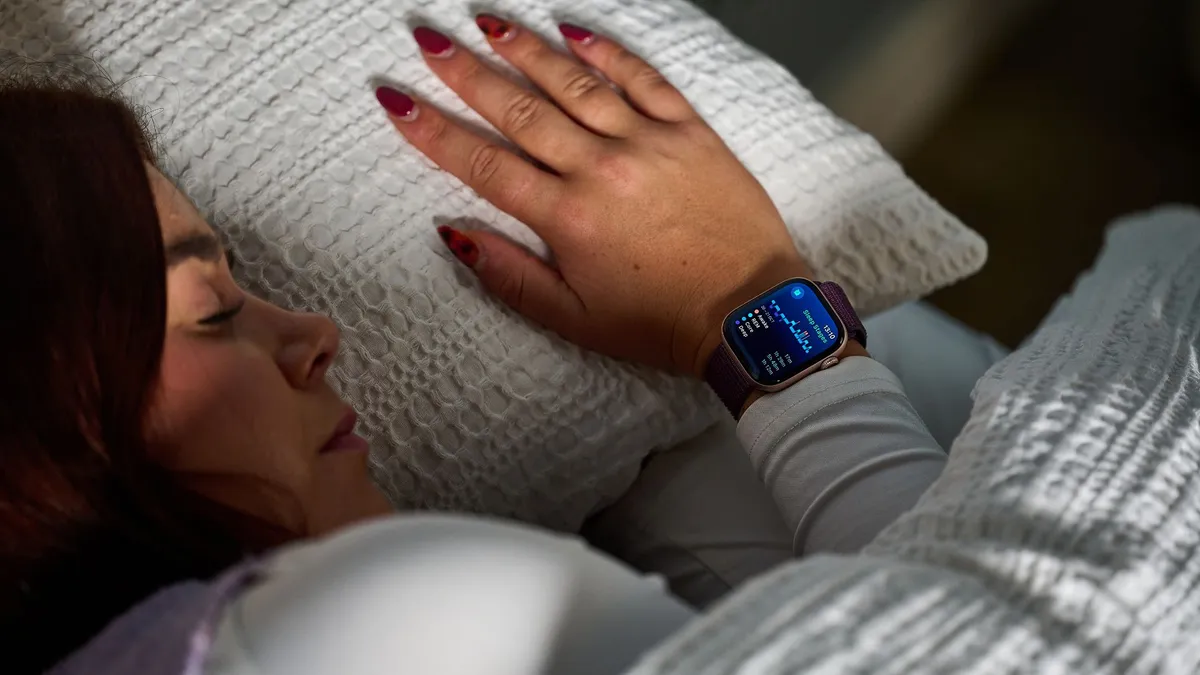
Therefore, healthy habits and consistency in your schedule, especially waking up and going to bed at the same time, are key to promoting better overall sleep quality.
Sleeping well is kind of the remit of my job as a sleep writer. I regularly clock sleep scores of 100 and wake up refreshed most mornings.
However, most of us struggle to sleep well every night, with one survey finding over half of us only get good rest at most four nights a week.
I put my consistent sleep down to a handful of sleep-friendly habits I've learnt from interviewing experts in the field and testing countless trending methods. But which ones truly work? You'll find out below.
4 basic habits that help me sleep soundly
As our bodies and bank accounts are recovering after the demanding festive period, I'm sharing the expert and science-backed tips to sleeping well through the quieter, slower months (psst, they don't cost a thing).
1. Walk
Honestly, I credit my daily walk for a lot of things: mental clarity, good digestion, a healthy heart and, crucially, great sleep.
Be it a morning strut, lunchtime stroll or a good old post-dinner fart walk, any kind of walk can bring sleep benefits.
This is because physical movement builds up sleep drive, while the mental clarity a walk promotes means you have fewer racing thoughts at night. The result? Less tossing and turning and more deep sleep.
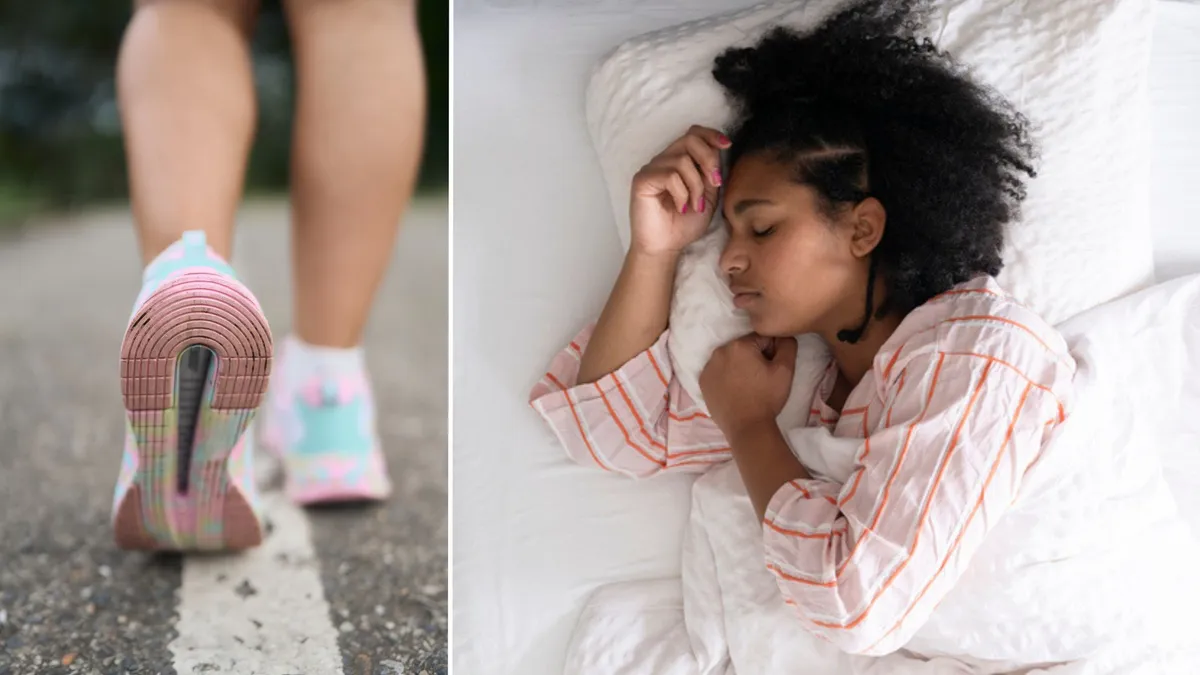
And the science checks out. One study in which participants took part in a four week walking intervention showed that when they were more active than usual, they reported better sleep duration and quality. Elsewhere, science shows walking can reduce the risk of sleep apnea by 10%.
It's also one of the top sleep hygiene habits of the highly successful, with many CEOs crediting an evening stroll or a morning burst of sunshine.
2. Get daylight
My colleagues and I harp on a lot about how getting morning sunlight can set you up for sound sleep the following night, and that's because it really is a valuable sleep tip.
Plus it's easy to execute — you don't even need to leave your bedroom. Just pull open the curtains first thing so you get that invigorating hit of natural light. Honestly, it can do wonders.

As mentioned above, regulating your body clock is key to sleeping well and light is vital to keep things ticking along. By exposing yourself to natural daylight, you're telling your body it's time to wake up.
Therefore, your brain will release alertness hormones like cortisol, while suppressing sleepy hormones like melatonin (which will return later in the 24 hour cycle when it's time for you to hit the hay).
- Read more: Regulating these 5 sleep hormones can help you fall asleep fast and stop you waking up at night
3. Stay hydrated
There is a close link between hydration and sleep. From headaches to muscle cramps and increased snoring, many of the side effects to not getting enough H2O can tamper with your sleep.
Physical symptoms of dehydration such as headaches and cramps can make you too uncomfortable to sleep, while a dried out throat increases your risk of snoring (and keeping your partner awake.)

What's more, an increased heart rate, another symptom of dehydration, makes it difficult to relax. And dehydration also gets in the way of the natural cooling process that happens in our bodies as we prepare to sleep.
All in all, slacking on water intake is bad news for sleep. I recommend keeping a water bottle to hand throughout the day so you can gradually sip away. This way you won't need to down glassful after glassful come evening when you're feeling the thirst, and you can avoid more toilet trips through the night.
4. Cut down screens
Again, I'm not going to be unrealistic here and tell you to reduce your screen time to a pre-2000s levels (is that even possible??) I'll be the first to admit that I spend too much time scrolling but I've made a conscious effort over the past months to minimize the impact my phone addiction has on my sleep.
This means I've swapped my iPhone alarm for a top-rated sunrise alarm clock. As a result I can leave my phone out of arm's reach through the night, cutting out the temptation to scroll past bedtime and first thing in the morning.
However, I promised these sleep tips would be free, so if a sunrise clock is out your budget, it's down to sheer discipline.

Part of this is finding a relaxing activity that you look forward to at the end of the day to replace doomscrolling in your nighttime routine. For me, it's reading or stretching. Is it that hard to reach for a book rather than your phone at bedtime? I think not, it just takes a bit of habit building.

Follow Tom's Guide on Google News and add us as a preferred source to get our up-to-date news, analysis, and reviews in your feeds.