




I used to get seven to eight hours of sleep and would describe myself as a pretty good sleeper. Or at least I thought I was sleeping well – recently I made a simple change to my sleep routine and I've never felt more energized and in a better mood.
The change? I've ditched my morning alarm. Waking up naturally is getting me an extra two hours sleep a night that I didn't know I needed. But there's an obvious catch with this routine change – it isn't sustainable for everyone.
Dr Lindsay Browning, chartered psychologist and founder of Trouble Sleeping, and Jamey Maniscalco, neuroscientist and founder Manifest Wellness, talk me through why I suddenly need more sleep and the signs that you might need it too. Plus, we look at how to reset your sleep schedule to get the rest your body needs.
What happened when I stopped setting a morning alarm

As my own boss, I have the luxury (sometimes) of being able to decide my own schedule for my working day.
I typically go to bed somewhere between 11pm and 1am (though I know I really should be sticking to a one-hour bedtime window per the 7:1 sleep rule) and set my alarm to allow for 7-8 hours of sleep, which is within recommended guidelines for adults and what I thought I needed.
However, I recently decided not to set an alarm in the morning and start my working day a little later, depending on when I woke up. I found that I slept for around 9 hours and woke up feeling amazing; refreshed, alert, full of energy for a workout and in a spectacular mood.
I didn't set an alarm for most of that week and each night slept for around 9 hours, feeling equally great every morning. In fact, the few nights I did have to set an alarm and sleep for my regular 7-8 hours, I noticed that my mood and energy levels were comparatively lower.
Why do I suddenly need 9 hours sleep a night?
"If you are regularly getting more sleep when not setting an alarm, compared to when you allow yourself less time in bed, this is a sign that you may need more sleep than you thought," Dr. Browning explains.
The sleep expert points out that working-age adults should get between seven to nine hours sleep regularly for optimal health.

However, she adds that "this does not mean that any number within that range will be enough, as everyone is different and has different sleep needs."
Essentially, even though I was sleeping seven to eight hours and sitting within the guideline range, that doesn't mean I was necessarily getting enough sleep for my own needs.
However, Dr. Browning also explains that "getting additional sleep on a few alarm-free days may be recovery from accumulated sleep debt, rather than a sign that you consistently need more sleep."
Have I always needed 9 hours and not realized?
I found myself wondering if the changes I've noticed after more sleep have meant I've always needed nine hours and just not been getting enough, or if my sleep needs have actually changed.
"Both are certainly possible, but in most cases it’s the former. Many of us adapt to slightly insufficient sleep for years and assume it’s normal, especially when we rely on alarms and caffeine," Maniscalco says.

He also points out that sleep needs can shift over time due to factors such as stress and life demands, hormonal changes, changes in activity levels and the general ageing processes.
"So it may be a combination, but in my opinion, your experience suggests your body is just getting what it’s been missing," the neuroscientist adds.
People can function on less sleep than they optimally need... but we are likely to feel much better and thrive if we get enough sleep — whether that is nearer 7 hours or 9.
Dr. Lindsay Browning
Dr. Browning adds that getting enough sleep, compared to functioning on less than our optimum needs, can show in how we feel.
"Similar to how we can survive on eating junk food and not exercising, we are likely to feel much better and more energised if we eat healthy foods and exercise regularly."
"People can function on less sleep than they optimally need (and often have to at times of stress or commitments like when you have a new baby), but we are likely to feel much better and thrive if we get enough sleep," she says, "whether that is nearer 7 hours or 9."
So perhaps I've been having the equivalent of 'junk food' sleep, and now I'm finally getting the kind of 'healthy eating' sleep I actually need.
Why do I feel better on 9 hours sleep compared to 7?

"I regularly see clients who come to see me and say that they always get 7 hours sleep but still feel tired during the day and they wonder if they have a sleeping problem," says Dr. Browning.
"I point out to them that they may need more than 7 hours sleep to feel refreshed," she adds, noting that I could be someone who needs more sleep.
If I am finally getting the amount of sleep that's actually 'enough' for me, it's no surprise I've been feeling so good.
"First, the prefrontal cortex (responsible for focus, decision-making, emotional regulation) works better with adequate sleep. Second, the amygdala, your brain’s threat/stress reactivity center, becomes less overactive and responsive. Third, neurotransmitter systems (like dopamine and serotonin) are better balanced. And finally, the brain’s nightly “cleanup” process (managed by something called the glymphatic system) has more time to do its job," says Maniscalco.
Maniscalco says that the positive impacts I've seen from getting more sleep are "exactly what I’d expect when sleep is both sufficient and well-timed, meaning you’re not only getting enough sleep but also that you wake at a natural transition in your sleep cycle."
The neuroscientist explains that getting more sleep allows for higher-quality brain function the next day.
According to the Centers for Disease Control and Prevention (CDC), the benefits of getting enough sleep include improving attention and memory, maintaining a healthy weight, reducing stress and improving mood, improving heart health and metabolism and reducing the risk of type 2 diabetes, stroke and heart disease.
How to tell if you need 9 hours sleep too

Since The National Sleep Foundation and the NHS recommend seven to nine hours a night, while others, like the CDC, and American Academy of Sleep Medicine recommend 7+ hours of sleep a night, I was curious if some people really do need nine hours of sleep.
"Adult sleep averages are often quoted as seven to eight hours, but the true healthy range for adults is closer to seven to nine hours, and some people truly do fall at the upper end of that range," says Maniscalco.
However, the neuroscientist points out that "it’s hard to know why an individual might need more sleep, since sleep patterns and needs are influenced by many things like genetics, daily cognitive and emotional load, physical activity levels, stress, overall health, and more."
The true healthy range [for sleep] for adults is closer to seven to nine hours, and some people truly do fall at the upper end of that range
Jamey Maniscalco
"There is no exact number of hours of sleep that everyone needs — as it is so individual," Dr. Browning agrees.
It is also important to point out that sleep quality (uninterrupted sleep that allows you to complete enough cycles of all the essential sleep stages) matters too.
In fact, one study found that sleep quality is just as important as sleep duration.
The catch

Sleeping for longer and feeling incredible is all well and good, but there's a pretty big catch.
The reality is that I can't always sleep without setting an alarm for the morning (even though I'm in the lucky position to do it sometimes). And, I recognize that for the vast majority of people, it's simply not possible to fall asleep at night and then wake up at whatever time your body naturally determines.
I'm also aware of the importance of sleep regularity (going to bed and waking up at consistent times) — one study even found that sticking to a consistent sleep schedule can reduce the risk of death.
So I realized I need to fix my sleep schedule so I can stick to a more regular bedtime, aim for 9 hours and wake up at a time that would suit the average working day. I asked the experts for help. Here's what they advised...
How to fix your sleep schedule to get more hours sleep
"If you need 9 hours sleep, you likely need to go to bed earlier," Dr. Browning explains.
Here's how they advise I transform my sleep schedule to accomodate for longer sleeps.
1. Anchor your wake up time

When I think about fixing my sleep schedule, my area of focus is the time I'm going to bed. However, Maniscalco suggests an alternative first step.
"Most people think about a solid bedtime, but I suggest picking a consistent wake time you can stick to most days. Then back into a winddown and bedtime routine for sufficient sleep," he says.
For me, a wake time of 7:30am feels ideal; it's not too early and leaves me with plenty of time to prepare for starting the working day.
2. Adjust your sleep time in small increments
"If you need to change your sleep schedule, think of it like overcoming jet lag," says Dr. Browning.
"Presuming that you have a set wake time due to commitments, you could try to move your bedtime earlier by progressively 15-30 minutes earlier each night, while keeping your wake time consistent."
Maniscalco explains that this "allows your nightly rhythm to adapt, and will create more sustainable behavior change over time."
This is what slowly adjusting my bedtime would look like for me (I'm picking 12:30am as my 'current' bedtime, aiming for a 10:30pm bedtime that would allow nine hours of sleep and a 7:30am wake-up).
For example, adjusting by 30 minutes each night.
1st night: 12:00am
2nd night: 11:30pm
3rd night: 11:pm
4th night: 10:30pm
Obviously, this is specific to the changes I want to make, but you can apply the same 15-30 minute adjustments to your own bedtime to fix your sleep schedule to your desired sleep time.
3. Get morning sunlight

"Soon after waking, get some natural bright light exposure (such as by opening the curtains as soon as you wake), and then go outside if possible, for breakfast," advises Dr. Browning.
"Bright light exposure first thing can help to move your circadian rhythm earlier, helping you to fall asleep earlier at night," the neuroscientist explains.
"Natural light within 30 to 60 minutes of waking helps 'lock in' your circadian rhythm," adds Maniscalco, agreeing that this should aid you in dropping off more quickly later on.
Indeed, according to research, "morning sunlight, in particular, helps regulate the secretion of melatonin, a hormone crucial for sleep regulation, thereby improving sleep onset and sleep quality."
Plus, one study found that morning sunlight improved sleep quality, including better sleep efficiency (percentage of time you spend asleep while you're in your bed) and fewer nighttime wakeups.
So getting those rays nice and early is a win-win!
Is sleeping for 9 hours ever a cause for concern and can it signal health issues?
Despite feeling great from it, I wondered if my new nine-hour sleep pattern might be cause for concern.
"According to research and advice, regularly sleeping for nine hours is within the healthy sleeper range and unlikely to be something of concern," says Dr. Browning.
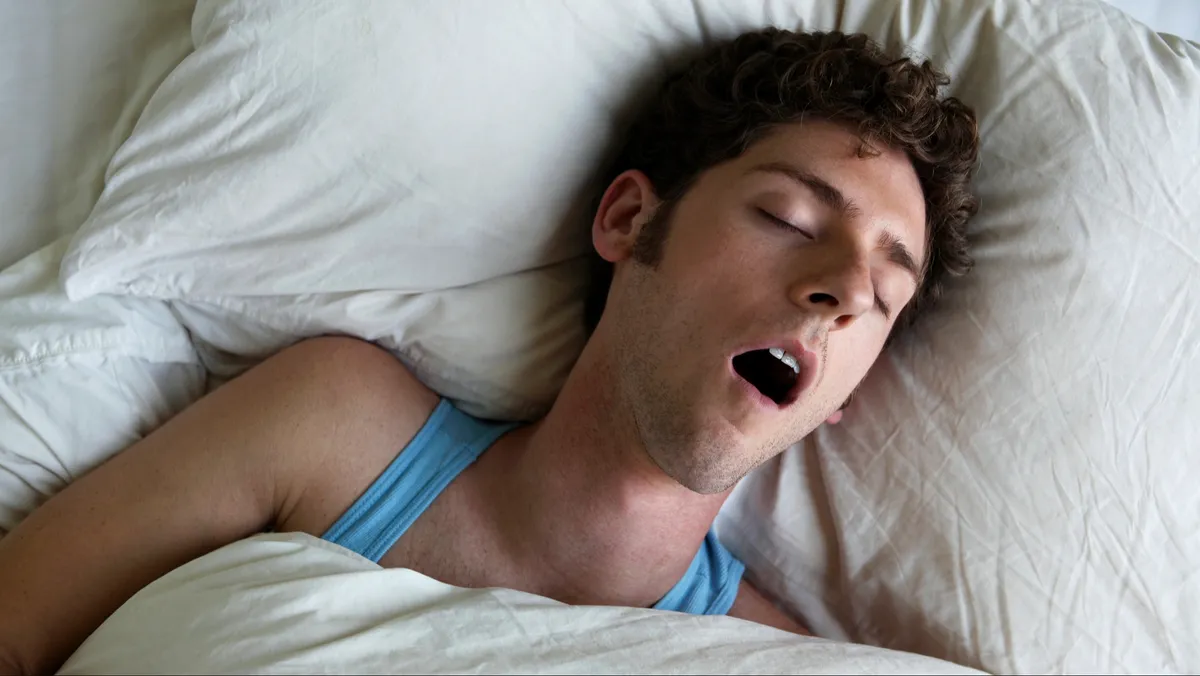
"It sounds like you were never giving yourself enough time in bed to get as much sleep as you need, and now that you have been getting more sleep you are able to compare how much better you now feel," she adds.
However, the sleep expert says that if you regularly need significantly more than nine hours of sleep, "this could be a sign of an underlying health issue or a sleep disorder."
Needing nine hours sleep by itself is not generally a cause for concern, but a sudden change in sleep needs may be a sign of an issue
Dr. Lindsay Browning
As someone who often writes about sleep, I'm aware that oversleeping (regularly sleeping for 9+ hours) is associated with physical and mental health issues, and carries health risks including the likes of cognitive issues, heart disease, diabetes and obesity.
Oversleeping can also be an indicator of sleep disorders such as narcolepsy and obstructive sleep apnea.
Dr. Browning explains that it's important to be aware of any changes in how much sleep you need to feel good.
"Needing nine hours sleep by itself is not generally a cause for concern, but a sudden change in sleep needs may be a sign of an issue," she says.
"If you used to feel as refreshed after 7 hours of sleep and you suddenly now need to get much more sleep to feel refreshed, then this may be a sign that something has changed."
