While the latest social media sleep hacks claim to overhaul your night with one quick trick, bad sleep advice can leave you tossing and turning.
I’ve cut through the clutter and tracked down the experts — these are the sleep hygiene tips they themselves use, trust and recommend.
But there’s a slight catch: none of these are quick fixes.
So you won't find fads like mouth tape and sleepmaxxing here. Instead you'll find science-backed habit changes and lifestyle adjustments that actually work.
Here are the sleep hygiene tips doctors recommend to fall asleep fast at night and to avoid 3 a.m. wake-ups so that you sleep through the night and wake up full of energy...
Key take-aways:
- Go to bed at the same time every night – your body learns when it's time to sleep
- Wake up at the same time every day – strengthens your sleep-wake cycle
- Create the right sleep environment – it's easier to fall asleep in a cool, dark and quiet bedroom
- Schedule active worry time – lowers nighttime anxiety and stops your mind from racing in bed
- Get outside during the day – helps regulate hormones essential to the sleep-wake cycle
Doctor-approved tips to fall asleep fast and reverse 3 a.m. wake-ups
1. Go to bed at the same time every night
I've been lucky enough to speak to numerous sleep experts as part of my role at Tom's Guide and the most consistent sleep tip I've come across is just that: consistency.
A "stable sleep-wake rhythm," as described by sleep psychologist and Mattress Firm sleep advisor Dr. Jade Wu, helps you avoid a long sleep latency by training your body to drift off.

In other words, pick a bedtime and stick to it.
Dr. Katie Tryon, Deputy CEO at Vitality, noted that "sleep regularity and consistency" could also potentially improve longevity — a study by Vitality found going to bed within a one hour time frame at least five nights a week could add to your lifespan.
2. Wake up at the same time every morning
"Waking up at roughly the same time each day, even after a poor night’s sleep, helps stabilize energy, mood, and sleep quality over time," advises Liz Ross, sleep specialist and founder of the Coping Resource Center.
And whatever you do, don't hit the snooze button — this repeated wake-up-fall-asleep cycle throws your circadian rhythms all out of shape.

"If extra rest is needed, short naps (less than 20 minutes) or slightly earlier bedtimes are less disruptive than sleeping several hours later," she adds.
Dr. Wu agrees that napping can be great for maintaining alertness, but if you want to avoid 3 a.m. wake ups, nap carefully. "Keep it to less than 30-45 min and to the early afternoon," she says.
3. Create the right sleep environment
To sleep through the night, you need a distraction-free environment and that starts with your bedroom.
"Create a dark, quiet, and non-disruptive sleep environment," advises Dr. Wu, as one of her top tips to avoid sleeplessness. This might mean blackout curtains, a sleep mask and possibly some of the best sleep headphones.
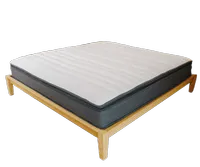
You also need to consider what you're sleeping on. Opting for the best mattress for your sleep needs can help you avoid tossing and turning, so you fall asleep faster.
The optimal bedroom temperature for good sleep is around 65 to 70 F (18 to 21 °C) but seniors might benefit from a warmer room.
4. Schedule active worry time
Sleep expert Dr. Leah Kaylor recommends building a reliable nighttime routine as a cornerstone to sleep better every day. A vital part of her evening? Worry time.
This is a constructive panic period that helps you shake the stress before going to bed, which is why it takes place early in the evening and outside the bedroom — so you don't inadvertently associate your bed with anxiety.
During worry time, you write down what's causing anxiety, plus potential solutions, ready for you to tackle the next day.

"Writing down tasks and responsibilities ensures that your brain doesn't have to carry the extra weight of those thoughts into the night," explained Dr. Kaylor.
Other sleep-expert approved additions to your evening routine include listening to audiobooks, dark showering and gentle stretching.
5. Get outside during the day
Dr. Lindsay Browning, founder of the Trouble Sleeping sleep clinic, recently advised a member of my team that a lack of sunshine was behind her fatigue and late-night wake ups.
Dr. Browning prescribed a morning walk — or coffee in the sunshine — as an early dose of natural light helps kickstart your circadian function for the day.
“[Getting outside] helps to tell your brain it’s the middle of the day and we should be awake," she advised, explaining that soaking up the sun "helps you feel more alert and helps you suppress melatonin.”

She also let us know that even on a gray day, you're still feeling the impact of natural daylight.
If you can't factor a walk into your daytime routine, a Dr. Browning-recommend alternative is one of the best sunrise alarm clocks.
It's a sentiment Dr. Wu agrees with, advising you "be physically and socially active" if you want to sleep better at night.
Why these sleep hygiene tips work
These sleep tips work because they target the backbone of good sleep — a regular circadian rhythm. Consistent sleep hours teach your body when to be awake and when to be asleep, which means climbing into bed is like falling into a routine.
And with one study finding more than half of us only get good rest four times a week at most, it seems we're lacking the consistency needed to get good sleep every night.
Sleep-friendly habits are another key part of sleep hygiene. Winding down before bed, enjoying sunshine in the morning, and sleeping in a dark room further reinforce circadian rhythms, forming the backbone of good sleep.
However, these sleep hygiene habits aren't guaranteed to help everyone. For those with chronic insomnia or health conditions such as sleep apnea, we recommend speaking to your doctor for targeted advice.
If you've been struggling to sleep for over three months and sleep deprivation is beginning to impact your wellbeing, we also recommend speaking to a healthcare professional.

Follow Tom's Guide on Google News and add us as a preferred source to get our up-to-date news, analysis, and reviews in your feeds.