







In brief
- The best camera phone you can get right now is the Samsung Galaxy S26 Ultra, with its low-light imaging performance, Horizontal Lock video and dual telephoto cameras being highlights.
- If you want something Apple-flavored, then the iPhone 18 Pro looks like the way to go thanks to its variable aperture camera. We found the existing features and the new additions made for a great photography experience.
- And for budget-conscious buyers, the Google Pixel 10a offers the best bang for your buck thanks to excellent photo processing and AI editing tools.
We're acutely aware that there's not really any such thing as a "Camera Phone" anymore — they all have some form of camera on the back that takes perfectly adequate photos. What we're looking for here, though, is the best of the best. The phones that take really good photos.
Apple's latest, the iPhone 18 Pro, has launched with a brand new camera system featuring a variable aperture camera for finer adjustment to light levels. We're yet to put it head to head with the current camera champ, the Samsung Galaxy S26 Ultra, but its closer than its ever been before. For now, the iPhone doesn't take the crown, but rest assured we'll be putting the two to the test soon.
If you don't want to spend the $1,000+ of either of those behemoths, then the photos taken with the Google Pixel 10a are going to be up your street — a budget phone with a flagship camera. Read on to find out which you should buy.

I'm the senior editor for mobile at Tom's Guide, where I've been working since 2023. I've been covering mobile tech for 17 years in total, starting with old school feature phones and early smartphones powered by Palm OS and Windows Mobile. I'm a New Jersey native and keep up with the latest mobile tech.
The best camera phone overall


You can see our full Galaxy S26 Ultra vs. iPhone 17 Pro Max 200 photo face-off to understand why Samsung is the current top dog in this guide. You can also check out our S26 Ultra Photo Assist vs Pixel 10 Pro XL Ask Photos face-off to see which phone offers better AI-enhanced editing.
The Samsung Galaxy S26 Ultra’s photography ability is defined by a significant leap in low-light performance. Samsung has outfitted the device with a 200MP main sensor and a 50MP telephoto lens, both featuring wider apertures that allow for up to 47% and 37% brighter images, respectively. This hardware upgrade directly addresses previous criticisms regarding indoor and nighttime noise, resulting in shots that are noticeably clearer and more detailed than those from the S25 Ultra, or even the iPhone 17 Pro Max, in dim environments.
In terms of long-range capabilities, the S26 Ultra remains the undisputed king of zoom. While competitors have improved, our testing show that Samsung’s telephoto system produces significantly less noise and sharper textures at high magnification levels. Whether capturing architectural details or distant landscapes, the S26 Ultra’s ability to maintain clarity at 10x and beyond continues to set it apart from its primary rivals, making it the preferred choice for users who prioritize versatile focal lengths.
Samsung Galaxy S26 Ultra camera samples
Why you can trust Tom's Guide Our writers and editors spend hours analyzing and reviewing products, services, and apps to help find what's best for you. Find out more about how we test, analyze, and rate.


Video recording sees a transformative update with the introduction of Horizon Lock. This feature ensures that footage remains perfectly level and stable, regardless of how much the phone is tilted or how shaky the user's hands might be during a shoot. Combined with improved 8K recording and smoother transitions between lenses, the S26 Ultra can be a powerful tool for mobile creators who need professional-grade stability without the need for external gimbals.
The phone also leverages new AI tools to enhance the photographic workflow. The Creative Studio app allows users to use the S Pen to sketch additions directly onto photos, which the AI then renders into realistic objects. These tools, along with improved object erasure and generative edit features, offer a level of creative control and post-processing power that outpaces the more conservative approach seen in the Google Pixel and iPhone ecosystems.
While the S26 Ultra excels in zoom and low light, the iPhone still holds a slight edge in macro photography and natural color reproduction in certain daytime scenarios. Despite these minor gripes, the Galaxy S26 Ultra offers one of the most complete and technologically advanced camera package available on a smartphone today.
Read our full Samsung Galaxy S26 Ultra review
Best iPhone camera
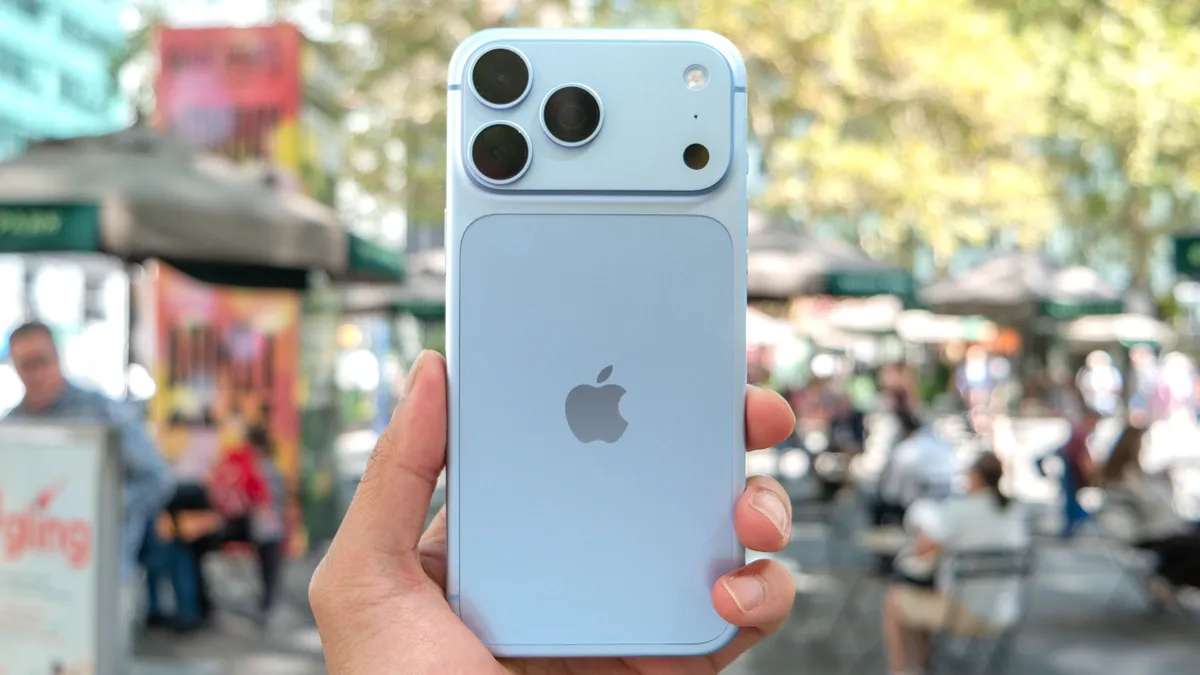

Both the iPhone 18 Pro and the iPhone 18 Pro Max have the same cameras, but thanks to its smaller screen, the 18 Pro is $100 cheaper than the iPhone 18 Pro Max. We're yet to do any head-to-heads at the moment, but we'll come back and update once we've done some more in-depth testing.
The iPhone 18 Pro borrows a lot from the 17 Pro Max, including the 48MP telephoto sensor and the 18MP front-facing camera with Center Stage. It then adds something entirely new and extremely cool — a variable aperture camera system so that light levels can be more easily controlled by either the phone or yourself.
So what does that actually mean. It means more detail in backgrounds, with more adjustment. It also means even better colors, and again, extra control. The best bit? Even better low-light performance, something that Apple has always excelled at. The camera system still falls short of Samsung when it comes to zoom performance, with preliminary testing showing fuzzy image quality when you want to get really close to your subject. Still, this is an excellent camera system overall.
iPhone 18 Pro camera samples


Just like the previous model, opening the camera app is as simple as pressing the camera button on the side of the phone. The touch sensor built into the button makes it easy to control different modes and other settings without having to enter a single menu. The 18MP center stage front camera is the same as that found in the iPhone 17 Pro — that is to say, very good.
The camera this time around brings some improvements to color and how it deals with light. Photos are extremely detailed and bright thanks to the variable aperture lens, and the performance in low-light settings is excellent. To get the great performance that you see in the sample images above, you'll have to spend a great deal of money — if screen size doesn't matter to you and you want the epic camera, then opt for the $100 cheaper iPhone 18 Pro.
Read our full iPhone 18 Pro review.
The best low cost camera phone


Take a look at our Pixel 10a vs Pixel 9a feature to see what we made of this year's particularly small upgrades, and if it's worth upgrading or even buying the older model. We also have a face-off between the Pixel 10a vs iPhone 17e to show how Apple and Google's latest cheaper models compare.
The Google Pixel 10a maintains its status as the camera champion of value phones by offering a premium experience for just $499. Although the device utilizes the same 48MP main sensor and 13MP ultrawide lens as its predecessor, things are salvaged by Google’s industry-leading software processing. These sensors continue to deliver flagship-level image quality with exceptional color accuracy and exposure, proving that optimized software can often outweigh the need for year-over-year hardware changes in the budget segment.
The true strength of the Pixel 10a lies in its suite of advanced AI photography tools, which simplify the process of capturing professional-grade shots. Features like the new Camera Coach act as a real-time photography professor by offering framing and composition tips, while Auto Best Take ensures everyone in a group photo looks their best by seamlessly stitching together the best expressions from multiple frames. Additionally, the return of editing tools like Magic Eraser and Reimagine allows users to remove unwanted objects or modify backgrounds with ease, providing creative capabilities typically reserved for much more expensive flagships.
Google Pixel 10a camera samples


When compared to its primary budget competition, the iPhone 17e, the Pixel 10a stands out due to its hardware versatility. By including a dedicated ultrawide lens, it offers a wider field of view for landscapes and group photos that single-lens competitors simply cannot match. This physical advantage, combined with the phone's ability to sit perfectly flat on surfaces thanks to a fully flat back design, makes it a more practical and aesthetically modern choice for mobile photographers on a budget.
Finally, the Pixel 10a offers a level of sustainability and long-term value that is rare at this price point. With a commitment to seven years of OS and security updates, the camera experience is expected to improve over time through periodic "Pixel Drops" that introduce new software features. This long-term support, coupled with the device's reliable performance and improved build quality, ensures that it will remain a top-tier camera phone well into the next decade, making it a highly sensible investment for cost-conscious buyers.
Read our full Google Pixel 10a review.
Also Tested
How to choose the best camera phone
Obviously, the best camera phone needs to have the tools, performance, and hardware to need your exact needs. That's different for everyone, but the first thing you need to ask yourself is what's your budget. It plays a role on what kind of cameras you can expect to get, like how mid-range phones have at least a dual-camera setup. Most flagships have triple camera setups, which come with dedicated telephoto cameras and often start out at $1,000.
Another thing you need to determine to find out how to choose the best camera phone is what you'll be using it for. I think the average person would be content by phones with dual cameras, which oftentimes consist of a main shooter paired with an ultrawide.
However, the best foldable phones offer a unique advantage over the average slate phone. Since they have two screens, one main and one outer display, they give you the extra ability of using their better cameras for vlogging and selfie shots. While they're just as expensive, they've come down in price — with some flip style phones costing just as much as a mid-range one.
I think it's also good to research what phones have manual modes and extra features. All camera phones have the basics, but the pro-level camera phones give creators more tools. For example, some of them let you capture photos in RAW, flat color profile with LOG recording, and there are even some phones that can shoot portrait video for that cinematic look.
Lastly, it's absolutely necessary to look at camera specs — though maybe not the ones you're thinking about. Don't be fooled by big megapixel numbers, since it's what a lot of phone makers do. Instead, you'll want to look at the sensor size, aperture of the lens, and also their field of view. For example, a faster aperture (like f/1.8 versus f/2.2) would allow a camera to gather in more light — resulting in sharper details and better low light performance. Likewise, a wider field of view for the selfie or ultrawide camera ensures you'll get more of the scene from the same vantage point.
How we test camera phones
When we evaluate the best camera phones, we pick phones of comparable prices and capabilities and put them through a range of head-to-head comparisons. We pick common shooting situations — landscapes, indoor and outdoor shots, portraits and selfies in daylight and at night. We also test out each camera lens, including ultrawide angle and telephoto lenses if the phone features those.
In addition to testing the rear lenses of each phone, we also test the front camera, snapping selfies in both standard and portrait mode. We then compare the results to similar camera phones.
Photos used in our comparisons are taken with the default settings on each camera. Even if a phone offers manual controls, we don't test those, as we want to replicate the experience the typical smartphone user would have using the camera app on a device.
In each of our smartphone reviews, we also factor in any special features, such as dual lenses and what they enable, Portrait Modes, and other special modes, before we come to a conclusion.
Camera testing is the most relevant evaluation for picking the best camera phones, but our smartphone reviews include other testing, such as performance testing, battery testing and display testing. You can see the full results of those tests — outlined in our explanation of how Tom's Guide tests and reviews smartphones — when we rate the best phones overall and in our 200 photos head-to-head shoot outs.
