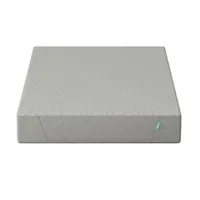
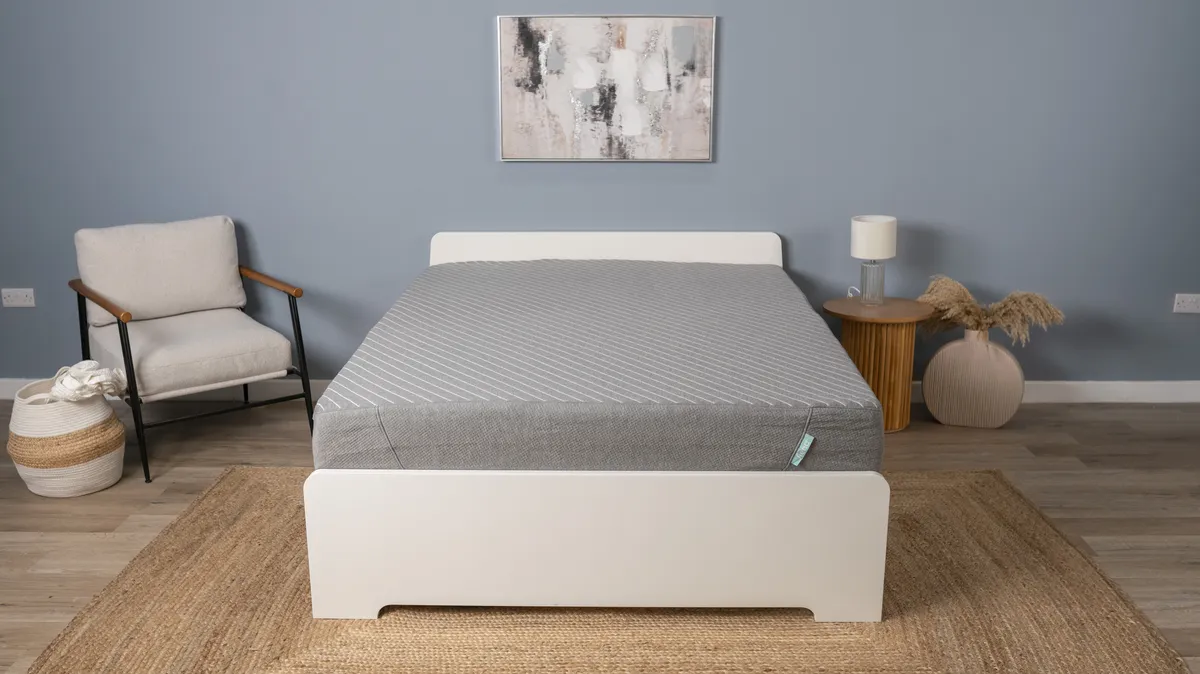
For the past six months I've been testing the Siena Signature and I've long rated it among the best mattresses you can buy, particularly with a queen just $294 at Siena. However, there was always a caveat: due to the firm feel, I struggled to recommend the mattress to side sleepers.
Last week changed all that, when circumstances forced me to sleep on my side and I discovered 'hey, this is actually pretty comfortable — you just need a little patience.'
The Siena harbors a secret; the firm feel masks gentle cradling that makes this affordable mattress a contender for the best mattresses for side sleepers. Here's what you need to know.
Key take-aways:
- The Siena Signature mattress is firm and doesn't have much sink — two features that tend to be bad news for side sleepers.
- But given a little time, the foams do slowly respond to cradle the body and reduce pressure build-up.
- Plus, the excellent support means your spine is held straight and you can avoid hip sink.
- So, if you're a side sleeper who prefers a firm mattress, it's a good pick.
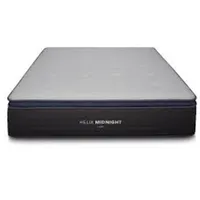
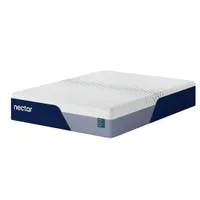
- However, lightweight side sleepers should look for a softer bed, like the Helix Midnight Luxe or Nectar Premier Memory Foam.
Why the Siena Signature is a firm mattress for side sleepers
Let's give some context. I started head-to-toe testing for my Siena Signature mattress review roughly six months ago and I've been sleeping on it at home ever since.
Both myself and my fellow testers had the same opinion when side sleeping on the Siena: comfortable for short bursts but likely to result in a sore arm overnight. As a stomach sleeper, this was no big deal and I happily declared the Siena one of the best mattresses for stomach sleepers. It's kept me comfortably supported ever since.
But I've recently been plagued by a persistent cough that got worse when I was lying on my front. It was impossible to sleep when every few minutes I had to (ineffectually) clear my throat.
So I braced myself for a trade-off — one sore arm in exchange for no more coughing — and committed to sleeping on my side.
The pressure relief isn't immediate — but it is there
The best mattresses for side sleepers tend to have a lot of cushioning, to take pressure off the 'touch points' aka the parts of the body that press heaviest into the mattress (that's your shoulder and hips.)
This is something the Siena lacks. During our mattress testing we use a 25kg weight to measure sinkage and pressure relief. On the Siena, it sank just 2.5 inches at the shoulder area — a full inch less than the equivalent area on the rest of our top five mattresses.

What this means is that instead of pressure relief, you would expect to experience pressure build-up at the touch points, resulting in soreness.
However, the Siena does have cushioning. You just have to give it some time.
The top comfort layer of the Siena is made of memory foam, a material that famously responds to warmth and pressure. This memory foam takes a little longer to react than most (and at just two inches thick, it's never going to have the deep sink of a taller bed like the Nectar Premier Memory Foam.)
But as the bed warmed the Siena began to gently cradle my body, taking the weight off my shoulders and hips. No sore arms and no cough — I was asleep in minutes.
Support means no hip sink and straight spines
Side sleeper mattresses sometimes exchange support for softness, causing your entire body to sink into the bed like you're being sucked into quicksand.
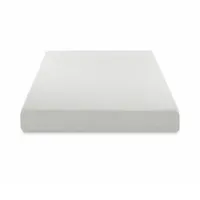
This might feel cozy initially but during the night a lack of support is likely to lead to an ache at the back, hips and even the shoulders (it's a problem I experienced on the softer Zinus Green Tea Memory Foam Mattress.)

However, the Siena mattress knocks it out of the park when it comes to support. Beneath the comfort layer that delivers the aforementioned relief is a strong foam support core which keeps the body lifted from head-to-toe.
It's this feature that makes the Siena a winner for back and stomach sleepers — but it also benefits side sleeping.
For me, the biggest upside was a lack of hip sink. On softer beds I tend to find my hips drift well below my shoulders, which causes pain at my lower back. On the Siena, I was supported from the neck down.
If you're a side sleeper who prefers the even support of a firm bed, the Siena will deliver the feel you need (without sacrificing your shoulders.)
But it won't suit all side sleepers
I was surprised by how comfortable I found the Siena for side sleeping because it lacks many of the features you expect from this type of bed: a plush top, a medium-firm finish, ample cushioning.
But while not a major drawback for me, it's likely to be a different story for other side sleepers. Primarily, those with a lighter build.

Mattress firmness is subjective and as a general rule a mattress will be perceived as firmer by those with a lighter frame and softer by those with a heavier frame.
So lightweight side sleepers typically need a bed with plenty of cushioning to keep the shoulders and hips from growing numb. The Siena is unlikely to deliver.
And this is backed up by our Sleep Lab testing; of everyone who tried the Siena Mattress, slight side sleeper Frances Daniels found it the least comfortable.
Side sleeper mattress alternatives to shop now
If you're looking for a mattress that delivers a more traditional side sleeper experience (cushioned plushness, essentially), then you might want to skip the Siena.
There are plenty of mattresses on the market that should suit your needs so I've rounded up my three favorites below..
When choosing any mattress, my top tip is to opt for one with a sleep trial. This is an at-home testing period that allows you to break the bed in and see if it works for you.
With a trial, you don't have to take my word for it — you can see for yourself if the mattress suits your needs and if it doesn't, you can return it for a refund (some mattress brands charge a processing fee.)