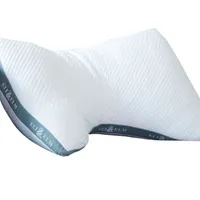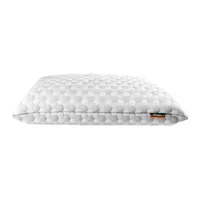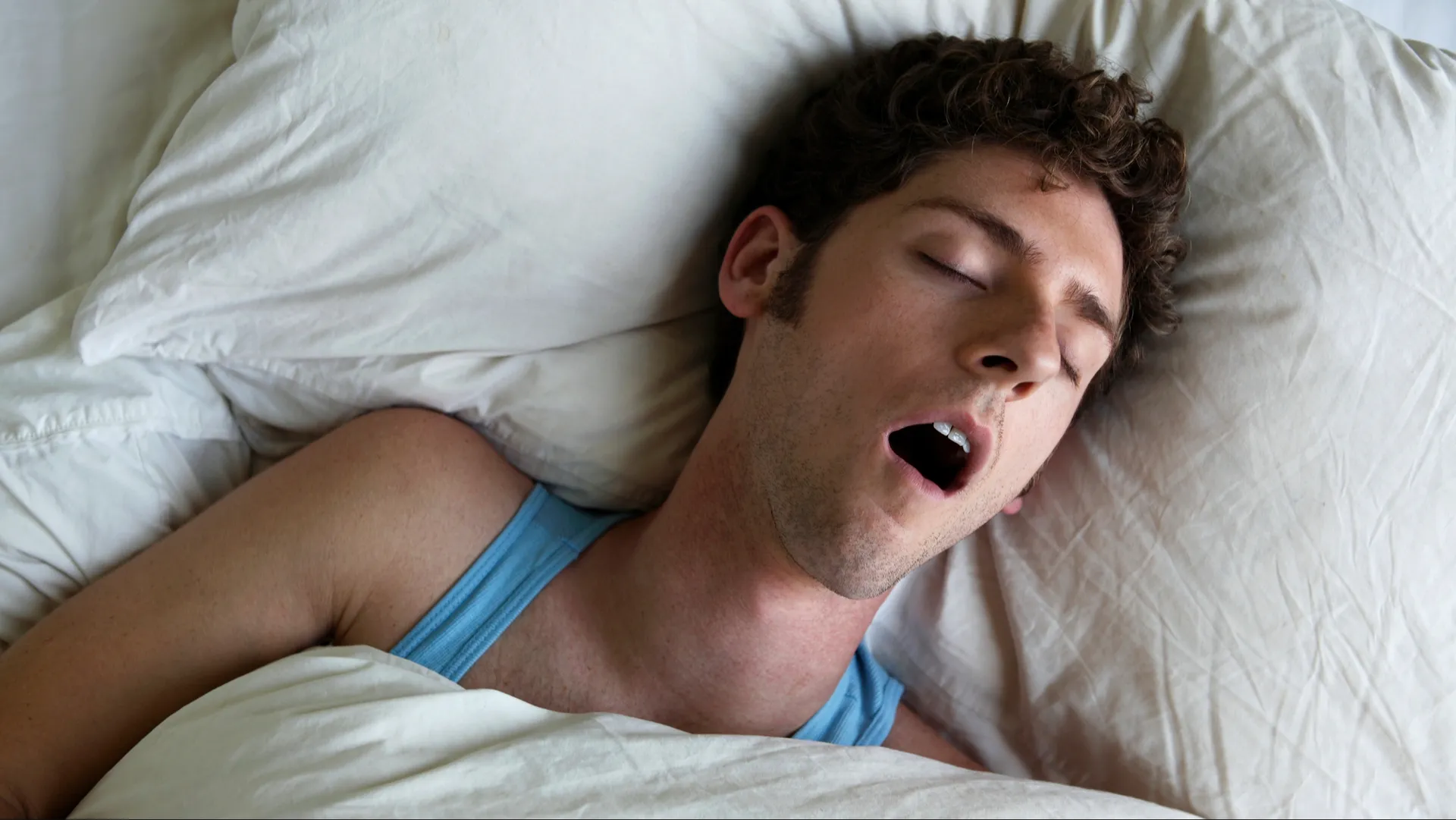
Around 37 million US adults snore, with many turning to anti-snoring devices such as magnetic nasal clips and mouthpieces for relief from snoring. But quite often, the solution is right under your head: your pillow.
By choosing the right pillow and fixing your sleep position, you can make a huge difference in how much (and how loudly) you snore. If your pillow is too flat, too soft, and lacking shape, your airway will narrow and your snoring will go through the roof.
To find out what to look for instead, we reached out to a sleep doctor, a chiropractor, and a dentist for their expert tips on how to choose the best pillow for snoring. Here's what they told us...
Key take-aways: At a glance
- Elevation is vital: The experts we consulted recommend medium to high loft pillows, including adjustable pillows and wedge pillows, to prevent your airway from narrowing while you sleep.
- Side sleeping comfort: Look for a pillow that keeps your spine in a neutral position without pushing your head too far forwards or backwards while sleeping on your side (the best position for reducing snoring).
- Pick support, not softness: Your pillow should also be firm enough to hold its shape through the night – try latex or firmer memory foam. Plus, as too-soft pillows can cause tension headaches.
- Avoid 'the big 3': drinking alcohol before bed, using a pillow that's over two years old, and ignoring sleep apnea red flags like headaches and daytime fatigue.
How does the wrong pillow make snoring worse?
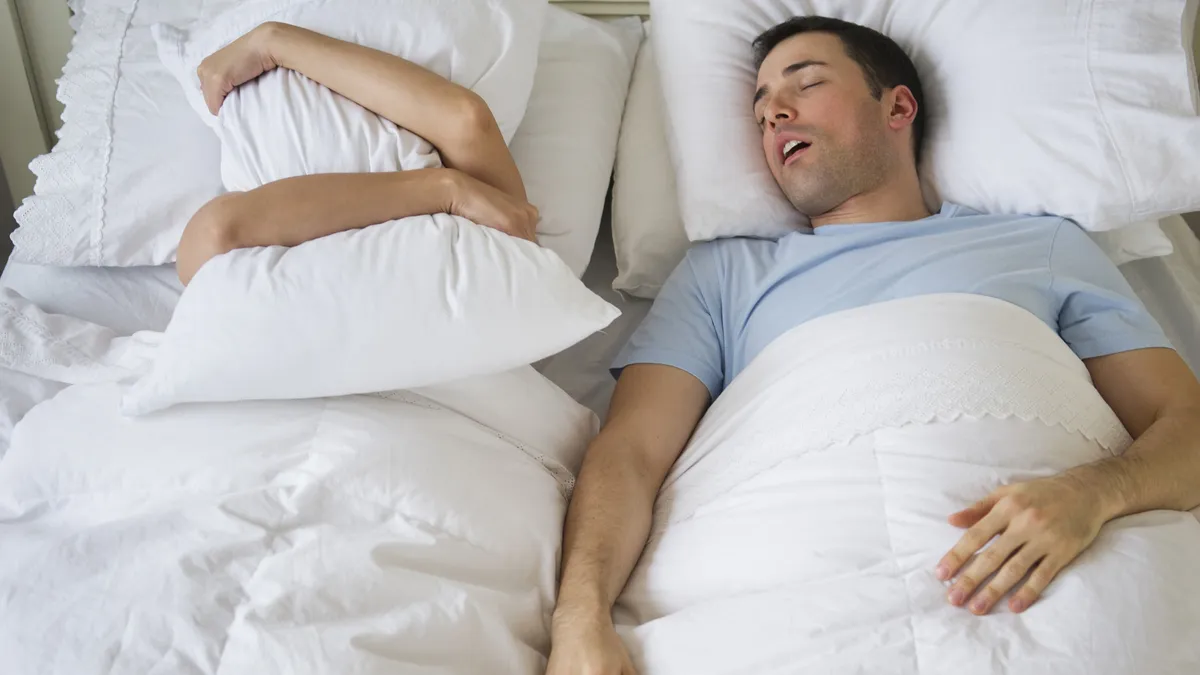
Certain pillows reduce snoring by keeping your head and neck in a neutral position.
But if your pillow pushes your head too far forwards, so you're more chin to chest, or too far backwards, so you're overextended and looking at the ceiling, that can make your snoring worse and louder.
Both positions 'kink' the 'straw' of your airway.
Dr. Joshua Roland, certified sleep doctor at Dreem Health, explains more: "Snoring occurs when your airway is narrowing, and a pillow that keeps you properly aligned can reduce the narrowing."
A pillow that's too soft, or that loses its firmness and shape throughout the night, can also make your snoring worse. That's because you lose the firmer support you need to keep your head and neck aligned to prevent your airway from narrowing.
If your head sinks all the way through to the mattress, this becomes the ultimate snoring trap.
How to choose a pillow for snoring
- Pro tip: To test if your pillow has lost its support and need a new one, try this 30-second pillow test.
"The right pillow can help reposition your neck and head, giving you temporary relief from snoring," says Lauri Leadley, sleep medicine expert and the founder of Valley Sleep Center.
However, there are certain factors you should look out for when choosing a pillow for snoring:
1. Pillow loft
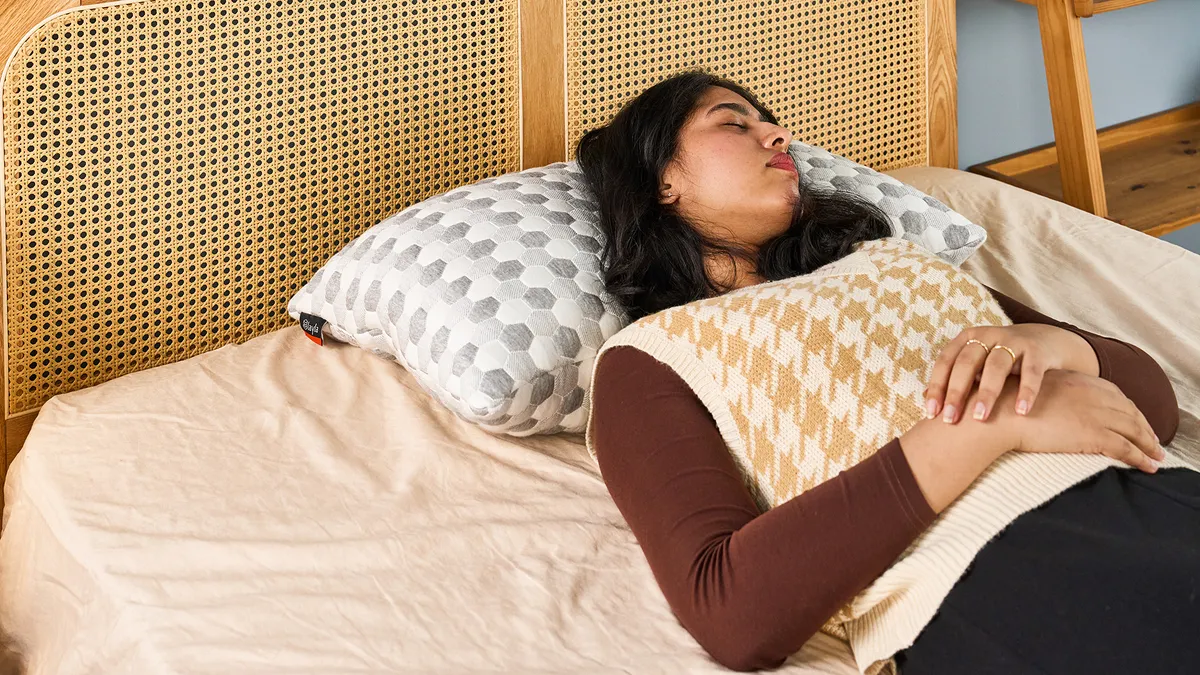
Choosing the right pillow loft or height depends on your build, sleep position, and the level of support you need to keep your neck neutral all night.
"For most people, medium to high loft works well. It should also be firm enough to keep its shape, but still contour somewhat to your head and neck," says Dr Roland.
The idea is to offer enough support to the head without pushing it too far forward or letting it drop too low.
2. Firmness
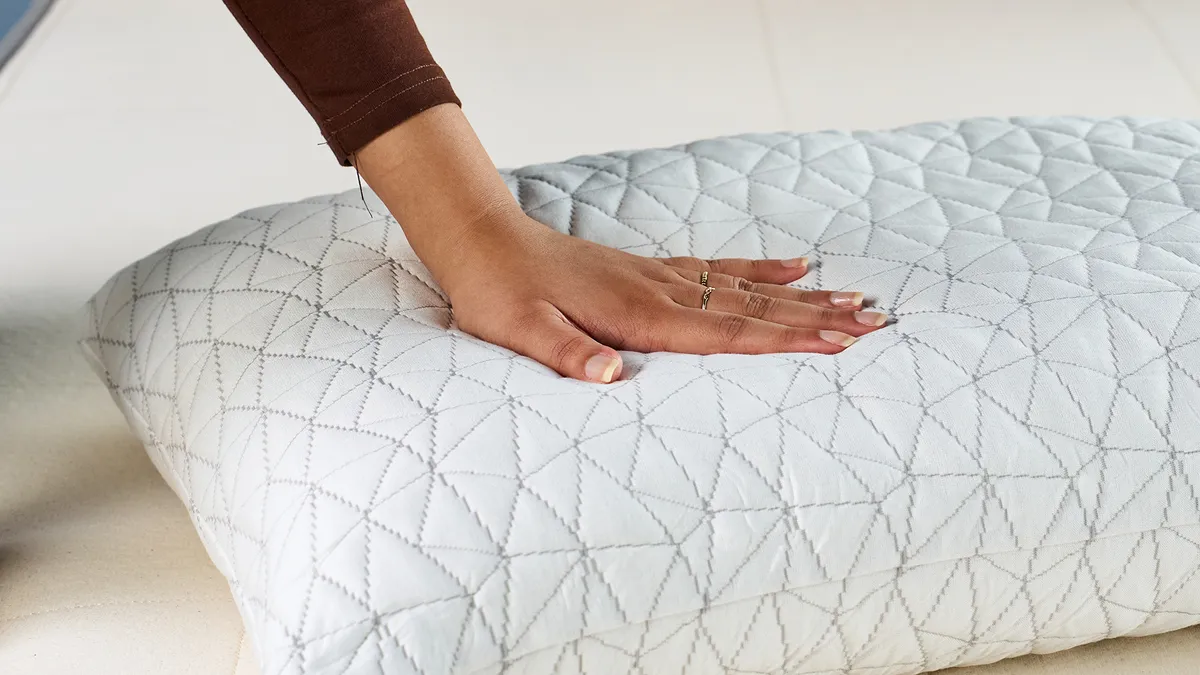
Experts recommend a medium-firm pillow, which strikes a balance between contouring comfort and support of your head and neck.
A medium-firm, medium-to-high-loft pillow also encourages side-sleeping, which is typically considered to help reduce snoring (more on this below).
"Adjustable pillows are often the smartest option because there is no universal formula," says Dr Yenile Y Pinto DDS, founder at Deering Dental.
"A pillow that lets you fine-tune the fill is more useful than one that claims to be perfect for everyone," she adds.
Adjustable features, such as removable fill or inserts, allow customization of loft and firmness and can suit individual needs.
3. Material
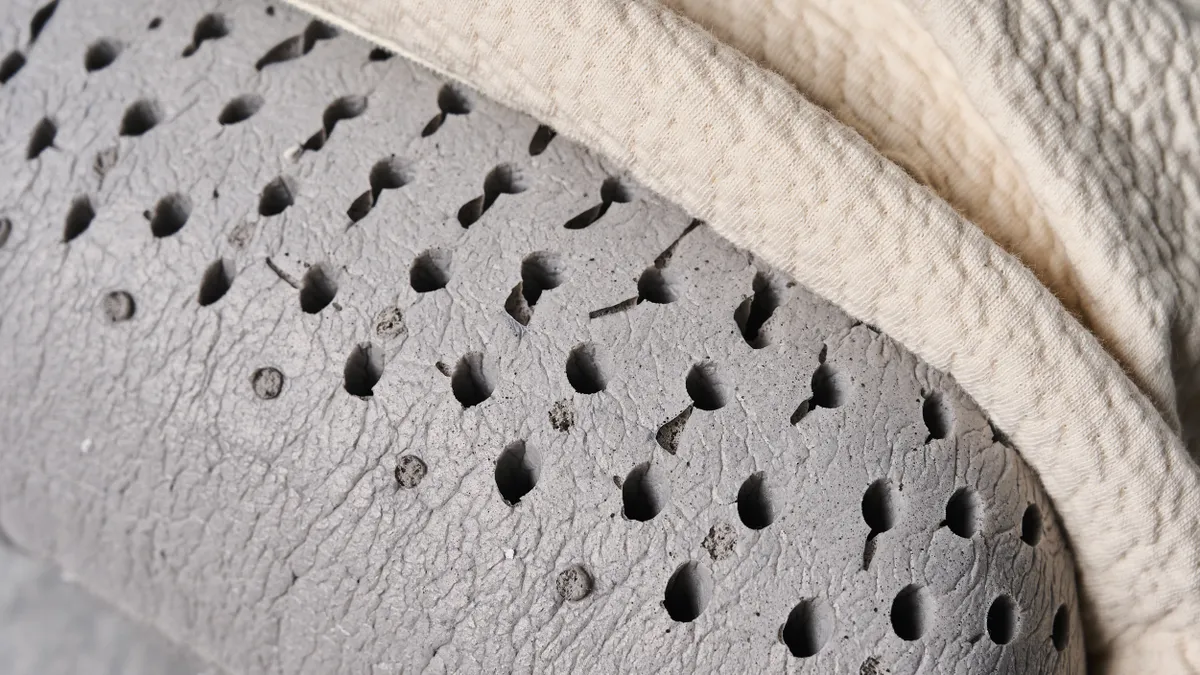
Latex and memory foam are the top options for snorers as they are known to maintain their shape and provide consistent support throughout the night.
Hot sleeper? Choosing a latex pillow will be a clever move. "Latex would be an ideal material because it provides proper firmness while remaining breathable, helping to maintain a comfortable sleeping temperature," explains Dustin DebRoy, DC, manager, Education and Relations at The Joint Chiropractic.
"Pillows that are slightly slanted or wedge-shaped options can also help, by elevating the head and upper body, reducing airway collapse," adds Dr Roland.
The best sleep position for snoring
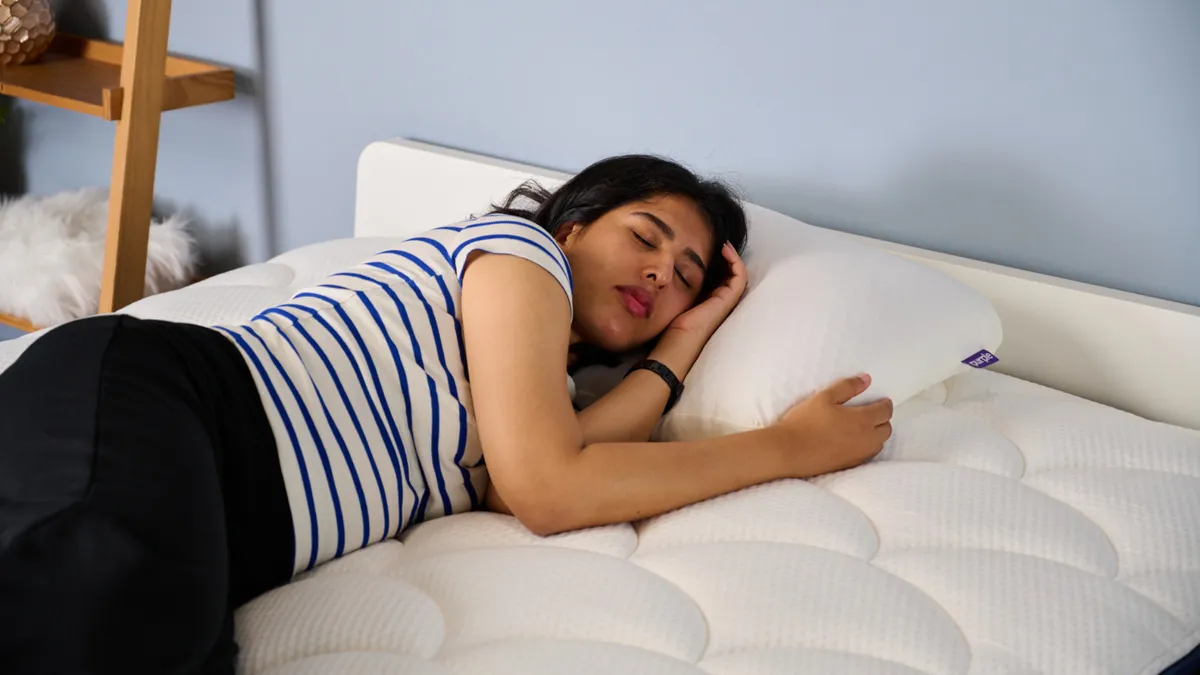
"One of the most common causes of snoring is sleeping on one’s back, as gravity pulls the tongue and surrounding tissues of the neck and chest backwards, which can compress or block the airway," explains DebRoy.
Age-related loss of muscle tone in the throat is another cause which makes the tissues more susceptible to narrowing or obstruction due to gravity.
This is why side-sleeping is considered the best position for most snorers.
"In both these cases, pillows that encourage proper head and neck alignment while promoting side sleeping may help reduce snoring," he says.
3 common mistakes that can make snoring worse
Now that you know how to choose the right pillow to reduce snoring, these are the simple yet avoidable mistakes that can make your snoring worse, regardless of how well-suited your new pillow is:
1. Not changing your pillows
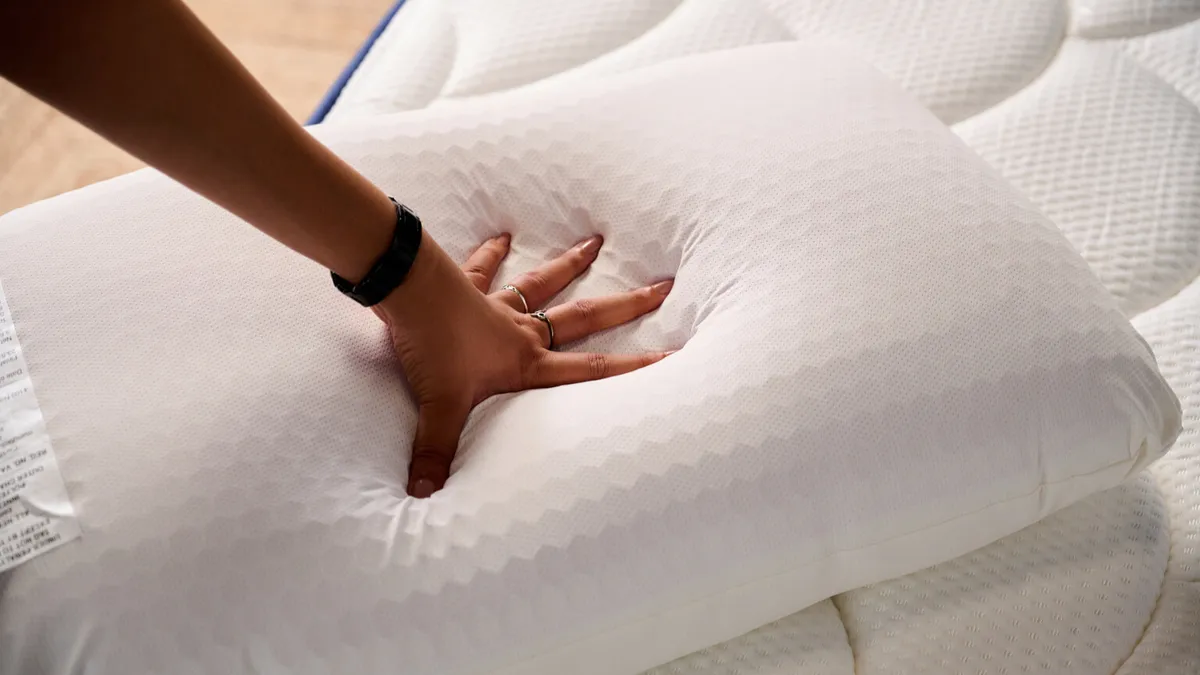
"The biggest mistake is treating pillow choice like a one-and-done purchase instead of a fit issue," says Dr Pinto.
Picking a pillow that feels too tall or too soft can seem comfortable at first, but it may cause more airway blockage. "People buy one pillow, decide it is probably fine, and keep sleeping on something that clearly is not supporting them well," she says.
Continuing to lie on an old and sagging, unsupportive pillow may also contribute to your 'irritating habit'. How do you know if your pillow needs replacing? The 30-second pillow folding trick can help you quickly tell.
2. Drinking alcohol and smoking

Your lifestyle habits may also be quietly contributing to your snoring. According to experts, consuming alcohol and smoking are two of the top causes of snoring.
"Alcohol makes the muscles of the throat more relaxed, exacerbating sleep apnea and snoring, leading to oxygen starvation and poor-quality sleep," said Dr Paul Daidone, medical director at True Self Recovery, in a previous conversation with us.
There are also various studies which reveal that smoking increases the risk of snoring and leads to disrupted sleep over time.
3. Not seeking expert help

"Around half of US adults snore, so it's easy to write it off, but snoring can be a symptom of obstructive sleep apnea, and that's when a pillow switch won’t help," says Dr Daniel Gartenberg, sleep scientist and medical advisor at CPAP.com.
"If you frequently wake up choking or gasping, experience daytime fatigue despite sleeping all night, have chronic headaches and brain fog, or if your partner has witnessed a pause in breathing while you sleep, these may be signs of sleep apnea," he explains.
While the best pillow for side sleepers can help you manage your snoring by keeping your head and neck in a neutral position, Dr Pinto underlines that it cannot fix sleep apnea, poor jaw alignment, bite issues or chronic nasal obstruction.
"I recommend evaluation by an ENT and an airway-focused dentist, and in many cases, a sleep study should be part of that conversation," she says.
Popular pillows for snorers