Over the holidays I experienced a bout of insomnia. Seeking a sleep solution, I decided to put one of my Christmas gifts, a foot reflexology session, to good use. While natural sleep remedies such as yoga and herbal tea are popular, reflexology isn't a well known alternative approach to insomnia.
However, research has shown that reflexology promotes sleep, prepares the body for rest, and decreases anxiety. With these benefits in mind, I decided to give reflexology a shot.
After just one session, I found that my sleep quality improved. I also credit the reflexologist with uncovering a major cause behind my insomnia and other sleep issues.
To find out more about the impact of foot reflexology on sleep, I spoke to Jessica Dickson, a Registered Reflexology Therapist with the Reflexology Association of Canada, for her expert insight. Here's my experience, and what I discovered...
What is foot reflexology?
First of all, it's likely that you're wondering what the heck foot reflexology even is, so Dickson is here to explain.
"Foot reflexology is a treatment where pressure is applied to reflexes in the feet that map to all parts of the body," says the reflexologist. "This is based on the zone theory that all the nerves end in the feet and applying pressure to points on the foot affects parts of the body in that zone."
According to Dickson, massaging the foot's reflexes activates the parasympathetic nervous system (which controls your ability to relax.) "This allows the body to enter a state of rest and repair so the body can come into balance and work to heal," she says.
Can foot reflexology help insomnia?
So, can a foot reflexology appointment really help with insomnia? Dickson says it can, but recommends consistency.
"Weekly sessions can help improve insomnia by allowing the body to enter a deep relaxation, calming the mind and facilitating sleep," she tells me. "A person will usually feel sleepy after a session and enjoy a deep sleep for several nights after a treatment."

While Hannah Shore, Head of Sleep Science at MattressOnline, agrees with reflexology's relaxing effects, she says the treatment should be used as a "complementary therapy". "
"Available scientific evidence suggests using it alongside medically approved methods for treating insomnia," she advises.
What happened during my foot reflexology session
I was initially nervous about my appointment because I didn't know what to expect. I'm also ticklish, and I didn't want to be giggling all the way through.
However, I found foot reflexology to be a calming experience, even with my prior nerves. With a soothing aroma and a tranquil atmosphere, the room where the appointment took place wasn't intimidating at all. I was immediately at ease.

As for the ticklishness, the reflexologist provided such deep pressure that it didn't trigger any ticklish response from me.
Throughout the session, I felt so relaxed that I was half asleep — almost in a trance. And this feeling persisted even after the session ended.
3 ways reflexology improved my sleep quality
Following my reflexology session I was calm and had become more enlightened about my sleep and rest. Here's how reflexology improved my sleep quality...
1. It pinpointed why I couldn't sleep
After the session was over, the reflexologist explained what she'd discovered about me through applying pressure to my feet.
This took me slightly aback — I didn't realize she was picking up secret messages from my toes while massaging them.
But her insight proved to be invaluable.
She told me that I was experiencing lower back and shoulder pain (I had been sleeping on a different mattress over the holidays and it was much older and thinner than my own) and dyspepsia (my eating habits had changed, too). These issues were most likely playing a part in my insomnia.

Reflexologist Dickson says that this practice is great for getting to the bottom of sleep issues.
"Reflexology can possibly pinpoint what might be disrupting sleep when tightness or tenderness is felt in certain reflexes," she explains to me.
"For example, tightness in the reflex related to the lower back may be caused from an unsupportive mattress. Tenderness in the area of the reflex for the intestines may indicate digestion issues."
2. It calms the body and mind
As mentioned above, reflexology relaxes you so much that you feel halfway between sleep and wakefulness.
"Reflexology improve sleep by activating the parasympathetic nervous system which puts the body into a state rest and repair," says Dickson. "This calms the body and the mind allowing for restful sleep."
So following a session of reflexology, your body is primed for bed time.
3. It encourages good sleep hygiene habits
When my reflexologist was finished, she poured me a glass of water to immediately hydrate after the session.
Why? Dickson tells me that, in reflexology, aftercare is just as important as the session itself, because the activities I do following the appointment need to sustain the calmness I felt during the session — and these relaxing activities all promote good sleep hygiene.
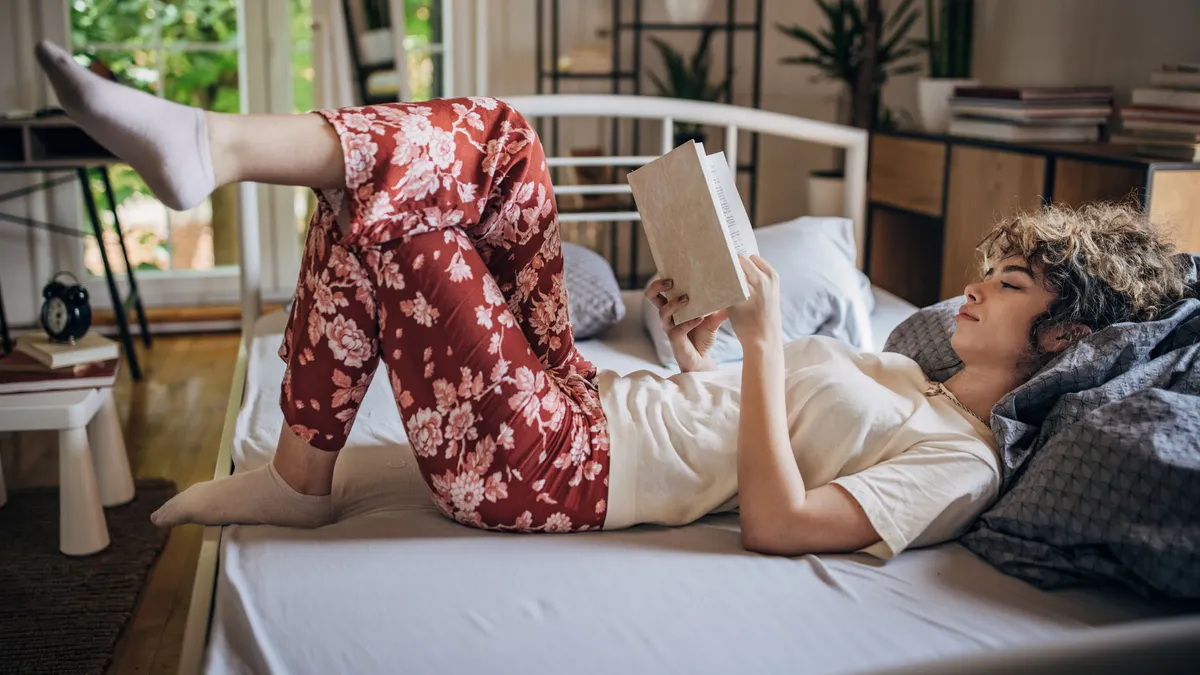
"To help you sleep after a reflexology session, it is best to relax and try to avoid a lot of physical activity," she advises.
"Drink water, but not too much because you don't want to have your sleep disturbed if you have to get up to empty your bladder. Avoid caffeine, alcohol and sugar as these will disrupt your sleep cycles."
What is the best way to treat insomnia?
Sleep expert Shore says that while you can use foot reflexology to alleviate insomnia, it should complement more standard medical approaches.
"The go-to method for treating insomnia is CBT-i," the sleep scientist recommends. "This should be done with a trained professional, ensuring gold standard treatment."
CBT-i (cognitive behavioral therapy for insomnia) is widely recognized as an effective insomnia treatment, addressing the cause of the sleep disruption with the help of a trained therapist.
"The specialist will work with you to find the root cause of the problem, help you establish good sleep routines, and perhaps work on things throughout the day that can help you too," says Shore.

Follow Tom's Guide on Google News and add us as a preferred source to get our up-to-date news, analysis, and reviews in your feeds.