




Sleep matters. It affects your mood, focus, motivation and long-term health. Yet many of us struggle to get enough of it.
The best sleep trackers can help you understand what’s happening overnight and research suggests we’re more likely to improve habits when we measure them.
But a new wave of sleep tech goes even further. These devices don’t just monitor your rest, they claim to actively shape it.
From adjusting temperature and masking noise to delivering calming audio and personalized coaching, here's how sleep tech can optimize your rest.
How technology is changing your sleep
Sleep tech has evolved beyond collecting data. Today’s best sleep trackers offer valuable insights but turning that information into better rest isn’t always straightforward.

As sleep and technology experts, we’ve seen a wave of new products that actively support sleep rather than just report it. The devices in this guide are designed to respond, adapt and intervene — and we’re excited about their potential to make a real difference to the way we rest.
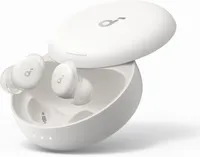
Sleep earbuds that can add hours to your rest
We know the best wireless earbuds are pushing the limits of audio quality but a new generation of headphones are being built specifically for sleep.
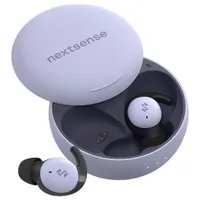
One of the most ambitious examples is NextSense. In our interview with the CEO and founder, Jonathan Berent, he told us the device added an extra hour to his nightly sleep.
We go beyond tracking, we have a way to actually improve sleep now
Jonathan Berent, founder of NextSense
NextSense earbuds use EEG sensors to monitor your brain activity as you sleep. They detect indications you might be waking up in the middle of the night and respond with soundscapes that target slow wave activity, nudging you back into a deeper sleep stage.
Other sleep-focused earbuds are also emerging, designed to mask snoring, block disruptive sounds or deliver soothing white noise. And the best sleep headphones are also prioritizing comfort, to be worn all night long.
These newer devices go further than the passive noise blocking of ear plugs, aiming to actively improve the quality of your sleep itself.
Nerve stimulators to help you fall asleep fast
Another fast-growing trend in wellness tech is vagus nerve stimulation. These wearable devices are designed to gently stimulate the vagus nerve, a key part of the parasympathetic nervous system, which helps regulate calm, recovery and sleep.
The idea is that if you can encourage the body into a more relaxed state, it’s easier to fall asleep and less likely you’ll wake up during the night.
Brands such as Pulsetto and NuroSym position their devices as stress reduction tools with sleep benefits.

Our sleep tech expert Eve Davies used them both as part of a wind-down routine before bed. She found the sensation subtle but relaxing and recommends them to those who can afford to experiment with new approaches but warns it's not a guaranteed fix.
Research into long-term sleep outcomes of vagus nerve stimulation is still developing but these gadgets signal a broader shift into tech that actively influences your body’s physiology before you even turn out the lights.

Sleep trackers that act like your sleep coach
Sleep trackers aren’t new but they’re becoming smarter and proactive.
The aim is to move from passive tracking to practical support
As sensors improve, they measure far more than just the time you climbed into bed and got out. Skin temperature, heart rate variability, breathing rate and movement all feed into rich datasets. That information is passed to AI-powered algorithms that analyze your data and turn it into tailored guidance.
Today’s trackers can highlight patterns, suggest better bedtimes, recommend wind-down routines or adjust recovery targets based on strain, temperature changes and your sleep trends.
The aim is to move from passive tracking to practical support.

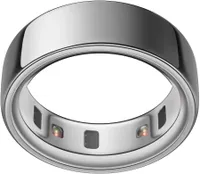
The result feels closer to a digital sleep coach, gently nudging you toward better habits and flagging potential issues early. The Oura app, for example, has an Oura Advisor feature, which uses algorithms and AI to interpret data from your Oura Ring and respond to questions in real-time.
That said, while AI-driven guidance can be helpful, it’s not a replacement for professional support. Ongoing sleep problems should always be discussed with a qualified healthcare professional or a specialist sleep coach.
Mattresses that help you keep your cool
Overheating is one of the most common reasons people wake up during the night. The best cooling mattresses are designed to regulate your temperature, which can reduce night sweats and disturbances. But some sleep systems are now going even further.
Smart mattress covers, like the Eight Sleep Pod, combine active temperature control with built-in sleep tracking.
Instead of simply using breathable materials, they circulate cooled (or warmed) water through the surface of the cover and automatically adjust throughout the night based on your sleep data.
If your body temperature rises, the system responds in real time to keep you in a more stable, comfortable zone.
Features like Eight Sleep’s hot flash mode create highly targeted cooling, particularly beneficial for sleepers experiencing menopause.
These mattresses are part of a broader shift toward smarter, more adaptive sleep environments that respond to what your body needs in the moment.
What’s next for sleep tech?
Sleep tech used to focus on just measuring your sleep. But this new era of sleep gadgets is set to actively improve it.
Sleep tech is becoming more advanced and more accessible
We expect to see this trend continue, with even more devices designed to enhance your rest in real-time. Whether that’s adjusting temperature, sound, light, air quality, or even subtle neural signals to help you fall asleep faster and stay asleep longer.
At the same time, technology once confined to sleep labs is moving into the mainstream. EEG sensors, like those used in NextSense, are based on polysomnography, the gold-standard clinical monitoring system.
And features such as blood oxygen (SpO2) tracking, once considered specialist, are now also common in wearables. Sleep tech is becoming more advanced and more accessible.

The bigger question is how much of it we actually need. Many of these devices are expensive and while sleep struggles often overlap, rest is deeply personal.
We also know that more data doesn’t always translate into better sleep and fixating on metrics can create its own anxiety, a phenomenon known as orthsomnia.
The most effective tools will likely be the ones that work quietly in the background, supporting your environment and physiology without turning sleep into another thing to optimize.

Follow Tom's Guide on Google News and add us as a preferred source to get our up-to-date news, analysis, and reviews in your feeds.

