




Google’s AI research assistant NotebookLM, known for turning uploaded documents into podcasts, flashcards and quizzes, is getting another major upgrade — and this time it’s all about turning your research into something far more visual.
Starting today, Google is introducing Cinematic Video Overviews, a new feature that transforms uploaded documents and research into fully animated video explainers.
Instead of simple narrated slides, NotebookLM can now generate animated scenes and dynamic visuals for story-driven video summaries designed to help users better understand the topics they’re researching.
The feature will roll out in English for Google AI Ultra subscribers on the web and mobile.
What Cinematic Video Overviews actually do
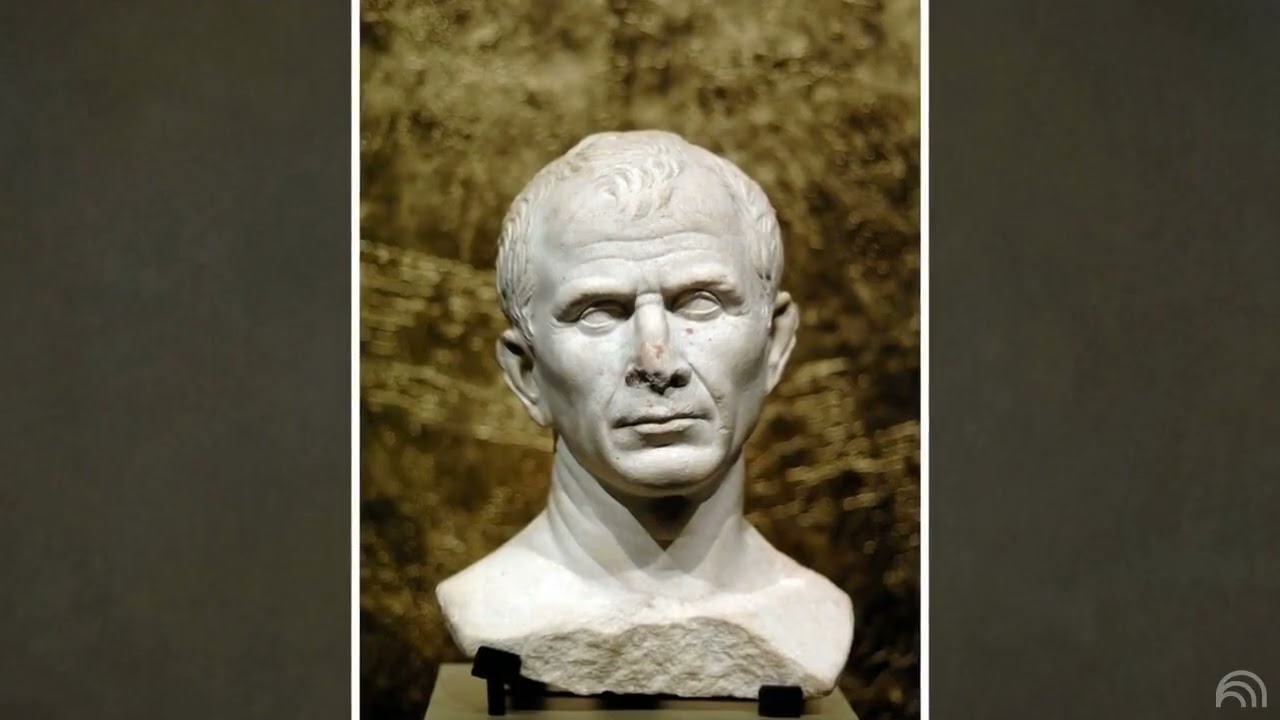
NotebookLM already lets users upload documents, research papers and notes to generate summaries or ask questions about their sources. The new Cinematic Video Overviews feature pushes that idea further by turning the information into a visual narrative.
According to Google, the system can analyze uploaded sources, build a structured explanation around the material, and generate animations to illustrate key ideas.
For example, a set of research notes or lecture materials could be transformed into a visual overview designed to make the topic easier to follow and understand. In practice, the result is something closer to a short explainer video than a traditional text summary.
How the AI builds the video
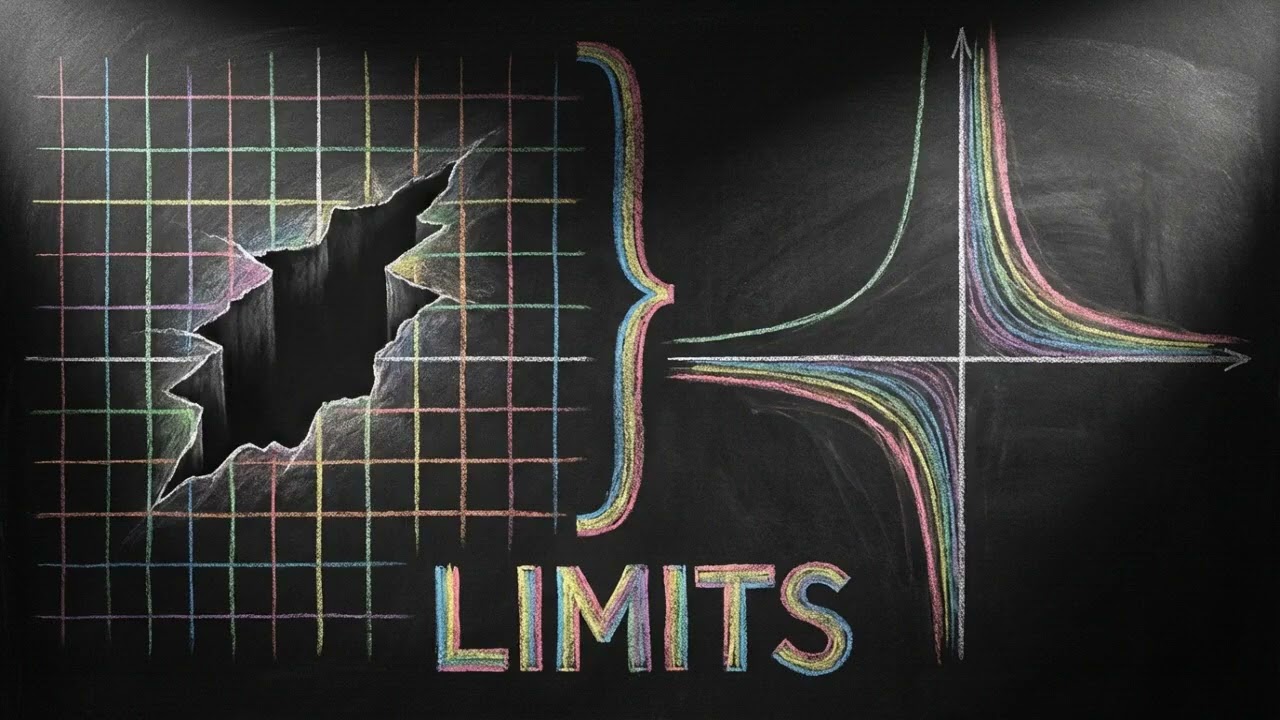
The feature relies on a combination of Google AI models working together behind the scenes.
Cinematic Video Overviews use:
- Gemini 3 to understand the source material and structure the narrative
- Nano Banana Pro to generate images and visual elements
- Veo 3 to create the final animated video output
AI tools have spent the last two years getting dramatically better at summarizing text and answering questions about documents. But the next phase of the technology is increasingly focused on multimodal output — meaning AI that can turn information into images, presentations and now video.
Essentially, Gemini takes everything you give it (messy notes, research documents, etc.) and effectively acts as a creative director for the process, making hundreds of structural and stylistic decisions about how the video should unfold.
The model determines the narrative flow, selects visual styles and formats and even refines the output to keep scenes consistent throughout the video.
Now, instead of simply summarizing documents, the AI is actively designing how the story should be told visually.
Bottom line
NotebookLM started as an AI tool that could summarize documents and answer questions about your research. With Cinematic Video Overviews, Google is pushing it a step further — turning it into a tool that can transform notes and source material into visual explanations.
For students, researchers and professionals, that could mean turning dense documents into short videos that are easier to understand and share.
The feature launches today in English for Google AI Ultra subscribers aged 18 and older on both web and mobile.

Follow Tom's Guide on Google News and add us as a preferred source to get our up-to-date news, analysis, and reviews in your feeds.
More from Tom's Guide

