Although we shouldn’t take them as gospel, your sleep score does provide a helpful reflection of how well your body has rested and recovered overnight.
As a sleep tech writer I do get solid rest on the whole. But after a busy festive period, I came into this year with the intention of really focusing on my sleep and recovery to help prepare me for the spring marathon I’m training for.
I’ve made three significant changes to my sleep in the last week and it seems like they’re paying off – last week I finally bagged a 97 sleep score on my Apple Watch, one of the best sleep trackers I've tested.
That’s the highest score I’ve earned in a long time. And it’s all down to a little discipline and mindfulness around my sleep and bedtime routine. Here’s what I’ve been doing…
- Read more: These 5 overlooked Google Clock app features helped me quit bedtime doomscrolling to get more sleep
The 3 changes that bagged me a 97/100 sleep score on my Apple Watch
After dialling in on my sleep hygiene and fine-tuning my bedtime routine, my scores have improved through February and into the beginning of March.
How exactly did I supercharge my sleep? Let’s dig in…
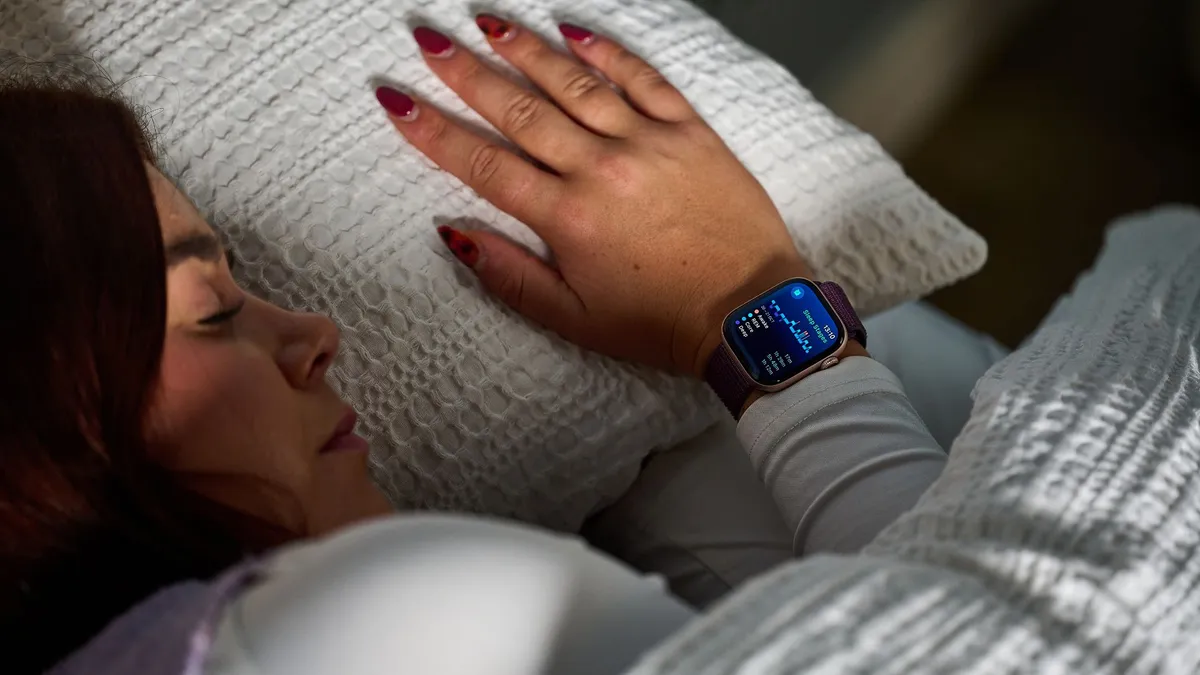
1. I got into bed later in the evening
While you may think darker evenings mean better sleep (it’s true we need darkness for sleep hormones like melatonin to be released), they actually made my sleep worse.
That’s because I was getting into bed too early. In the depths of winter in the UK, 7pm can feel like midnight; it’s already been dark for 3 hours, it’s too cold to go out, and the thought of curling up under the covers is all too inviting.
Falling into the trap of getting into bed two hours before my intended sleep time clearly took a toll on my sleep quality.
After lounging around in bed, scrolling on my phone or watching something on Netflix, I found myself feeling wired rather than tired by the time my actual bedtime came around.
Now, I’ve reinforced expert advice around keeping your bed a sleep sanctuary and training your brain to associate it with sleep.
I’m making a conscious effort to spend more time relaxing in the living room rather than my bedroom in the evenings. This simple switch has made it easier for me to fall asleep fast when my head hits the pillow.
2. I turned off my 5.30 a.m. alarm
Thanks to my sleep-central algorithm, I’ve seen a lot of content on social media lately revealing the truth behind 5 .a.m. wake ups — once a token of productivity and success, they’re now recognised as a path to burnout and energy crashes.
This post from Emily Austen, podcast host and author of Smarter: 10 Lessons for a More Productive and Less-Stressed Life, got me thinking about my own sleep routine…
Last year, I was waking up super early to cram an early run in before a long commute. A recent change in work circumstances has meant I no longer have such a long commute and I’ve now been afforded more time in the mornings.
Instead of sticking to that super early alarm, I’ve shifted my wake up time to around 7 a.m., and I’m seeing the benefits in my sleep.
I don’t know about you but an early alarm causes me a lot of anxiety the night before — what if it doesn’t go off? What if I sleep through and don’t make my train? Without that anxiety, I’m now drifting off easier and not waking up in a panic at 4 a.m.
3. I kept my phone out of my bedroom
If you’re prone to revenge bedtime procrastination and often find yourself scrolling into the small hours, this is a key sleep habit to adopt.
Experts advise banning your phone from your bedroom to preserve your sleep and your mental health.
Not only is scrolling, flicking, or swiping literally addictive, but the content we tend to consume online is stimulating (those funny reels) as well as distressing (those news headlines). In other words, it’ll get in the way of peaceful sleep.

To clear my mind before bed and kick my doomscrolling habit, I’ve been putting my phone on charge outside my bedroom. Instead I’ve been reading at least 10 pages of a book before going to sleep, and using a sunrise alarm clock to wake up.
Lulled to sleep by reading, I’m finding it easier to stick to a consistent bedtime and I’m falling asleep faster.
Not having my phone in the room means that when I briefly wake up during the night I can’t check the time. Instead of making mental calculations, worrying about how many hours I’ve slept and how long I’ve got until my alarm rings, I’m calmly nodding back off.
My average sleep score before I made these changes
I’d describe myself as a good sleeper. But after a busy December and stressful January, my sleep scores and my perceived sleep quality were beginning to slip.
I just wasn’t getting the sleep my mind and body needed, especially considering I’ve been training for my next marathon.
And the Apple Watch was picking up on my sub-par sleep.
Here’s an example of an average night’s sleep score for me in December and January (before I implemented the above changes in my sleep routine), compared to last week’s average scores...

Thanks to the Apple Watch settings to help you follow the 7:1 sleep rule, I’m now sleeping an ideal seven and a half hours sleep and, crucially, that sleep is of good quality with less interruptions.
When you look at the sleep stage data below, you can see my sleep cycles are much more stable.
I’ve spent ample time in restorative deep sleep and REM sleep stages rather than getting fragmented, less restorative core sleep — and this is down to better preparing my body and mind for good sleep.
Safe to say, I’ll be sticking with these three key changes to my sleep habits for a while to come yet.

Follow Tom's Guide on Google News and add us as a preferred source to get our up-to-date news, analysis, and reviews in your feeds.