I've always thought that insomnia has one root cause and, once that cause is eliminated, there'll be no more restless nights.
So, when I experienced a bout of insomnia while staying with my family over Christmastime, I kept searching for what the problem was so I could fix it and get some rest.
At first, I chalked it up to the first night effect, but even on the last morning of my 10-day stay, I found I was waking up with a groggy feeling.
So, to figure out why I had such a hard time sleeping away, I decided to get in touch with three sleep experts: Denise Iordache, sleep therapist and founder of JoySpace Therapy; Dr Lindsay Browning, a sleep expert at Trouble Sleeping; and Dr Seeta Shah, a sleep expert at Panda London.
Here are the five things they think was behind my insomnia, and how this insight shaped my view of sleep.
What I found out about insomnia from my holiday stay...
Insomnia doesn't just appear out of thin air; there's always a reason behind it . Hormonal changes, diet, caffeine consumption and even the time of year can play a huge role in your sleep schedule.
When I asked sleep experts why I had insomnia staying at my family's house for the holidays, I was hoping their answers would uncover the source so I could eliminate it fast.
Instead, they made me realise how complex sleep really is, and a lack of it is usually down to a combo of issues rather than just one.
Here are the five things that contributed to my insomnia, and how they worked together to form my trouble sleeping.
Five reasons why I had insomnia
1. Sleeping on a bed higher than my own

In my day-to-day life, I sleep on a low-profile platform bed frame, just 13.5" off the ground.
However, when returning to my childhood bedroom, I found that my bed had been replaced by my sister's old bed frame.
The frame has a storage compartment underneath, which raised me almost a foot higher than my own bed in my apartment. And this, according to Dr Shah, can trigger a disorienting feeling.
"Sleeping on a bed that is higher than what you’re accustomed to can subtly affect sleep, especially in the first few nights," explains the medical expert.
"A higher bed can change your sense of spatial orientation and balance, which may increase alertness when getting in and out of bed. For some people, this unfamiliar height can trigger mild anxiety or a feeling of instability, leading to lighter or more fragmented sleep. "
2. Sleeping on a different mattress

In my home, I sleep on the EGOHOME Black 12" Memory Foam Mattress, a 12" tall all-foam bed that supports me in all sleep positions (it's also one of the best cheap mattresses you can buy).
However, when visiting family, I slept on an 8" mattress with a traditional innerspring design, and the difference was palpable.
I also found myself waking up with aches and pain in my lower back, calves and ankles
I also found myself waking up with aches and pain in my lower back, calves and ankles.
"It is important to have a mattress that supports your sleeping style, allowing your spine to maintain a neutral position," explains Dr Browning.
"If the mattress you are on is much harder or softer than the one you are used to, this can affect spinal alignment making you feel uncomfortable in bed, disrupting sleep."
Iordache also says it may be the unfamiliarity of a new mattress that creates physical discomfort. "Your body has a physical ‘memory’ of your mattress at home, its pressure points, firmness, and how it absorbs heat" she tells me. "Moving to a different mattress, even a high-quality one, creates a sensory mismatch."
3. Change in dinner time
I am a huge fan of intermittent fasting for sleep and find that an early dinner help my sleep immensely.
However, when visiting a family for a holiday or event, I find that I'm unable to sustain that lifestyle choice.
Family dinners, dining out, and social snacking mean I have to adapt to others' eating schedule and habits, and that can have a negative impact on sleep.
"Our circadian rhythm is primarily influenced by light but it is also affected by other factors such as activity, temperature and meal timing," Dr Browning explains.

"Eating too late can cause sleeping problems because large or particularly rich meals too close to bedtime can increase body temperature as well as causing gastric issues."
Increased body temperature was something I definitely found to be true, and Dr Browning says this rise can go against the body's natural sleep signals.
"In the evening, there is a typical drop in core body temperature of around 33.8°F," the insomnia expert tells me. "This helps with sleep onset, and eating too close to bedtime can interfere with this drop in temperature."
4. Increased socialising

I am not a social butterfly, and find that after work or events, I need time to recharge my social batteries.
During the festive period or when visiting my hometown, I find that I have to be a little more switched on when reconnecting with ones I haven't seen in a long time, which often meant I fell back into my bedtime revenge procrastination when I finally got time to myself.
Increased socialising often leads to later bedtimes, greater cognitive stimulation, and elevated stress or excitement levels
According to Dr Shah, even positive social interactions can keep the brain in a more alert state, reducing the ability to wind down efficiently before sleep.
"Increased socialising often leads to later bedtimes, greater cognitive stimulation, and elevated stress or excitement levels, all of which can delay sleep onset," says the sleep expert.
"Social activities may also involve caffeine, alcohol, or screen exposure, which further suppress melatonin and disrupt sleep architecture."
5. Change in environment
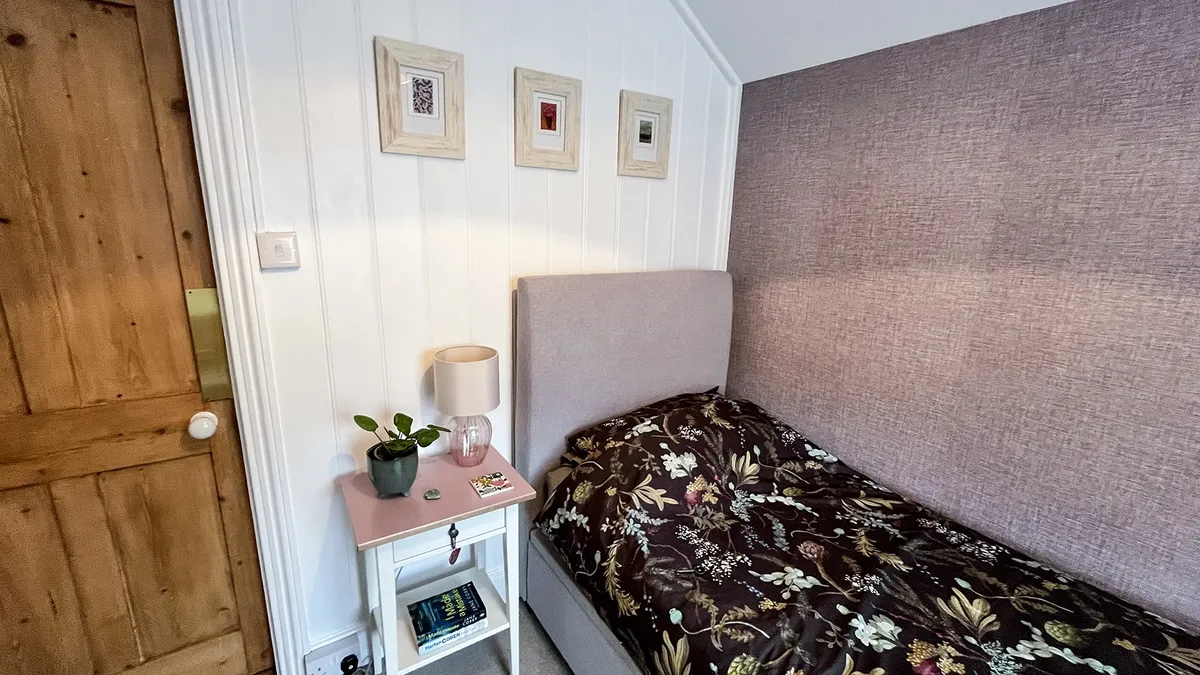
Just to be clear: I love my family and they were welcoming, so a frosty or hostile home wasn't the problem.
However, I did find myself being hypnotized by childhood bedroom and reverting back to my teenage self — and my old teenage sleep patterns. Among them were oversleeping and being a night owl.
"When you step into your childhood bedroom, you may subconsciously slip into teenage sleep patterns, which often involve staying up later and sleeping in, says Iordache.
"If that room isn't currently associated with your adult routine of productivity and structured rest, your internal clock may lose its anchor, leading to the erratic schedule you may have experienced in the past.”