It's difficult to know how long it takes you to fall asleep. Unless, of course, you have a sleep tracker.
Yes, there have been low-tech ways to measure sleep onset latency, such as the spoon test (one of TikTok's many sleep trends) or sleep journaling, but these are harder to perform and much less accurate.

The best sleep trackers help you understand your sleep length and quality.
Sleep trackers, on the other hand, do the work for you and provide precise results, as I recently found out when testing the Fitnexa SomniPods 3, now $179.99 down from $189.99 at Fitnexa.
I wanted to see if the SomniPods could join the ranks of the best sleep headphones but they ended up discovering something about me.
Unsurprisingly, the sleep-tracking earbuds showed that the time it takes me to fall asleep is between five and 20 minutes —a common sleep latency for most adults — expect on one night.
During that night, my sleep tracker not only noted I was having trouble falling asleep, it alerted me, making me retrace my steps to find out what independent variable was causing this short-term sleep onset insomnia.
Here's what was causing my trouble sleeping — and why I won't do it again.
What my sleep tracker helped me realize about my insomnia
I had been using the Fitnexa SomniPods 3 for over a week and a half when it helped me spot where my sleep hygiene was going wrong.
From the first night I used them, the SomniPod's sleep data showed me that, while my sleep was far from perfect (I'm not getting anywhere near enough REM sleep for a start), my sleep latency was on track for a healthy adult.

However, one night, it wasn't...
I always I assume that it's taking forever to fall asleep and then I wake up and the data shows it didn't take taking long at all. But one night, the Fitnexa app proved that this time, it wasn't all in my head.

"I noticed you're still awake," messaged Lana, an AI-powered personal wellness assistant within the Fitnexa app, over 30 minutes after going to bed. "Are you having trouble falling asleep?"
As my self-described 'sleep guardian' had never said this before, it caused me to retrace my evening routine and reevaluate a seemingly innocuous activity: watching a true crime documentary.
I'm not a stranger to true crime but usually I watch or listen to it during the day. That means by the time I go to bed, enough time (and comedies) have passed to cleanse my brain of the creepiness.
However, watching it at night meant the disturbing content still lingered in my head (it also didn't help that both my roommates were out of town).
Why unsettling content before bed can cause sleep issues
Why did I know that watching a true crime documentary was the root of my insomnia? Well, for a start, it's was the only thing that I'd added to my nighttime routine.
And second, disturbing or unsettling content such as true crime documentaries, horror movies, violent shows, or even a fear-mongering news article, are known to be sleep disruptors.
According to Hannah Shore, the Head of Sleep Science at Mattress Online, this disruption dates back to our earliest ancestors, who could sleep when they knew they were safe from prehistoric predators.
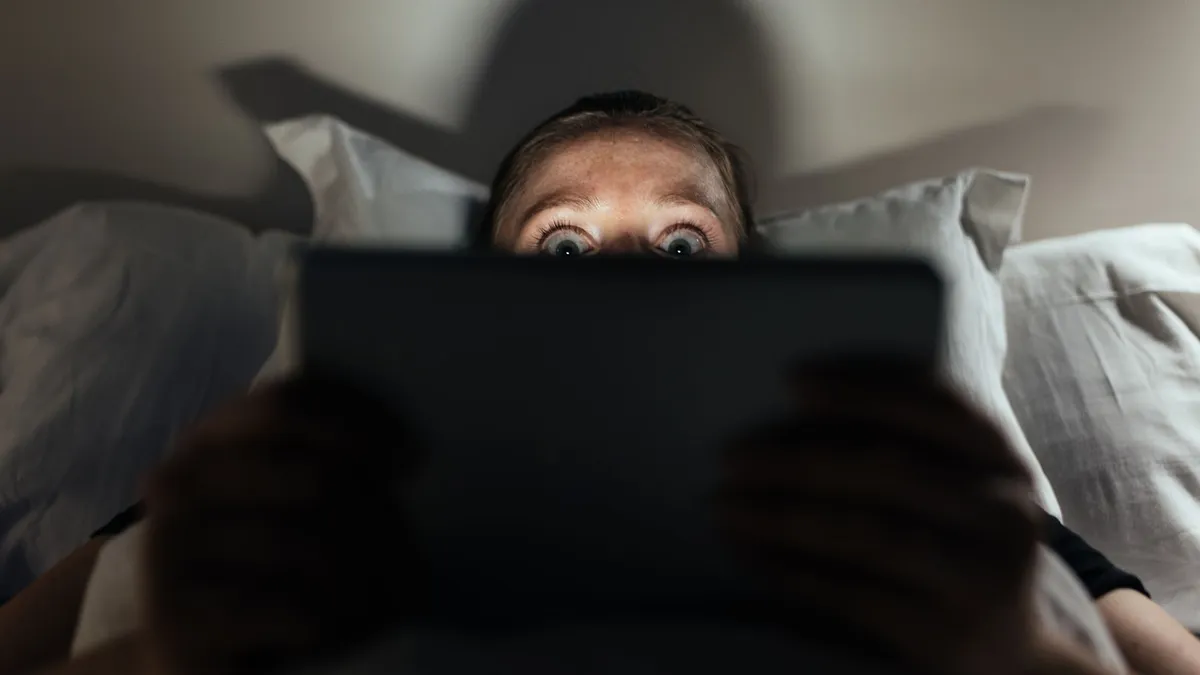
"Now, we still only sleep when we feel safe, but instead of a saber-toothed tiger hunting us, different stressors keep us awake," Shore tells me. "This could include some of the content we consume directly before bed."
"When we consume content that is distressing just before we go to bed, it can leave us feeling a little unsafe," she continues. "This can prompt the fight or flight response system, meaning the body is producing wake-promoting hormones, such as adrenaline and cortisol, which prevent you from falling asleep easily and lead to increased warning throughout the night."
What to do if you can't sleep after reading or watching unsettling content

If you've already watched or read something disturbing, either advertently (watching a scary movie) or inadvertently (receiving a nasty text from someone) and can't fall asleep, Shore says there are way to get re-settled and start "producing sleep-related hormones, like melatonin, which will help us drift off to sleep more easily."
"Try watching or reading something more lighthearted for 30 mins before you try to sleep," she suggests.
Who knew rewatching an episode of Friends you've seen 100 times could be such a sleep fix?
How can you avoid unsettling content before bed?
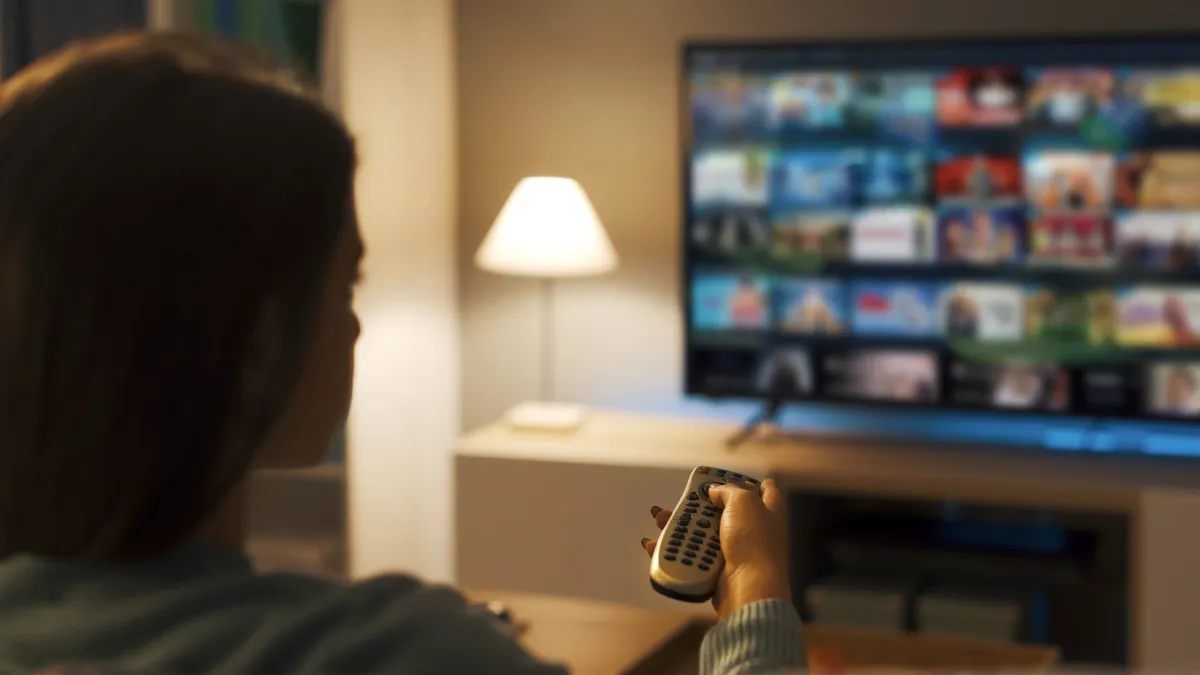
While it's easy to avoid horror movies (just don't watch 'em) before bed, it isn't always easy to steer clear of distressing content in this digital age of doomscrolling.
"You never know what will appear next on your social media feed, so I recommend trying to stay off that," Shore warns.
In terms of what you should be doing to get settled before bed, Shore advises relaxing activities, such as breathing exercises, mindfulness, and rereading or rewatching your favorites.
"By rewatching or rereading something you know, you are more likely to fall asleep more easily than when you are watching or reading something new," says Shore. "It can provide you a little comfort knowing that there are no surprises."

Follow Tom's Guide on Google News and add us as a preferred source to get our up-to-date news, analysis, and reviews in your feeds.