While your pillows may look fresh and fluffy, during regular use they soak up all manner of oils, sweat and drool, creating a hot bed for bacteria and dirt. When not cleaned regularly, this can cause skin irritation, allergic reactions or breakouts.
Tossing your pillow in the washing machine might seem like the easy solution, but rough handling can cause the fill to clump or flatten. And that's just one of the mistakes highlighted by the cleaning experts we spoke to.
Messing up the washing process can ruin even the best pillows that have been carefully crafted for sleepers using high-quality materials. So, here’s a step-by-step breakdown of how to clean pillows in a washing machine without sacrificing comfort and support…

3 key mistakes everyone makes when machine-washing pillows
When you know just how much bacteria is in your pillow after two weeks without washing, you'll probably feel compelled to clean quickly and thoroughly — the washing machine is the first port of call.
However, everything from the temperature of the water to the amount of detergent plays a role in ensuring your pillows come out clean and fresh.
Below are the common mistakes people make while machine-washing pillows, according to cleaning experts Petya Holevich and Catherine Green:
Using too much detergent

You might assume that more detergent equals cleaner pillows but the truth is a little more murky. Excess detergent gets trapped deep within the pillow filling and is extremely difficult to rinse out fully.
"This leaves a soapy residue that can cause skin irritation, attract more dirt over time, and leave pillows feeling stiff and clumpy rather than soft and fresh," says Green, a sustainable cleaning expert at smol.
The wrong temperature
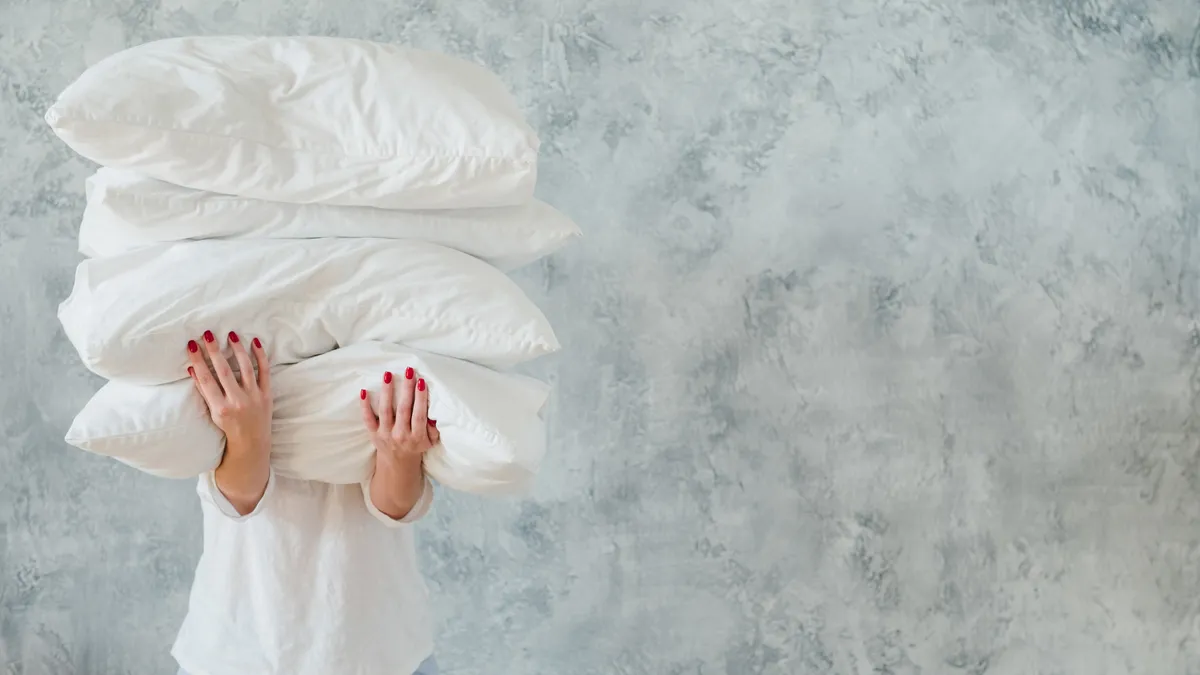
A hot wash is ideal if you're looking to kill off bed bugs and dust mites but it's not the final word for spotless clean pillows. In fact, hot water can damage the structure of some pillow materials.
"Instead, use a gentle cycle with a temperature of 86 to 104 F (30 or 40°C)," says Holevich, domestic cleaning expert and supervisor at Fantastic Services.
Not drying them thoroughly
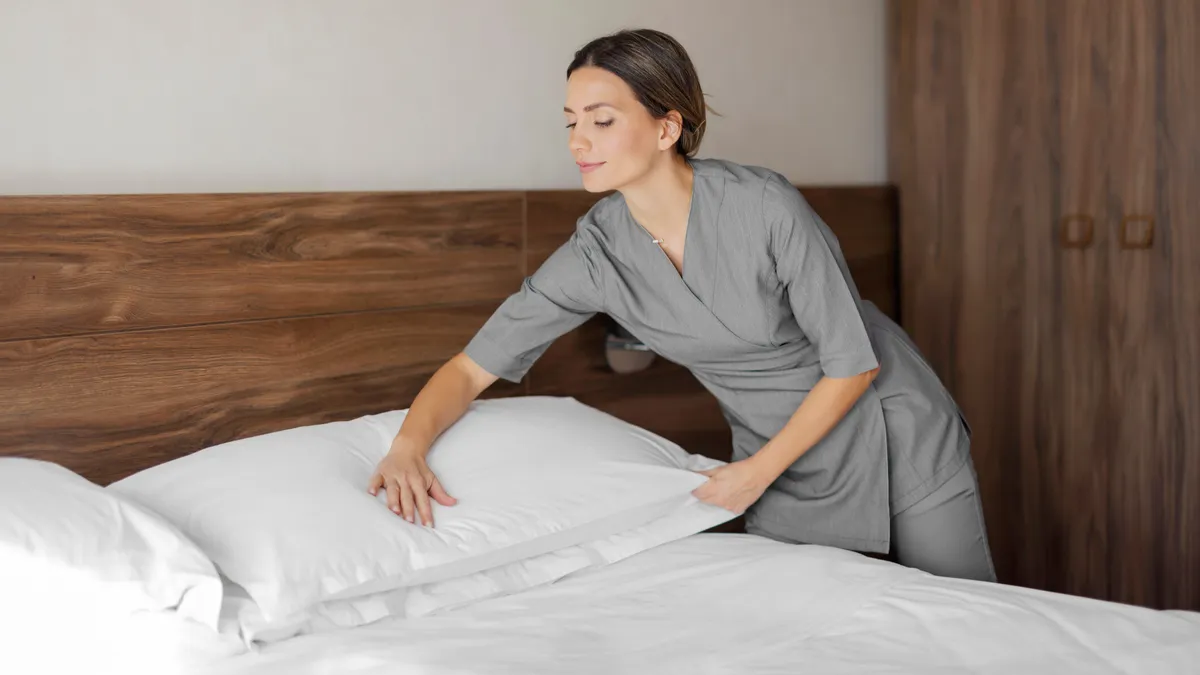
"Even a little bit of moisture can cause an unpleasant odor," explains Holevich. You also risk your pillows starting to grow mold if you sleep on them when they're still damp.
"If you need to, run several drying cycles," she advises. "After that, leave your pillows in a dry, ventilated area to make sure there is really no moisture left."
Before drying, check the care tag to know if your pillow is tumble-dry-friendly. If not, make sure to properly air-dry it before use.
Can all pillows be washed in the machine?
The golden rule and the most crucial part of washing your pillow in a machine is to check the care tag before hitting the 'start' button or treeing any viral pillow cleaning hacks.
"The care label is the only source of information that is completely specific to that exact pillow. It will tell you whether it's safe for the machine, whether it needs to be washed by hand, what temperature to use, and how it should be dried," says Green.
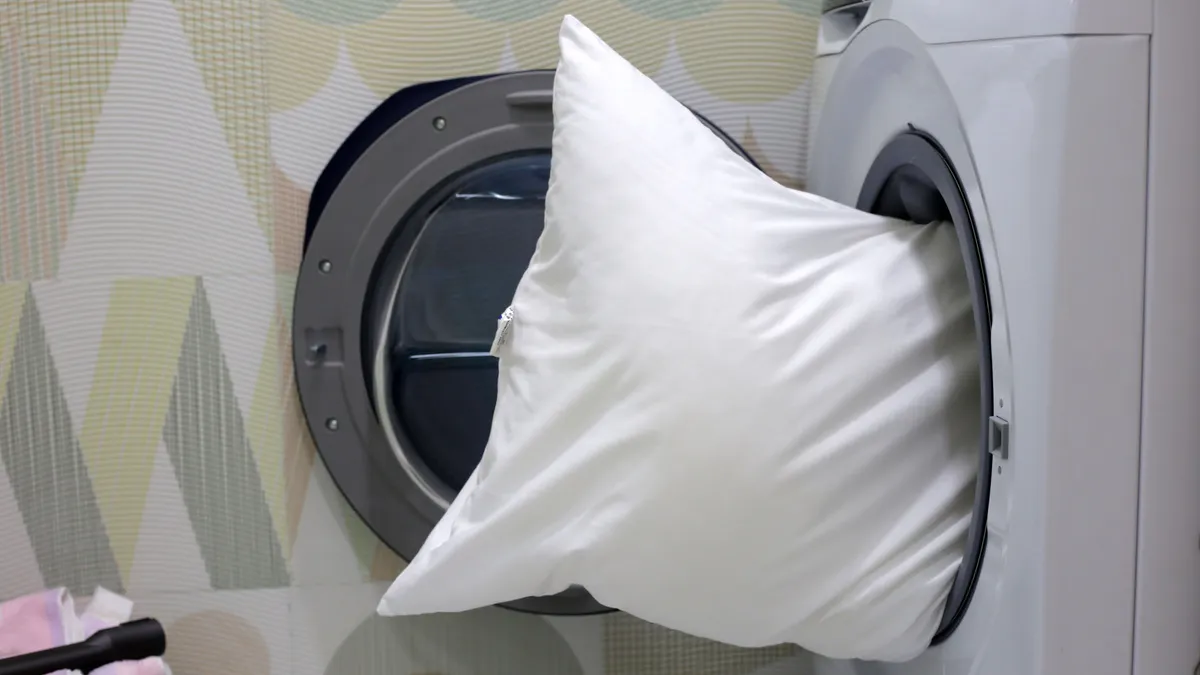
The last thing you want to do is machine-wash a pillow that's just not meant to be cleaned this way. But reading the tag is a vital step many people skip, particularly if you're used to bundling your bedding into the machine once a week.
"It's usually the reason a perfectly good pillow ends up misshapen, shrunken, or falling apart after a single wash," reminds Green.
There are some types of pillow that can rarely be machine washed, so pay particularly close attention to the label if you own any of these:
- Memory foam: The agitation and spinning of the drum breaks down the structure of memory foam, causing it to crumble and lose its supportive properties entirely. It's best to spot clean these types of pillow and fully air-dry. Refer to our guide on how to wash a memory foam pillow for more info.
- Latex: "The material absorbs water easily, making it difficult to dry completely and creating a mold- and mildew-prone environment," says Christina Heiser, Content Director at Saatva. Latex pillows should be spot-cleaned only with a damp cloth and mild detergent, then dried flat, away from direct sunlight.
- Buckwheat: "The husks absorb water heavily, making them almost impossible to dry thoroughly," says Green. This once again results in the perfect condition for mold and mildew. Spot clean with a damp cloth and leave to dry fully.
How to wash your pillows in the machine
Now that we understood that bed pillows should be cleaned based on the material, what are the types that can actually be washed in a machine?
According to Heiser, most down and microfiber pillows are machine-washable, using a gentle cycle. Here's an easy 4-step process to follow:

- Prepare your pillows: Take off the cases and inspect the pillow for any rips or tears. This will prevent any fill from coming out and clogging your machine.
- Wash them as a pair: When machine-washing, balance the load by adding a second pillow to prevent the washer from becoming unbalanced (towels also work.) Washing a single pillow makes the machine work harder than it needs to, possibly damaging both the system and your bedding. Remember not to over-stuff either.
- Use a mild detergent: "It's best to use a liquid detergent and only half the amount you'd usually use," says Holevich. Complement this with a gentle cold or lukewarm cycle. Heiser suggests an extra rinse cycle to remove any excess soap, as leftover residue can cause clumping.
- Dry them properly: Use the dryer on a low temperature or air-fluff setting to prevent your pillows from burning or shrinking. "Add two or three tennis balls or special dryer balls to break up the filling and keep it fluffy," adds Holevich.
How often should you wash your pillows?
"Pillows should be cleaned at least twice a year (three to six months) to maintain hygiene and extend their lifespan," says Heiser.
This helps to remove accumulated dirt, dust mites, dead skin cells and the resultant unpleasant odors. However, if you experience allergies or have acne-prone skin, you might benefit from a more frequent washing cycle.
Keep in mind that we recommend changing your pillows every two years. And don't just wait for them to turn yellow — these are the common signs that your pillow need replacing. Still confused? A simple 30-second pillow test will help you decide.

Follow Tom's Guide on Google News and add us as a preferred source to get our up-to-date news, analysis, and reviews in your feeds.