It's a task often at the bottom of the to-do list, but a study by Amerisleep has found that for every week you neglect washing your bedding, more and more germs make themselves at home in your sheets.
We recommend washing your bed sheets once a week, not only for freshness but to avoid sleep disruptions; allergic reactions, itching, and even illness can all result from dirty bedding.
But if you're guilty of looking at your bedding and thinking 'that'll be good for another few days', you might be better off sleeping with your head in the dog's bowl. And no, we're not exaggerating...
Key takeaway: At a glance
- After two weeks without washing your bed sheets are home to 302 times more bacteria than a pet toy
- The most common bacteria found on bed sheets are gram-negative rods, a bacteria linked to infections including pneumonia
- Wash linens at 140°F/60°C to properly kill dust mites and bacteria and not just move them around.
- Dry sheets in direct sunlight where possible, as UV rays are a natural disinfectant.
- Vacuum the top of your mattress surface to remove all skin cells, which are food for dust mites.
- Leave your bed unmade for 30 minutes after waking to let moisture evaporate.
How dirty do your bed sheets get after two weeks?
Comparing swabs collected by volunteers to data compiled by the NSF, an Amerisleep study found that the amount of bacteria in your bedsheets increases massively the longer you go without a wash.
After one week, your sheets are home to roughly 5,000,000 CFUs (colony-forming units) per square inch. By week two, that's jumped to 5,981,000. By week four, it's knocked up to over 11,900,000.

And your pillowcases also see a rapid increase in CFUs, from 3,000,000 after one week to nearly 6,000,000 after two weeks without washing.
To put that into context, a toilet seat has roughly 172 CFU/sq. in. and a pet bowl has around 300,000 CFU/sq. in. Yes, your week two sheets harbor more bacteria than something your dog's mouth touches.
And we're not just telling you this to make you queasy; dirty bed sheets can have an impact on your sleep.
5 key steps to take tonight
By now you're probably feeling thoroughly grossed out — here's what you can do about it.
1. Strip your bed and let it air
If you're planning a full laundry load, strip the entire bed and leave the mattress uncovered so it can air. This means moisture that has become trapped during the night can escape, helping prevent mold.
Alternatively, if you don't have time for a full wash, simply pull back the covers for a few hours in the evening. This still allows sweat to dissipate.
2. Flip your pillow case and change the top sheet
If you're short on time, there's a two-second trick to add some cleanliness to your bed: flip the pillow.
That hides the dirtiest side and gives you something slightly fresher to sleep on. Alternatively, for pillow stackers, switch your top pillow with the one underneath.

Another quick tip is to whip off your top sheet (if you have one) and pop it in a hot wash. You can spend a night without the top sheet and once it's clean, it gives your bed a hygienic boost until you have time for a full laundry cycle.
3. Vacuum the bed
You should be vacuuming your mattress regularly and the best time to do it is when your sheets are enjoying a thorough wash (more on that in a second.)
However, if time is short and you're now uncomfortably aware of that croissant you ate in bed last Sunday, a quick once over with a vacuum can remove lingering crumbs, dander and other allergens.
4. Wash and dry in a hot cycle
A hot wash is the best way to ensure your bedding is completely clean, although we recommend following the care instructions to avoid damaging the fabrics.
Cleaning expert Vanessa Terra Bossart advised us to wash sheets at a temperature of 140°F/60°C to kill all the nasties.

Follow-up with a spin in the dryer or time in the sun, ensuring the sheets are bone dry before dressing the bed.
Damp sheets can lead to the growth of mattress mold, as the moisture becomes trapped within the materials. This is bad news for both your health and the wellbeing of your bed.
5. Set reminders
It's easy to forget just how long you've gone between bedding changes, particularly if the only time you think about your sheets is when you're crawling into them at night.
The solution is to set reminders, so once a week you remember to strip and clean your bed. Now's the time to set that reoccurring alarm, while your skin is still crawling at the thought of all those germs.
How dirty sheets affect your sleep
1. Allergies
No households can avoid dust and after two weeks tucked onto your bed, your sheets are probably harboring a fair few specks.
Pet owners are also likely to find fur and dander becomes embedded in the bedding, particularly if you share a bed with your pet.
And even if you don't let your four-legged friends on to your sleep set up, fur has a way of getting everywhere.

And while the fresh air of an open window is good for your sleep, it can let in pollen which then settles on your bed.
All of this means your good night's sleep can be ruined by allergens. Sleep can be disrupted when you spend the night coughing and sneezing from the allergens trapped in your bedding.
2. Infections
The survey found the most common type of bacteria found in unwashed bed sheets was gram-negative rods, a type of bacteria associated with infections such as pneumonia.
If you've been ill, it's even more imperative that you keep your sheets on a regular cleaning schedule.
The flu virus can live for up to 24 hours on your bedding, turning your sick bed into literally that — a bed that makes you sick.
3. Skin conditions
After two weeks without washing, your pillows harbor more germs than your toilet seat and faucet handle, including more bacilli and gram-positive cocci than your sheets.
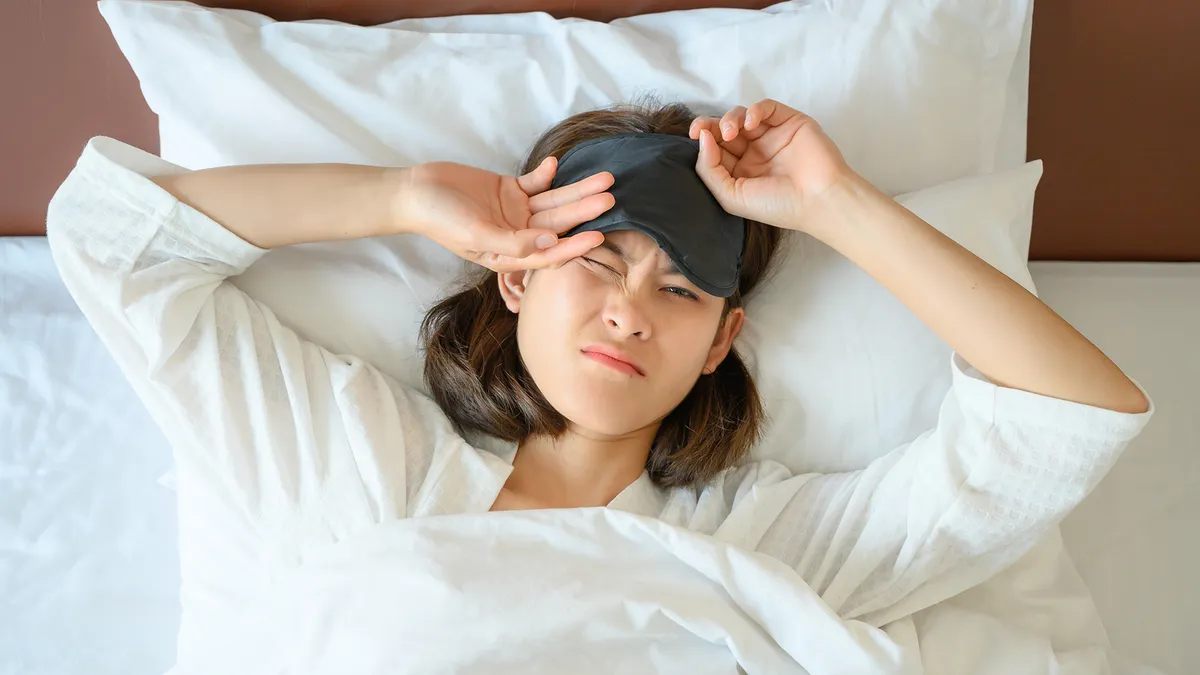
You probably wouldn't rub your face against your toilet seat, so it's no surprise an unwashed pillow can cause breakouts and itching. WebMD notes those who experience acne should consider changing their pillowcase every few days.
How often should you wash your bed sheets?

We recommend changing your bed sheets once a week, to keep your bedding, your mattress and your sleep hygiene in top condition.
There are some people who should consider a more frequent washing schedule. For a start, anyone who has been unwell should up their cleaning schedule, to help eliminate lingering germs.
Those with acne prone skin or similar conditions might also consider changing sheets twice a week.
And as allergy season gets underway, high frequency laundry loads can prevent coughing and sneezing from waking you up.

Follow Tom's Guide on Google News and add us as a preferred source to get our up-to-date news, analysis, and reviews in your feeds.