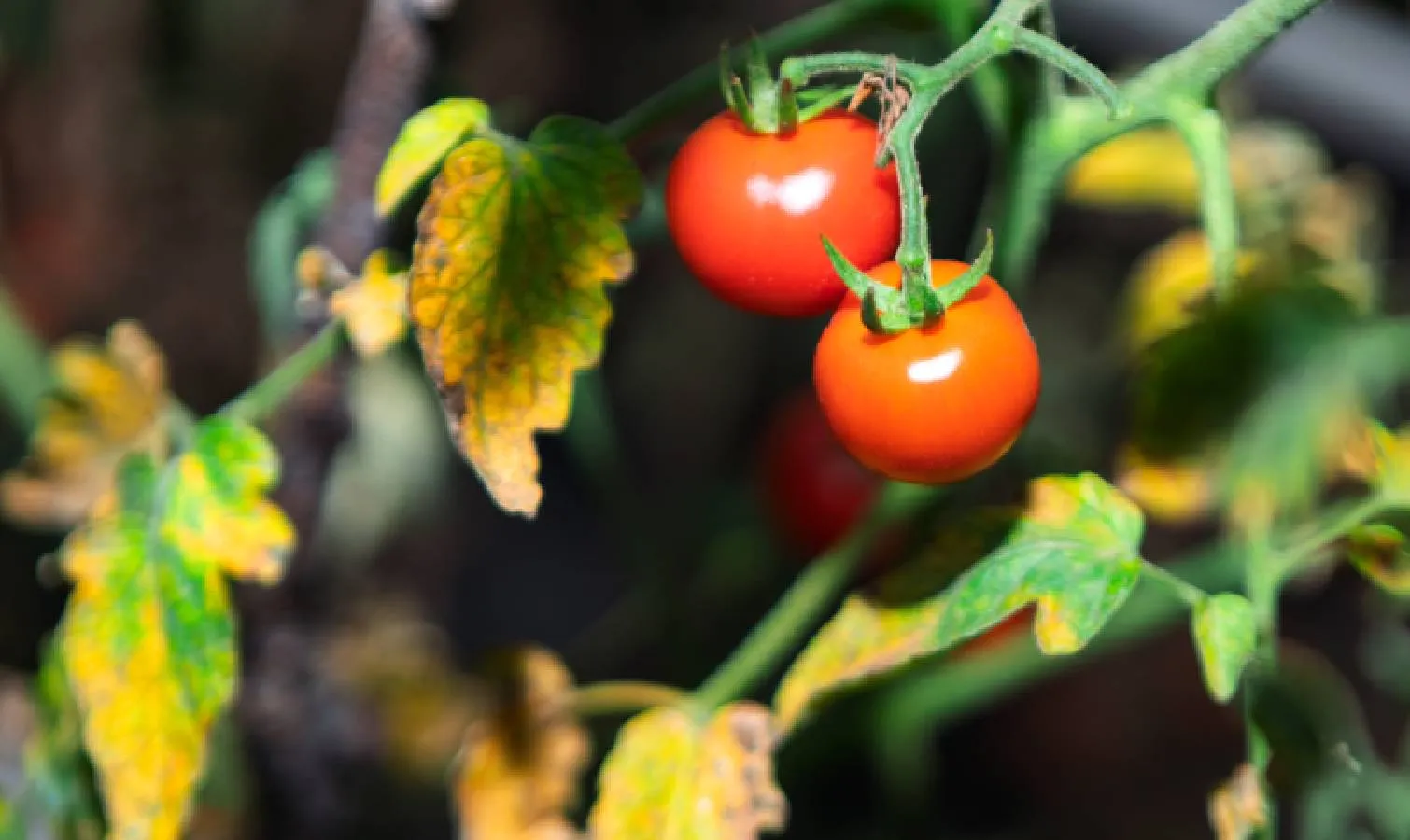
Yellowing leaves on tomato plants are the plant's way of telling you something is off. Unlike the natural browning and drop of older bottom leaves, widespread or rapidly spreading discoloration is a warning sign worth taking seriously.
To thrive, tomatoes demand a fairly specific environment: steady moisture without sitting in soggy soil, nutrient-dense earth, plenty of direct sun, and a fighting chance against pests. Tip any one of those factors out of balance, and the leaves are usually the first to show it.
Pinpointing the root cause is what separates a quick fix from a recurring problem. Read on for the most common culprits behind yellow tomato leaves and exactly what to do about each one.
1. Nitrogen deficiency
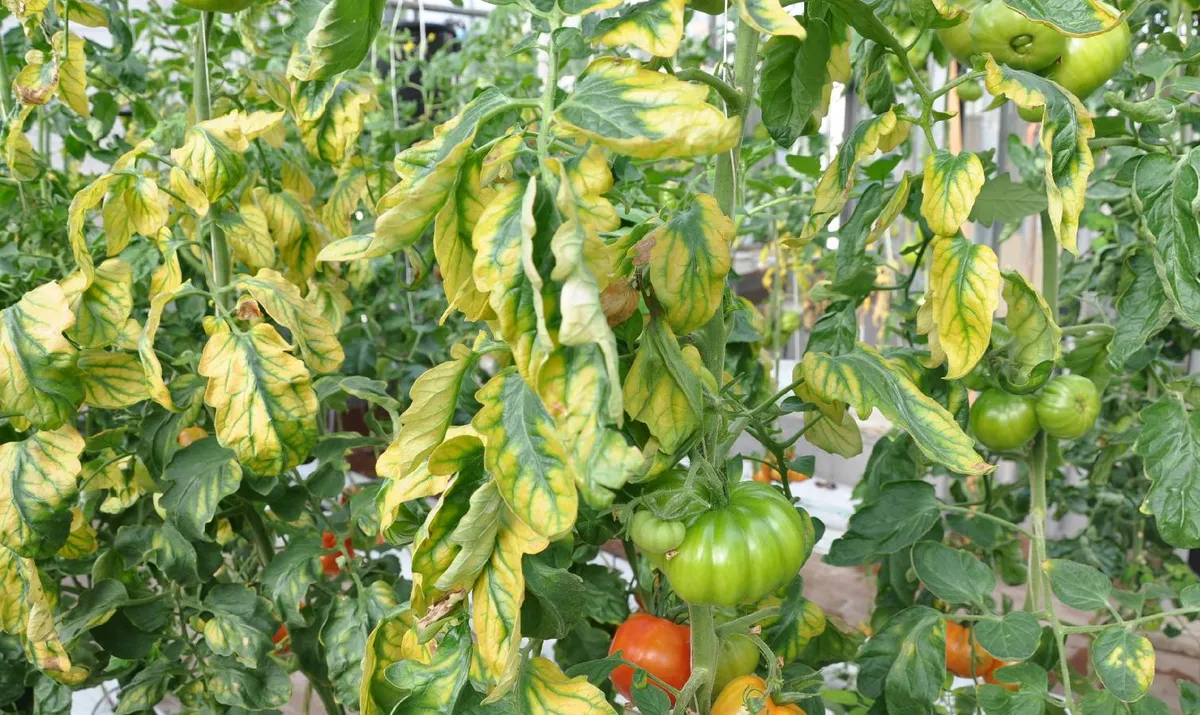
Nitrogen deficiency is the primary cause of yellow tomato leaves, especially when yellowing starts at the bottom of the plant and moves upward. Nitrogen is essential for chlorophyll production and if they don't get enough, leaves can't maintain their green color.
Tomatoes are heavy feeders that deplete soil nitrogen quickly during the growing season. When soil nitrogen runs low, the plant pulls nitrogen from older bottom leaves to fuel new growth at the top. This causes bottom leaves to yellow first while newer leaves stay green.
To help your tomato plant's yellowing leaves, use liquid fertilizer for fastest results. Apply it early morning or late evening when plants absorb nutrients most effectively. Spray fertilizer on both top and bottom surfaces of leaves, coating them thoroughly.
Alternatively, mix liquid fertilizer concentrate in a watering can and apply it directly to soil around the plant base. This method takes slightly longer to show results but feeds roots directly.
2. Overwatering or inconsistent watering
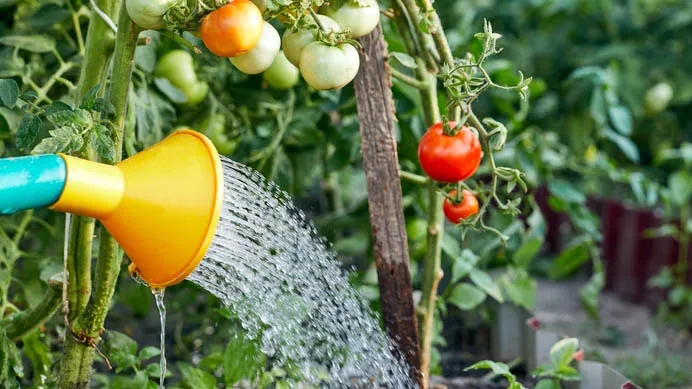
Too much water suffocates tomato roots and prevents nutrient absorption, causing leaves to yellow. Soggy soil lacks oxygen that roots need to function, essentially drowning the plant even though it's well-watered.
Tomatoes need deep, infrequent watering rather than frequent shallow watering. Soak soil thoroughly every 5-7 days depending on temperature and rainfall. Let soil dry somewhat between waterings, as the roots need air as well as moisture.
Check soil moisture before watering by sticking your finger 2-3 inches into the soil. If it feels damp, wait another day or two. If it's dry at that depth, water thoroughly until moisture penetrates 6-8 inches down.
Wet leaves encourage fungal diseases, and surface watering doesn't reach deep roots where tomatoes need moisture most, so water at the plant base rather than overhead.
3. Pest damage
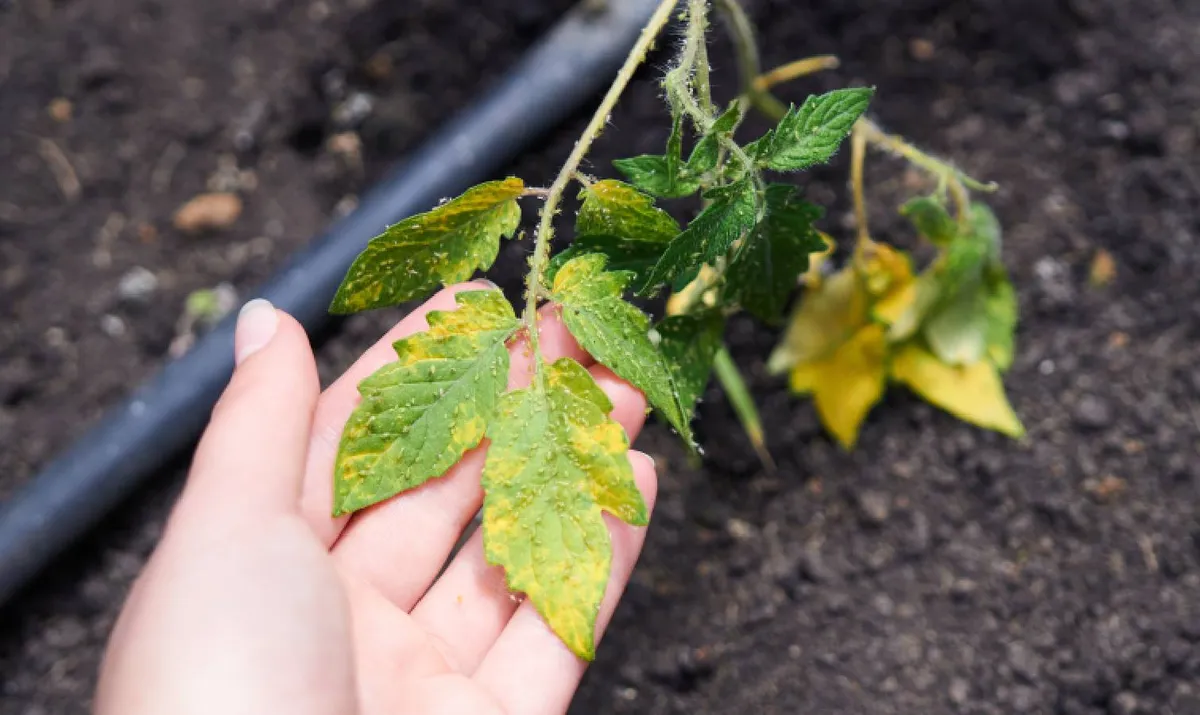
Aphids, spider mites, whiteflies, and other insects damage leaves by sucking plant juices, causing yellowing, curling, and eventual leaf death. Heavy infestations weaken plants and reduce fruit production.
Inspect leaves regularly, especially undersides where pests often hide. Look for tiny insects, sticky residue (honeydew from aphids), fine webbing (spider mites), or small white flying insects (whiteflies).
Spray severe infestations with insecticidal soap, coating all leaf surfaces thoroughly. and reapply every 5-7 days until pests disappear. Insecticidal soap only kills pests on contact, so thorough coverage matters.
Plant pest-repelling companions near tomatoes to deter insects naturally. Basil, mint, marigolds, and nasturtiums repel aphids, whiteflies, and other common tomato pests. Interplant them between tomato plants or around garden borders.
Avoid broad-spectrum pesticides that kill beneficial insects along with pests, beneficial insects like ladybugs and lacewings are nature's free way of controlling pests on your tomato plants.
4. Disease or fungal infection
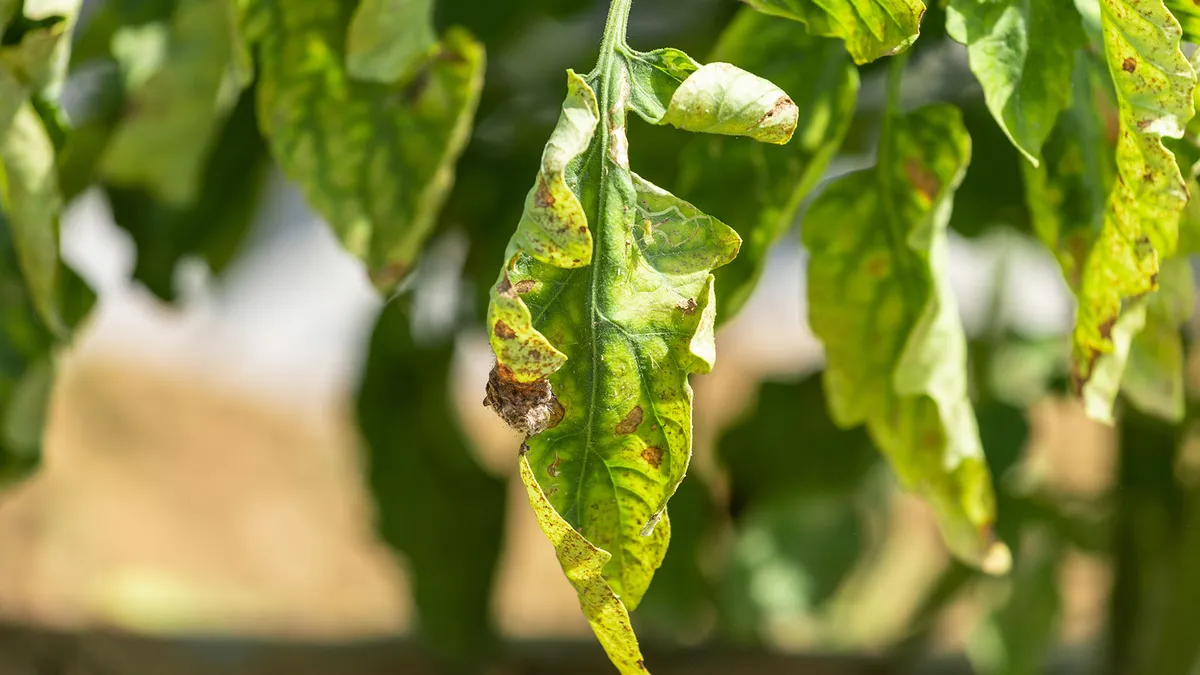
When yellowing starts at the top of the plant and moves downward, or when yellow leaves also show wilting, dark spots, or unusual patterns, suspect disease rather than nutrient deficiency.
Fungal infections like early blight and septoria leaf spot cause yellowing with distinctive brown or black spots. Bacterial infections often cause wilting along with yellowing. Viral infections (less common) create mottled yellow patterns on leaves.
Remove infected leaves immediately to prevent spread. Use clean, sterilized pruning shears and dispose of diseased foliage in trash — not compost, where diseases can survive.
If infection spreads despite removing affected leaves, remove the entire plant to protect neighboring tomatoes. For future planting, try to space out your tomato for better air circulation. Crowded plants create humid microclimates where diseases thrive.
5. Insufficient sunlight
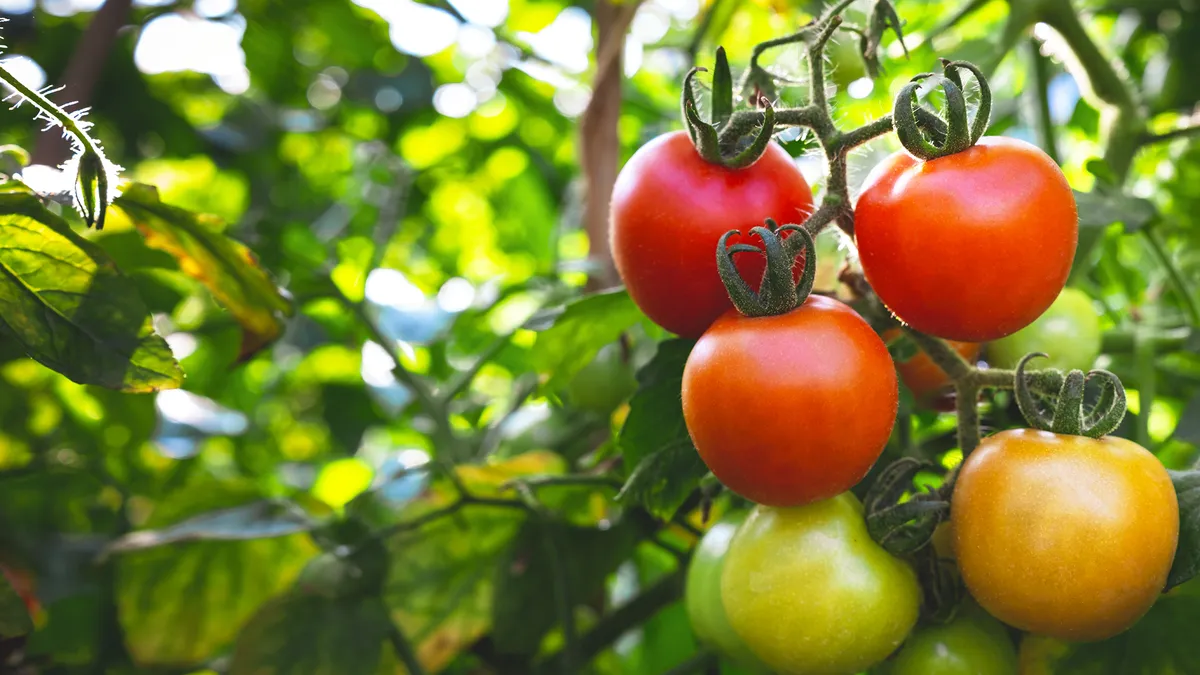
Tomatoes need at least 6-8 hours of direct sunlight daily. Less than this causes weak, leggy growth and yellowing leaves as plants struggle to photosynthesize enough energy for healthy growth.
If your tomato plants are in containers, move them to sunnier locations. Patios, balconies, or yard areas that receive full sun most of the day work best.
For in-ground plants, check whether nearby structures or other plants cast shade during key sun hours. Trees, fences, or taller vegetables may block light. Trim overhanging branches if possible, or plan future plantings in sunnier spots.
Sometimes transplant shock causes temporary yellowing when moving seedlings from greenhouses to outdoor gardens. Young plants need time to adjust to different light, temperature, and humidity. A few yellow leaves during this transition are normal and resolve within 1-2 weeks as plants acclimate.
If yellowing persists beyond two weeks post-transplant, suspect other causes like watering, nutrients, or pests rather than transplant shock.

Follow Tom's Guide on Google News and add us as a preferred source to get our up-to-date news, analysis, and reviews in your feeds. Make sure to click the Follow button!
More from Tom's Guide