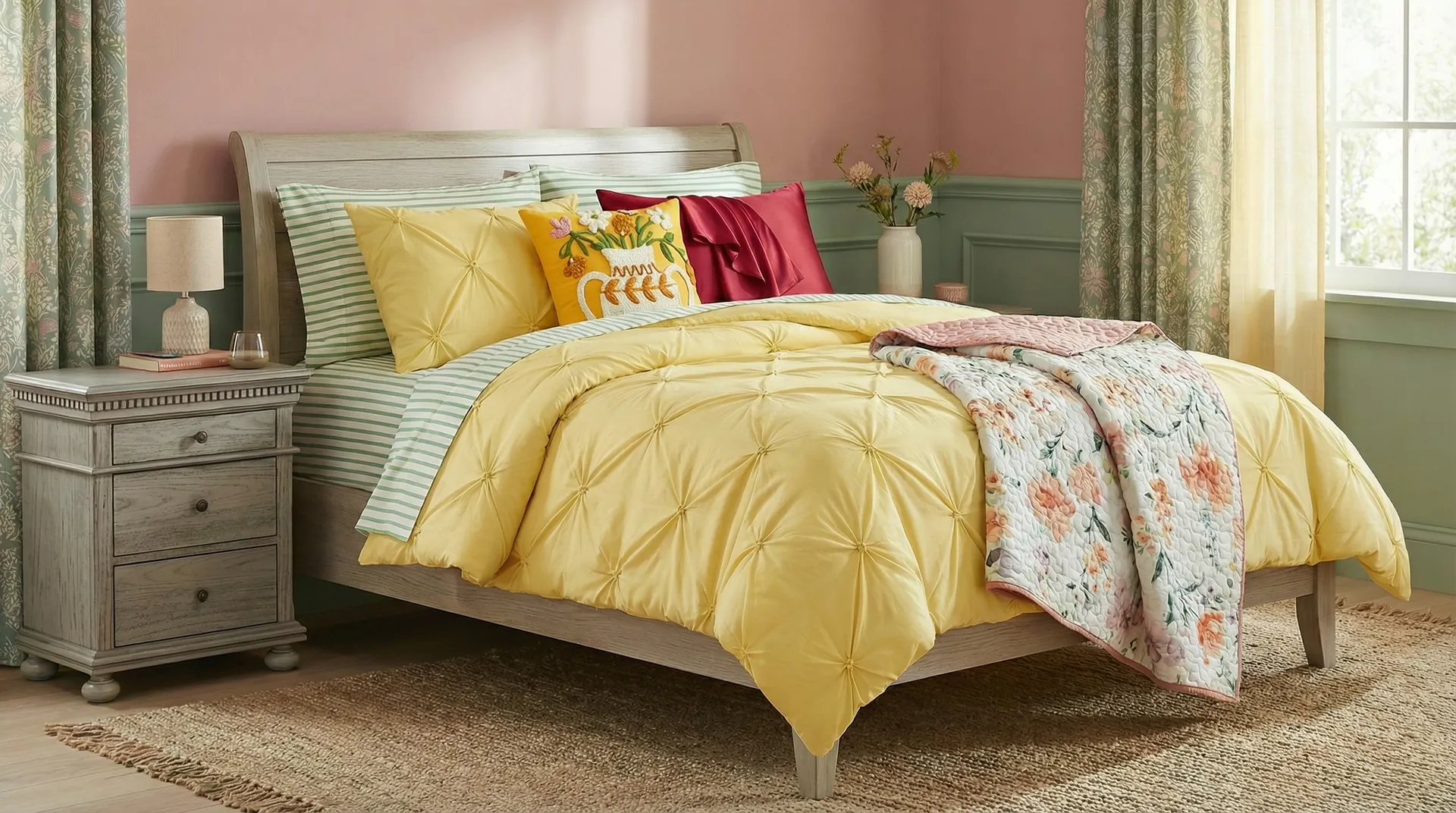
We're all guilty of utilizing our under-the-bed storage for old, unused or forgotten items, but this (in theory) harmless habit could cost you precious hours of sleep.
"Under the bed is a prime site for dust to accumulate. Skin cells, fibres from bedding and pet dander also gravitate to the floor and waft under the bed," says Dr. Deborah Lee, medical writer at Dr Fox Online Pharmacy.
With the addition of items kept in storage, the space under the bed becomes an ideal breeding ground for pests and rodents. To help make your spring cleaning easier, we spoke to pest-removal specialists to understand the main culprits that lure in pesky mites and bugs under the bed. Read on to find out more:
Key takeaways: At a glance
- Prime site for dust: It's easy for dust, debris and pests to accumulate under the bed.
- Allergic reactions: The breeding of pests and dust mites under the bed can cause respiratory issues, skin problems, and disrupted sleep quality.
- Biggest mistake: Out of the 7 common things stored under the bed, cardboard is the worst when it comes to pests.
- Musty, humid conditions: Most materials like clothes, paper, shoes and leather provide the right environment for pests to hide and thrive.
- Selective storage: Treat under-the-bed storage as a premium space and not a dumping ground.
- Regular cleaning: Vacuuming the space, storing items in sealed containers and reducing clutter are non-negotiable practices.
7 things to never store under your bed
"House dust mites are tiny insects that feed on shed skin cells. They live happily in warm, humid conditions such as carpets, mattresses, bedding and other soft furnishings," explains Dr. Lee.
It’s not so much the mite itself but its droppings that cause allergic reactions in humans, like allergic rhinitis, eczema and asthma. Symptoms caused by these allergies can make it harder to fall asleep, cause 3am wake-ups and reduce sleep quality.
While you can refer to our step-by-step guide on deep cleaning mattresses to keep a check on your bed, here are seven other things we tend to store under it that can attract pests:
1. Clothes
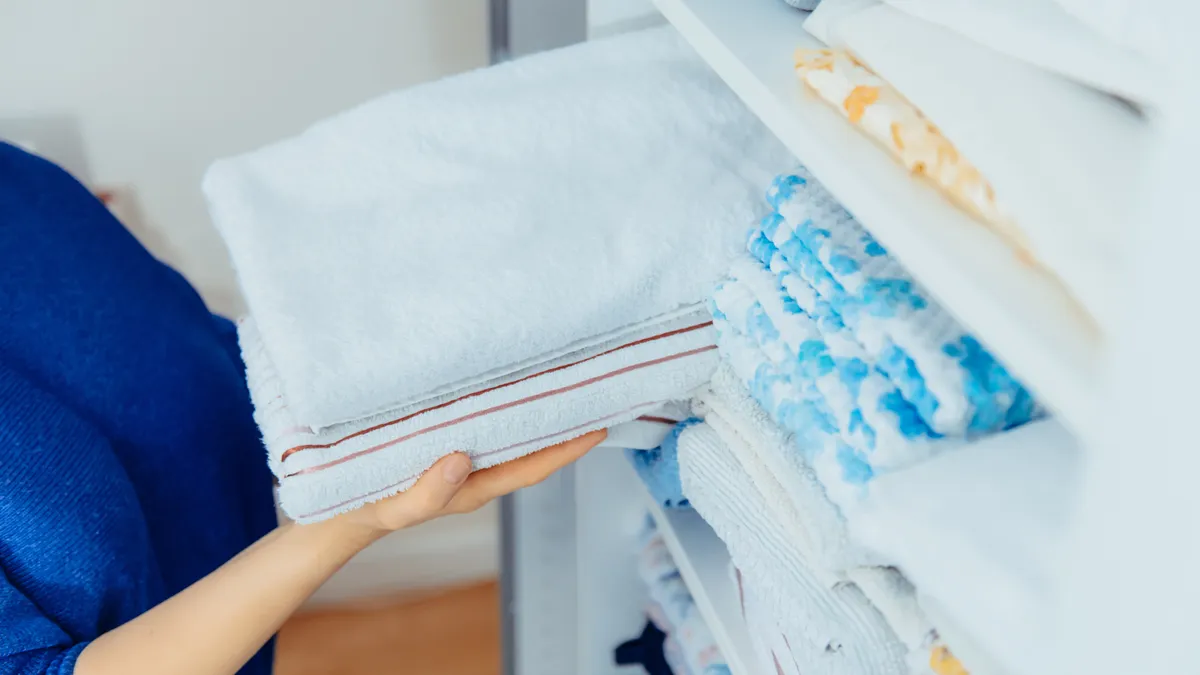
According to James Rhoades, who runs the London-based ThermoPest Bed Bug Treatment company, stored clothing, spare duvets, cushions, and anything made from wool, cotton, silk, or cashmere can be very problematic.
"Natural fibers serve as a primary food source for carpet moths, which can destroy expensive clothing and textiles over time without clear signs," he says.
It's also tricky to spot dust on clothes and fabric, but a quick shake can tell you if it's there. The nooks and folds of the material are perfect for dust mites to settle in and breed.
As such, under the bed might not be the best storage spot for clothes and fabric.
2. Cardboard

The space under the bed might seem like the perfect place to keep your cardboard boxes out of sight, but according to experts, this is perhaps the number one mistake to make.
"Honestly, it's hard to find anything worse than cardboard boxes for storing under your bed. Cardboard provides rodents and insects with both a nest and material to chew. It is a kind of universal material that most pests can make use of," says Nicole Carpenter, president at Black Pest Prevention in North Carolina.
Cardboard's corrugated structure offers many narrow spaces that resemble the tight gaps bed bugs like. Similarly, paper absorbs moisture, creating a cozy, humid environment for bugs and dust mites to thrive in.
3. Shoes
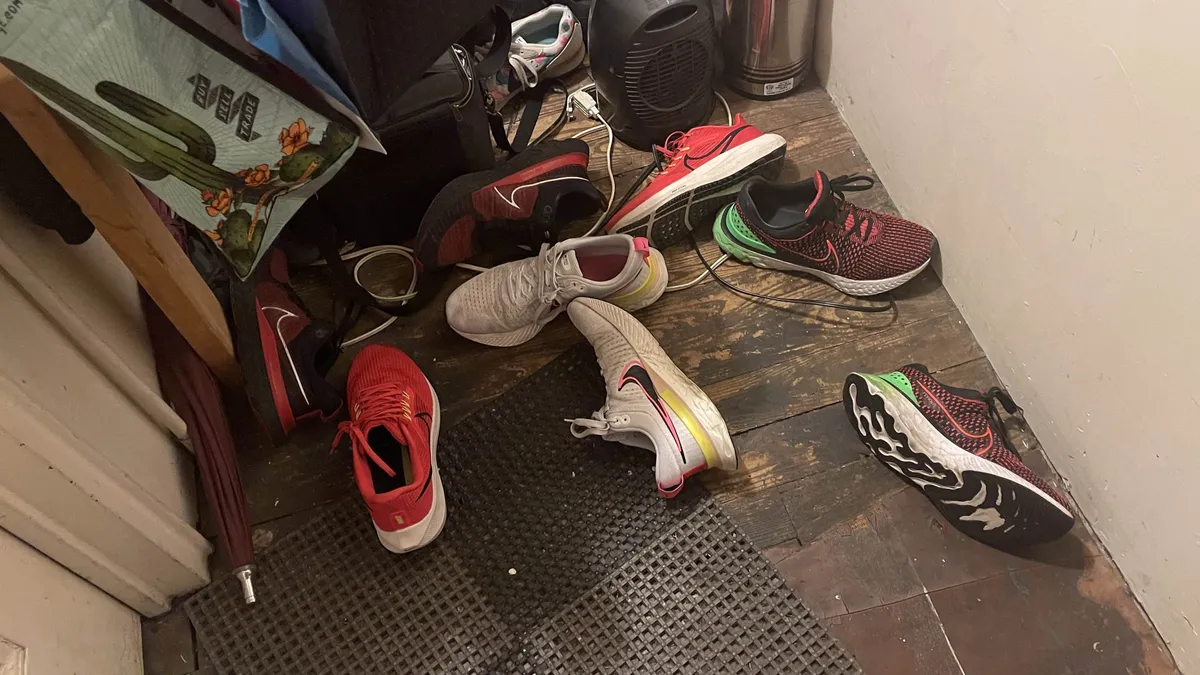
Research at Arizona University found that an average of 421,000 units of bacteria attach to the soles of our shoes. While one review of studies pointed out that some of the microorganisms that are transferred to the soles of shoes are drug-resistant infectious agents.
Anyone who owns a pair of shoes is probably aware of the odor they can produce, which is generally a mix of our sweat, dead skin cells and the bacteria that thrive on it all.
Kicking them under your bed is like giving an invitation to pests, bugs and rodents to find shelter in your shoes and breed.
4. Wooden items
"Old furniture, photo frames, and wooden toys provide natural hiding places for bed bugs, who prefer to conceal themselves in joints and crevices," says Rhoades.
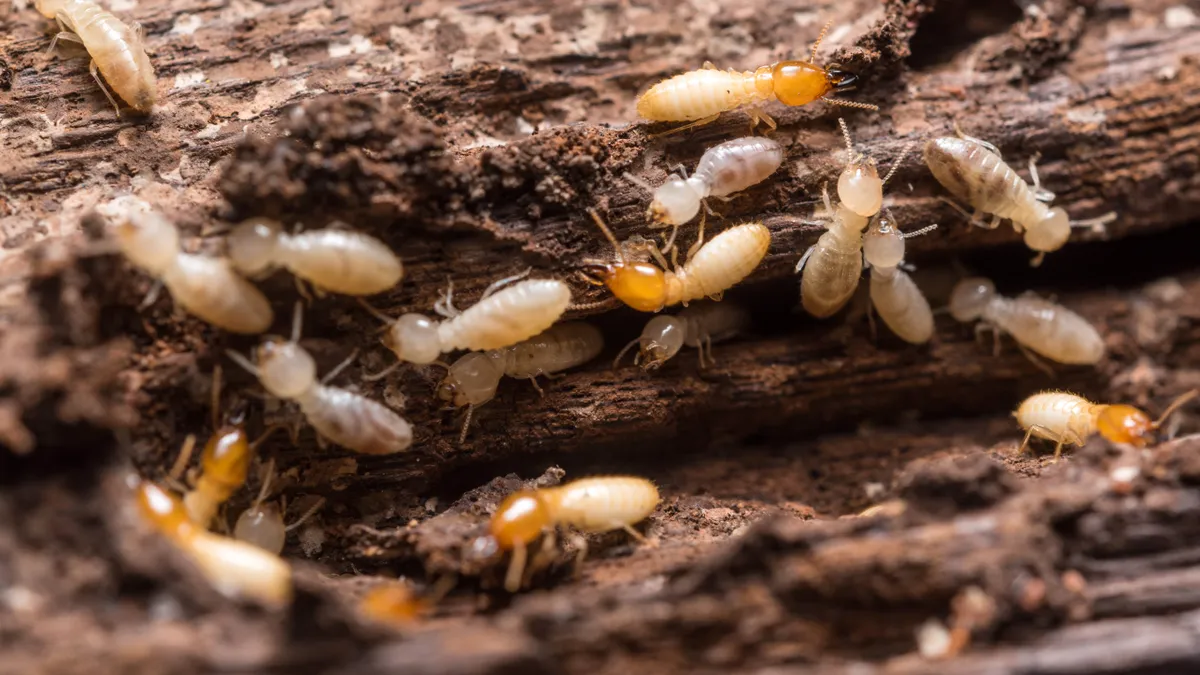
Older wooden items, especially second-hand ones, pose a significant risk. These might contain termites, which feed on cellulose, the main component of wood.
A good way to check this is to look for holes in your wooden furniture or items, but often this is a tricky task.
5. Food and wrappers

Snacking in bed while catching up on your favorite show feels like the ultimate in self-care, but it's also got the potential to create a festival for pests, bed bugs and rodents under the bed.
"Any food attracts pests, but bags with sugar, cereal, flour, and pet food are exactly what ants, rats, mice, and roaches love," says Carpenter.
"While ants and roaches prefer sugary foods and things rich in protein, rodents are not picky at all and will eat almost anything," she adds.
It's not just the actual food; the wrappers you leave behind contain crumbs, which are basically enough for pests and cockroaches.
6. Leather items
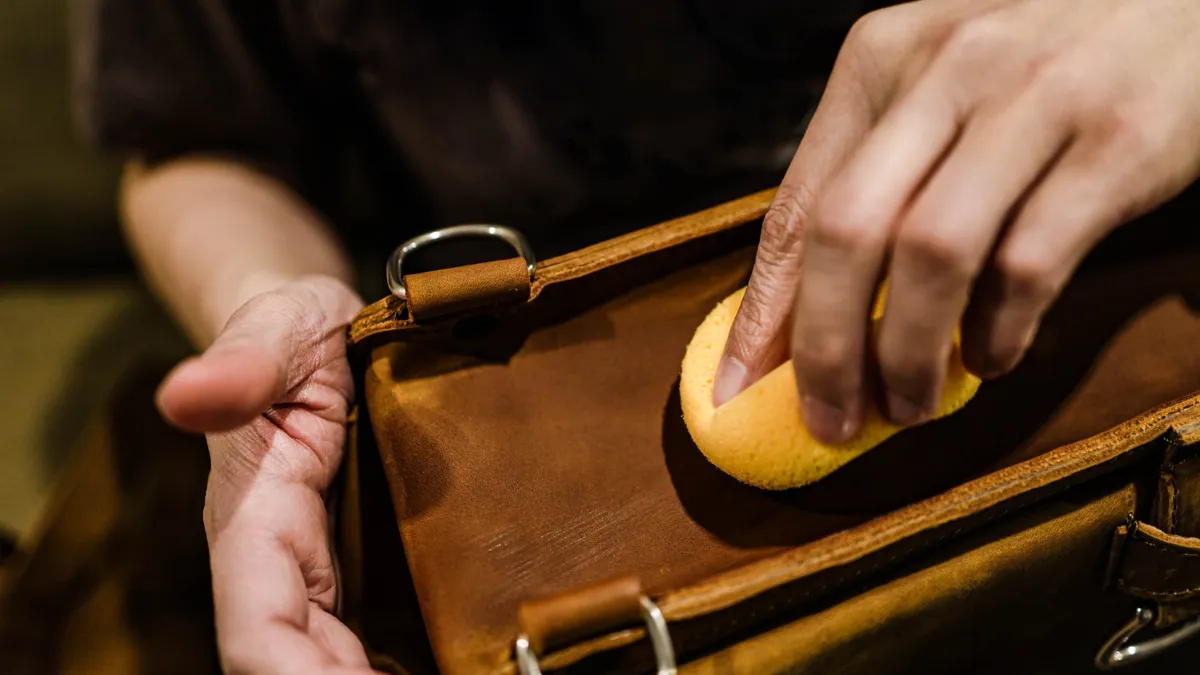
"Leather holds onto animal scent long after it's made, drawing in insects and rodents," says Rhoades.
Carpenter also points out that used leather items pose another risk: An old leather bag or jacket can hold sweat, body oils, skin flakes, hair, and mold.
"This is exactly what carpet beetles, clothes moths, silverfish, and roaches feed on," she says.
What's more, natural leather goods can dry out and crack in the dusty environment under the bed, which can completely ruin them over time.
7. Pet beds and toys
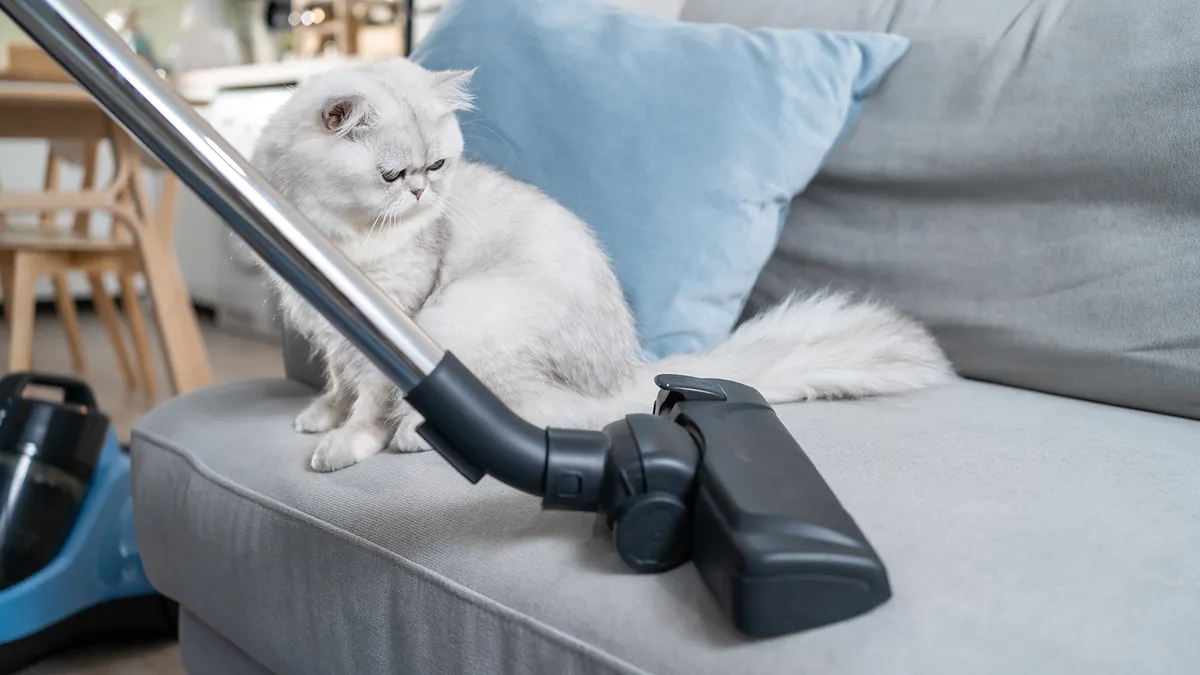
Pet beds and toys are just a paradise for small pests as they tend to collect organic material like pet hair, dander, skin flakes, saliva, and food crumbs.
"In other words, they are a big buffet that never runs out of food for pests like dust mites, carpet beetles, fleas, and even roaches, " she says.
Even if you wash pet beds and toys at high heat and use a dryer after that, they can accumulate dust and dirt again very quickly, attracting all sorts of pests, including silverfish and cockroaches.
On a similar note, experts recommend to sharing your bed itself with your furry friends.
What are the early signs that items stored under the bed are attracting pests?
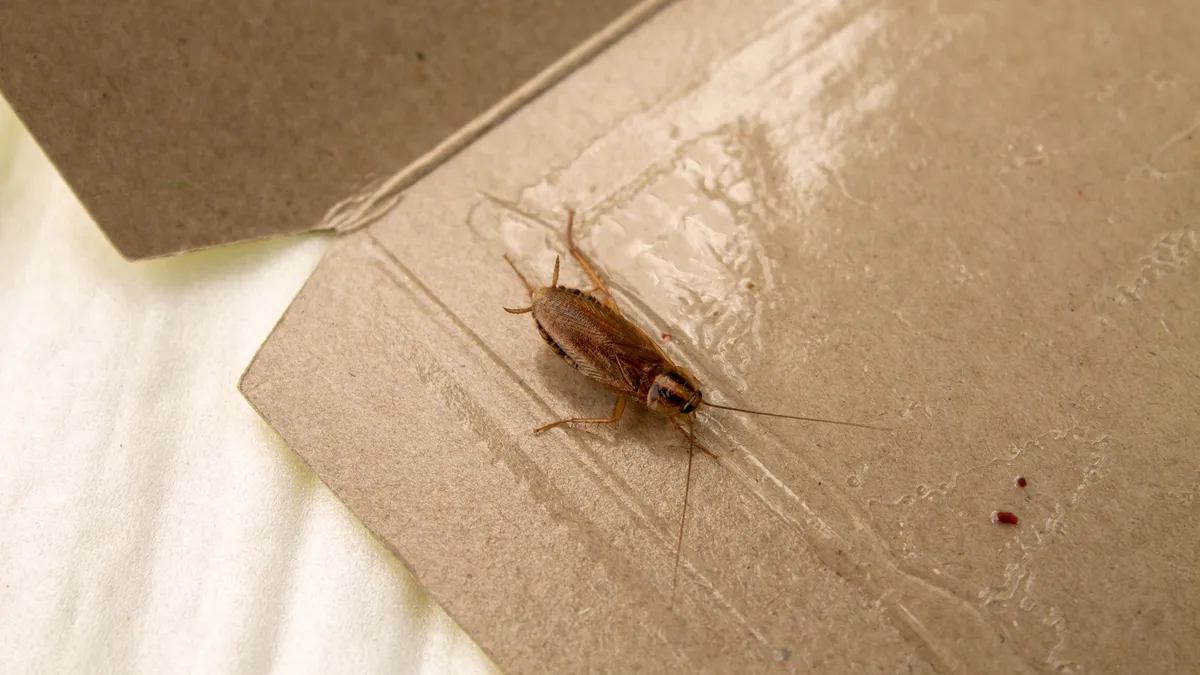
Worried that some of the items under your bed have already quietly lured in pests, or even rodents? These are some of the things you should check for to make sure.
"Unusual sounds, gnaw marks, and droppings are most common early signs of pests like mice and rats," says Carpenter.
With tiny pests like dust mites, carpet beetles, and fleas, you might notice holes in fabric, shed skins, and sometimes allergy symptoms when you’re near your bed, or skin irritation.
"Roaches stay quiet, and you usually know about them by noticing droppings, shed skins, or when you turn the lights on in the bedroom and find them running to the corners," she adds.
"For pests like bed bugs and fleas, early signs also include being bitten, finding blood spots on sheets, and having bites on your skin," Rhoades explains.
7 ways to safely utilize under-bed storage

While experts recommend avoiding storing anything under your bed, we understand that in houses where there's limited space, it's unlikely you'll be able to avoid it completely.
Here are a few expert tips to store things safely, without ruining your sleep quality.
- Store only seasonal essentials in sealed containers and avoid anything that collects dust, such as loose fabrics, paper bags or open baskets.
- Never mix under-bed items with other things in your house as a precautionary measure to prevent pests from spreading.
- Clean these items regularly to prevent dust buildup.
- Wash what you can (checking the care tag is key for fabrics and bedding) and use a dryer at high heat.
- Don't forget to vacuum the area thoroughly every two weeks, including the underside of the mattress.
- Allergy sufferers are recommended to use a vacuum with a HEPA filter, which filters out 99.9% of tiny particles, including house dust mites and pollen.
- Fresh air is one of the simplest ways to refresh a bedroom. Regular ventilation helps reduce stale air, moisture and airborne dust, creating a cleaner-feeling environment that’s far more conducive to rest.