Spot a bed bug on your mattress and you might start running for the hills but for the pests themselves, there's nothing scarier than a damp tissue.
When confronted with a moist surface, bed bugs will turn exoskeleton and run as fast as their creepy crawly legs will carry them, researchers from the University of California found.
But before you unleash the hose on your mattress, it turns out this new discovery might spell bad news for traditional bed bug removal techniques. Is it time to put down the sprays and pesticides and pick up some other DIY bed bug treatments?
Key takeaways: At a glance
- Bed bugs are adverse to moisture, even avoiding wet surfaces soaked in blood (their food source.)
- Moisture acts like an adhesive, sticking bed bugs in place and blocking their respiratory openings.
- This might impact how effective water-based pesticides are, as it's possible bed bugs turn away before reaching the killing chemical.
- If you suspect you're carrying bed bugs, take a hot bath.
- For at-home bed bug removal, try a hot wash and dry, vacuuming and diatomaceous earth.
What did the study find about bed bugs and water?
Bed bugs often seem ruthless in their pursuit of blood, lurking in the tiniest openings, able to go for ages without food and capable of jumping large distances.
But research published in the Journal of Ethology found that bed bugs will go out of their way to avoid moist surfaces, even when that moisture comes from oh-so tasty blood (their favorite food.)
The researchers suggest this is because water acts as an adhesive, gluing bed bugs in place and blocking their respiratory openings.

This could mean big changes are needed for traditional water-based pesticides, as it suggests bed bugs will turn away from a treated area before they can come in contact with the key ingredients.
Other popular DIY bed bug removal hacks, like essential oils and rubbing alcohol, might also prove less effective than previously thought.
And before you start weighing the pros and cons of soaking your mattress in water, keep in mind further research is needed to determine how effective a deterrent moisture is. Even if you get rid of the bed bugs, you now have another problem: mattress mold.
There is one thing the researchers suggest soaking and that's yourself. If you suspect you might be harboring bed bugs, a hot bath might get rid of them.
3 easy methods for bed bug removal
While the research has some interesting future applications for at-home bed bug removal, at the moment we recommend sticking with these methods instead:
1. Hot wash
A hot wash combines two things bed bugs hate: heat and water.
We recommend washing your bedding at a temperature of at least 140°F for a minimum of 90 minutes, for the most effective bed bug removal (although always check the care instructions before washing.)
Follow this up with a spin in the dryer, set to high. If that's not possible, allow your bedding to dry thoroughly in the sunshine. And finish with a quick spritz of lavender oil, to keep bed bugs out and usher in sweet dreams.
A hot wash is also one of the best preventative methods. When you travel, bed bugs can hitch a ride into your house. So one of our top tips to avoid bringing bed bugs home is to empty and wash your suitcase at the end of a trip.
2. Vacuum
While bed bugs aren't necessarily adverse to vacuums, they have little resistance against the powerful suction of the best vacuum cleaners. It's one of the three weekly cleaning tasks to stop a bed bug outbreak, alongside washing your sheets and cleaning under the bed.
You want to go over every part of the mattress with your vacuum cleaner, paying close attention to seams, corners and the underside.
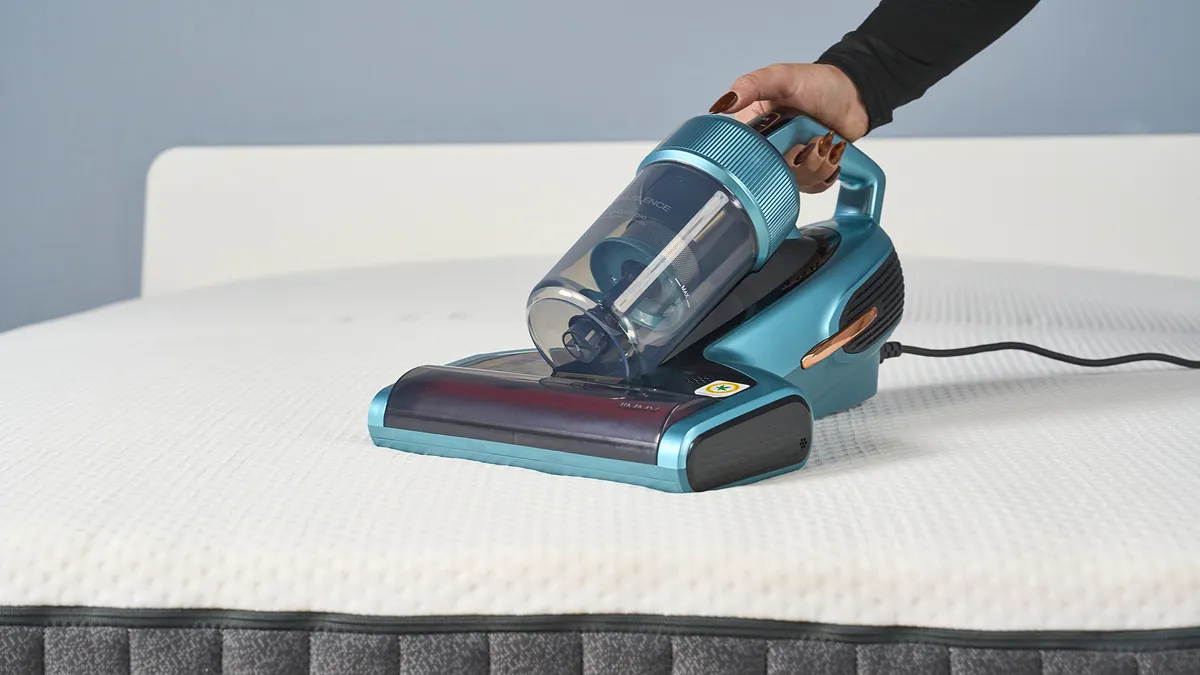
And if you have any quilting or tufting decorating your mattress, get right in there — these are ideal hiding places for bed bugs. This is where a dedicated mattress vacuum can come in handy, as these handheld devices allow you to tackle every stitch of the bed.
Once you've vacuumed the mattress, bed frame, bedding and space under the mattress, be sure to empty the vacuum far away from your home. Otherwise you risk simply moving the critters around the house.
3. Diatomaceous earth
Diatomaceous earth takes the opposite approach to water — but bed bugs still hate it. Consisting of ground up fossilized algae, it sticks to the exoskeleton of bed bugs and draws out moisture, causing them to dehydrate and die.
To use it, scatter a layer of food grade diatomaceous earth over your mattress, then cover it all with a mattress encasement (we got hands-on with the Linenspa Mattress Encasement and recommend it for protecting your bed against pests.)
Follow this by creating a diatomaceous earth barrier around your bed, to capture wandering bed bugs.
Diatomaceous earth is considered non-toxic but it can cause irritation so you might want to sleep in a different room after spreading it.
Our bed bug removal must-haves

Follow Tom's Guide on Google News and add us as a preferred source to get our up-to-date news, analysis, and reviews in your feeds. Subscribe to Tom's Guide on YouTube and follow us on TikTok.