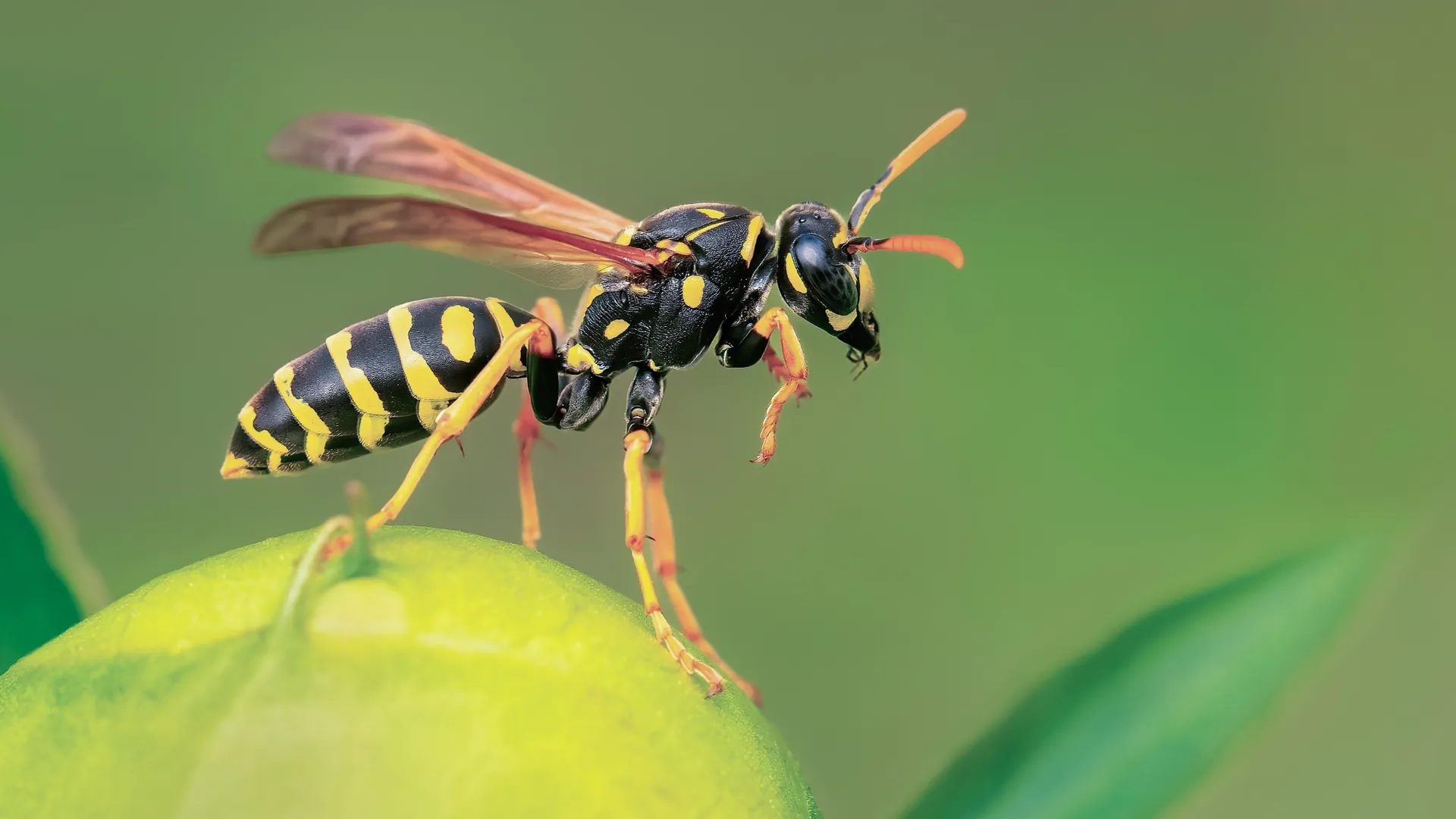
Warm weather means outdoor dining, backyard gatherings, and at some point, wasps. One hovering near your drink is annoying. A few circling the food table, and suddenly everyone's retreating inside.
Fortunately, the fix is already growing in a lot of kitchen gardens: thyme and rosemary. Wasps navigate almost entirely by smell, and these two herbs produce fragrances that effectively short-circuit that system. Plant them close enough and wasps don't just leave, they stop showing up in the first place.
The trick is where you put them. Placed strategically around a patio or dining area, thyme and rosemary create a natural perimeter that works all season.
Why thyme and rosemary repel wasps
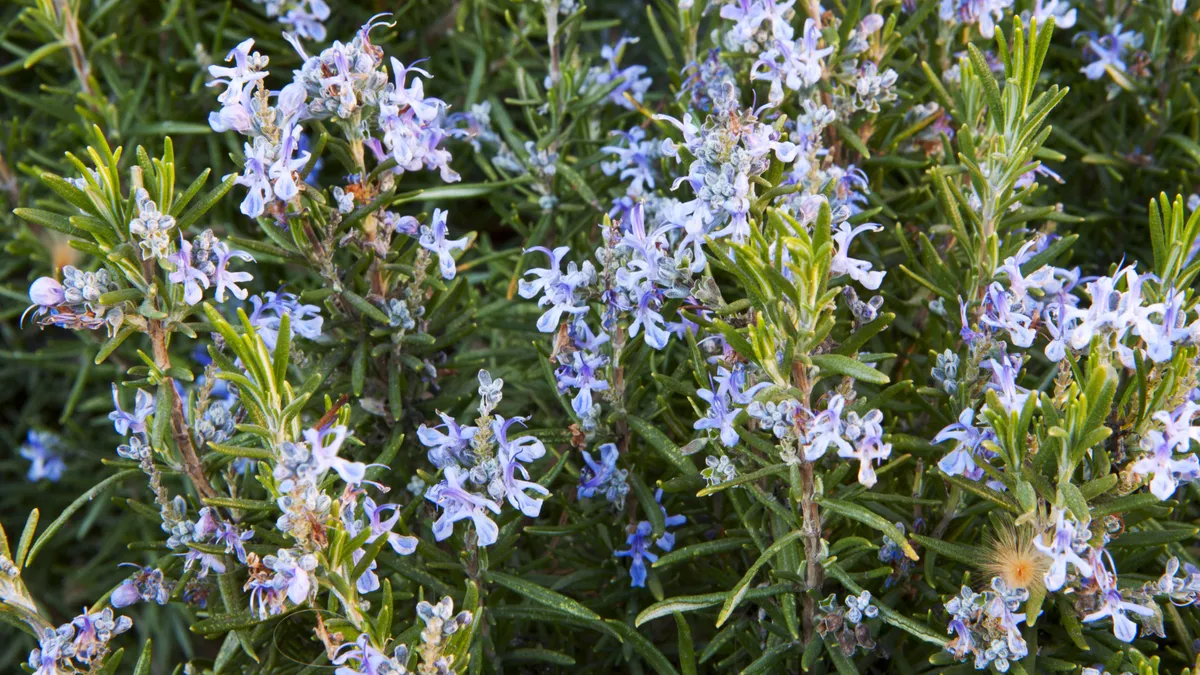
Wasps navigate and locate food primarily through smell. Their olfactory receptors detect specific scents that signal potential food sources, water, or suitable nesting sites. Strong, concentrated fragrances from aromatic plants confuse these receptors.
Thyme and rosemary produce potent essential oils that release continuously, especially when warmed by sun. The concentration of these oils in the air around the plants overwhelms wasps' ability to detect other scents they're searching for. Unable to effectively navigate or locate food, they move to areas where their sense of smell functions normally.
This repellent effect works on wandering wasps looking for food or exploring potential nesting sites. It doesn't eliminate existing nests or remove wasps that have already established territory nearby — it simply makes your outdoor space less appealing than alternative locations.
The herbs need to be alive and growing to produce oils continuously. Dried herbs or essential oil sprays don't provide the same sustained release.
2. Where to plant thyme and rosemary for maximum protection

Strategic placement matters more than quantity. Position herbs where you spend the most time outdoors and where wasp activity tends to concentrate.
Plant thyme and rosemary in containers near patio dining tables, pool areas, or deck seating. Containers offer flexibility, so you can move them throughout the day to stay protected wherever you're spending time. Group several pots together for stronger scent concentration.
For in-ground planting, border outdoor spaces with these herbs. Line patio edges, frame walkways leading to outdoor areas, or plant them along fence lines near seating zones. The concentrated fragrance creates a natural perimeter wasps avoid crossing.
Place herbs upwind from where you sit or eat when possible. Breeze carries the scent across your outdoor space, extending the protected zone beyond the immediate planting area.
Both thyme and rosemary thrive in full sun and well-draining soil, which is exactly the conditions wasps love most. That's what makes this work: you're not fighting their instincts, you're planting directly into them.
The spots wasps find most attractive become the spots they can't stand to be near.

Follow Tom's Guide on Google News and add us as a preferred source to get our up-to-date news, analysis, and reviews in your feeds.
More from Tom's Guide