Bed bug season is coming! If you're worried these pesky critters will turn your mattress into their playground, rubbing alcohol is touted as a popular and affordable DIY bed bug killer — but does it actually work?
The answer is yes but with a big caveat. While rubbing alcohol can kill bed bugs, there are safer and more effective alternatives for you to try at home. Here's everything you need to know about using rubbing alcohol to get rid of bed bugs...
Does rubbing alcohol kill bed bugs?
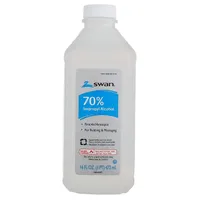
Rubbing alcohol with a concentration of at least 70% does kill adult bed bugs. The active ingredient, isopropyl alcohol, dissolves the exoskeleton of bed bugs on contact. With the exoskeleton damaged, the bed bug dries out and dies.
While a higher alcohol solution might seem like a more direct approach, the water to alcohol balance of a 70% solution can have a better effect. Water prevents the alcohol from evaporating too quickly, so it can get to work on the exoskeleton before turning to vapor.
And rubbing alcohol has another potential advantage: it can be used to get rid of stains and smells on your mattress.
Disadvantages of using rubbing alcohol to kill bed bugs

Rubbing alcohol can kill bed bugs, but we've explored all kinds of bed bug removal hacks and we recommend looking for an alternative solution.
The biggest issue is safety. Rubbing alcohol is highly flammable and should only be used in small amounts. Alternative pest killers, such as diatomaceous earth, are safer to use in the home.
Plus, rubbing alcohol can damage certain types of mattresses, such those made from memory foam and latex.
And there's another catch: researcher's have discovered that bed bugs dislike moisture and that's bad news for some types of repellent. Spritzing your bed with alcohol might cause them to avoid the wet patch (and settle in elsewhere.)
There are also more effective solutions you can try. Rubbing alcohol does kill bed bugs on contact but as it evaporates quickly after application, it won't impact any critters lurking in the seams of your bedding. A hot wash is better at removing burrowing bed bugs.
In addition, rubbing alcohol also doesn't kill bed bug eggs, which means you might think the problem is sorted only for a second wave to hit at a later date.
How to use rubbing alcohol to kill bed bugs
Rubbing alcohol is flammable and should never be used around an open flame. Ensure the room is well ventilated before spraying rubbing alcohol. Alcohol can damage some mattress materials, so always complete a patch test before using. Never consume rubbing alcohol.
This means that rubbing alcohol is best used at the start of a potential outbreak, to target bed bugs before they have a chance to settle into your home (because once they're in, they multiply fast.)
Once you have checked that rubbing alcohol is safe to use on your mattress type, follow these steps:
- Open the doors and windows to increase ventilation
- Strip the mattress and place the bedding in a hot wash (at least 140°F for 90 minutes)
- Fill a spray bottle with a 70% rubbing alcohol solution
- Spray the solution on the mattress, targeting common bed bug hiding places such as the seams and tufting
- Lightly mist the entire mattress as well as areas surrounding the bed, such as the frame and underside
- Leave the alcohol solution to dry
- Vacuum the mattress and surrounding area, and use a damp cloth to wipe clean any hard surfaces (such as the bed frame)
One of the most common ways to bring bed bugs into your home is in your luggage. If you've returned from a trip and you're worried about hitchhiking pests, follow the tips above to treat your suitcase and luggage.
Alternative methods for killing bed bugs
So if we don't recommend rubbing alcohol, what bed bug treatments do we suggest instead? These are our top at-home recommendations:
1. Diatomaceous earth
Diatomaceous earth is a popular pest killer and a common way to treat a bed bug infestation at home.
It's a fine powdered form of natural rock, and like rubbing alcohol, diatomaceous earth works by sucking moisture from the bed bug, destroying the exoskeleton..

But diatomaceous earth is safer to use around the home than rubbing alcohol — simply sprinkle it over your mattress, plus a barrier around your bed, and you can continue to use the room as normal (though we would recommend using a mattress protector so you're not disturbing the powder you've applied) .
It also doesn't lose efficiency, so you can leave your diatomaceous earth traps in place (ideally for 7-17 days) until you're confident the bed bugs infestation has gone.
Then vacuum it all up (and empty the vacuums far away from your home.)
2. A hot wash
Bed bugs hate high temperatures which is why one of the most effective ways to remove bed bugs at home is with your washing machine.
A top tip is to pop your bedding into a sealable bag once you've removed it from the bed, and use that to transfer it into your machine. But a quick wash won't do it; you need at least 90 minutes at a temperature of 140°F to kill these hardy pests.

Follow up with either a spin in the dryer at a high temperature or leave the bedding to dry in direct sunlight.
As mentioned, bed bugs often hitch a ride in suitcases, so when you return from a trip, we suggest washing all your clothes before you return them to your wardrobe. Yes, even that ill-advised sweater that spent a week unused in your hotel room.
3. Freezing
Bed bugs are adverse to extreme temperatures of any kind, which is why your freezer can be an unexpected assistant in your fight against an infestation.
For this to work, begin by emptying the freezer. Place all your bedding into a sealed bag and keep it in the freezer for several days.
We recommend following up with a spin on a hot wash, both to clear away any lingering bed bugs and banish any unwanted freezer smells.
4. Prevention
Once bed bugs have made your house into their home, they're extremely difficult to get rid of. So if you've invested in the best mattress for your sleep needs, we recommend taking preventative steps to keep it safe.

Regularly vacuuming your mattress and taking precautions when traveling can help you avoid an outbreak, while a mattress encasement adds an extra barrier between the bugs and your bed.
The benefit of encasements are that they fully covers (or encase!) the whole mattress, and are typically sealed via a zipper, which makes it harder for bed bugs to penetrate to your mattress.
When to call the experts for a bed bug infestation
At-home treatments can get rid of bed bugs but they're best used right at the beginning of an infestation (or suspected infestation.) Unfortunately, once bed bugs have settled in, you need to contact the professionals.
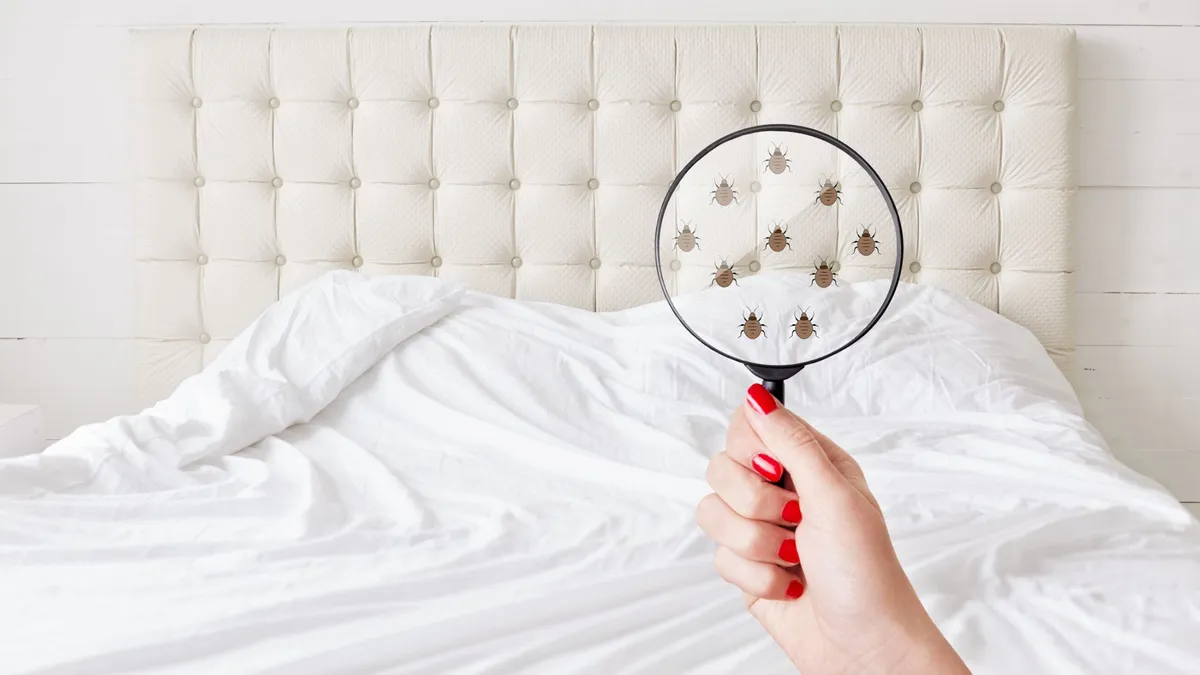
This is because bed bugs multiply fast, can go a long time without food, and can even lie dormant in unfavorable conditions. They're also incredibly difficult to spot, can jump large distances and consider your mattress a perfect home.
All these factors mean that you can think you've got every bed bug... then a few weeks later the bites start up again.
A pest control expert can ensure the bed bugs are dealt with safely and efficiently, so you can go back to snoozing in peace.

Follow Tom's Guide on Google News and add us as a preferred source to get our up-to-date news, analysis, and reviews in your feeds.