



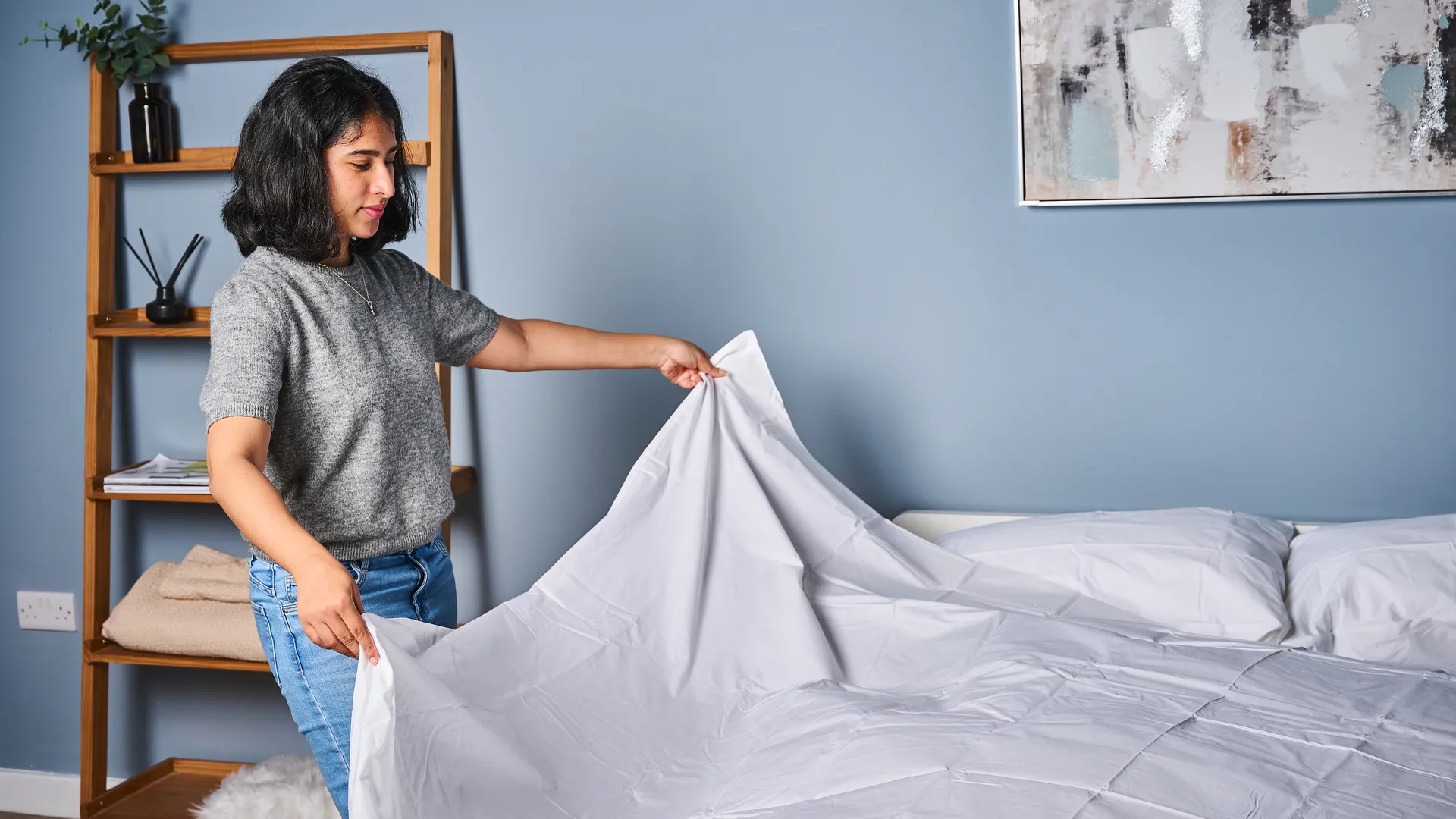
There's nothing like warm weather to motivate you to clean the seldom-touched areas of your home. Hopefully that includes your mattress, as dead skin cells, body oils, sweat, bacteria and even mites will have built up over the past months without a deep clean.
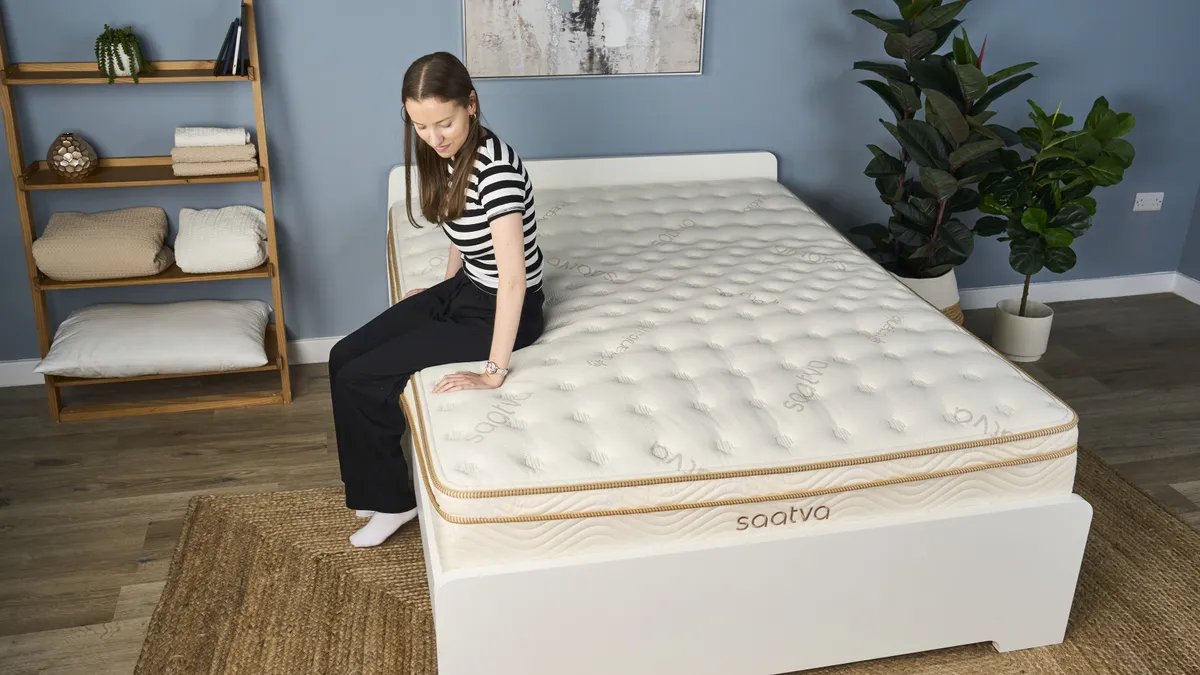
If spring cleaning has exposed that your bed needs replacing, check out our guide to the best mattresses for all sleep styles
But before you start spring cleaning your bed, remember that improper care risks voiding your mattress warranty. Sleep brands typically have guidelines on how to care for and clean your bed but not following proper care instructions can leave your pricey mattress unprotected by a warranty.
'Abnormal' cleaning methods to avoid include harsh chemicals that damage the mattress and excessive moisture that causes mold and mildew growth.
What's more, these improper techniques can impact the comfort of your bed. But if you notice your mattress has started to sag way before the end of its lifespan, you might be unable to claim a replacement if there's evidence your cleaning has gone against the warranty. Here's what to avoid and the safe methods that leave your mattress sparkling clean and your warranty intact.
3 spring cleaning mattress tasks that could void your warranty
1. Using a steam cleaner
Using a steam cleaner on your mattress might seem like a quick cleaning solution, but you run the risk of voiding your warranty if you do.
"A steam cleaner set too hot will leave excess moisture, which is how you get mold and mildew growing inside the mattress where you can't see it," Taylor Riley, expert at Stay Clean Solutions, told us.
This is particularly important for memory foam mattresses, as heat and moisture can damage the structure of internal foams, cause them to break down (cue a sagging mattress), and lead to mold, which will typically void the warranty. So if you have one of the best memory foam mattresses, avoid steam cleaning altogether.
However, many warranties from popular brands, such as Tempur-Pedic and Purple, cover hybrid mattresses as well as memory foam options and state mold, mildew or damage from liquid will void the warranty. So practice caution when steam cleaning a hybrid, as well.
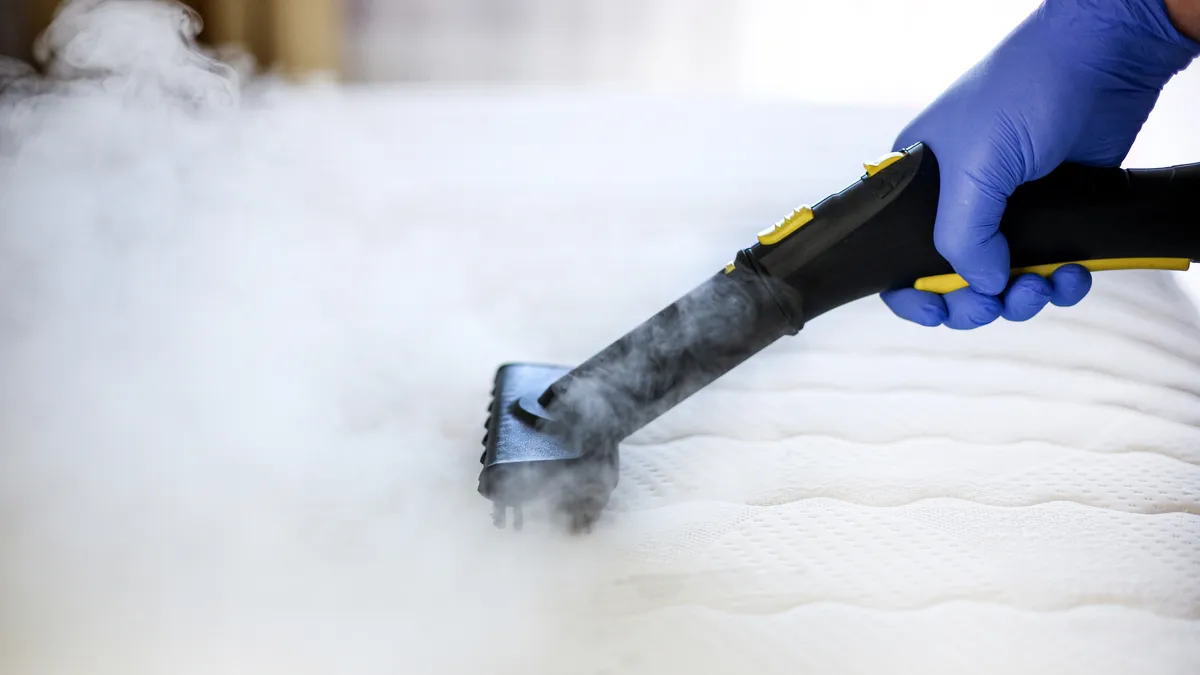
While hybrid innerspring mattresses feature significant support springs, they also feature comfort layers, often made of foam. Steam cleaning runs the risk of pushing moisture into these layers, sometimes resulting in mold.
In the UK, mattress brand Otty’s warranty is voided if mold from ‘abnormal care’ including liquid spillage is present, while Simba Sleep’s warranty bans “attempt[s] to clean the mattress with improper cleaning products or techniques.” Indeed, its cleaning advice does not include steam cleaning.
Using a powerful steam cleaner can also cause damage the glues that bond mattress layers together, known as delamination. As a result, the layers may shift, reducing the support and integrity of your bed.
2. Cleaning with bleach and other harsh chemicals
It may be tempting to use the strongest chemicals, such as bleach, to thoroughly clean your mattress.
But be warned, bleach can cause discoloration and damage the fibers of the mattress. Harsh chemicals in general are typically discouraged in mattress brands’ cleaning guidelines.
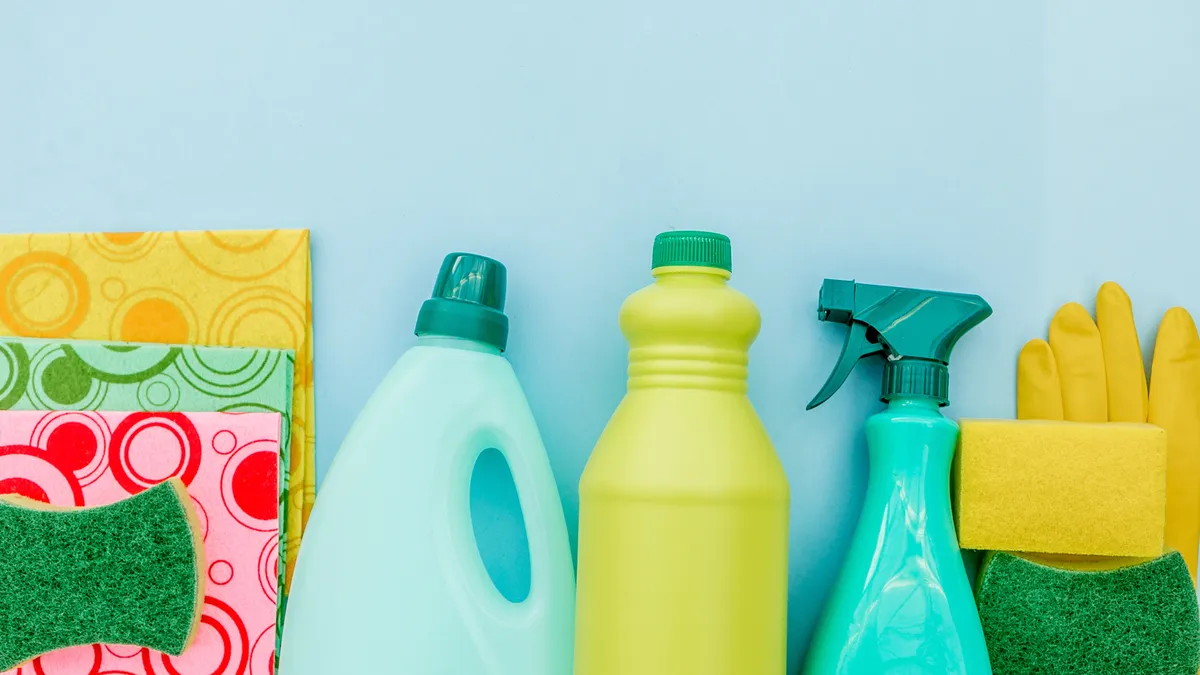
That’s because, as UK bed retailer Dreams explains, "Bleach, ammonia-based cleaners, strong solvents, and harsh detergents chemically react with polyurethane foam, causing discolouration and structural breakdown."
Why does this matter for your warranty? Well, most mattress warranties are voided if the mattress is stained or damaged (including the warranty provided by Saatva.)
Always check the care instructions and cleaning advice for your mattress, and consider safe alternatives to harsh chemicals (which we'll get into below).
3. Removing the mattress cover
You might think that because you can see a zipper on your mattress, it means the cover can be removed and popped in the washing machine.
While this is true in some cases — the Simba Hybrid, for example has a machine washable zip-off cover — removing the cover often voids the warranty. So it's essential to check the terms before unzipping.
And there are some good reasons why you shouldn't unzip and take off the cover of certain mattresses.
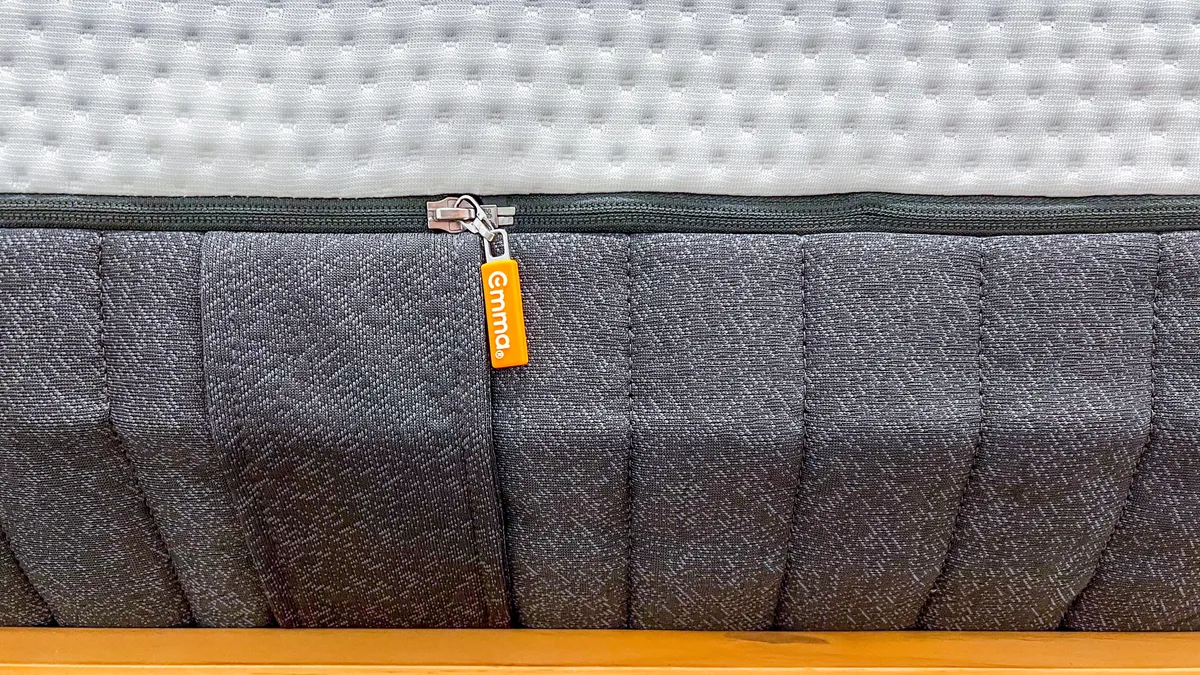
“If a mattress has a zippered cover, that doesn’t necessarily mean you should ever remove it,” Claire Davies, Tom’s Guide Sleep Editor and Certified Sleep Coach says. “In fact, if you remove the cover on a mattress that contains fiberglass you will expose your bedroom and clothing (and potentially your wider home) to fiberglass."
Indeed, Zinus' warranty, specifically states that removal of the mattress cover voids its 10-year warranty, and says that "removal of the cover will expose the protective fire barrier and may cause exposure to glass fiber."
Even fiberglass-free DreamCloud mattresses state in the US warranty that removing the cover for any reason voids the warranty. Check your specific warranty, but as a rule of thumb, don't remove that cover.
Safe cleaning methods that won’t void your mattress warranty
While you should always consult your mattress warranty and the care instructions before cleaning, the below methods are generally safe.
1. The baking soda method
You might be surprised to learn that baking soda (also known as bicarbonate of soda) is ideal for mattress cleaning. It's natural, non-toxic, and removes bad odors.
It's also absorbent, helping lift stains, all of which makes it an ideal method to freshen up your bed and one that's generally safe to use on all types of mattresses. As such, it's unlikely to void your mattress warranty.
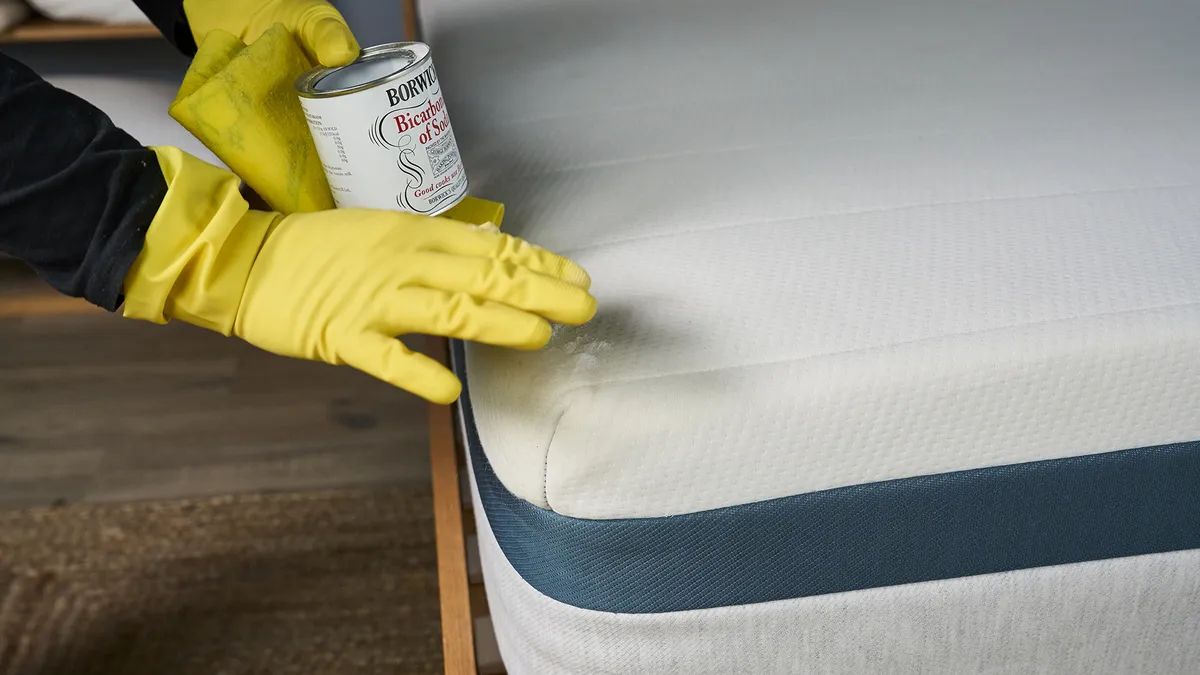
To use, vacuum your mattress thoroughly, sprinkle the baking soda over the full surface (you can pre-mix it with a little essential oil if you want to add some fragrance), and gently work the mixture into any stained areas with a cloth or brush (but be careful not to be abrasive).
Then leave for 30-90 minutes before vacuuming it up thoroughly.
You can find our more detailed guide to cleaning a mattress with baking soda here, including how to tackle specific stains like sweat, blood and urine using baking soda-based mixtures.
2. Spot cleaning and vacuuming
Another generally safe method for mattress cleaning (and one that's unlikely to lead to a voided warranty) is to spot clean stains, as this tackles the problem without oversaturating the mattress with liquid.
Our comprehensive guide to cleaning a mattress includes how to spot clean stains safely plus the safe solutions to use on each type of bed (and advice on vacuuming and pest removal.)
For example, we recommend a solution of water and mild detergent in a spray bottle for memory foam beds, and for organic mattresses, a cup of water, a teaspoon of mild laundry detergent and half a cup of white vinegar, together in a spray bottle.
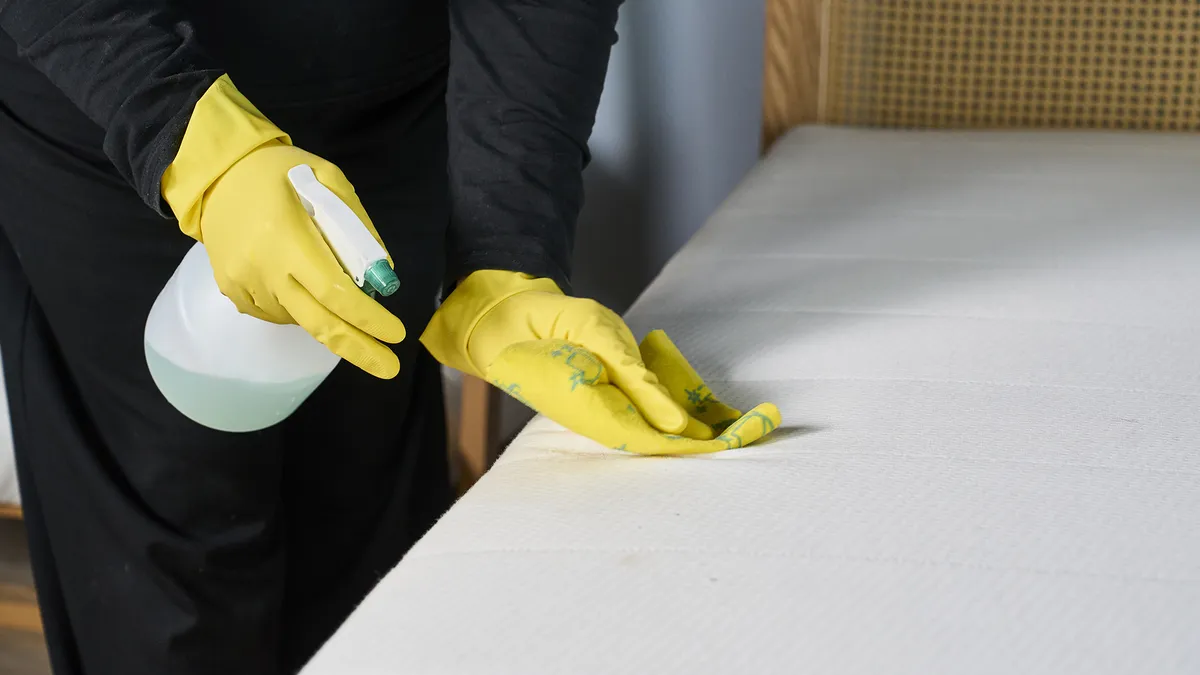
Irrespective of mattress type, it's key to remember that when you're spot cleaning, never saturate the mattress with liquid and always blot the area gently to lift the stain.
Even if you don't have stains to remove, we recommend vacuuming your mattress (unless it's a wool mattress), using the upholstery attachment, at least monthly to avoid build up of nasties like dead skin cells, dust and any grime that has accumulated. Vacuuming is also a weekly cleaning task that can reduce the risk of bed bugs in your mattress.
All that said, it's essential to check the cleaning instructions for your specific mattress before you embark on spot cleaning.
How to protect your mattress from stains, spills and germs
As the old adage goes, "prevention is better than cure." And when it comes to your mattress, it's far better to avoid stains, spills and germs than to have to remove them. Plus, as we've covered above, vigorous or careless cleaning can void your mattress warranty.
That's where the trusty mattress protector comes in. Doing exactly what it says on the tin, a mattress protector is a layer of material that sits between the mattress and your bedding, guarding your bed against accidental spillages, stains, dust mites and even bed bugs in some cases.
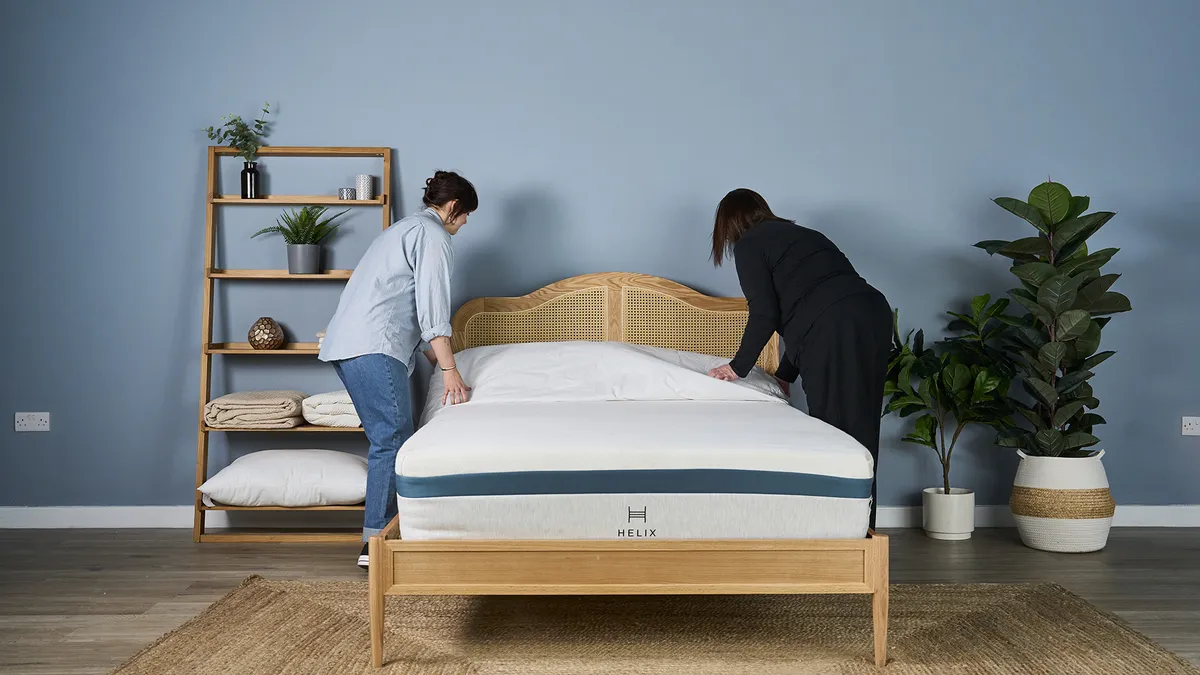
Our guide to the best mattress protectors includes options that are fully waterproof, cooling, guard against bed bugs and to suit all budgets — and our team of sleep experts tested them so you can read about what they actually feel like on the bed.
If you've just invested in a mattress, we recommend getting a protector sharpish, as some sleep trials (a period of time where you can test a mattress and return it if it's not right for you) require you to use one. So if it's been 30 days and you know this mattress isn't right for you, the lack of protector might mean you're stuck with it — or you'll be browsing the mattress sales for a replacement.

Follow Tom's Guide on Google News and add us as a preferred source to get our up-to-date news, analysis, and reviews in your feeds. Subscribe to Tom's Guide on YouTube and follow us on TikTok.
