The crisp, clean white sheets of a hotel mattress create a luxury feel that makes going to bed one of the best parts of vacation. And you can achieve the same fresh finish at home with a product you might already have in your cabinets: citric acid.
"Citric acid is a brilliant natural cleaning agent," explains explains Lynsey Crombie, home cleaning expert. "It can be used on bedding and pillows, but it needs to be used correctly and with care."
As an easy and natural way to make your bed sheets sparkling white, we asked Crombie how to use citric acid to achieve a hotel-fresh feel.
- Read more: My freshly washed bed sheets smelled sour — until an expert pointed out my drying mistake
Why hotels use citric acid to clean bed sheets
"Hotels often use acidic-based products to help keep linens looking bright, fresh, and crisp," explains Crombie, author of the 15 Minute Clean.
"Citric acid works in a similar way by breaking down mineral build-up from hard water and lifting dullness from fabrics."
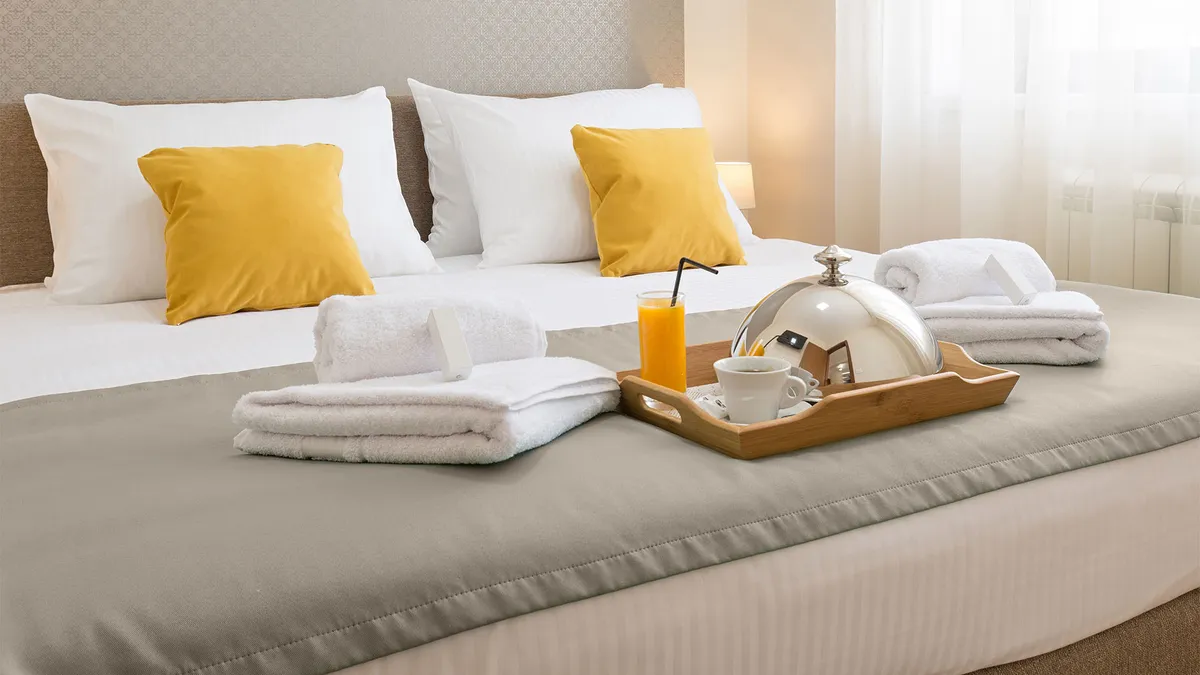
The result is bright whites that restore that "fresh, hotel-like look" (because, yes, white sheets are a must for hotel-luxury.)
She notes that citric acid also acts as an odor remover, neutralizing "smells trapped in fabric," while the natural ingredient is a great alternative to "harsher" chemical whiteners.
Rex Isap, CEO at Happy Beds, adds that hotels use citric acid to clean sheets and pillows because it delivers a "gentle yet effective wash."
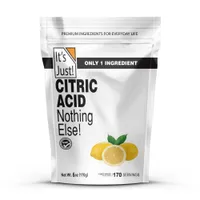
How to use citric acid for crisp, clean bedding
"If you want that fresh, crisp finish at home, keep it simple," says Crombie. She recommends following this easy routine:
1. Prepare a citric acid solution
To get a fresh finish from citric acid, begin by diluting your citric powder to make a solution.
Crombie recommends dissolving one to two tablespoons of citric acid in warm water and adding it to your fabric softener drawer or the machine's drum during the wash.
"Citric acid needs correct dilution," explains Crombie. "Too strong can damage materials."
2. Wash as usual
Citric acid can give your sheets a sparkling finish but as Crombie explains, it doesn't act as a stain remover on its own.
"[Citric acid] is better used as part of a routine," she says, and recommends using alongside your usual detergent.
For sheets, we typically recommend a hot wash of 140 °F for a minimum of 90 minutes, to remove germs, dust mites and even bed bugs. However, always make sure to read the care instructions before washing, to avoid damaging the materials.
3. Dry outside
"Combine citric acid use with line drying where possible," advises Crombie. "Nothing beats fresh air for that clean, hotel-style finish."
If you don't have access to a patch of warm sunshine in which to dry your sheets, place them in the dryer on a high setting.
Make sure your sheets are completely dry before dressing the bed. Damp sheets can trap moisture, which can eventually lead to mattress mold — less five-star hotel, more roadside motel.
And for a final flourish, try a spritz of lavender oil mixed with water. Lavender can keep away bed bugs and it's a sleepy, soothing scent.
4. Use sparingly
While a spoonful of citric acid can add some much-needed shine to your sheets, it shouldn't be a part of your regular cleaning routine.
"Citric acid can weaken fibers over time if overused," notes Crombie,
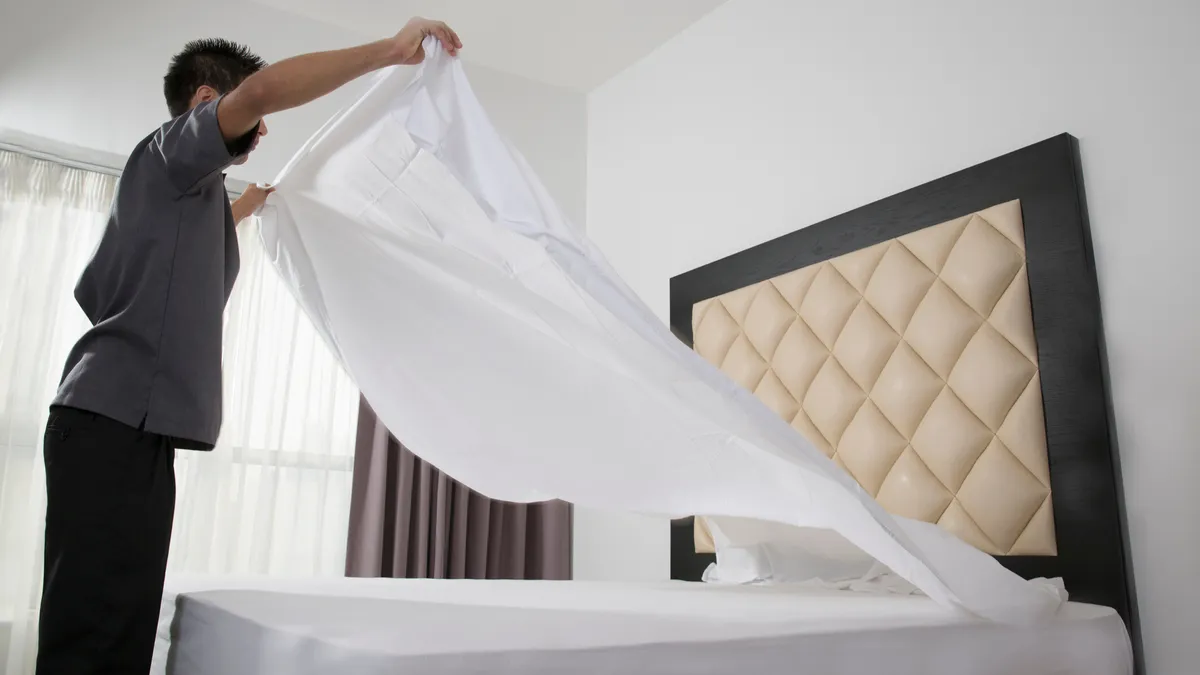
Instead, we recommend using it whenever your sheets start to look dull. A quick scoop of citric acid solution mixed in with your regular detergent will give your bedding the spruce up it needs.
Citric acid alternatives for clean, fresh sheets
Crombie notes that while citric acid can give your sheets the crisp and clean finish of hotel bedding, it needs to be used "correctly, with care"
"[Citric acid] is not suitable for delicate fabrics like silk or wool," she explains, while adding that it should only be used occasionally.
We recommend washing your sheets once a week — by week two without washing, your bed is home to a plethora of bacteria. So how do you keep your bedding fresh in between your citric acid cleans?
- Hydrogen peroxide: Mixed with equal parts water, 3% hydrogen peroxide can remove stains and odors from your bedding.
- Bleach: Part of the reasons hotels use white sheets is because they can be bleached without the risk of fading. 1/2 cup of bleach in a regular wash cycle can remove yellow stains (but never use bleach alongside vinegar.)
- White vinegar: The acidity in white vinegar works similarly to citric acid, breaking down the sweat that's staining your bed sheets when you add a cup full to your hot wash.
- Shaving foam: A popular TikTok hack, the soaps in shaving foam help lift stains from both your bedding and your mattress.

Follow Tom's Guide on Google News and add us as a preferred source to get our up-to-date news, analysis, and reviews in your feeds.