
Let’s hear it for the winners of the Tom’s Guide AI Awards 2026. Although AI is everywhere, these are the tools, appliances and gadgets worth celebrating for being useful, impactful and innovative.
Over the past few months, we’ve rigorously tested dozens of the latest AI tools and devices to find the ones that go beyond the hype and actually make your life easier. We’ve looked past the trends and "wow factor" to focus on the ones worth the recognition. Whether it’s a smarter home that anticipates your needs or a local solution that supercharges your creativity, these awards represent the best of AI because they are practical, powerful and ready to use right now.
The winners of the Tom’s Guide AI Awards 2026 are the tools and devices we couldn’t put down, use ourselves and keep coming back to, because they solve real problems. Some help you save time without adding complexity while others offer ingenuity that make them stand out from the rest. All deliver on the promise of AI that feels intuitive and practical. And more importantly, they’re ready to fit into your daily routine right now.
Personal Tech (Phones, PCs, & Wearables)
HP EliteBoard G1a
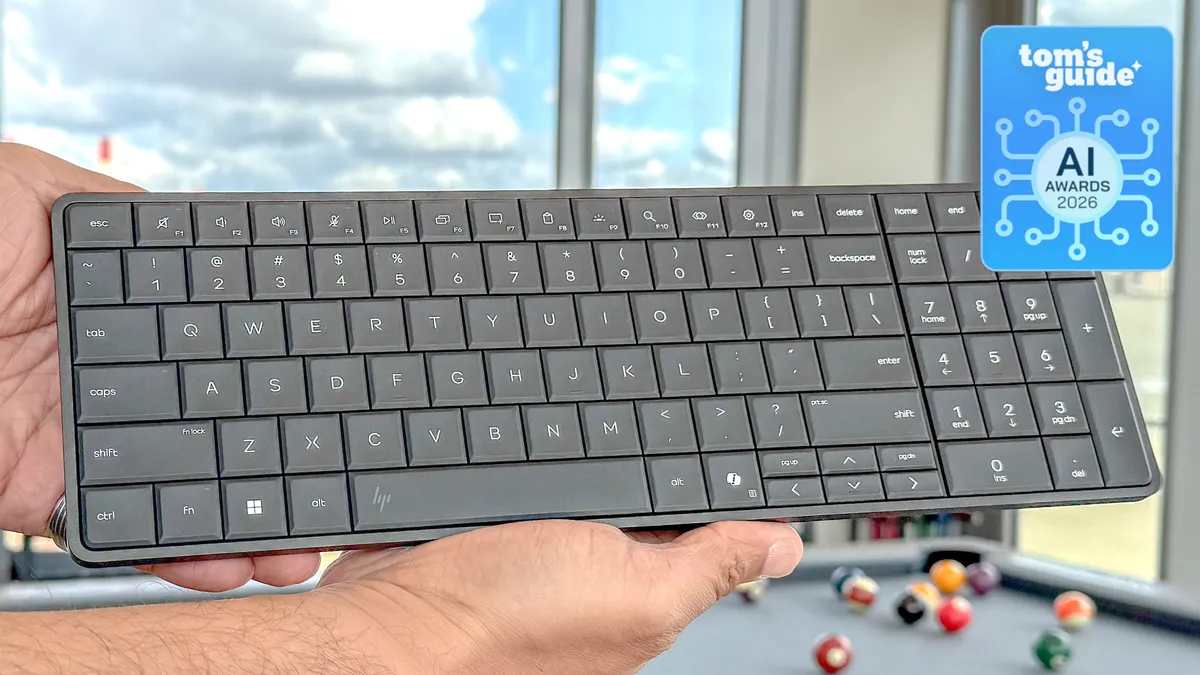
The HP EliteBoard G1a might look like a common office keyboard, but it’s actually a fully functional PC. This Commodore 64-like computer seems unusual, but this form factor could be ideal for certain users. According to HP, the EliteBoard is for workers who frequently move between workstations and often keep their laptops closed when connected to a monitor.
Inside, it packs a CPU, storage, RAM, and connectivity. All that’s required on your end is to connect it to a monitor. Before you ask, yes, it includes a mouse and a dongle with an Ethernet port, HDMI, and two USB-C ports. Thanks to Bluetooth support, you can connect additional peripherals.
While the HP EliteBoard G1a is a remarkably capable computer, it’s admittedly not for everyone. If you own a laptop, you’re probably better off with that. However, if you’re the kind of worker this machine was designed for, it could be very useful. It’s currently listed as “coming soon” on its official product page, but you can pick it up now for $1,499 on Adorama. — Tony Polanco
Oura Advisor

The AI-powered Oura Advisor feature — available in the Oura app for the latest Oura Ring 4 and older Oura Ring 3 — is one of the most actionable and insightful AI wellness coaches we’ve tested. While other wearables provide a laundry list of tracked metrics, the Oura Advisor actually makes sense of all the data, offering digestible trend observations and training tips based on your current goals and recent physical and mental performance.
Users can set Oura Advisor's voice and how often it checks in. You can also ask it questions anytime using the app. Designed to help you improve your overall well-being in any number of ways, the Advisor can do everything from guiding you to progressively wake up earlier for more productive mornings, to generating detailed training plans for an upcoming marathon/triathlon. Better yet, the more you interact with the Advisor, the better it gets to know you, ultimately leading to even more personalized insights and advice. — Dan Bracaglia
AMD Ryzen AI Max+ 395
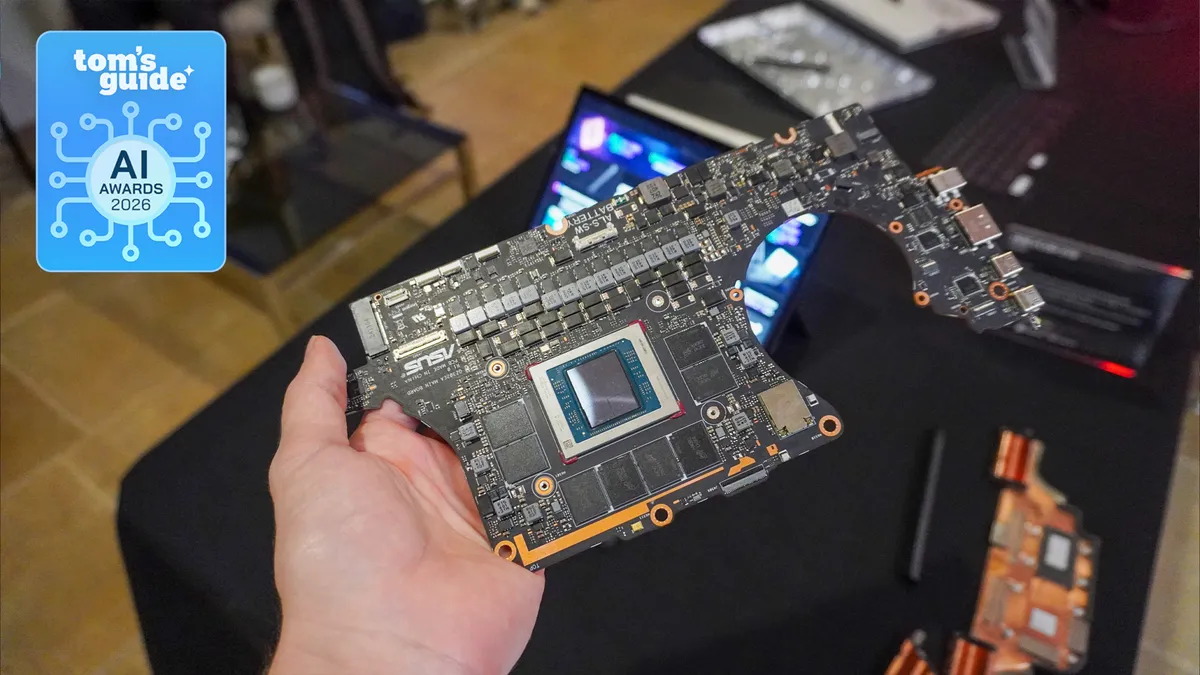
Great silicon for local AI isn’t just about raw horsepower, it’s about doing the job efficiently too — especially when it comes to a laptop chip. And for that reason, the AMD Ryzen AI Max+ 395 manages to nail a pretty effective balance between performance and power efficiency.
And it all comes down to that monstrous internal GPU 40 cores, and support for up to 128GB of RAM allowing me to easily run gigantic 120 billion parameter models at zippy speeds, or even get agentic on all your daily to-dos with OpenClaw. The strength of local AI is security and versatility to have it do whatever you want it to do, and this is the best portable chip to run it. — Jason England
Even G2 Display Smart Glasses and R1 Smart Ring
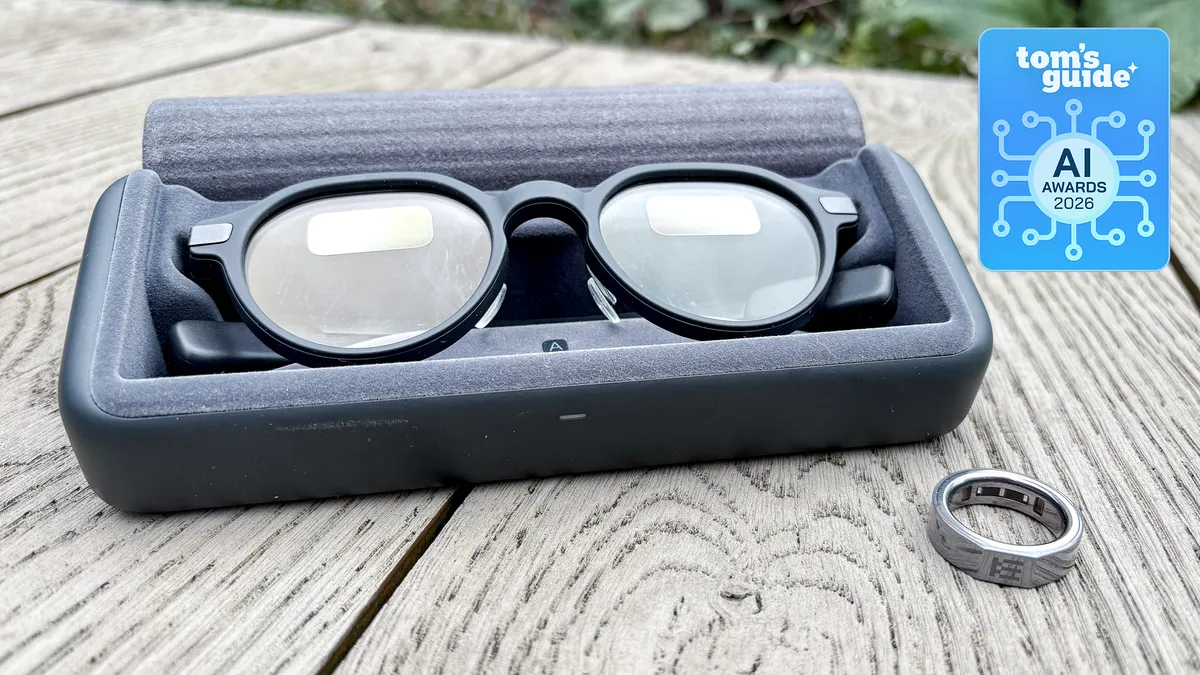
As someone who’s tested smart glasses for over five years, AI has felt like the missing link to this category — unlocking so many more use cases on something so immediately wearable than the other crop of AI hardware form factors. And out of all of them, the Even Realities G2 finds a great balance of sensible, genuinely user friendly implementations across the board.
You’ve got your standard array of AI features like a chatbot and live translation (all great for on-the-go), but the biggest ones here come courtesy of Conversate and Even Hub — basically an app store for smart glasses.
The former not only listens to and transcripts conversations, but also gives you smart context and follow-up questions to ask (saving me from when my mind drifted away when on the phone with my fiancée), and the second is growing by the day with more and more AI capabilities. — Jason England
Napster View
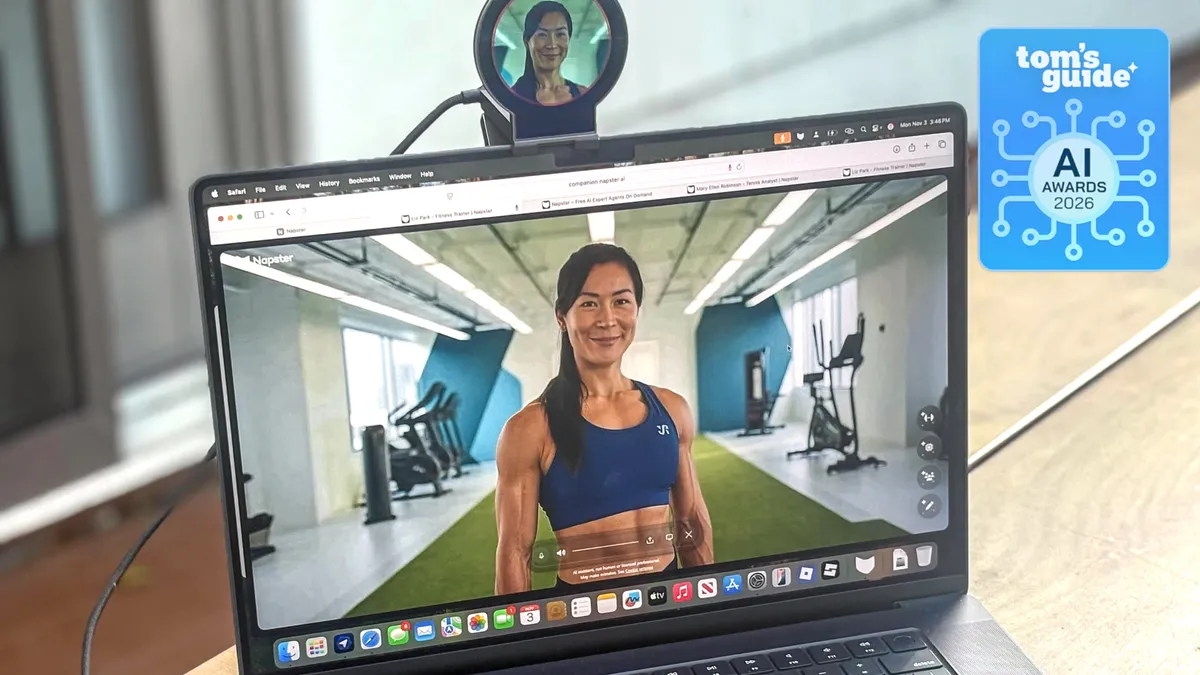
Napster View deserves recognition for pushing AI beyond the flat chatbot interface and into a more human, spatial experience. By combining a glasses-free holographic display with AI companions, it reimagines how people interact with AI assistants, which makes collaboration feel more natural and engaging.
Instead of another app window, Napster View gives AI a physical presence on your desk, helping to manage tasks in a way that feels futuristic yet practical. In a crowded market of lookalike AI tools, Napster View stands out for bold innovation and fresh design highlighting what the next generation of human-AI interaction looks like. — Amanda Caswell
Fitnexa SomniPods

Good sleep is vital to your wellbeing and longevity so leaving it in the hands of an AI chatbot might be an unnerving prospect. However, the Fitnexa SomniPods 3 Sleep Earbuds impress with an integrated AI helper that uses your sleep tracking data (recorded directly from the earbuds) combined with the best advice sourced from the web to deliver personalized insight into your snooze. Don’t expect sleep doctor level insight, but you will get helpful pointers into taking your eight hours to the next level.
It helps that as a pair of sleep headphones, the SomniPods 3 rate among the best. The ANC is strong enough to muffle your snoring bed partner and while the sound quality won’t impress audiophiles, it delivers white noise with enough clarity to immerse you in a soothing cocoon. So the SomniPods not only help you sleep better, they can show you just how much good kip you got and give you advice to make the next night even better. — Ruth Jones
Rokid AI Glasses Style
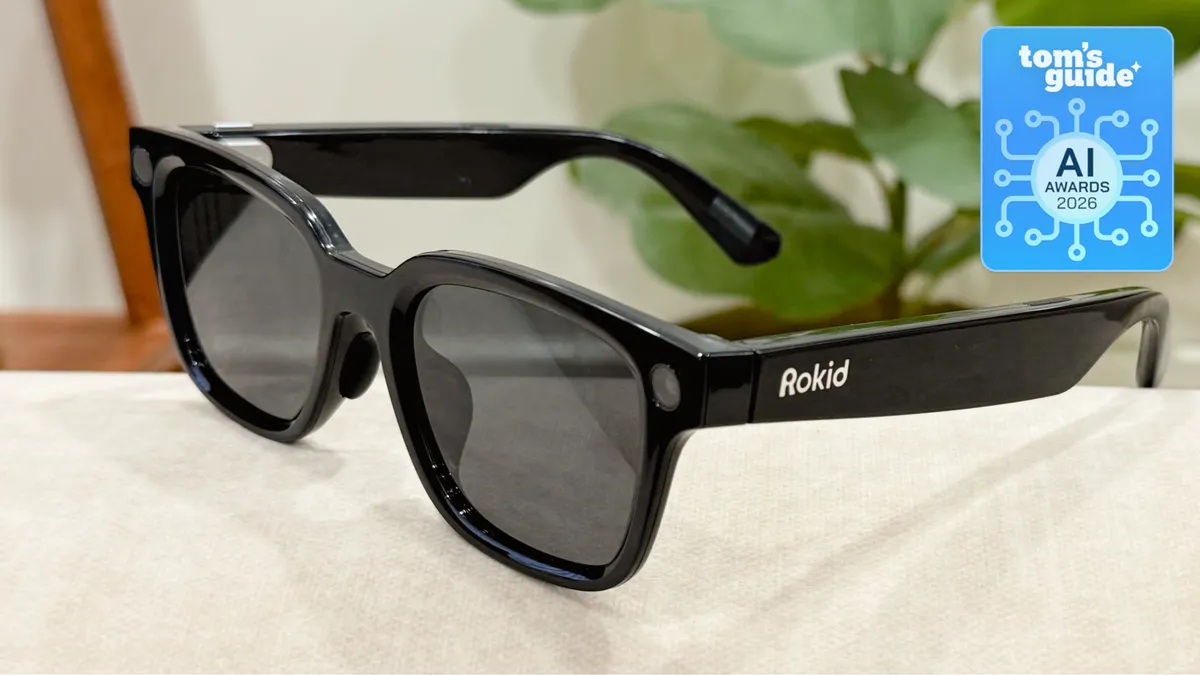
Think the Ray-Ban Meta smart glasses, but cheaper, lighter and open to other AI models and that’s what you get with the Rokid AI Glasses Style. You can pick from ChatGPT or Gemini to drive the multi-modal capabilities of just asking questions, using image recognition to get answers to problems around you, take notes from meetings, and more.
And even better, all of this is packed into a sleek pair of shades that nobody will really notice is actually a pair of smart glasses (unless they’re looking really closely at those corners). No display to distract you, just a natural-feeling upgrade to your AI tech arsenal. — Jason England
Framework Desktop
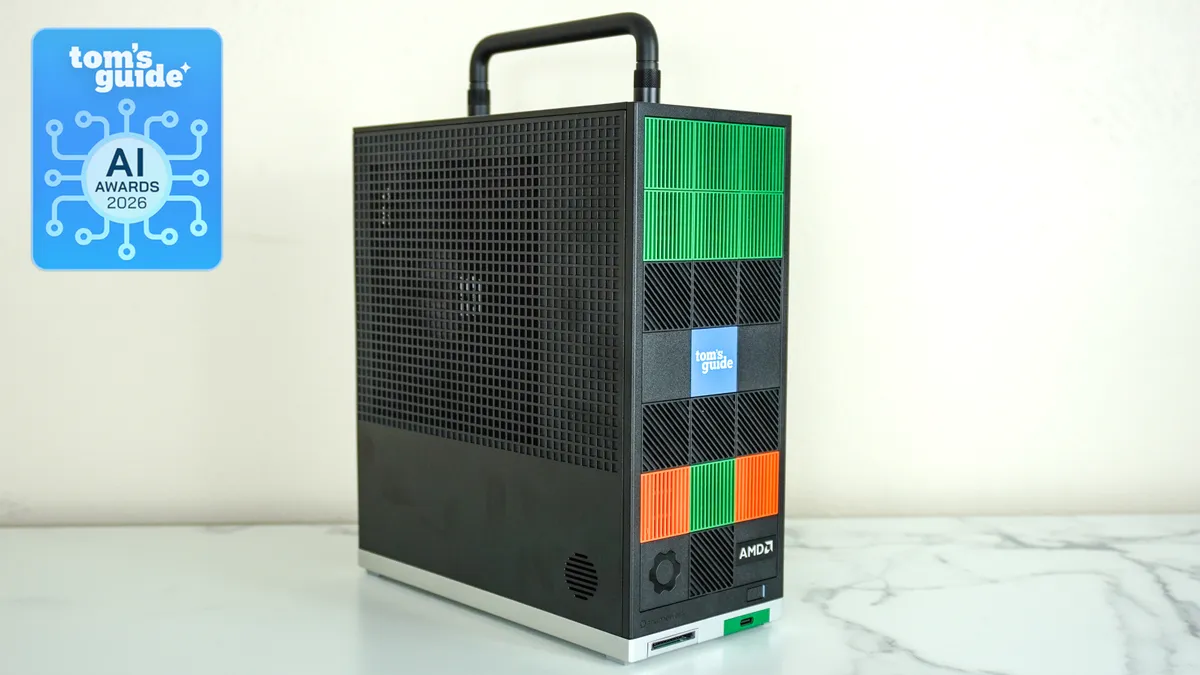
The Framework Desktop completely flipped the idea of what a mini PC is on its head but it also did so for local AI. This DIY and repairable desktop proved that local AI power doesn’t have to come in a locked-down box. By pairing AMD’s AI Max processors with up to 128GB of unified memory, Framework created a mini PC that can run local LLMs just as well as it can handle demanding workloads and even gaming.
Instead of using a more expensive and power-hungry discrete GPU, the Framework Desktop combines the power of AMD’s Ryzen AI Max chips with unified memory to side-step VRAM limitations. Likewise, it does so in a small, portable case that you can customize to your workflow and even your workspace. It’s hard to find a machine that does it all at this size and price. However, the Framework Desktop delivers and then some with enough versatility that you can edit video and run local AI models during the day and then play games at night. — Anthony Spadafora
MSI Stealth 16 AI+
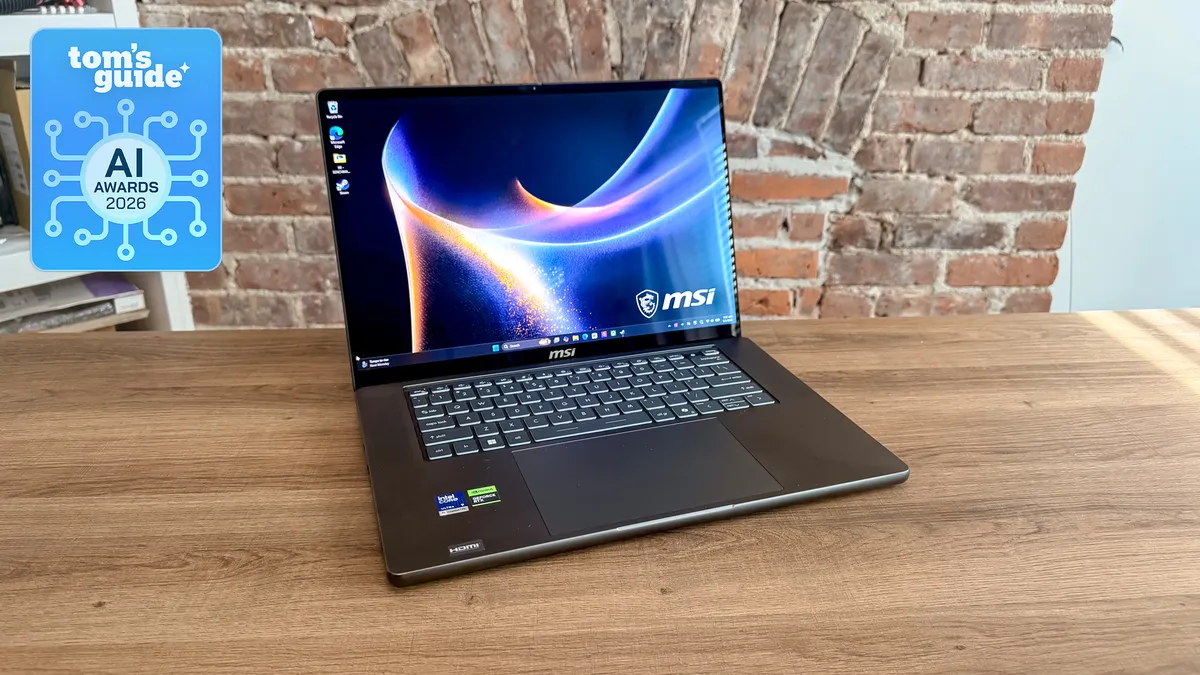
The MSI Stealth 16 AI+ is not just a great gaming laptop, it’s an AI powerhouse with its monstrous internals — a solid pairing of Intel’s Panther Lake chipset with the next-gen NPU for small local AI tasks, and up to an RTX 5080 for running gigantic models really brings it altogether.
Throw in Nvidia’s huge toolbox of AI models across agentic capabilities, creativity and more, and you’ve got a really impressive system that can do it all from crunching a massive LLM to creating your next coding masterpiece. And all of this is packed into what I’d call the Windows MacBook Pro aesthetic — an all aluminum shell with great ergonomics, a gorgeous 240Hz OLED panel and plenty of connectivity. — Jason England
Samsung Galaxy S26 Ultra

Smartphones are quickly becoming the ultimate AI hardware — embracing the raw power of that built-in silicon to deliver some nifty new features. Sometimes they’re gimmicks, but in the Samsung Galaxy S26 Ultra, they definitely are not.
It starts with fun moments of creativity like AI generative photo edits to move subjects and fill gaps left behind based on the context of everything around it, or Google’s classic circle to search image model.
But it rapidly gets more ambitious with the likes of Now Nudge giving you contextual multimodal actions based on your messages (setting up a calendar appointment if someone asks if you’re free at 11:30 for brunch), or just full automated app actions giving you full agentic AI across key apps like building a grocery cart in Instacart. — Jason England
Dnsys Z1 Exoskeleton

Improved mobility can be the difference between going somewhere new or staying home and for those with injuries, disabilities or long-term health conditions, the Dnsys’ exoskeletons are a game changer. This wearable, lower-body exoskeleton makes movements easier by providing strong support and assistance while reducing joint pain.
While we tested the original X1 Exoskeleton which targets the hips, Dnsys also released a Z1 Exoskeleton that focuses on your knees. Both devices use AI algorithms to predict muscle exertion so that they can provide adaptive assistance in real time. The X1 and Z1 learn your gait and from there, they can predict your movement and send power to your hips or knees right before you move your legs. Dnsys’ algorithms show how AI can often do its best work in the background. — Anthony Spadafora
Smart Home, Appliances & Security
Dyson Spot+Scrub AI
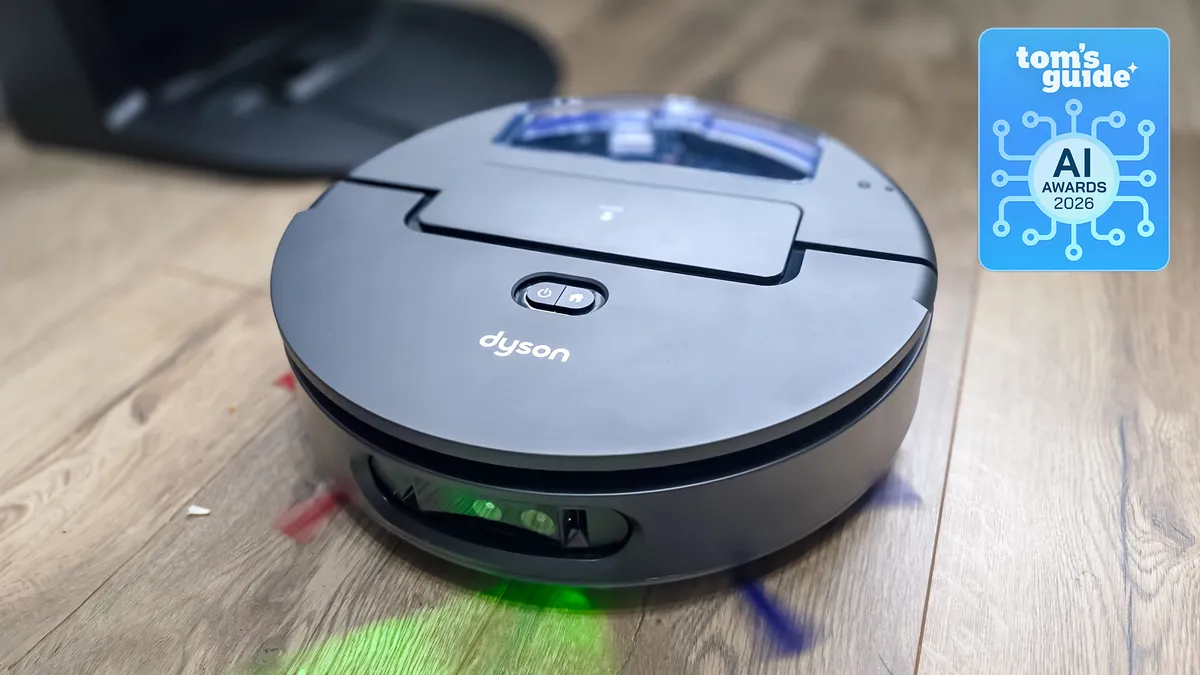
Dyson is a popular brand known for its incredible power, innovative technology and eye-catching designs. And so it comes as no surprise that its newest robot vacuum and mop should throw AI tech into the mix. The Spot + Scrub AI is a wet and dry robot vacuum that combines AI vision and ‘green light illumination’ to detect invisible stains and objects. Its capabilities can quickly identify and adapt to 190 types of household substances and objects, and navigate around them.
Other impressive features include an advanced dual-laser LiDAR, HD camera, fluffy optic tech and edge-to-edge cleaning to ensure spotless results. Unlike its predecessor, the Spot +Scrub AI uses a heated cleaning system to keep the roller clean and hygienic and dries it with a 113°F (45°C) hot air cycle to prevent lingering smells. — Cynthia Lawrence
Malwarebytes Scam Guard

Even when you think you’re up to date on the latest online scams, a new one comes around that’s a whole lot easier to fall for and many people do. That’s why scam protection has become such an essential cybersecurity tool. Malwarebytes’ Scam Guard provides real-time AI-powered protection against all manner of scams.
Available on both your computer and your phone, Scam Guard can check text messages, links, phone calls, emails and more with just a simple upload. From there, you get real-time answers on whether or not something is a scam with tips to help you avoid falling for similar scams in the future. Scam Guard is also fast and easy to use with a clean interface. The best part though, it doesn’t slow down your devices while keeping you safe. — Anthony Spadafora
SwitchBot AI Hub
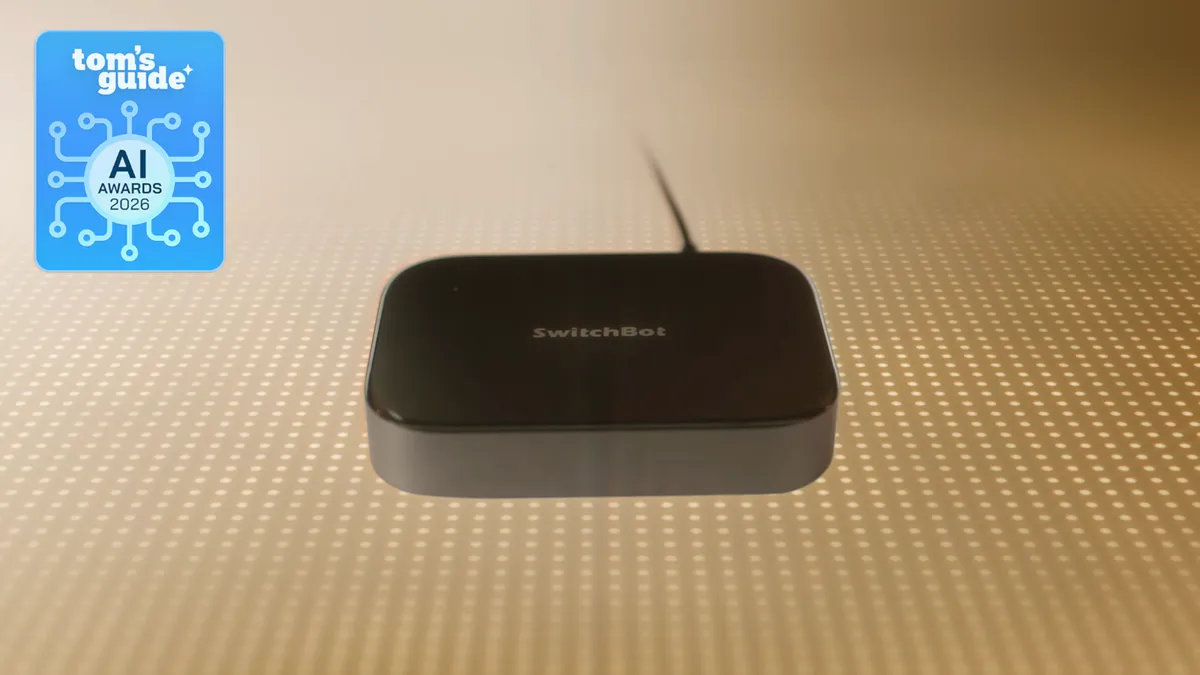
It would be great if your smart home were actually, you know, smart. Switchbot’s AI Hub might actually get us there. This smart home hub has OpenClaw support, which not only allows it to work with the dozens of smart home systems on the market, but lets you communicate with it how you want — be it WhatsApp, iMessage, Discord, or pretty much any other messaging platform.
The AI Hub can look at connected video streams as well as inputs from other sensors around your home, and analyze what’s going on, predict trends, suggest smart home routines, and more. The Hub supports over 100 SwitchBot devices, offers Matter bridging for up to 30 devices, and integrates with Apple Home, Google Home, and Home Assistant. Best of all, the AI processing is done locally, which means a faster response — and better privacy for you. — Mike Prospero
Thermal Camera P3
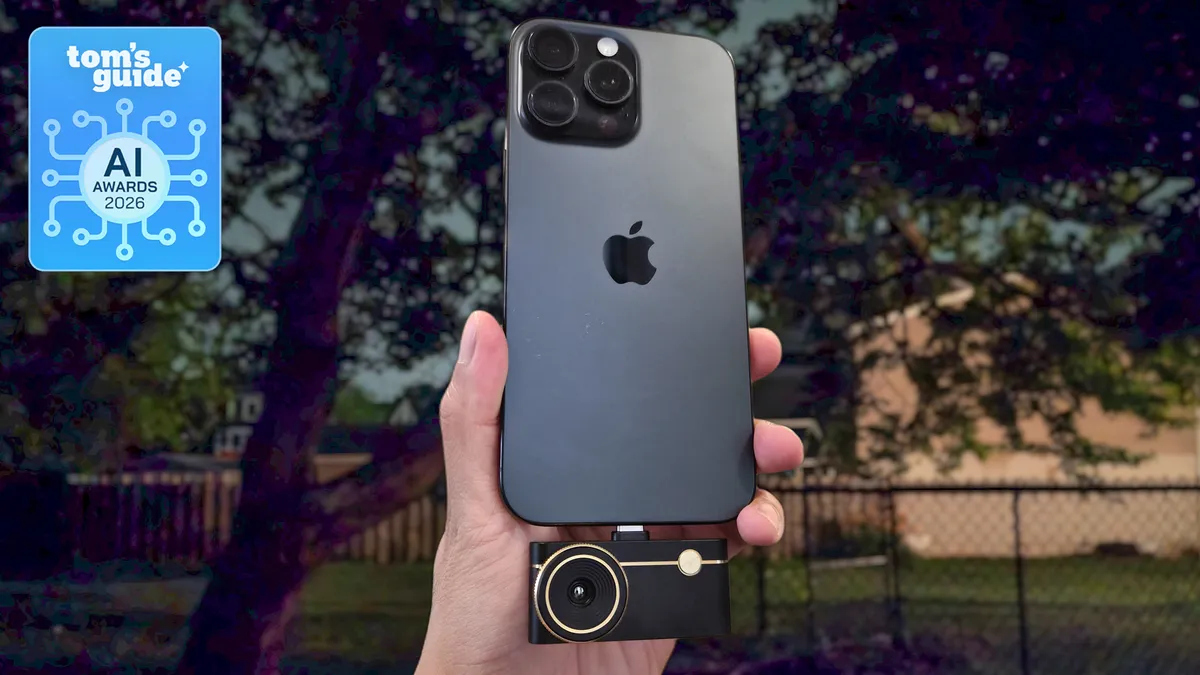
Apple’s iPhones are known for taking exceptional photos, including my own iPhone 17 Pro, but there’s one thing they really can’t do — see in the dark. That’s why I’ve been augmenting my phone’s imaging capabilities with the Thermal Master P3. The great thing about this accessory is that it shows me, in real-time, the heat signatures of whatever I’m pointing it at, essentially giving me Predator-like vision to see through the darkness.
It specifically leans on an AI algorithm that helps tweak the thermal signature so that it lines up with the actual image. Other thermal cameras tend to have mushy-looking captures, dominated mostly by the colors of different temperatures. However, the AI analyzes the data from the thermal camera and aligns it with my iPhone’s camera, resulting in a sharp image where finer details are exposed. — John Velasco
SimpliSafe
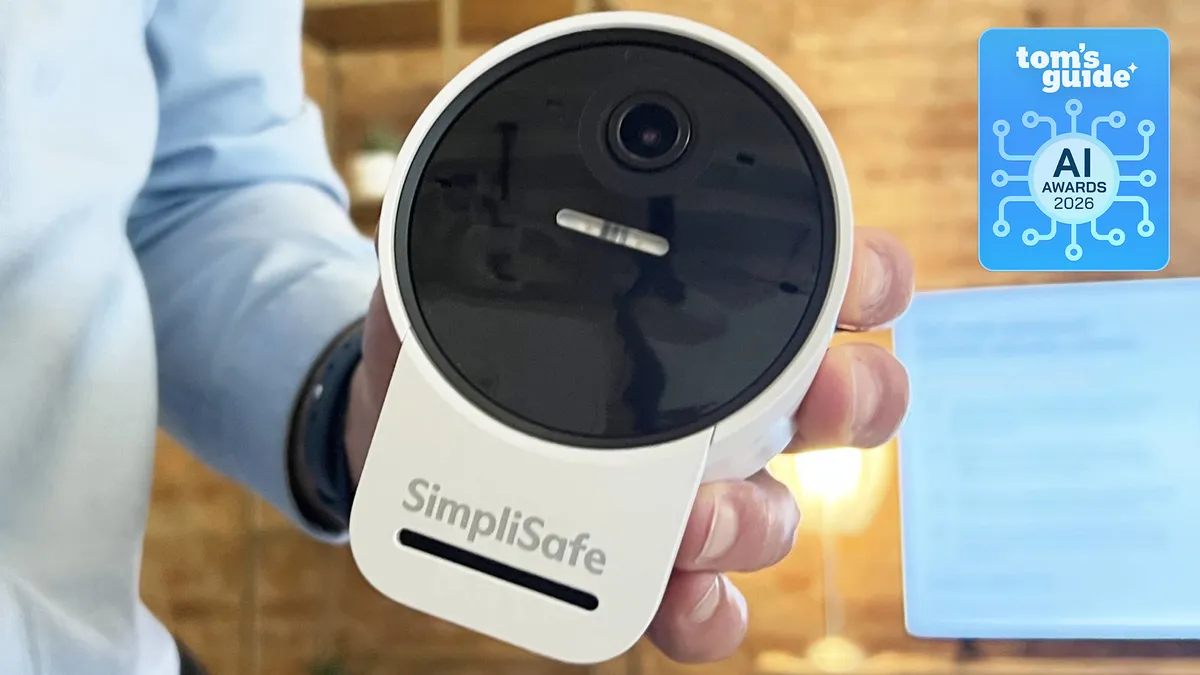
Many of the best security cameras have AI to help you better determine what’s lurking inside or outside your house — is it an animal, a person, a vehicle, and what are they doing there? But SimpliSafe is combining that AI with its professional monitoring service, so they can more easily and quickly diagnose if there’s an actual threat.
Once SimpliSafe’s outdoor camera detects motion, its AI analyzes the video and, if it determines that it’s a threat, can alert an agent within 30 seconds, so that they can either warn the intruder via the camera’s built-in speakers or alert the police. And, the AI can identify familiar faces, so your teen won’t get arrested if they’re caught sneaking back home after curfew — but they’ll still be in trouble! — Mike Prospero
Eight Sleep The Pod 5 Ultra
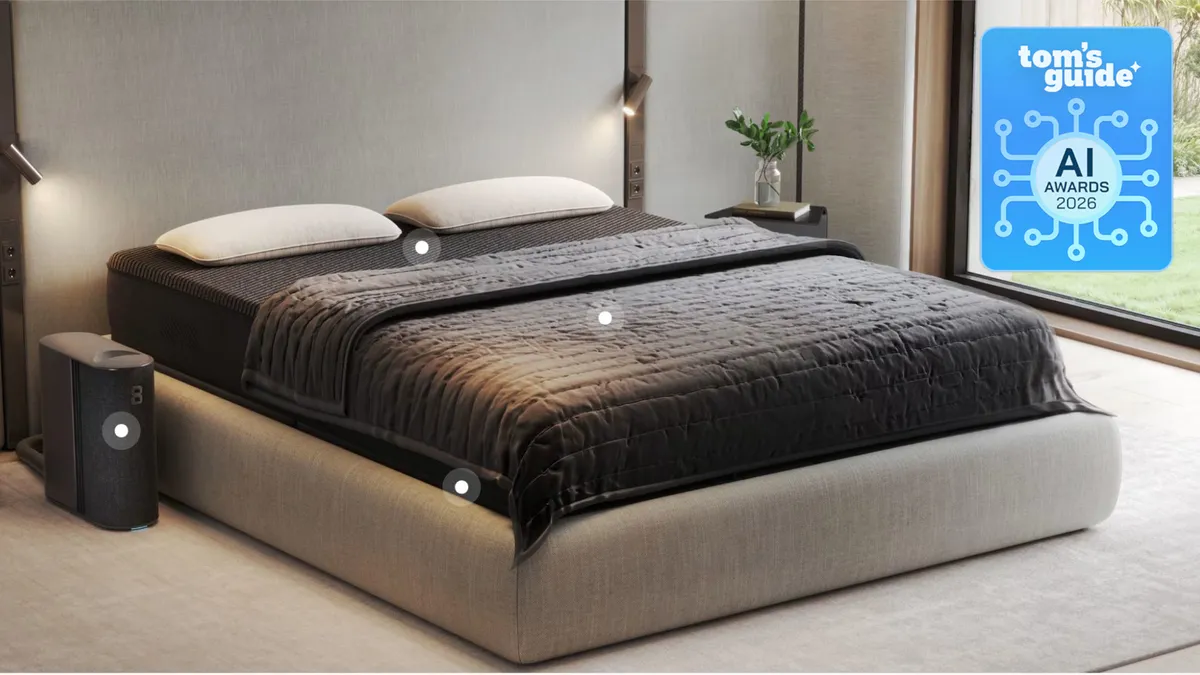
Since we spend a third of our lives sleeping, why not do so smarter? Well, that’s exactly what Eight Sleep has done with its new Pod 5 Ultra AI-powered mattress cover and blanket system. With help from its Autopilot system, the Pod 5 can make automated changes to your sleep temperature, bed elevation and more in the background so you get the best rest possible.
Surprisingly, the Pod 5 is also able to predict illness using its AI sensors which recognize and report on any anomalies in your heart rate and respiration. Its AI can even detect snoring and automatically elevate your bed to improve breathing. Likewise, if you’re having trouble falling asleep, Eight Sleep’s personalized AI coach can analyze your sleep data and provide tailored advice to rectify any problems. The Pod 5 is another great example of AI working in the background to help improve your life. — Anthony Spadafora
Govee Lightwall
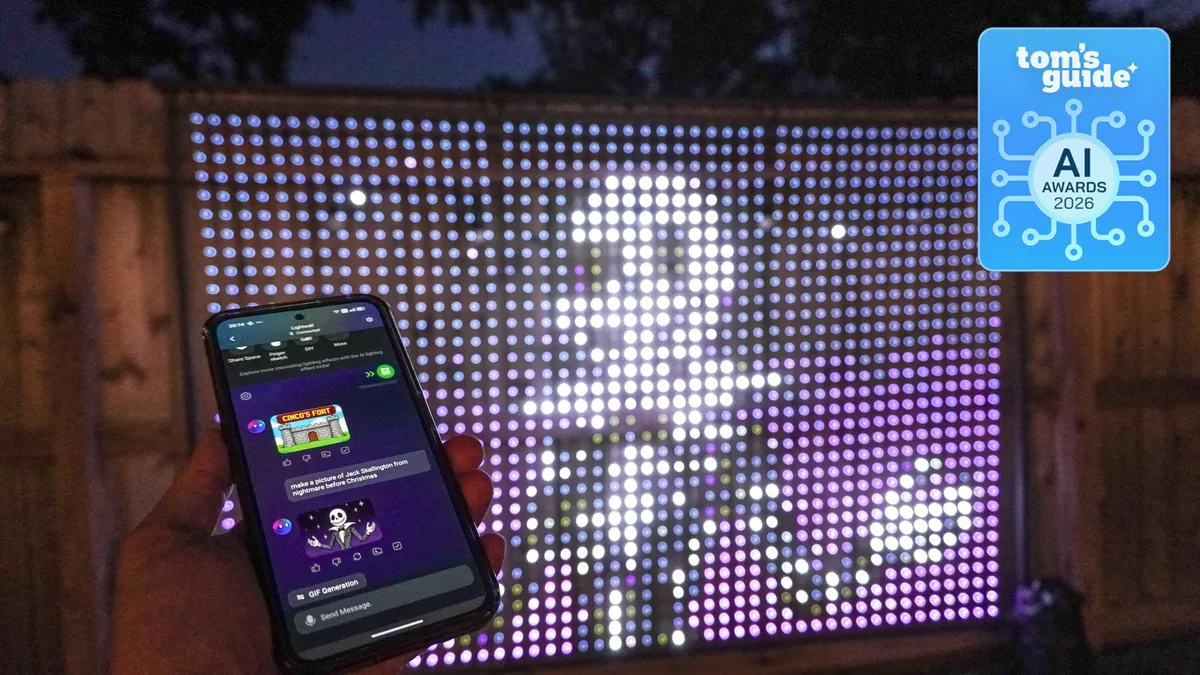
Govee’s new Lightwall isn’t the company’s first product to feature its conversational AI Lighting Bot but it does give you the largest canvas yet to work with. Right from within the Lightwall’s settings in the app, tapping “AI” brings up a chatbot that can make highly detailed lighting effects, pictures and even animated GIFs with just a short prompt.
With a 7.9 x 5.3 foot display, Govee’s Lightwall lets you bring any idea you can think of to life in 60 to 90 seconds. The Govee app already features hundreds of preset scenes but with its Lighting Bot 2.0, you can fill in the gaps and create bespoke scenes based on the occasion or even your mood. Govee’s chatbot isn’t just for its new Lightwall though and you can use it to customize smart bulbs, permanent outdoor lights or even Christmas lights. It’s intuitive AI you’ll actually use even if you don’t know the difference between ChatGPT and Google Gemini. — Anthony Spadafora
LG Alpha 11 Processor

At the heart of LG’s latest OLED TV lineup is the latest version of the Alpha 11 Processor. While LG has hyped many of the AI-based software features that this chipset powers (like chatbots and content-recommendation tools), its biggest contribution to LG’s best OLED TVs is the way in which it elevates the picture.
Ahead of the release of the LG C6 and G6 OLED TVs, we were given a demonstration of the third-generation Alpha 11 Processor in action at LG headquarters. In front of a row of four OLED TVs (the Samsung S95F, the Sony Bravia 8 II, the LG G6 and G5 OLED), an LG representative showcased how the newest picture processing algorithms work to improve a common issue on these TVs: color banding (otherwise known as posterization).
This pesky visual problem occurs across color gradients, rendering what should be seamless transitions into chunky, harshly separated bands of light. During the demo, a visually punishing sequence from “The Green Knight” — in which a person swims underwater in a vast, crimson-colored sea — was simultaneously shown across all of the flagship OLED TVs. On all but one of these sets (including the LG G5), the red-colored light illuminating the sea appeared unnaturally striped to varying degrees. Only the G6 was able to render this sequence without color banding.
This year, the third-generation Alpha 11 AI Processor power can be found in both the G6 and C6 OLED TVs, and while the ultimate success of these TVs depends on factors beyond just their processing power, this handy piece of hardware is already leaving its mark on some of the year’s best TVs. — Michael Desjardin
MOVA LiDAX Ultra AWD Series

Robot lawnmowers are getting smarter and smarter. MOVA’s new LiDAX Ultra AWD Series can not only keep your grass trimmed, but using a combination of 360° 3D LiDAR and an AI-enhanced 1080p HDR camera, can avoid all of your kids’ toys in the process — it can identify more than 300 different objects.
One of the neatest features of MOVA’s lawnmower is that, in addition to cutting straight patterns like diamonds or parallel lines, it can also cut shapes in your lawn — like hearts, stars, and moons. We can only imagine that the company will add more shapes as time goes on. And, when it’s not mowing your lawn, the MOVA can even act as a security guard, patrolling your yard and letting you view a live feed from its camera. Can your push mower do that? — Mike Prospero
Samsung Bespoke AI 4-Door Family Hub

What’s for dinner? That perennial question could be a thing of the past, thanks to the food recognition inside Samsung’s premium Bespoke AI 4-Door Family Hub fridge, which has just been given a real boost thanks to the addition of Google’s AI. Now, it uses a combination of Samsung’s own AI and Gemini to better identify everything you put in or take out. It can tag everything from avocados to zucchini, and even knows the difference between regular and diet Coke.
The fridge goes a step further, suggesting meals based on what you have on hand, adding things to grocery lists that you use often, and even letting you know if that milk in the back is starting to go bad. You might never let food go to waste again. — Mike Prospero
LG SIGNATURE Iconic Oven with Gourmet AI

Never overcook anything again! LG’s Signature Iconic Oven has a camera on the inside that, when combined with its Gourmet AI, can identify more than 85 dishes
Gourmet AI, powered by an intelligent AI camera inside the oven cavity that identifies more than 85 distinct dishes and automatically selects the ideal cooking settings to deliver flawless results — removing the complexity from gourmet cooking and placing perfection within effortless reach. Complementing this is the AI Browning feature, which monitors baked goods as they cook and sends a personalized notification through the ThinQ™ app the moment they reach a user's preset level of golden perfection. — Mike Prospero
Aqara FP400

“Help, I’ve fallen and I can’t get up!” Remember those commercials? If you’re caring for an elderly person and want to make sure they’re safe — without the intrusiveness of a security camera — the Aqara FP400 could be it. This wall- or ceiling-mounted device uses mmWave technology to sense the presence of up to 10 people in a room, but that’s just the start.
Using AI, it can detect if each person is walking, sitting, or lying down, and where they are in the room — and if they fell. From there, this Matter-enabled device can trigger all sorts of routines, be it turning on the lights, adjusting the thermostat, unlocking the door, or calling for help.
Its uses go beyond the elderly, too. Imagine if you could just sit down on your couch in the evening, and the FP400 could automatically dim the lights, close the blinds, and turn your TV on to your favorite streaming service — and then automatically pause the movie if you have to run to the bathroom. Now that’s a practical use for AI if we ever saw one. — Mike Prospero
Specialty & Future Tech
Xreal Real3D

Xreal’s Real3D mode debuted alongside the release of its Xreal 1S AR glasses. However, the company then brought this same functionality to the Xreal One and Xreal One Pro AR glasses via a firmware update. What sets Xreal’s implementation of real-time 2D to 3D content conversion apart is that it’s done entirely on the glasses themselves.
The X1 chip inside Xreal’s AR glasses does all the work which helps lower latency across the board. More importantly though, since this conversion is being done on device, you don’t have to worry about DRM getting in the way of watching your favorite shows and movies in 3D. Gaining access to this new dimension via a software update adds even more immersion and makes Xreal’s AR glasses an ideal choice for both productivity and entertainment. — Anthony Spadafora
Norton Neo

Norton is best known for its antivirus software but Neo is a fresh new take on a web browser. It’s built on Chromium so all of your favorite extensions and integrations still work as you’d expect but with useful AI features throughout. When you boot up Neo for the first time, you’re greeted with its calmer and clutter-free Magic Page. Then, instead of your standard address bar, its central command bar Magic Box combines that functionality with an AI chatbot interface. No more typing out URLs, you just tell Neo where you want to go or what you want to find and it intelligently handles the rest.
Norton Neo also includes a bunch of other useful features for a better browsing experience. From auto-organized horizontal and vertical tabs to its Link Peek feature which lets you preview sites in a lightweight overlay, Neo makes web browsing feel much more intentional. Then when you need some extra help, Norton’s Neo chatbot is just a click away and shows up in a sidebar on the right so you don’t have to navigate away from the page you’re on. Norton might be a household name for security but Neo is proof the company isn’t resting on its laurels. — Anthony Spadafora
Mixbook

The hardest part when creating a photo book is getting started. We have so many photos on our phones and in online photo albums, it’s difficult to know where to begin. That’s where Mixbook Studio comes in. A new feature from the company that makes some of the best photo books, MixBook Studio uses AI to help you organize your photos into a compelling narrative, generate captions from the photos, pick the best layouts and themes for your photo book, and even touch up photos that would otherwise be too low-resolution to print.
Mixbook Studio also lets you collaborate with others on your projects which helps ensure everyone’s contributions don’t get overwritten and that the overall feel of the book remains consistent. Most importantly, its AI is aimed at aiding your creativity, not replacing it. — Mike Prospero

Follow Tom's Guide on Google News and add us as a preferred source to get our up-to-date news, analysis, and reviews in your feeds. Subscribe to Tom's Guide on YouTube and follow us on TikTok.