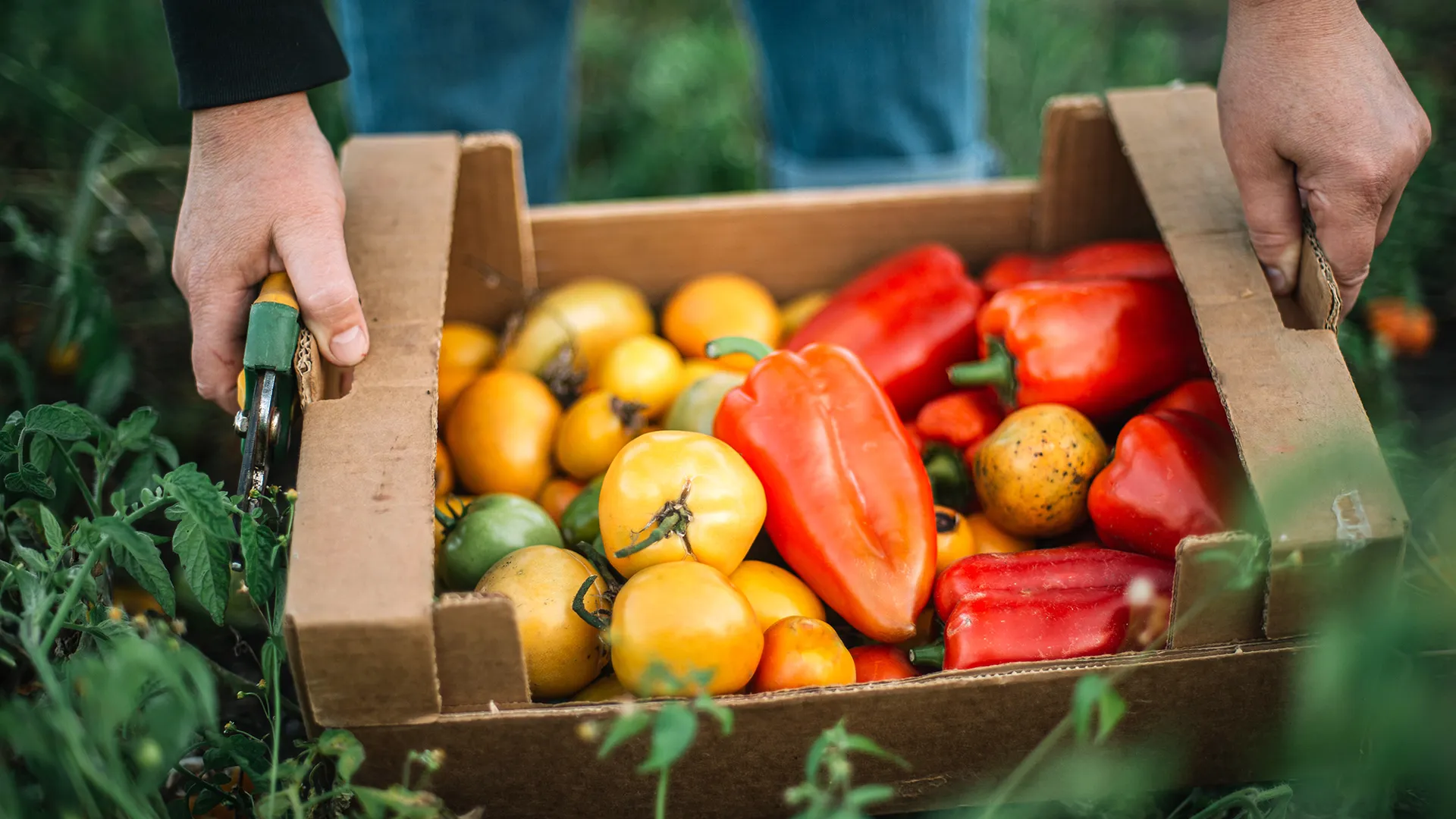
Tomatoes are one of the most rewarding crops you can grow: productive, versatile, and capable of delivering far more flavor than anything you’ll find in a store. From fresh salads to salsas and sauces, they’re a staple in many kitchens — including my own! It's why they're an obvious choice for home gardeners.
But when you decide to grow tomatoes, that’s just the first step. You then have to choose which variety to plant — and the choice can be overwhelming. There are compact cherry tomatoes that crop heavily in small spaces, large beefsteaks that take patience but deliver impressive fruits, and modern hybrids bred for reliability in challenging conditions. Some are chosen for yield, others for disease resistance, and some simply because they’re easy to grow.
Flavor first
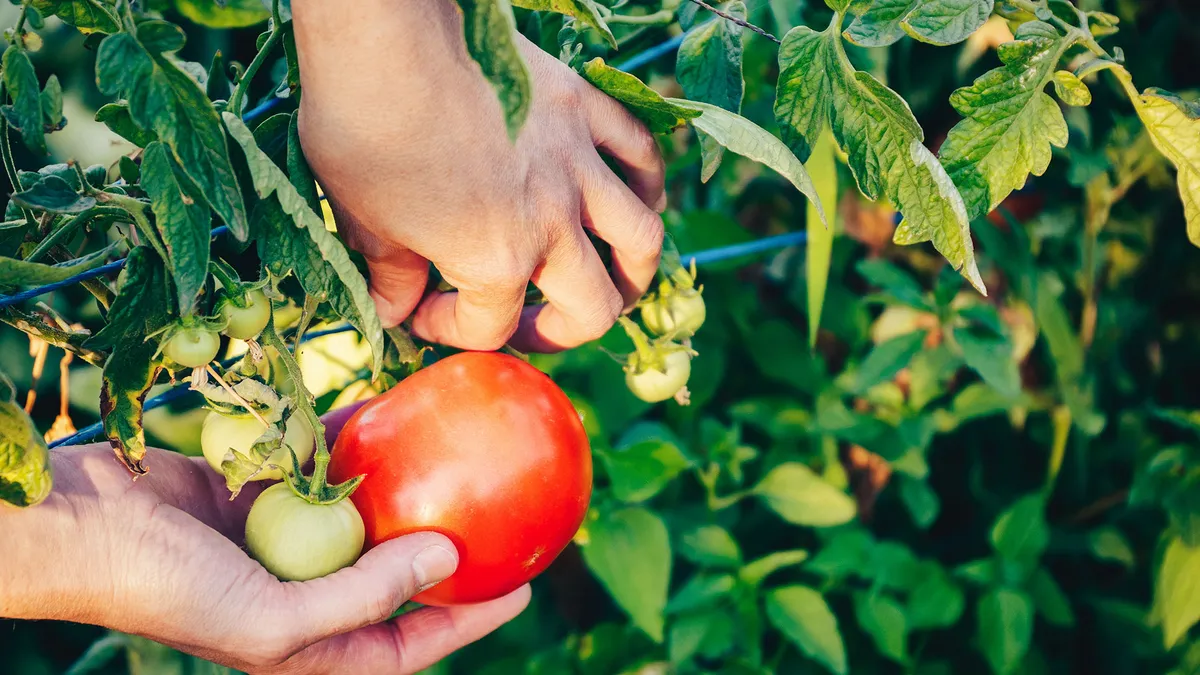
If flavor is your priority, though, the decision becomes more focused. While any homegrown variety will be tastier than a store-bought tomato, not all varieties are created equal. As Elizabeth Waddington, resident garden expert and writer and First Tunnels explains, “When we talk about the most flavorful tomatoes, we are really talking about a combination of good genetics and good growing conditions.”
For the gardener pursuing ultimate flavor, that means first choosing varieties known for their taste — and then giving them what they need to thrive. And don’t feel like you have to pick just one!
If you’re aiming for the best possible taste, it’s worth growing a mix of varieties; combining sweet cherries with richer, more complex heirlooms will give you a far broader range of flavors and a much more satisfying harvest overall.
How to boost flavor in your tomatoes
Even the best variety will taste underwhelming without the right care. First, the basics: tomatoes need full sun to build sugars, along with steady watering and nutrient-rich soil. Wait until temperatures are warm to transplant seedlings outdoors, then provide sufficient space for plants to grow tall and maintain airflow.
These fundamentals are critical to starting off on the right foot. Then, once you’ve got the core care down, you can focus on maximizing flavor by following these three rules.
1. Let the fruit ripen fully on the vine
This is one of the simplest ways to improve flavor, as much of the taste develops late in the process. So don’t pick your produce too early! Wait until the color is saturated and vibrant.
2. Reduce watering at the right time
As the fruit nears ripeness, reduce the watering to concentrate the sugars. Waddington notes that, “allowing plants to experience a small amount of stress… can intensify taste.”
3. Thin fruit clusters
Take time to thin out fruit clusters, which can help the plant direct energy into fewer, better-quality tomatoes. Smaller yields mean more concentrated flavors, resulting in a more premium-tasting harvest.
The 5 most flavorsome varieties of tomato to grow
1. Brandywine
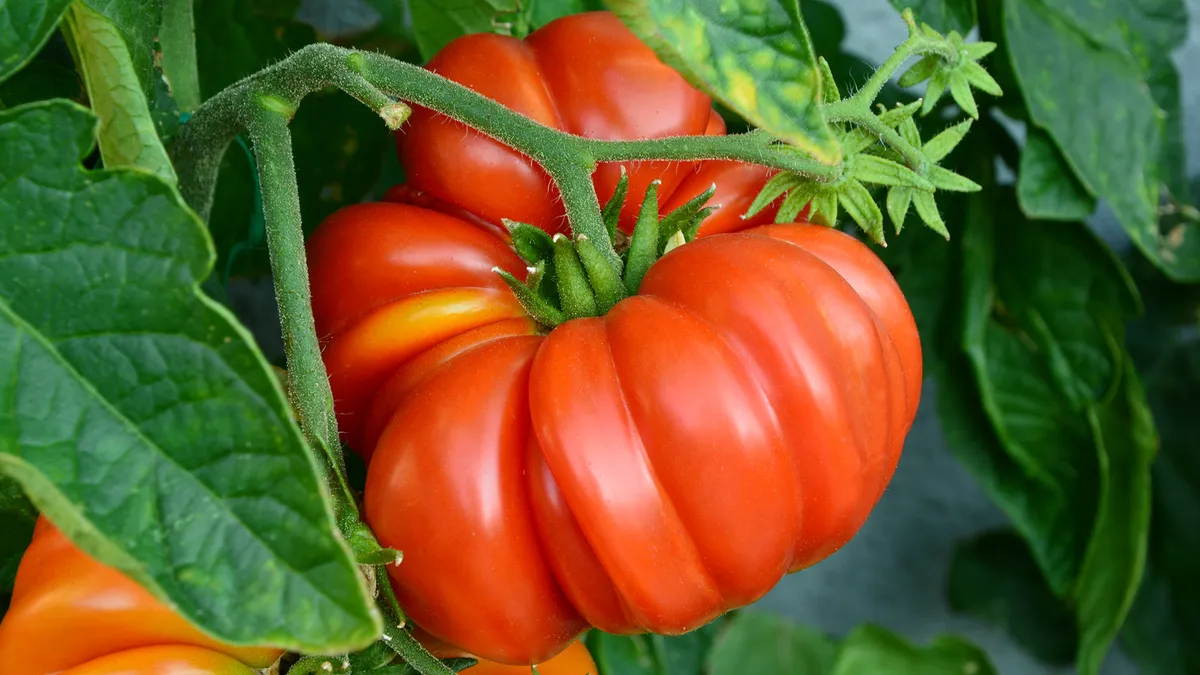
Brandywine is a large heirloom beefsteak tomato that’s often held up as the benchmark for flavor. What makes it stand out to me is its balance: it’s rich without being heavy, sweet without losing that essential tomato sharpness.
The fruits are large and slightly irregular in shape, and while the plant isn’t the most productive, the quality more than makes up for it. It is an indeterminate variety, meaning that its volume of fruit is undetermined and dependent on the care it receives — so it’s worth putting in the effort.
Tammy Sons, founder and CEO of TN Nursery, highlights why it’s so widely loved, describing it as having “a flavor you’d be hard put to match, being full, mildly sugary, [with] just the right amount of zing.”
To grow
Brandywine needs staking and space. Plant in fertile, well-draining soil in full sun, and be prepared for a slightly longer wait to harvest. In cooler regions, starting with strong transplants rather than seeds can help ensure a successful crop.
Best for USDA zones: 3–9
2. Cherokee Purple
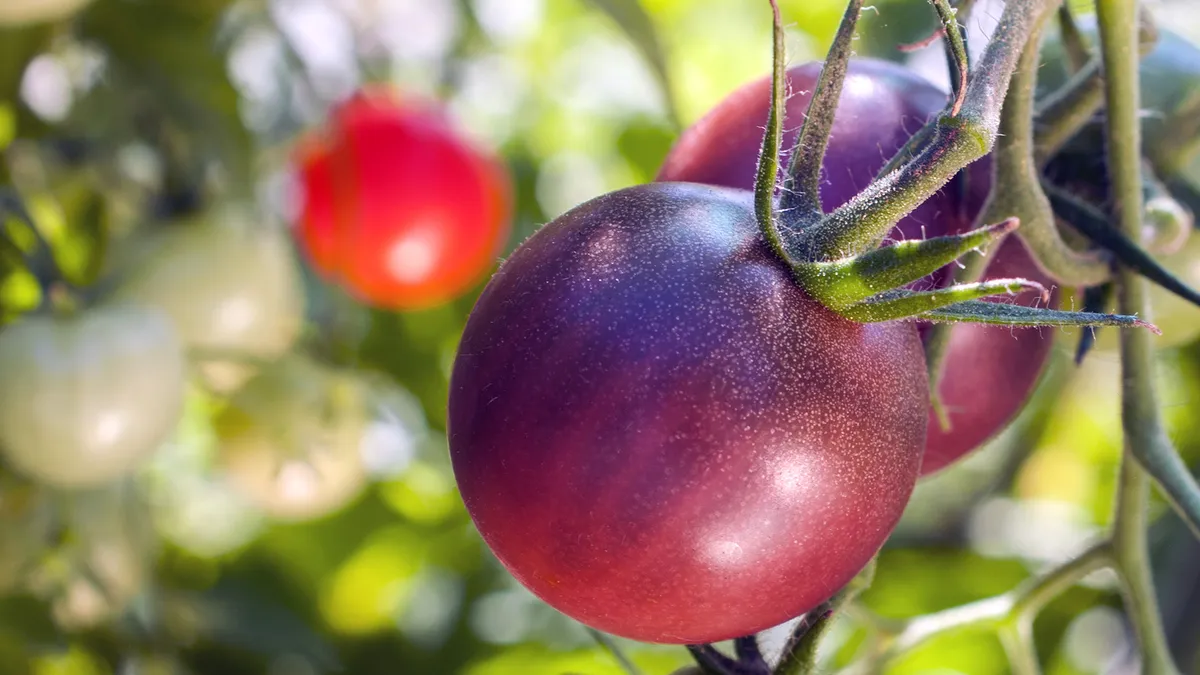
Cherokee Purple is a darker heirloom variety that brings a completely different flavor profile to the table. Instead of straightforward sweetness, it offers something deeper and more savory, with a richness that works particularly well in cooked dishes. I think it’s one of the best choices if you want a tomato that adds real depth to meals, rather than just brightness.
According to Waddington, darker tomatoes often deliver “a deeper, more complex profile, often described as earthy or smoky,” and the Cherokee Purple tomato is no exception.
To grow
This indeterminate plant prefers a warm, sunny position and benefits from good airflow to reduce the risk of disease. Stake or cage early, and avoid overcrowding. It’s worth giving this variety a little extra attention, as the flavor payoff depends on getting it fully ripened on the vine.
Best for USDA zones: 4–10
3. Sun Gold
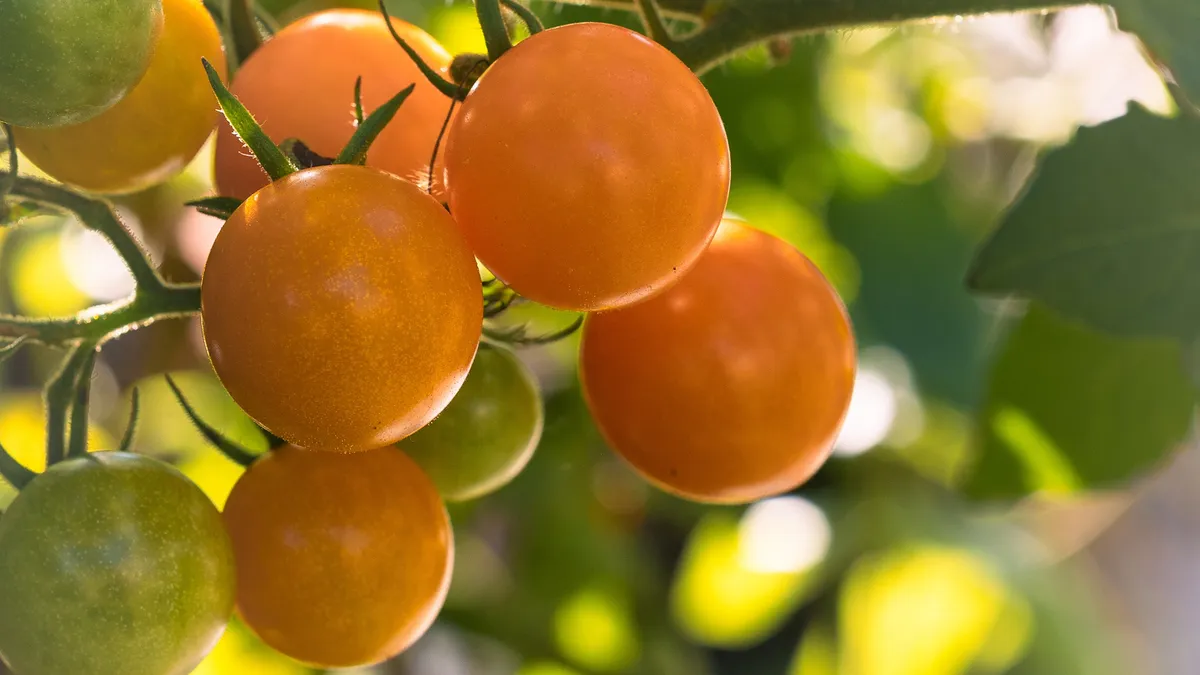
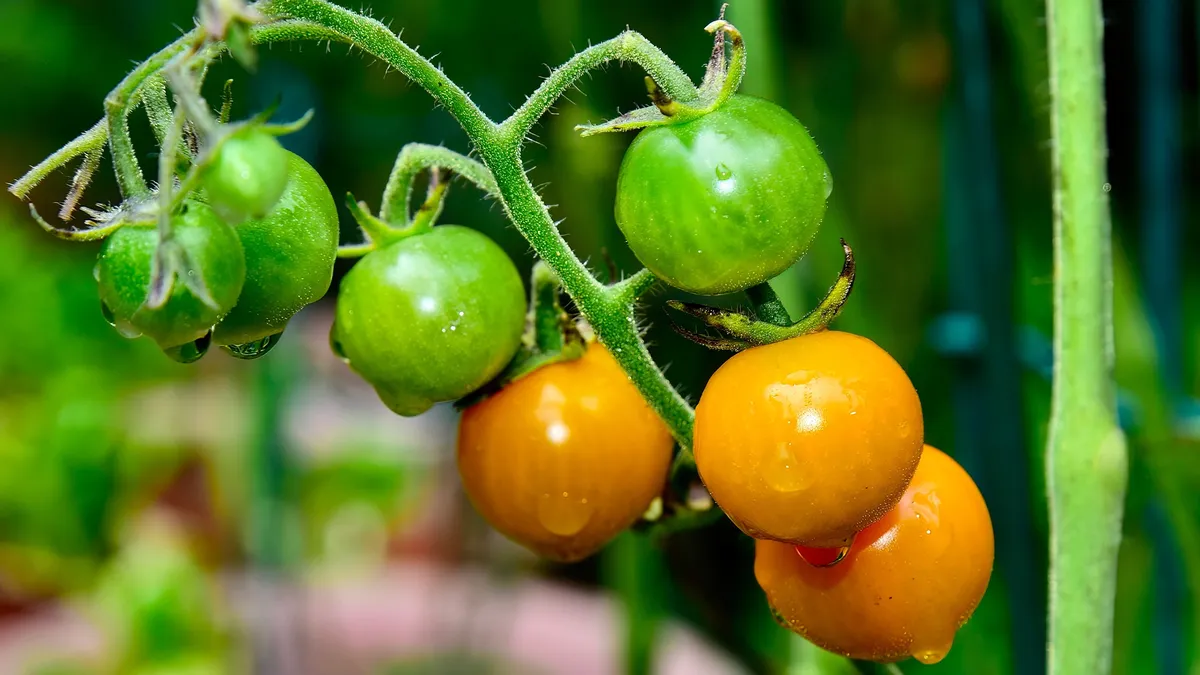
Sun Gold is a cherry tomato that consistently delivers on both flavor and reliability. It’s the variety I’d recommend if you want something that performs well even in less-than-perfect conditions, such as on a picnic or in a make-ahead dish. The fruits are small, bright, and incredibly easy to snack on, often disappearing before they even make it indoors. Sons emphasizes its standout taste even amongst other cherry tomatoes, describing it as “brilliantly, almost unbelievably tropical in flavor.”
To grow
Sun Gold is vigorous and highly productive. Grow in full sun and feed regularly once fruiting begins. Because it produces heavily, regular harvesting is essential to keep the plant cropping. It’s also a good option for beginners due to its resilience.
Best for USDA zones: 3–10
4. Black Cherry
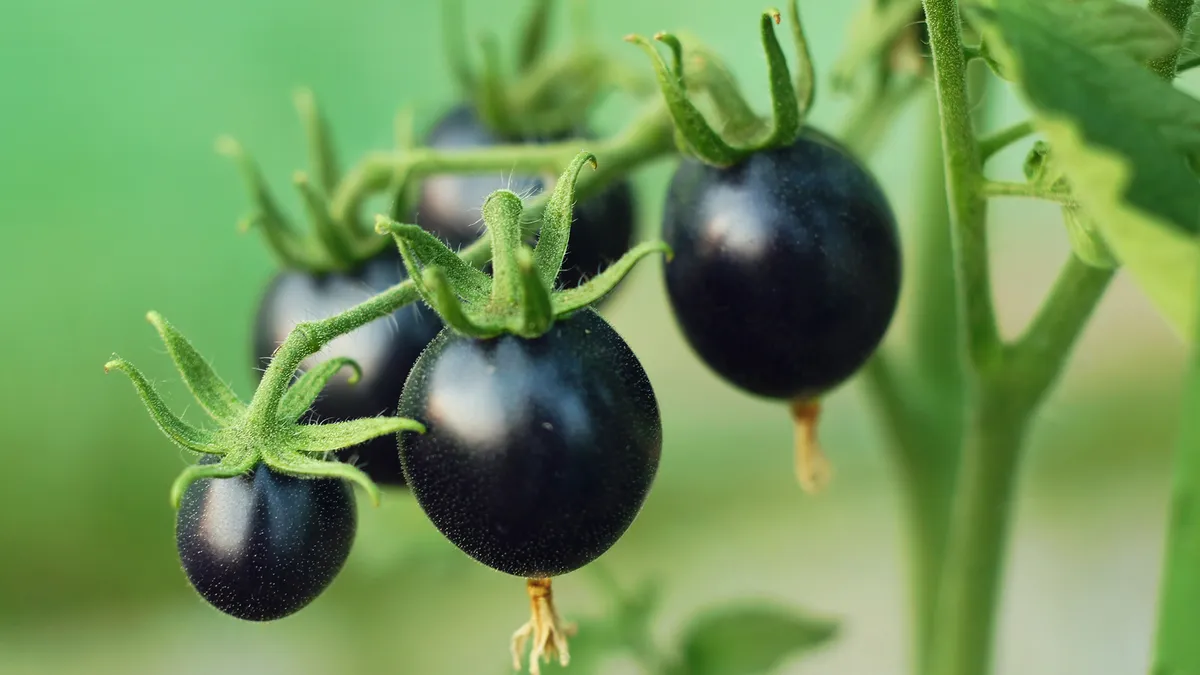
Black Cherry is another cherry tomato variety, a small-fruited heirloom that offers more complexity than most. It combines the tomato’s famed sweetness with a deeper, almost savory note, which makes it particularly versatile in the kitchen. As Waddington says, “Black cherry is famous for its complex, sweet, and tangy taste.” Personally, I find it’s one of the few cherry tomatoes that holds its own alongside larger heirloom varieties, in terms of flavor.
To grow
This indeterminate plant grows strongly and benefits from staking or trellising. Plant in a sunny location and prune lightly to maintain airflow. Like most cherry types, it will reward regular picking with continuous production.
Best for USDA zones: 3–9
5. Caspian Pink
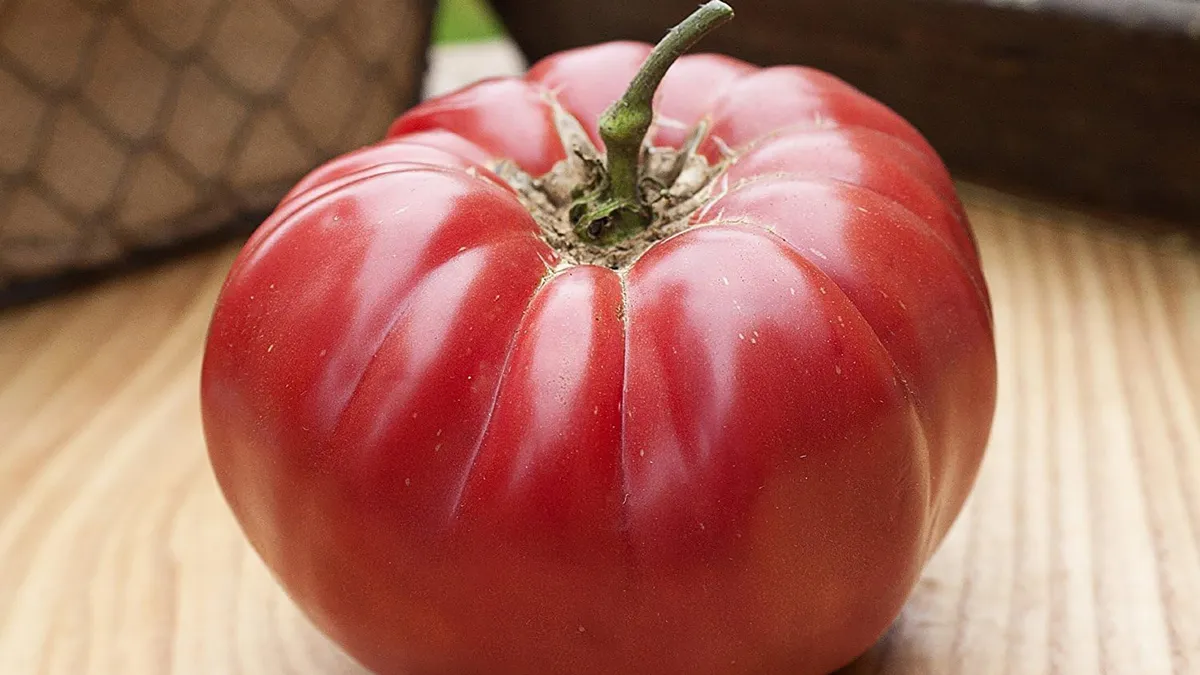
Caspian Pink is a large heirloom tomato that Waddington says is “often said to rival Brandywine, with a balanced sweetness and full flavor but slightly better reliability.” In my experience, it’s a good compromise if you want that classic, rich, sweet tomato taste without quite as much variability in performance. The fruits are large and well-formed, making them ideal for slicing. Serve them on sandwiches or simply in a tomato salad to show off their flavor.
To grow
Plant in rich, compost-amended soil in full sun, and provide sturdy support as plants develop. Feed regularly once the fruits set, and water consistently. As with other heirlooms, letting fruits fully ripen on the plant will make a noticeable difference to flavor.
Best for USDA zones: 4–10
Gardening essentials we love

Follow Tom's Guide on Google News and add us as a preferred source to get our up-to-date news, analysis, and reviews in your feeds. Subscribe to Tom's Guide on YouTube and follow us on TikTok.
More from Tom's Guide