I’ve been wearing smart glasses for over five years — using them for over 110,000 miles of travel — and I’m testing every single new pair to help you find the best AI and AR glasses you can buy right now.
Right now, you've got a choice of two different types of smart glasses: AR or AI. But more and more, these two technologies are coming together — shown by the likes of the Meta Ray-Ban Display glasses and Xreal's Project Aura. But there are still different glasses for all types of needs.
For this guide, we’ve tested the leading smart specs to help you find the right fit. The Viture Beast is our top AR pick for its sharp, expansive display, while the Ray-Ban Meta (Gen 2) remains the AI model to choose for a more natural everyday glasses experience. For all the hands-on testing, in-depth analysis and expert advice, I've got you covered in this guide.
There are more smart glasses on the way, including the refreshed Ray-Ban Meta (Gen 3) glasses with longer battery life and more styles, the camera-free Ray-Ban Meta Audio glasses and the all-new Meta VR Glasses, which may be the next step in VR headsets. For more, check out the latest news.
Smart glasses with cameras have raised many privacy concerns, with Meta now adding updates to its smart glasses to stop recording if the warning light is covered. You'll find many smart glasses without cameras in this guide, and for more on privacy concerns, we've got you covered.
The best smart glasses you can buy today
Why you can trust Tom's Guide Our writers and editors spend hours analyzing and reviewing products, services, and apps to help find what's best for you. Find out more about how we test, analyze, and rate.
The best AR glasses overall


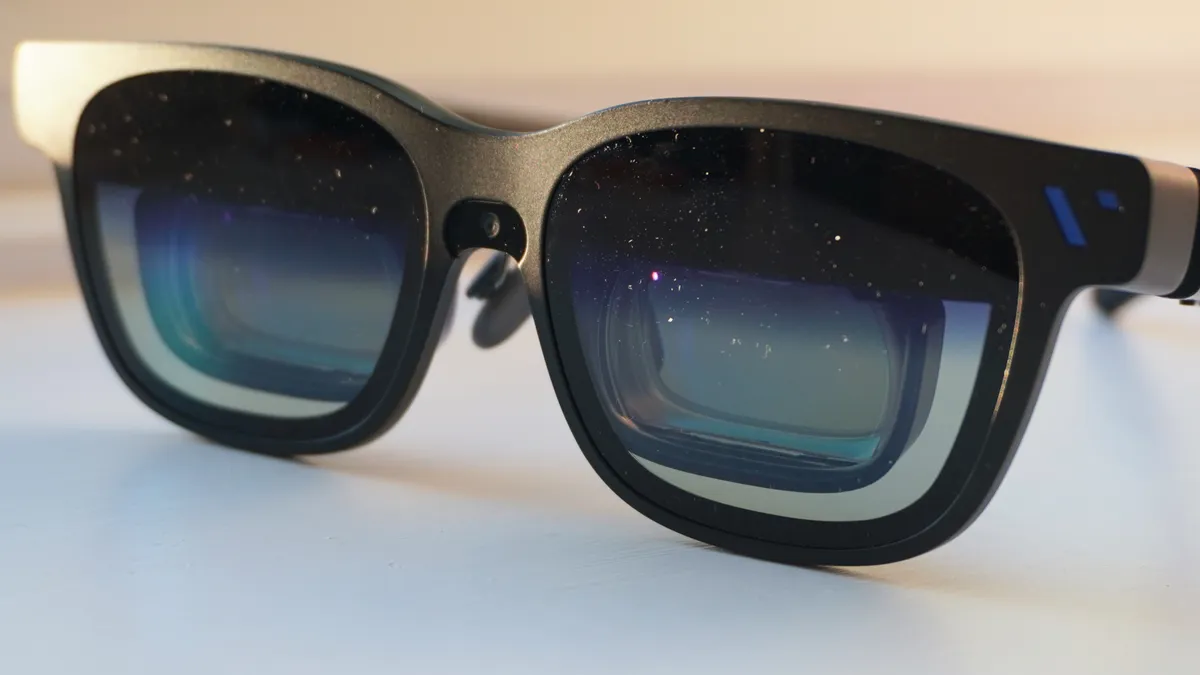
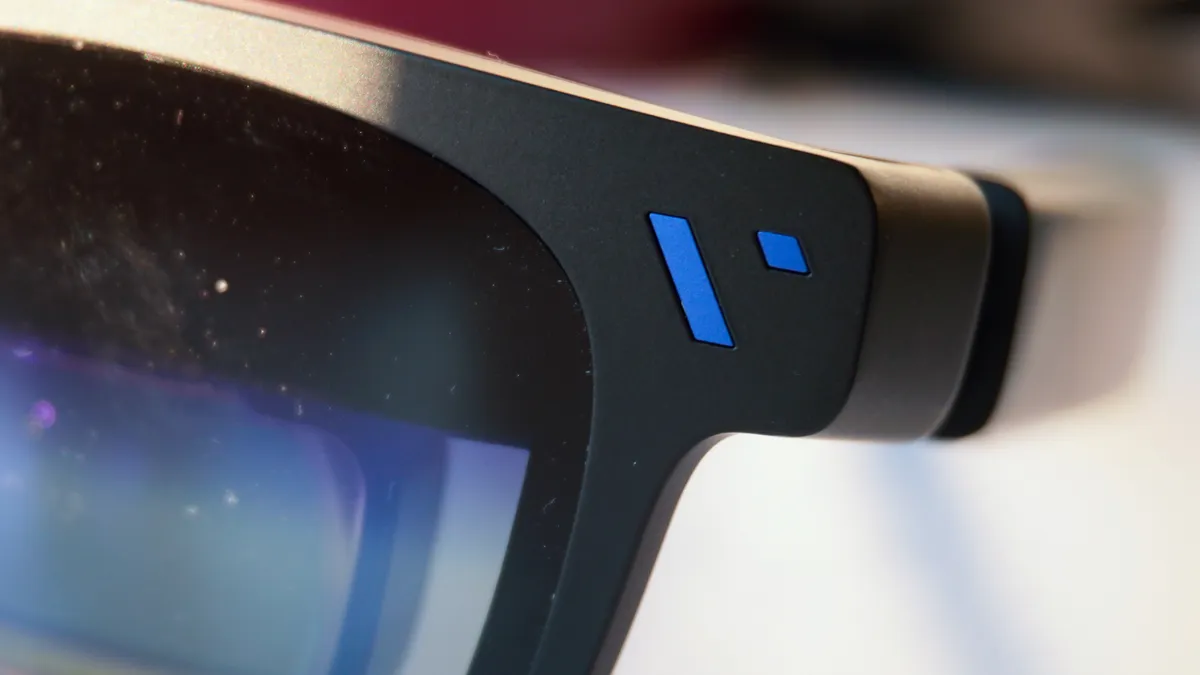


From the out-of-the-box experience with no apps giving you the best picture quality I’ve seen and on-device tweaks aplenty, to the software suite providing much more on top, the Viture Beast has now taken the throne. Just make sure you update the firmware before you use them. For $549, you’re getting the cream of the crop.
Read the full Viture Beast review
Who are the Viture Beast for?
The Viture Beast has taken the crown as the best AR glasses money can buy right now. It immediately stands out from the crowd with its sharp, vibrant visuals and smooth refresh rate, all in a subtle, Wayfarer-esque aesthetic. These are comfy smart specs to wear for hours on end, and they even boast decent spatial audio to boot. All that makes this particular Beast a worthy choice for all.
Why are these the best AR smart glasses?
At $549, these don't come cheap, but you get what you pay for. By that, I mean crisp 1200p resolution, powered by Sony’s latest Micro OLED panels, with a massive 58-degree field of view and whopping 1,250 nits of max brightness. Whether binge-watching on a cross-country flight or working through a day’s worth of apps, expect both clarity and richness in whatever you throw on its 174-inch virtual screen.
What do we like about the Viture Beast?
👍 Peak picture quality: The Viture Beast’s 1200p-per-eye display and Sony Micro OLED panels create a crisp, immersive viewing experience that stands out in both clarity and color reproduction. Throw in that 120Hz refresh rate (especially for gaming), and you won't find AR glasses that offer visuals quite as crispy as this.
👍 Subtle comforts: Viture has made its Beast an impressively comfortable pair of smart glasses to wear, despite the amount of tech these frames pack. The weight is distributed evenly and the materials give off a premium, durable vibe. More importantly, one that won't doesn't give you a double-take from others on public transport.
👍 Versatile specs: Whether you're after a 32:9 ultrawide virtual monitor, 3D visuals for 3D-formatted content or an XR-based experience, the Viture Beast offers plenty of customization to suit your multi-screen setup. With even more tweaks to be made in the SpaceWalker app.
What don’t we like about the Viture Beast?
👎 There's some blur: With such a wide 58-degree field of view, I noticed minor edge blurring at the sides, which might distract if you demand perfect sharpness across the entire screen.
👎 Better color accuracy elsewhere: Color tuning options on the Beast are more limited than some competitors, so those needing fine color calibration may be dissatisfied.
Viture Beast: Bottom line
The Viture Beast is aptly named, as the company unleashed the best AR glasses you can buy. While there are some trade-offs around color tuning and software, its blend of display quality, comfort, and reliable performance makes it the best pick for buyers who don’t want to compromise on their AR experience.
The best AI glasses



Absent of any real competition in the AI smart glasses space, the Ray-Ban Meta (gen 2) continues to reign supreme by improving the fundamentals with a modest upgrade. There's a better camera and longer battery life while keeping those same stylish looks that help them blend into any social situation.
Read the full Ray-Ban Meta (Gen 2) Smart Glasses review
Who are the Ray-Ban Meta (Gen 2) for?
These are for those who do want to get into the world of smart glasses without compromising on the aesthetics of wearing specs. There's a whole lot of goofy-looking smart glasses out there, but the various styles of the Ray-Ban Meta (Gen 2) look seriously slick — ready to blend in while giving you a portal to Meta AI.
Why are these the best AI smart glasses?
The iterative upgrades here manage to improve some of our key gripes about the original Ray-Ban Meta smart glasses. First, the improved camera, with better low light performance and higher resolution video quality, helps these work across more scenarios than just daytime (make sure you get transition lenses for that). And second, the longer battery life ensures a whole day of casual use.
What do we like about the Ray-Ban Meta (Gen 2)?
👍 Gorgeous design: With smart glasses, you want them to fade into the background as a stylish frame on your face. That’s exactly what the Ray-Ban Metas do — with more design options than gen 1, the dimensions and aesthetic barely look any different to your standard pair of Ray-Bans. Plus, the attention paid to keeping that weight to no more than 50 grams makes them immediately wearable all-day round.
👍 Upgraded cameras: On a spec sheet, these sound similar for the first-gen specs — a 12MP camera. However, updates have been made to the video capturing capability (able to grab shots at 3K Ultra HD), and low light performance has seen an upgrade too.
👍 Speakers and Mics are still a revelation: The first thing you notice whenever calling someone on the glasses is the voice clarity. Those speakers are impressive with minimal audio spillage — packing surprising bass when playing music. On top of that, those on the other end of your calls will appreciate how clear and detailed your voice is through the mics.
👍 Meta AI is finding its stride: Meta AI is really coming into its own as part of the Ray-Ban Meta (Gen 2) glasses, as live translation abilities have been improved, vision AI is on a whole new level, and conversational aspects of talking to your glasses do add a new level of helpfulness.
What don’t we like about the Ray-Ban Meta (Gen 2)?
👎 Meta AI chats will be used for ad targeting: It's Meta after all — most of the time, you are the customer. Meta has announced that it will start using AI chats to start targeting ads in the U.S. People in the U.K. and E.U. will not be getting this, but just a fair warning that Meta's listening to send you ads.
👎 Pricey: At $379, these are indeed an expensive investment. But that’s just for the base model that gives you sunglasses lenses (limiting use to just 50% of the time because you don’t want to be that weirdo that wears shades indoors). Transition lenses will up that price to $459.
Ray-Ban Meta (Gen 2): Bottom line
The second-gen Ray-Ban Meta smart glasses offer an even more polished experience. They are easily the best AI glasses you can buy right now, and a stellar companion for capturing life’s moments, listening to music while not restricting your environmental awareness and taking calls.
The best cheap AR glasses



Viture makes some of the best smart glasses already, but the original Viture Pros are outclassed by its Beast and Luma glasses. The Viture Pro 2 brings the price down, making them serious contenders in the realm of “budget-friendly” AR glasses. At $299, Viture has superior display tech with comfort and adjustability built-in, making them more viable for more people.
Read the full Viture Pro 2 review
Who are the Viture Pro 2 for?
The Viture Pro 2 AR glasses are for budget-conscious commuters and travelers who want that big AR screen without the premium price tag. Viture chopped the starting cost to $299 (nearly half the price of the original), making the Pro 2 the most wallet-friendly way to get a solid virtual display for gaming or watching shows on the go.
Why are these the best cheap AR smart glasses?
The display is where the Viture Pro 2 punches above its price. You’re getting a Sony micro-OLED panel with UltraClarity 3.0 (for sharper images and smoother focus), and the peak measured brightness hits 1,600 nits, adjustable across nine levels. In real-world use, playing games and watching shows is an absolute visual treat, and it helps that these are a hugely comfortable pair of AR specs to wear for hours on end, with three different-sized sets of nose pads and even three temple adjustments to help you find the right fit. That's all in a lightweight, slim design made easy for travelling.
What do we like about the Viture Pro 2?
👍 Standout AR display for the price: Viture cut the price nearly in half for the Pro 2, so you're getting a big, 146-inch virtual screen without paying for premium extras.
👍 Bright, sharp screen for travel: The Pro 2’s Sony micro-OLED display delivers up to 1,600 nits of brightness with smooth, colorful visual quality thanks to the 120Hz refresh rate, so you can see whatever you watch or play no matter where you go.
👍 All-day comfortable fit: At just 2.2 ounces and with improved adjustability for comfort, the Pro 2 is noticeably lighter and easier to wear for long stretches, from long-haul flights to lounging around on a couch.
What don’t we like about the Viture Pro 2?
👎 Tin can audio: You'll want a pair of the best headphones instead, as the Viture Pro 2's speakers won't give you the full depth of audio you'd want. Plus, if someone is sitting next to you, they'll hear it.
👎 Blurred edges: Our reviewer, Scott, found that the corners of the display, particularly for work (connecting to a PC or the like), were blurry. That's not the most comfortable for looking at documents, but when it comes to gaming or watching shows, it's hardly a big annoyance.
Viture Pro 2: Bottom line
The Viture Pro 2 AR glasses are the value pick for anyone who wants a bright, comfortable and travel-ready virtual display at the lowest price, giving you the essentials where it counts and leaving the luxury extras to pricier models. For streaming shows or playing games on a massive virtual display, these AR glasses are hard to beat for their price.
The best Xreal AR glasses


Ever since testing the Xreal 1S for a month before writing the review, they've become my daily drivers for all the long commutes and binge watching in bed — and for good reason. For $449, they're easily the best AR glasses from Xreal I've used, with great picture quality, decent Bose sound, and a really easy-to-use feature set courtesy of that X1 chip onboard.
Read the full Xreal 1S review
Who are the Xreal 1S for?
The Xreal 1S is a total game-changer for anyone on the move. Whether you’re reclaiming "TV time" for gaming, keeping a confidential project under wraps in a coffee shop, or building a high-productivity multi-monitor setup at the airport, these glasses deliver a massive screen experience without the bulk. Pair it with the Neo Hub, and this becomes a must for Switch 2 gamers.
Why are these the best Xreal AR smart glasses?
Put simply, they're all the best bits you get in the more premium Xreal One and Xreal One Pros, but cheaper and even packing some upgrades of its own. At $449, you're getting a 500-inch display running at 1200p, and that X1 chip goodness, which means all the display trickery (including a 32:9 panel) is all on-device rather than through software.
What do we like about the Xreal 1S?
👍 Nice upgrades, while being $50 less: Getting more for less is always a shocker in consumer tech, but when lining these up against the pricier Xreal One, that's exactly what you get. The screen is a little brighter at 700 nits, the field of view is wider at 52 degrees, and the aspect ratio is now 16:10 at a 1200p resolution.
👍 X1 is the cheat code: I've talked about that X1 silicon baked into Xreal glasses before, so I don't need to repeat myself too much. Display customization and 3DoF is done entirely on the glasses themselves rather than software — meaning you could turn any laptop into a 32:9 ultrawide display in front of you. But even more surprising is the real-time 2D to 3D content conversion it can do (and do really well).
👍 The one for Switch 2 gaming: Using AR glasses on the Nintendo Switch 2 is a pain because the big N decided to use a weird proprietary standard of USB-C video out. Now, Xreal has actually axed its adapter for this, but you can just use the Viture Pro Mobile Dock instead, which is the best alternative.
What don’t we like about the Xreal 1S?
👎 Gets hotter than others: I'm always used to higher temperatures on the Micro OLED display modules on the top of the glasses, but these do heat up quite considerably — particularly when you use Real 3D.
Xreal 1S: Bottom line
I've tested a lot of AR glasses, and some of them may do one select thing better than the Xreal 1S. But when it comes to the best all-rounders at a good price from one of the biggest AR companies in the space, nothing else compares. This is a great extended display for entertainment and work on the go, while an additional $99 accessory makes it the best way to play Switch 2.
The best smart glasses for sports


Taking the formula of the Ray-Ban Meta smart glasses and injecting some athlete-level integrations such as Garmin and Strava alongside ultimate comfort makes these a phenomenal pair of specs for sports. Throw in the great camera that can capture motion stabilized video and you'll be showing off all your big moments.
Read our full Oakley Meta Vanguard review
Who are the Oakley Meta Vanguard for?
As the brand name suggests, these are for athletes and sports enthusiasts who need outdoor eye protection for their activities and the smart tech that comes with it.
Why are these the best smart glasses for sports?
Alongside all that we love about the Ray-Ban Meta (gen 2) being included in here, three key things make these great for sports enthusiasts — the wrap-around lenses for eye protection, the centrally mounted camera with motion stabilization, and integration with Garmin and Strava.
What do we like about the Oakley Meta Vanguard?
👍 Great sports-oriented design: The Vanguards may be a little cringe to wear in normal social situations. But on the field or in any sporting situation, they do a great job at attenuating glare from all angles with the wrap-around lenses, while balancing weight effectively for comfortable all-day wear.
👍 Great camera: That 12MP camera is mounted in the center with a 122-degree field of view, so you don't have any of the framing concerns that come with the Ray-Ban Metas. On top of that, it has motion stabilization, so if you're capturing a sick trick on the slopes, you can get it at up to 3K with no distracting jitters.
👍 Thoughtful sporting integrations: Beyond all the usual Meta AI asks you can make of this device, you can also ask for updates on key fitness metrics from Garmin or Strava. In fact, you can overlay stats on your video too.
What don’t we like about the Oakley Meta Vanguard?
👎 Huge case: If portability is the name of the game, leave the case at home when you play in these. It's a bulky container to say the least!
👎 Limited water resistance: With an IP67 rating against water, they're protected against sweat and the occasional splash or two. That means the durability may be brought into question when it comes to the pouring rain or more serious watersports.
Oakley Meta Vanguard: Bottom line
If you need something to capture those epic sports moments while also providing the eyecare you need at times like this, then the Oakley Meta Vanguards are worth that $499 price tag.
The best AI display glasses


The Even Realities G2 are the first pair of smart glasses I actually wear daily. Why? Simply because they are a subtle, stylish-looking pair of specs with advanced AI and features that don't actually appear all that "smart." And I mean that in a good way. I'm a huge fan of the discreet Even HAO 2.0 tech with a 3D layer effect in the waveguide displays, making interacting with these specs on the fly a breeze. Pricey, but the Even G2 propose the future of smart glasses I'm looking for.
Read the full Even Realities G2 review
Who are the Even Realities G2 for?
Prefer AI glasses that aren't so obviously "smart" looking? That's just one of the perks the Even Realities G2 smart glasses bring to the table. This pair of AI specs is for anyone who wears glasses as a necessity, but offers a smart tech upgrade featuring a bright, AR interface with simple controls to keep up with the latest news, translate in real time and even give you context to conversations (like giving you key talking points when you zone out during a talk with your fiancée).
Why are these the best AI display glasses?
Thanks to the upgraded Even HAO 2.0 (Holistic Adaptive Optics) interface over the Even G1s, you can expect multi-layer waveguide displays on each lens for a seamless, sharper and brighter AR experience. That includes when you're out and about in bright environments, which is a huge advantage that makes these everyday specs to wear. It's like a personal HUD from a game made real.
What do we like about the Even Realities G2?
👍 Everyday appeal: Almost like AI glasses in disguise, the Even G2 solves the often bulky, awkward look of smart specs with its discreet Micro-LED waveguide displays on both lenses and leaving its hardware in its temple tips, which hides behind your ears. Smart stuff, Even.
👍 Incredibly handy features: From reading off a script that syncs your voice with text when you speak in Teleprompt to following easy-to-read directions in Navigation, there are many AI tools to take advantage of. Also, its Conversate feature is like a cheat sheet for conversations, giving you details on topics as you talk.
👍 Battery life for days: Many smart glasses still struggle with this, but the Even G2 can last two days before needing a charge.
What don’t we like about the Even Realities G2?
👎 Quite the price: At $599, these are an expensive pair of smart glasses to invest in. And this is without any cameras, speakers or high-end Micro-OLED displays delivering cinema-sized screens.
👎 Even R1 smart ring is extra: When used with the smart ring, the Even G2 specs are far easier to interact with on the sly, but it costs an extra $249, and it doesn't offer the extensive health and fitness data you'd hope for.
Even Realities G2: Bottom line
The Even Realities G2 smart glasses push this form of smart tech in the right direction, and it's already doing what its competitors aim to achieve, albeit on a much more subtle scale. It achieves being the AI/AR mix for the usual glasses wearer wanting to pick up a pair of specs naturally, as you would any other pair of glasses. These are the seamless smart tech you'd hope for.
The best AR glasses for picture and sound


The Rokid AR Lite were a successful Kickstarter project, and now I can safely say these offer the best picture and sound in AR glasses. That 1200p picture per eye is perfectly tuned for expressive color and deep contrast, and those speakers are surprisingly loud and crispy with detail. Pair that with Station 2 for useful spatial computing, and that high $749 price tag starts to make a little sense.
Read the full Rokid AR Lite review
Who are the Rokid AR Lite for?
The Rokid AR Lite package is for those prime pixel peepers who want to get the most out of that Micro-OLED tech. With a virtual screen size of 300 inches, this is the largest simulated cinema screen of the whole pack on this list. Plus, Station 2 gives you access to downloading a bunch of content for offline watching.
Why are these the best AR glasses for picture and sound quality?
Simulating a 300-inch TV in front of you, the picture quality is stunning here — big, bright and super sharp. On top of that, I'm not sure what kind of wizardry Rokid is up to, but the speakers are both loud and clear with a surprisingly minimal amount of tinniness given their size.
What do we like about the Rokid AR Lite?
👍 Mind-blowing display: Micro-OLED has not reached the peak I thought it had. Rokid has upped the game with super crispy, gorgeous panels sporting a 1200p resolution per eye, a 120Hz refresh rate and a super wide 50-degree viewing angle.
👍 Surprisingly good sound quality: It's become a given that speakers in AR glasses may have good detail, but they will always be tinny. That was until I heard the crispy speakers in the Rokid specs — sublime surround elements with some surprising depth.
👍 Good spatial computing experience: The Station 2 accessory that comes in this package unlocks a fully-fleshed spatial computing experience with its little touchpad/accelerometer-armed frame. Slick in use for gameplay and productivity.
What don’t we like about the Rokid AR Lite?
👎 This is pricey: While the price isn't confirmed outside of the Kickstarter page, list pricing indicates that the glasses and Station 2 combo will come in at a beefy $749. That's a steep asking price when you could get the Xreal Air 2 and Beam Pro for up to $250 less.
👎 No Electrochromic film: The beauty of AR glasses is that translucent viewing — getting all the goodness of that screen but still faintly seeing what's in front of you, thanks to an adjustable Electrochromic film. Frustratingly, these don't have that, and you're left relying on the snap-on lens shade.
Rokid AR Lite: Bottom line
If you want the best display and audio in a pair of AR glasses, the Rokids are the specs to buy. With their gorgeous picture quality (with myopia adjustment dials) and an impressive spatial computing element for watching all your content, this is the one for the binge watchers. Just watch out for that price tag and the lack of electrochromic film!
Also tested
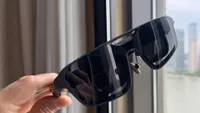
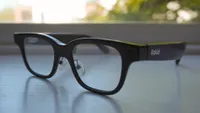
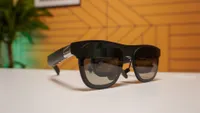
These days, we're seeing many more smart glasses break onto the scene, especially compared to just a few years ago. While not all will make it into our list, that doesn't mean the smart specs we've reviewed should be ignored. Here's a look at what we've tested.



Smart glasses to watch in 2026

We're now well into 2026, and the whole game has changed for smart glasses. With that in mind, it’s worth pointing out the smart specs set to be coming this year and how we may be reaching the moment when AR and AI truly come together.
- During Meta Connect 2026, we went hands-on with all the latest smart glasses that were announced. That includes the Ray-Ban Meta (Gen 3) glasses, a small update with longer battery life, more styles and a new action button, but still the same privacy controls. Then there's the Ray-Ban Meta Audio for a camera-free experience, which aims to fix privacy issues and delivers even sleeker styles. Finally, there's the Meta VR Glasses, essentially bringing VR headset capabilities to an AR glasses design. While these can be used for VR gaming, they are focused on entertainment and productivity first. Check out our impressions, and stay tuned for our full reviews.
- Samsung Intelligent Eyewear may have a very dumb name, but it's far from a quick go at a new segment for Samsung. They're a light, handsome option that's been packed with features from the word go. There's AI integration, as you might expect, from Gemini, who'll talk you through what you're looking at, amongst other things. Nothing better than an AI assistant always at your beck and call, that can see everything you're doing, no? ... No?
- Snap Specs are here, and we've gone hands-on with the Specs. With dual Snapdragon processors (one for computer vision, one for AR lenses), hand tracking and spatial mapping, waveguide displays with a 51-degree field of view and noticeably bulky lenses, these are fully standalone AR glasses that push the limits. Think of the Snap Specs as a middle ground between AI glasses and an XR headset. Now, these cost $2,195, which is a lot more than the smart glasses we've tested, so level your expectations. The Snap Specs are expected to launch this fall in the U.S. and U.K. Once we've done the testing, we'll let you know what to expect.
- Xreal’s Android XR smart glasses (Project Aura) are set to come to the market later in 2026. Similar to Meta’s Orion, this will be a pair of specs packing a 70-degree field of view, which is connected to a computing puck. From our hands-on testing, they already look like the future of smart glasses.
Best Smart Glasses: Frequently Asked Questions

What's the difference between AI and AR smart glasses?
The main difference is that AI smart glasses are more for everyday use, with cameras, speakers and microphones to capture videos and interact with AI, whereas AR smart glasses feature waveguide overlays that display a screen directly in your field of view. Now, some AI glasses come with an AR display, but this isn't for watching shows or playing games from a smartphone, PC or gaming device.
- AR glasses are basically an external display for your eyes, which are perfect for giving your laptop, smartphone or gaming handheld a 150+ inch display wherever you are.
- AI glasses are more of a wearable window into LLMs like ChatGPT or Meta AI to help you get things done or answer questions about the world around you.
Should I buy AI smart glasses or AR glasses?
Buy AI smart glasses if you mainly want hands-free photos and video, calls, audio and voice assistance; buy AR glasses if you want a large virtual screen for watching, working or gaming from a compatible device.
AI-first models such as the Ray-Ban Metas focus on cameras, microphones, speakers and an assistant, whereas AR glasses such as the Viture Beast act more like a wearable external display.
Some newer products combine AI features with a display, like the Meta Ray-Ban Display glasses, but we're still in the early days of this, and these can cost a lot more.
What devices are AR glasses compatible with?
AR glasses are typically compatible with devices that can output video over USB-C, including many laptops, phones, tablets and gaming handhelds, but support varies by model and device. Some consoles and phones need an adapter, dock or companion accessory before they will work.
For example, the Xreal 1S can work well with the Nintendo Switch 2 when paired with a compatible dock. We recommend checking the glasses maker’s current compatibility list for your exact device before buying, as a USB-C port alone does not guarantee video output.
Can I get smart glasses with prescription lenses?
Many smart glasses can be ordered with prescription lenses or fitted with compatible lenses, like the Even Realities G2. But the options, prescription range and cost depend on the brand and frame. This is most relevant for AI glasses intended for everyday wear, although some AR glasses offer optical adjustments or prescription inserts.
Confirm that the exact model supports your prescription before ordering, including whether lenses are supplied directly, fitted through an approved optician or bought separately.
How can you tell if someone is wearing smart glasses?
Smart glasses usually come with key identifiers, including thick frames and temples, small camera pinholes at the corners of the frames and LED recording lights to show when someone is recording video.
This has become a prominent question in light of smart glasses privacy claims. In July 2026, Meta released an update to stop people from disabling the recording light on its Ray-Ban Meta glasses, but there have also been reports that the company is testing out "super-sensing" AI glasses that continuously record audio and take photos every few seconds.
This calls privacy into question, especially when taking photos or recording video without a person's consent. However, despite many companies trying to make smart glasses look more like regular glasses, there are always prominent signs someone is wearing smart glasses. At the very least, some AI glasses, like the Even Realities G2, don't come with cameras, making them more privacy-friendly.
Do smart glasses need a phone or companion app?
In general, yes, smart glasses will need a phone and/or companion app. This can be for a number of things, including initial setup, device pairing, firmware updates, and managing settings.
Some smart glasses, like the Viture Beast, the Xreal 1S, the Rokid AR Lite Glasses, and the Viture Pro 2, do not have a built-in battery, and so you may need to use your phone to power them.
How long does the battery last on smart glasses?
This depends on what model you use. Some, like the Viture Beast, the Xreal 1S, the Rokid AR Lite Glasses, and the Viture Pro 2, do not have a built-in battery, and therefore their battery life is dependent on the device you're using to power them.
Some smart glasses will last you around a day. For example, the Ray-Ban Meta (Gen 2) offers up to eight hours of battery life, while the Oakley Meta Vanguards offer battery life of up to 9 hours.
Others will get you a little longer than this. The Even Realities G2 smart glasses have a battery life of up to two days.