I consider myself a creative person. I always have ideas big and small and I'm endlessly brainstorming whether I'm laying in bed or at a red traffic light. But there's a fine line between creative brainstorming and obsession. It's something that MrBeast talks about constantly.
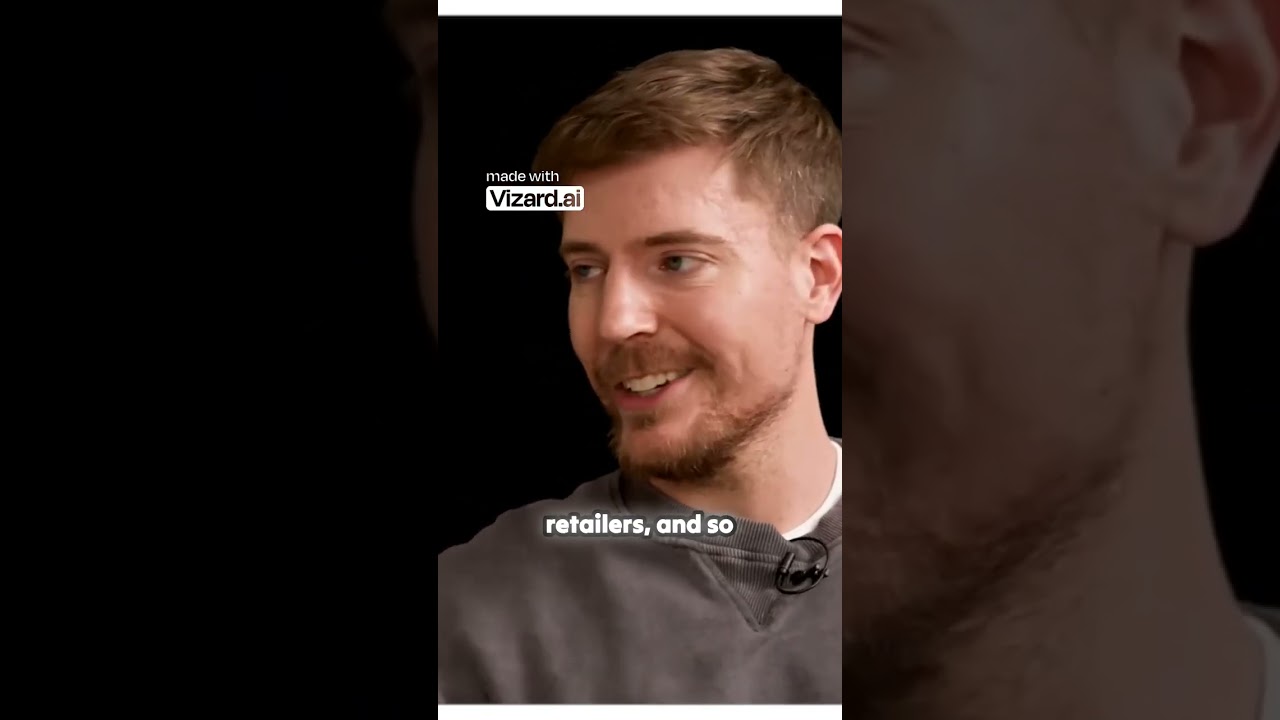
MrBeast, the world’s biggest YouTuber, is known for turning viral challenges, extreme generosity and audience-focused experimentation into a global media empire. With more than 480 million subscribers, his strategies have been shared and studied endlessly.
Essentially his "obsession" framework is this: instead of casually trying to get better at something, you study it relentlessly. You analyze patterns, test ideas constantly and build systems around improvement. It's how MrBeast approached YouTube. He didn't just make videos, he obsessed over why people clicked, watched and shared them.
So I started wondering: What would happen if I applied that same framework to brainstorming with ChatGPT? Turns out, it completely changed how I generate ideas.
I stopped asking AI for ideas

Up until recently, I would take what I call "my Mary Poppins purse of ideas" and ask AI if any of them were any good. Like most people, I was asking AI what it thought, if my ideas were crazy or worth committing to, and most of the time the AI responded the same way.
Whether it was an idea for tater tot cheesecake or something far more worthwhile, the suggestions felt generic. The problem is that AI isn't creative...at all. Actually, that's more like a win for us humans, but I have a point to make. To implement the MrBeast obsession framework, I started treating brainstorming more like a system. After all, that's what ChatGPT really is, a system of patterns, not a true brainstorming partner.
The MrBeast obsession framework prompt
Now, I give ChatGPT the following prompt for every idea I throw at it, be it birthday party planning or project ideas: “Act like a creator obsessed with audience psychology, retention and curiosity gaps. Analyze these ideas, themes and trends. Identify the hidden emotional patterns, repeated triggers and overlooked frustrations connecting them. Then suggest 5 angles that go deeper than surface-level trends.”
So, now, every day I feed ChatGPT: Instagram stories that have flopped, scripts that got passed up, emails that never got a response, relationship frustrations, recurring curiosity gaps and really anything that is taking up space in my head that I can't let go of.
Essentially, I stopped using AI like a vending machine and started using it like a pattern-analysis engine. That’s when things got interesting.
The obsession framework changed the questions I asked, because instead of asking: “What are good dinner ideas?”
I started asking: I started asking: “Why do my kids always seem more excited about certain meals than others?”
Or: “What tiny part of my morning routine is actually causing the most stress?”
Or even: “Why do some family activities feel genuinely relaxing while others feel exhausting before they even begin?”
Those questions led to dramatically better ideas because they forced the AI to think beneath the surface.
The result seriously surprised me

The result wasn’t just more ideas — I have plenty of those — it was more useful ones. I realized the best brainstormers are actually researchers, and that was the most unexpected part of this experiment.
MrBeast has said before that he spent years studying YouTube more than creating for YouTube. Once I started obsessively studying patterns instead of chasing inspiration, brainstorming became easier and faster.
I stopped waiting for “creative energy” and started looking for repeated beavhiors, emotional triggers, overlooked frustrations, small daily pain points, routines that quickly failed and moments that created unnecessary stress. From there, AI became dramatically better once I gave it better observations to work with.
Wildly enough, AI helped deepen the obsession of whatever I was thinking about. Rather than ChatGPT replacing creativity, it amplified it. Because once the AI started surfacing patterns, I became even more curious, asking questions like:
- Why do some habits stick while others disappear after three days?
- Why do certain meals instantly calm the chaos in my house?
- Why do simple routines feel impossible on stressful days?
- Why do some parenting hacks sound good online but completely fail in real life?
The takeaway
When I share cool prompts or ideas with you, I truly believe in them because I have vetted them myself. While all of them are useful and I can't pick my favorite (you can't pick a favorite child) this MrBeast one is my new...obsession. I really enjoy how by leaning into AI to spark creativity, every answer created five more questions. The feedback loop is the real power of the obsession framework.
Using the prompt to analyze ideas like someone obsessed with human behavior, emotional triggers and hidden patterns to discover something beneath the surface is an absolute game changer. This one prompt has consistently given me better insights than simply asking for ideas.
Let me know what you think of this mindset shift in the comments. Give it a try for yourself and share your thoughts.

Follow Tom's Guide on Google News and add us as a preferred source to get our up-to-date news, analysis, and reviews in your feeds. Subscribe to Tom's Guide on YouTube and follow us on TikTok.
More from Tom’s Guide