I've been saying this for years: brands like Samsung and Apple need to pick up the pace when it comes to camera hardware and imaging tech, and the Oppo Find X9 Ultra was the most recent phone to prove that point.
While the iPhone 17 Pro Max tops out at around 8x optical zoom, the Find X9 Ultra pushed that to 10x optical zoom, with an option to go up to 20x using sensor crop.
It's not even been a week since I moved on from that phone, and I've already tried another device that reinforces the same idea: Apple and Samsung just aren't pushing hard enough here.
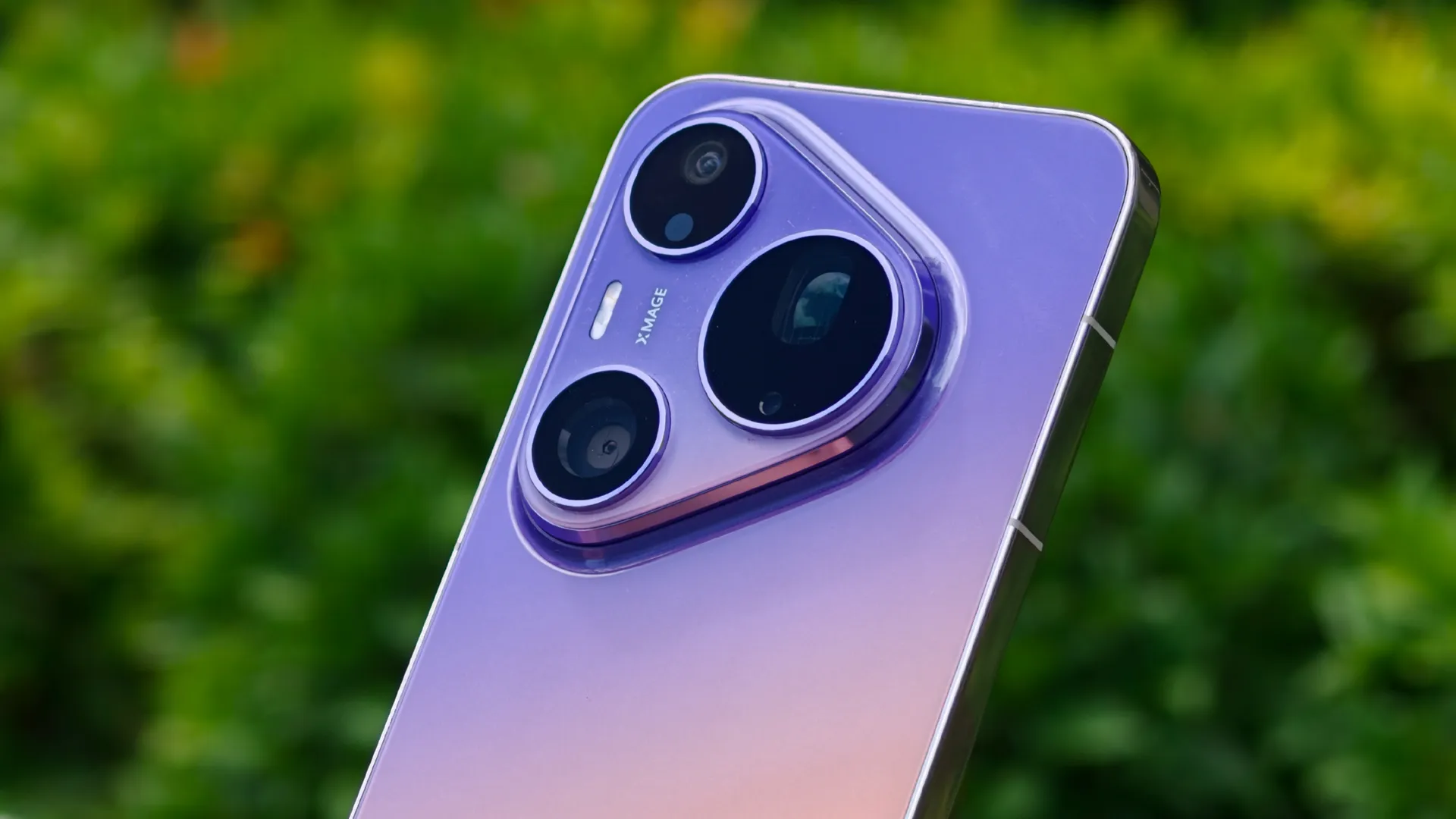
The Huawei Pura 90 Pro Max has a 10-step variable aperture camera
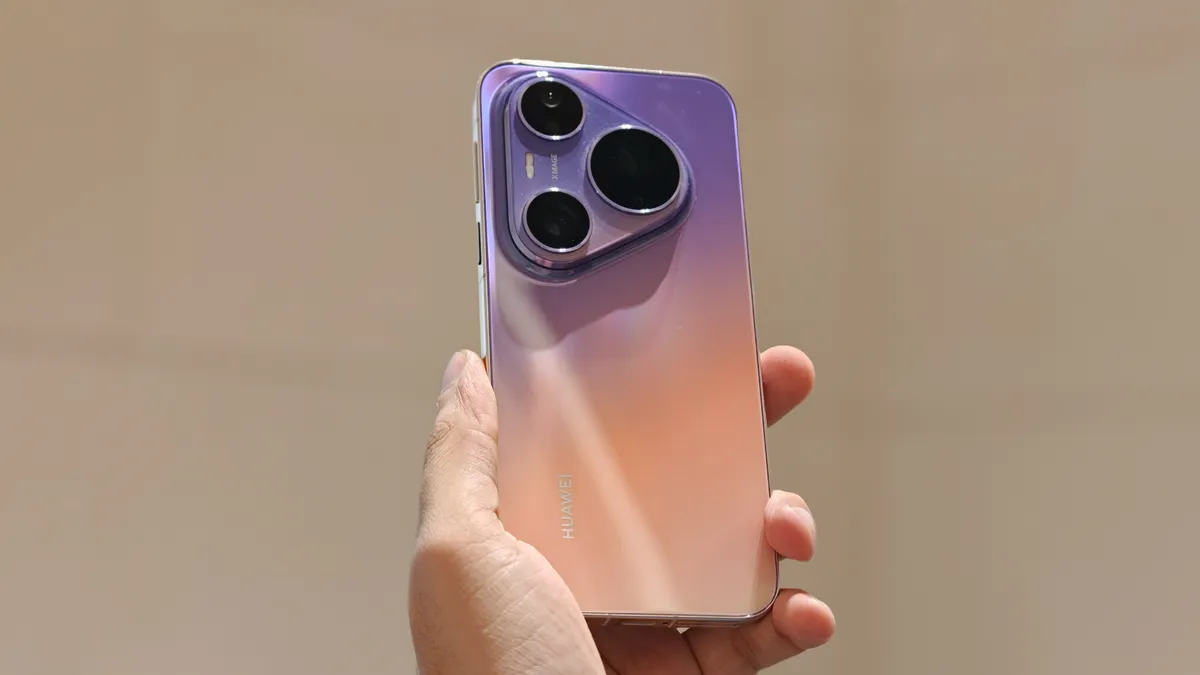
I was in Thailand this week for the launch of Huawei's Fit 5 Pro smartwatch and MatePad Pro Max, but I also got some hands-on time with the company's new Pura 90 Pro Max. The phone launched recently in China, alongside a new foldable that offers a similar form factor as the iPhone Fold, but there's still no word on a global release.
If you haven't been paying attention, Pura is Huawei's camera-focused flagship lineup. Last year's Pura 80 Ultra introduced a physically retractable dual-telephoto setup, and now with the Pura 90 Pro Max, the company is pushing things further with both hardware and software upgrades.
The phone features a triple camera setup: a 50MP primary sensor, a 40MP ultra-wide, and a 200MP telephoto lens. But what's really interesting is the primary sensor. It uses an RYYB (Red-Yellow-Yellow-Blue) setup instead of the traditional RGB, which Huawei says improves light intake for brighter, cleaner photos.
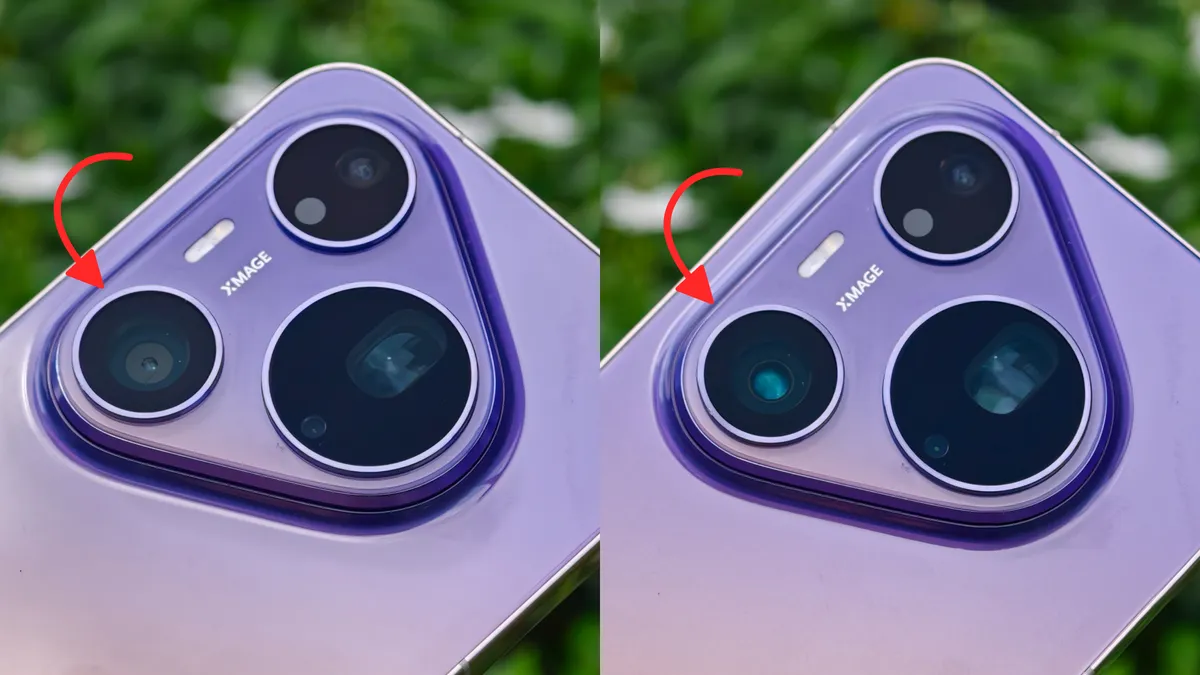
However, the headline feature of this smartphone is the new variable aperture system. The Pura 90 Pro Max supports a 10-stop physical aperture that ranges from f/1.4 to f/4.0. That means the camera can physically adjust how much light enters the sensor depending on the scene.
For example, in low light, it can open up to f/1.4 to let in more light for better night shots. In bright conditions, it can close down to f/4.0 to avoid overexposure. By default, the camera automatically adjusts this in the standard point-and-shoot mode, but you can manually control it through the Camera app's Pro mode.
Plus, it also gives you control over the depth of field directly from the main sensor. Pair that with LOFIC (Lateral Overflow Integration Capacitor) tech, which helps improve dynamic range, and you get images that are more balanced and better exposed straight out of the camera.
The iPhone 18 Pro might finally catch up
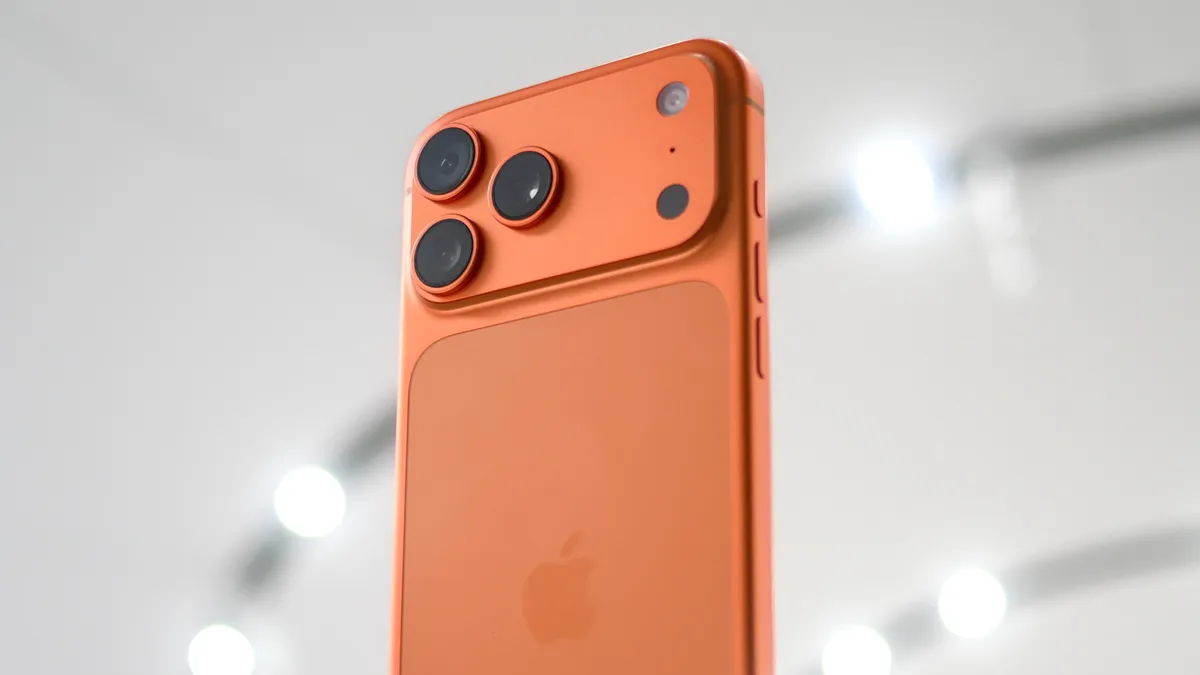
This is exactly the kind of feature I think the iPhone 18 Pro needs to copy. There have already been reports suggesting Apple is working on a variable aperture system for the upcoming iPhone 18 Pro and Pro Max.
So far, iPhones have relied on fixed apertures. For example, the iPhone 17 Pro sticks with a fixed f/1.8 on the main camera, which means it can't adapt to different lighting conditions physically.
If Apple does bring variable aperture this year, it would finally close the gap with what we've been seeing from Chinese flagships. Reports suggest Apple has already started working on the components, although we don't know how advanced the implementation will be yet.
The Pura 90 Pro Max also ships with AI-powered pose suggestions
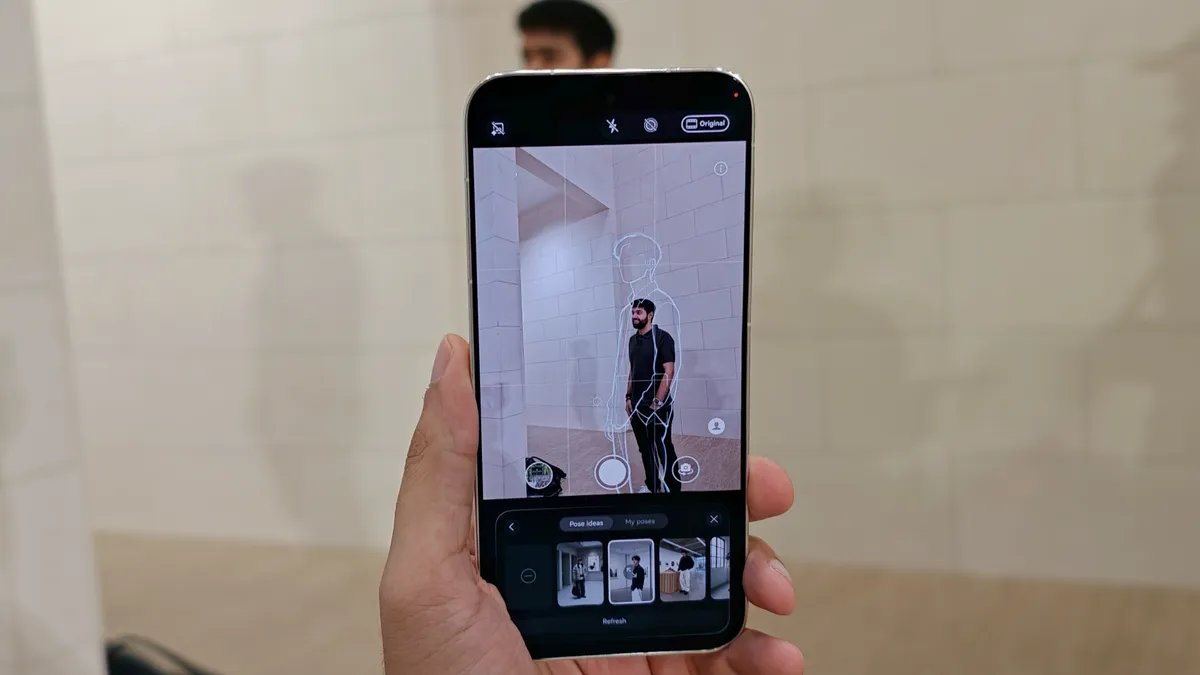
In addition to the variable aperture and the company's first 200MP telephoto sensor, a new feature Huawei has introduced on the Pura 90 Pro Max is AI pose suggestions. When you're shooting a person, you can tap the pose feature in the camera app, and based on the scene, the phone suggests poses that might look good.
Once you tap it, the camera overlays a guide on the subject so they can match the suggested pose. It also offers multiple pose options to choose from. The whole thing runs on-device AI, which means it works without an internet connection and keeps everything private.
In practice, it's a mixed bag. Sometimes the suggestions are genuinely helpful, other times not so much. It also feels a bit awkward since the person being photographed has to look at the screen to match the pose. But the idea itself is interesting, and I can see it improving over time.
Other than that, the Pura 90 Pro Max packs a large 6.9-inch OLED display with an anti-reflective coating, a distinctive dual-tone design, and a big battery with fast charging. Of course, it doesn't come with Google services out of the box, and I wasn't able to fully test the variable aperture in detail, but even a quick hands-on made it clear that Huawei is pushing some interesting ideas here.

Follow Tom's Guide on Google News and add us as a preferred source to get our up-to-date news, analysis, and reviews in your feeds.
More from Tom's Guide