



Presented by

Sleep Awareness Week 2026 is here — our guide to the best tips, tech and advice to help you sleep better

Sleep Awareness Week is still running this weekend, and we have some excellent tips and tech to help you manage a whole host of sleep issues to finally get the rest you need.
World Sleep Day is the pinnacle of Sleep Week every year, and the theme for 2026 is 'Sleep Better, Live Well'. It couldn't be more appropriate in light of hug new research linking sleep regularity to increased life expectancy.
But it isn't just sleep consistency we're focusing on this Sleep Awareness Week – you still need to ensure you're getting enough sleep (seven to nine hours a night is enough for most adults). Put those two factors together, and you have a recipe for good health. (We cover this in detail in our guide to the 7:1 Sleep Rule).
Scroll down now for the latest articles from Sleep Awareness Week…
Key take-aways for 2026: At a glance
- Sleep Awareness Week runs from March 8 – March 15, 2026
- World Sleep Day was on Friday, March 13, 2026
- This year’s theme is ‘Sleep Well, Live Better’
- Our 2026 focus: The link between sleep regularity and longevity

Sleep Awareness Week 2026: All the best tips, tech and advice
This is where you'll find our latest Sleep Awareness Week articles, covering everything from sleep health to sleep tech. We'll be adding to this list throughout the week.




















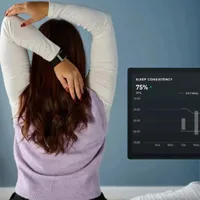
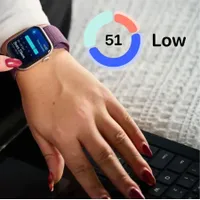
Sleep Awareness Week 2026: All the best products and deals










From 3 a.m. wake-ups to cortisol-beating fall asleep fast hacks
While sleep regularity is the talk of the longevity town this year, there’s lots of other good stuff to dig into.
Throughout this Sleep Awareness Week 2026, we’ll also be covering the dreaded 3 a.m. wake-ups and how to stop them. My team and I have had quite a few of these between us, so we know how to tackle this beast.
We’ll be sharing all our hard-earned tips, and interviewing certified experts on how to help you figure out what’s causing your 3 a.m. wake-ups and how to stop them.

We’ll also be sharing the best ways to fall asleep fast if you do wake up in the night (or have trouble dropping off in the first place), and why cortisol (the stress hormone) is the main culprit the majority of the time.
Sleep needs change with age, and the truth is, nighttime wakings happen more often the older you get. That’s why we’ll also be looking at good sleep hygiene tips and tech for seniors this week, so that you can make the most of your nightly rest in your 60s, 70s and beyond.
And it isn't just about tips, techniques and sleep science – we'll also be covering how to choose the best mattress for your sleep needs and budget, as well as a good pillow, and plenty of other tech to turn your bedroom into a sleep sanctuary.

Here are some of the other areas of sleep we’ll be looking at this week:
- How to work out your ideal sleep and wake time
- How to maintain a regular sleep schedule
- How anxiety and stress drive 3 a.m. wake-ups and how to stop them
- Why napping is better than an energy drink – but the timing is key
- How to create a bedroom designed to help you fall asleep in minutes
- Sleep tech that actually works – all tried and tested by our experts
- Why mouthtaping is one of the worst sleep hacks we’ve ever tried
- The 5 hidden dust traps in your bedroom that are waking you up
Why the 7:1 rule is our North Star for Sleep Week 2026
- The 7: Get at least seven hours of sleep per night.
- The 1: Keep a one-hour consistency window (don’t go any longer than 30 minutes from your chosen bedtime or wake time).
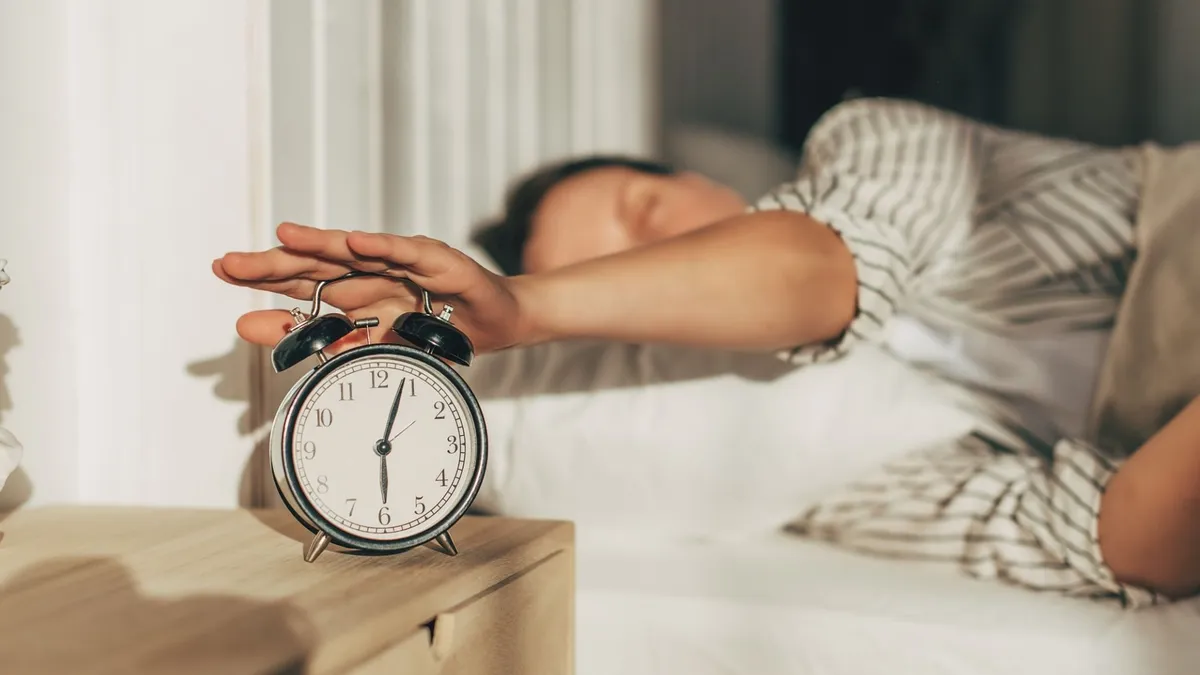
In January 2026, a huge new study was released by Vitality and the London School of Economics and Political Science (LSE).
The study, which analyzed over 47 million nights’ of sleep tracker data, found that following a specific sleep hygiene rule can potentially increase your lifespan by up to four years.
The sleep hygiene rule, dubbed the 7:1 rule, is this: get at least seven hours sleep every night, and go to sleep and wake up within the same one-hour timeframe every day, seven days a week.
Setting a consistent bedtime helps regulate your body clock (circadian rhythm) and makes it easier for you to fall asleep fast.
It also improves your sleep quality over time, and helps your brain to know when to run all that recovery and repair work in your body to help you live and age better.

Dr. Katie Tryon, Deputy CEO of Vitality Health, explains that sleep should be viewed as a daily habit, much like exercise: “Sleep has long been known to be of clinical relevance but it has not been considered to be a daily habit, like physical activity, that can be tracked and improved.
“For most people, the problem is not pathology, but routine. Reframing sleep in this way shifts the agenda - it makes sleep a behaviour that can be tracked, nudged, and reinforced.”
Other key findings from the study include:
- 90% of people don’t meet optimal sleep patterns.
- Improving sleep habits can reduce spending on medical bills and associated costs.
- Obtaining seven hours of sleep per night, and maintaining a consistent bedtime within a one-hour window, can reduce mortality risk by 24% and lower hospital admissions by up to 7%.

What is Sleep Awareness Week?
- Sleep Awareness Week 2026 runs from Sunday March 8th to Saturday March 14th.
Sleep Awareness Week was established by the National Sleep Foundation (NSF) in 1998 to raise awareness of the importance of good quality sleep and how it impacts our wider health.
Sleep Awareness Week kicks-off on the same day as the start of Daylight Saving Time in the US.
This year, the clocks spring forward on Sunday, March 8th. While the National Sleep Foundation (NSF) uses this moment to highlight how even one hour of lost sleep can impact your heart health and mood, there is a silver lining…
The arrival of spring brings more natural morning light—the primary tool our bodies use to 'anchor' a regular sleep-wake schedule and reset our internal clocks.
What is World Sleep Day?
- World Sleep Day 2026 is on Friday, March 13th
While Sleep Awareness Week is a US-led initiative, World Sleep Day is a global event.
Launched in 2008 by the World Sleep Society, World Sleep Day aims to celebrate the benefits of good sleep and draw attention to the burden of sleep disorders.
It always falls on the Friday before the Spring Vernal Equinox—this year it’s Friday, March 13, 2026. The theme for 2026 is, ‘Sleep Well, Live Better’, and it’s also the inspiration behind our focus on longevity and the 7:1 Sleep Rule.

