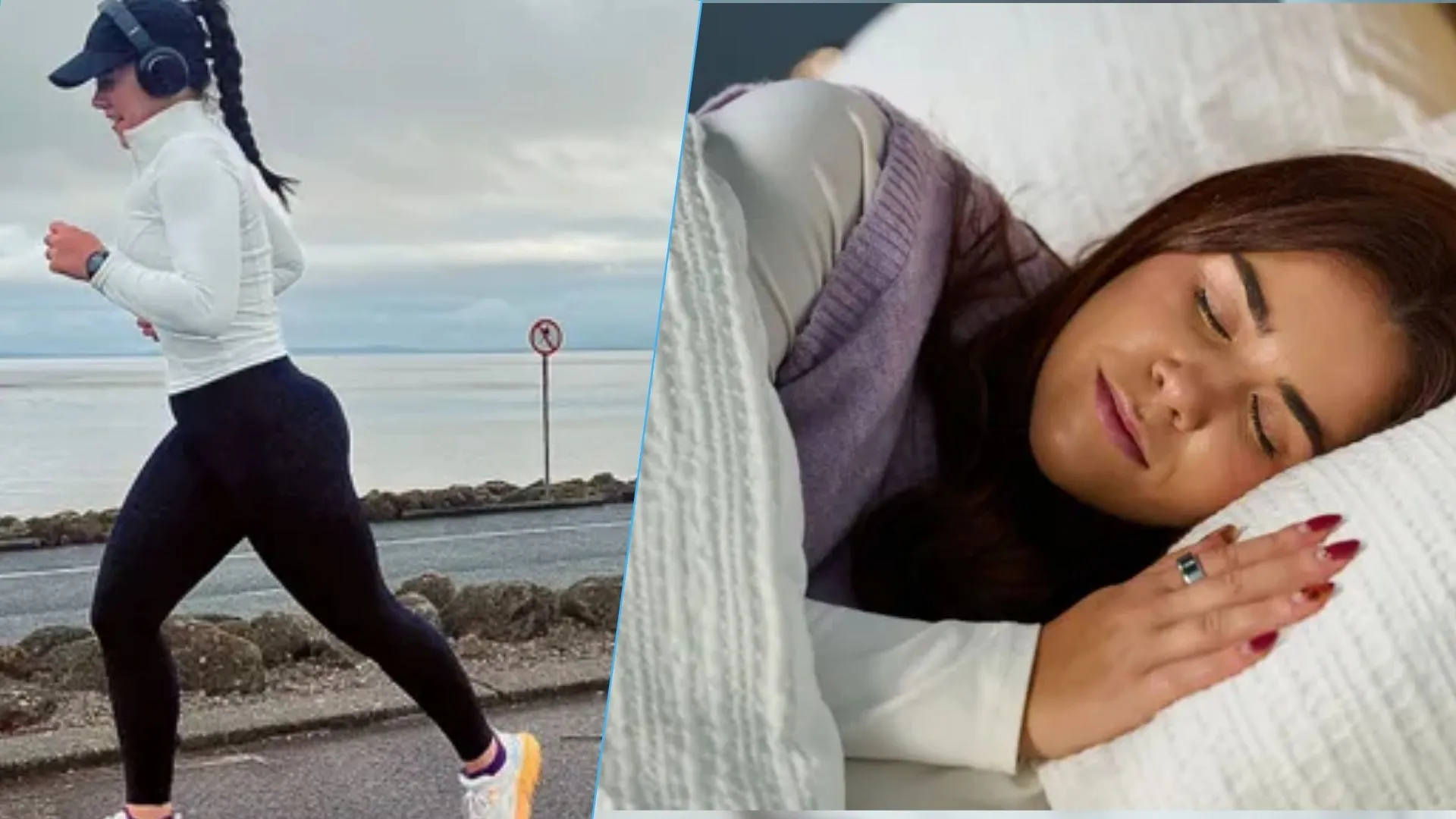
From Premier League footballers to Olympic sprinters, good quality sleep is the ultimate performance enhancer. Elite athletes aside, all of us need good quality sleep to ‘perform’ in our daily lives, whether we’re raising kids, working physically demanding jobs, or juggling a million commitments.
When you’re pushing your body to the limit, knowing how to consistently get the level of rest you need will help you sleep better and build a rich store of energy to see you through a demanding day.
Dr. David Garley, Director of The Better Sleep Clinic, works as a consultant for elite high-performance programs, advising athletes in the Premier League, Olympic teams, and Formula One on sleep optimization.
Here he shares the four science-backed tactics he uses to help pro athletes sleep and recover—and how you can apply them to your own routine to boost your energy levels.
Key takeaways: At a glance
- Sync your workout time to your body clock: A new study published in the BMJ journal Open Heart shows that exercising in line with your chronotype can improve your sleep score by 3.4 points on the Pittsburgh Sleep Quality Index.
- Control your sleep climate: Keep your bedroom between 65°F to 70°F (18°C to 21°C) to promote deeper sleep. Many athletes use a smart mattress to control the temperature of their sleep surface to boost recovery and energy.
- Follow the 90-minute sleep rule: Athletes measure their sleep in whole cycles, not hours. Aim for 7.5 or 9 hours total sleep to ensure you aren't waking up in the middle of a sleep cycle where you're more likely to feel groggy (sleep inertia).
- Nap strategically: The pros use these 'power breaks' to recover and restore energy through the day without harming their overnight sleep. Timing is key though – either nap for 20 minutes or 90 minutes, between 1pm and 3pm.
- Understand your sleep: Use a sleep tracker, such as the Apple Watch, Whoop, or Oura Ring to monitor your sleep and learn which areas can be optimized for better rest.
4 sleep tactics used by athletes
"One of the big drivers of our sleep at night is what we do during the day," says Dr. Garley. Here are four tactics athletes use to get the sleep and recovery their bodies need — and how you can use them too...
Tactic 1. They move lots to build sleep pressure
Physical exertion shouldn't just be used for building muscle or shedding weight; it's a primary driver of sleep pressure, too. Yes, movement is part of the athlete job description, but we can all schedule it into our days .
"If you have a very physical role, such as an athlete, then that can build a stronger drive sleep at night," says Dr. Garley. But you don't need to start clocking up seven-plus workouts a week.
"This approach can be used by non-athletes to help improve their sleep as well," adds the doctor. It can be something as simple as a daily walk or 7-step stretch routine.
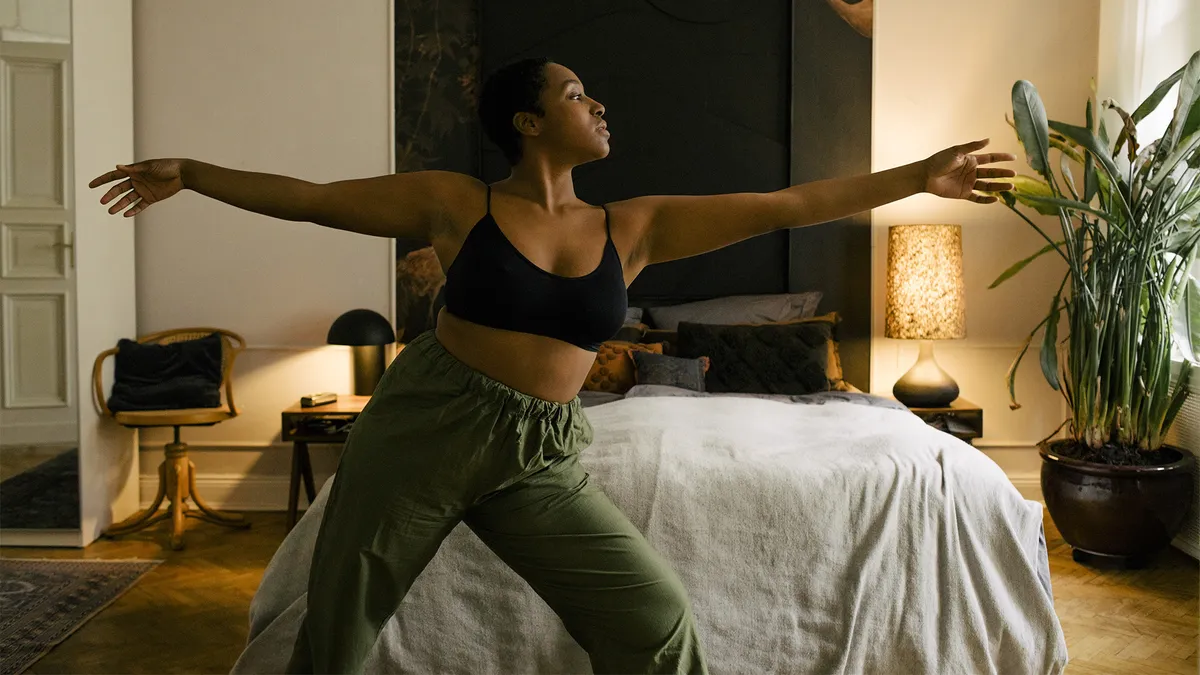
"Physical activity, ideally outside in daylight and ideally in the morning, really helps to reinforce the wake phase of your circadian rhythm, which means the sleep phase arrives more naturally at night."
Tip: Ensure to leave a cooling-off period before hitting the hay. Your body needs time to regulate temperature post-exercise before it releases hormones that facilitate sleep. Hence why Dr. Garley recommends morning movement.
Tactic 2. They maintain a consistent sleep routine
Athletes routines may be thrown off by travel around competition periods, but during training, they largely stick to a consistent routine.
As humans with an internal body clock, our bodies thrive on predictability when it comes to getting good sleep. Waking up and going to sleep at the same time every day, even on weekends, anchors your circadian rhythm.
Your brain functions best when it can anticipate exactly when sleep is coming. This way it learns to release (and suppress) sleep hormones at regular times, making it easier for you to fall asleep fast and wake up with energy.
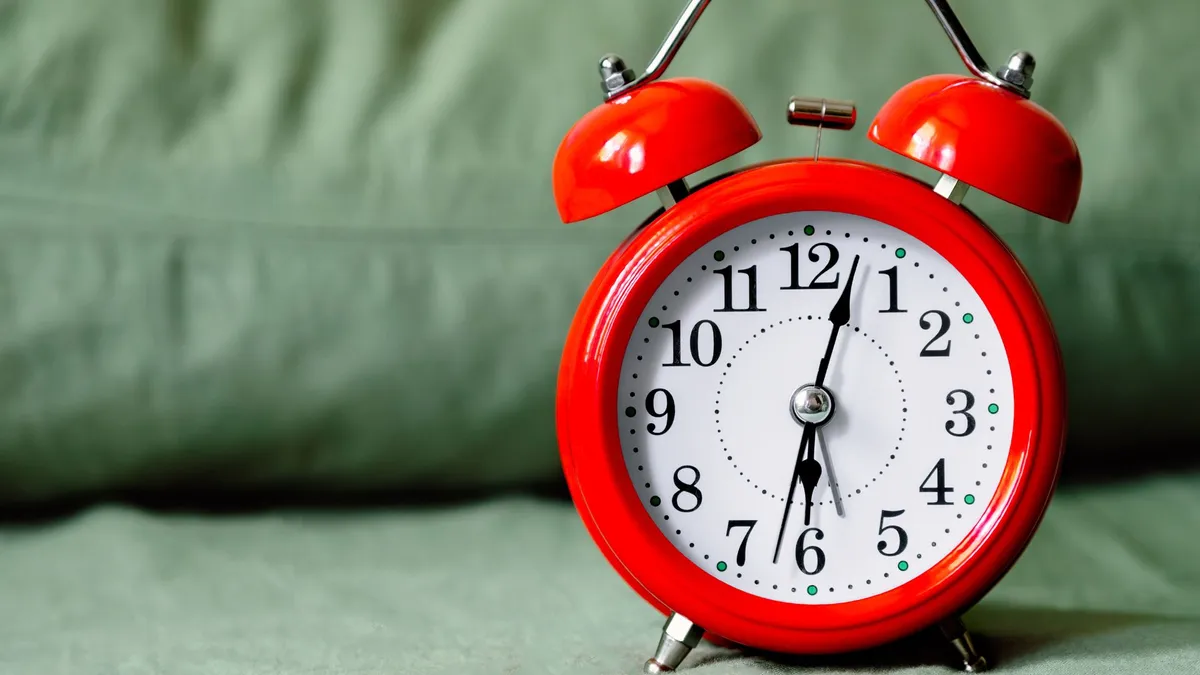
A routine where you go to sleep within a one-hour window and get at least seven hours of sleep can improve your longevity, according to recent research.
The other main thing athletes do is measure their sleep in whole 90-minute cycles, rather than 'hours in bed'.
So they'd aim for 9 hours, giving them 6 complete sleep cycles, rather than 8.5 hours, which would see them waking up in the last third of a sleep cycle where sleep inertia (morning grogginess) hits the hardest.
Tactic 3. They properly wind-down for bed
Alongside intense training schedules, athletes spend a lot of time recovering, partaking in activities that help their muscles and brain recover from training stimulus.
Sure, we don't all have the time or budget for frequent massages, spa therapies or recovery tech (as great as they are). But we can factor in downtime, for free, in our own homes.
The first step is creating an enjoyable, relaxing, and crucially, maintainable bedtime routine. Said routine could involve a book, podcast, meditation practice, or simply cuddles with a loved one.
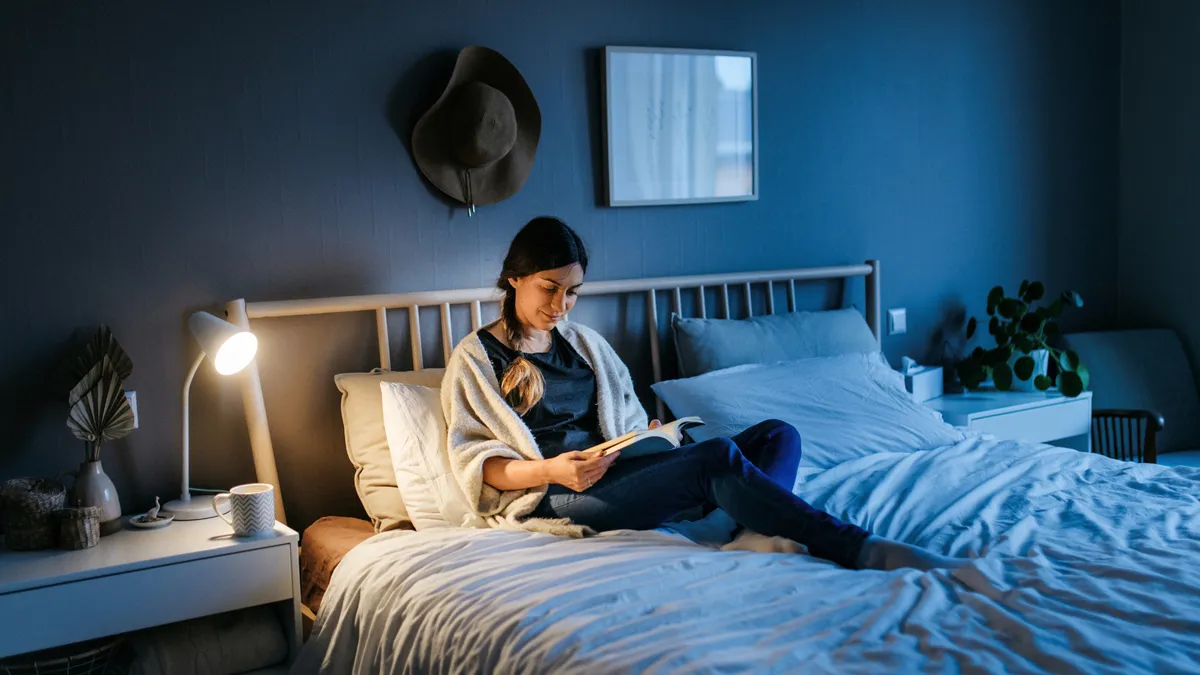
When I spoke to Olympic skier Lauren Macuga about her sleep habits, she told me she follows a simple routine before bed to ensure she sleeps well and wakes up ready to hit the slopes at 70mph.
She said she always tries to read before bed rather than spending time on her phone, as this helps her "disconnect from the day."
And along with getting eight hours of sleep (or at least seven), this definitely aids her performance. “It's the strongest I've ever been," she said. "So, I know what I’m doing is working and I’m loving it.”
Tactic 4. Their bedrooms are hard-wired for sleep
I'm not saying you need to go 2012 Michael Phelps style and sleep in a hyperbaric chamber (that could ruin the bedroom aesthetic, after all). But sleeping on the best mattress for your body that suits your sleep position can help you rest peacefully.
Top-performing athletes, including Formula 1 driver Charles Leclerc, are advocates of smart beds that control your temperature and track your sleep like the Eight Sleep Pod, which, after testing myself, I reckon is worth its hefty price tag.
Your bed aside, it then comes down to environmental factors: temperature, light and sound.
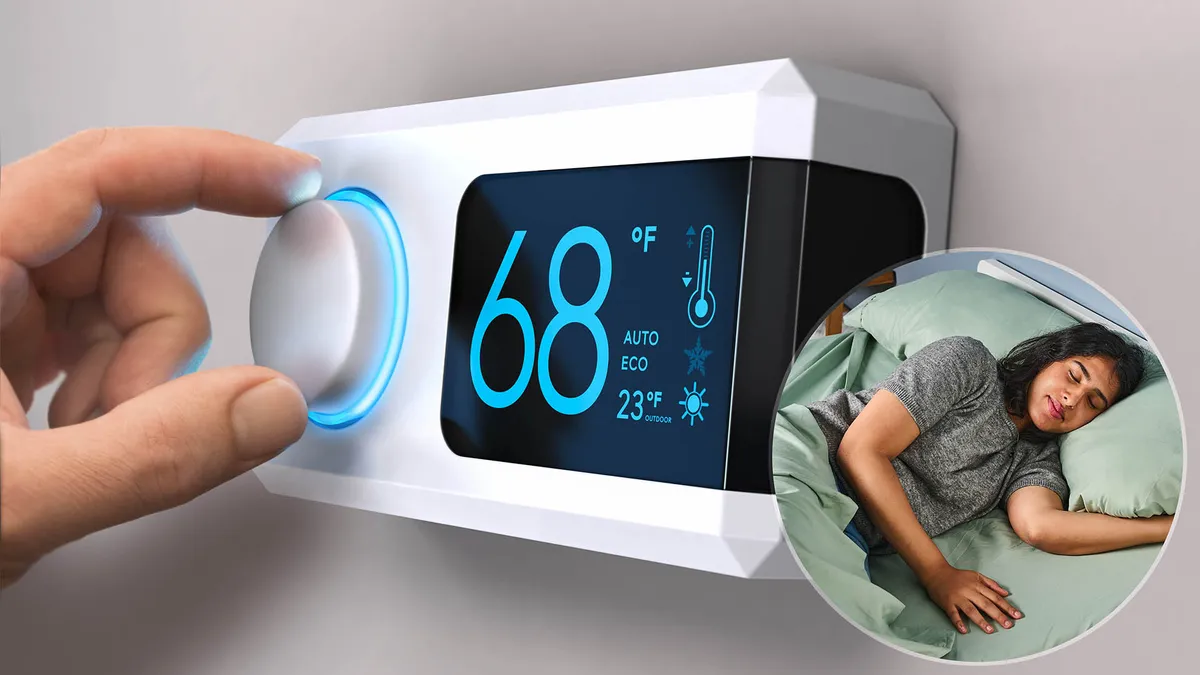
Research suggests a cool bedroom with a temperature between 65 to 70 F (18 to 21 °C). This is cool enough for your body to consistently release melatonin and help you fall and stay asleep.
Unsurprisingly, a dark and quiet room is also recommended for distraction-free rest. You may want to consider some blackout curtains — for example, these ones available from $11.99 at Amazon — if light pollution creeps into your room. Or consider sleep earbuds if you sleep where there's noise pollution or deal with a snoring partner.
Strategic napping
Evidently, a solid seven to eight hours sleep a night within a consistent time frame is what we should all be aiming for.
Naps get a bad rep, but Dr. Garley encourages them. He says they're especially useful when training regimes demand early wake-ups or overnight sleep is fractured.
"We all need to perform in life, and sleep is a central pillar of doing this"
Dr. David Garley
"Seeing the value of sleep and taking the opportunity to nap when able, underpins outcomes in performance and recovery," the sleep consultant writes on LinkedIn.
"And this doesn't just relate to elite athletics. We all need to perform in life, and sleep is a central pillar of doing this," he adds. So, "in the name of high-performance, treat yourself to a nap."
Ultimately, to sleep like an Olympian, you need to be getting plenty of exercise, sticking to a routine, making time for relaxation and paying attention to your sleep environment. But if all fails, there's no shame in a good-old nap when your schedule allows.
How exercise helps you sleep
There is a two way relationship between exercise and sleep. It's becoming more and more evident from research that regular exercise leads to improved sleep quality and reduced sleep latency.
Meanwhile, Dr. Chad Asplund, writing in the journal Sports Health, says: "good sleep is tremendously impactful on overall physical and mental health, as well as athletic performance."
Many sports stars heed this expert advice. Tennis sensation Roger Federer reportedly slept up to 12 hours a day (10 hours at night, plus a 2-hour nap) to sustain his long career, while NBA legend LeBron James said in a 2018 interview that he gets eight to nine hours, sometimes even 10 hours of sleep a night.
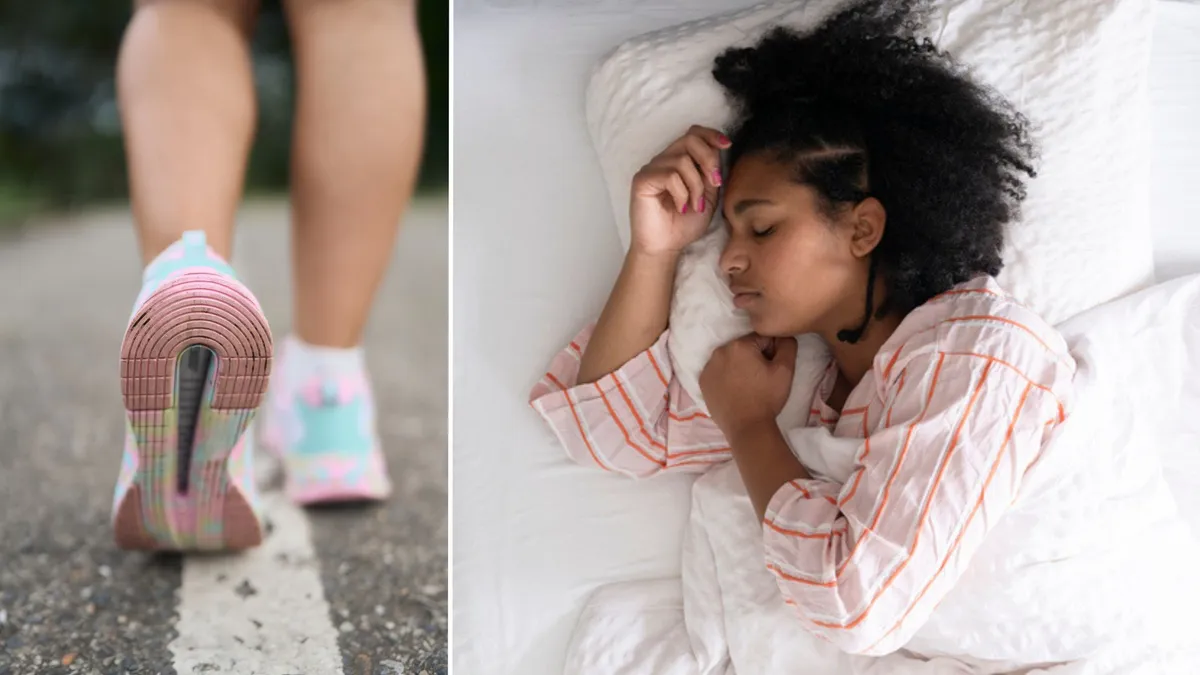
Essentially, exercise benefits sleep and vice versa. One study showed that adults who exercise for at least 30 minutes a day sleep an average of 15 minutes longer than those who did not exercise.
One reason exercise can help sleep is that it increases adenosine in the body, a compound that promotes sleep. In turn, your body craves more rest, helping you fall asleep faster and sleep through the night.
I'm no elite athlete; just a girl who runs decent distances and enjoys a pastry afterwards. But I can say, training for my first marathon unlocked some of the best sleep I've ever had — literally, I hit a 100 sleep score.

Follow Tom's Guide on Google News and add us as a preferred source to get our up-to-date news, analysis, and reviews in your feeds.