Update 9/18/26: This article has been amended from its original form following our discovery that some of the information it contained was inauthentic. We apologize for the error and have removed the offending information to ensure utmost accuracy.
For over a year now, I've been going for a pre-work stroll every morning to lift my brain fog and boost my energy levels. This morning habit is now an essential part of my day, and I often find myself yawing and feeling groggy whenever I skip it.
But why does a 15-minute morning walk around the block make such a difference to my energy levels? To find out, I asked three doctors why stepping outside after waking up helps me start my day refreshed.
The experts explained there are science-backed advantages to adding a walk to your morning routine, and gave me tips to maximize these benefits. Below, I'll share their advice plus some of the ways I increase my energy levels when I don't have time to go outdoors.
Key takeaways
- Research has proven that getting 15 minutes of sunlight exposure within an hour of waking up every morning can increase energy levels and reduce brain fog.
- You can also increase morning energy levels by hydrating as soon as you wake up, eating a protein-rich breakfast, and avoiding phone activity within 15 minutes of waking up.
- For those who don't have easy access to morning sunlight, try light therapy lamps, blue light glasses and sunrise alarm clocks.
My 15-minute morning habit for boosting energy
I work from home three days a week, and while the arrangements has its perks, it does mean my 15-minute walk to the office is eliminated.
While opening my curtains to get some natural light does brighten up my workspace, on my home working days I'd often find myself yawning and reaching for the instant coffee.

So, to make sure that I didn't go eight hours without getting a dose of fresh air, I decided to pencil in a pre-work walk every morning. Lasting just 15 minutes, this was an easy activity to turn into a habit as I live in a walkable city with plenty of parks to stroll in and coffee shops to frequent.
After a year of this healthy habit, I always feel an invigorating boost post-walk — and a groggy slump when I have to miss it. I even credit the morning habit for helping me sleep through the night.
How does the 15 minute sunlight rule boost energy and reduce brain fog?
So, my 15-minute morning walk helps to wake me up and sleep through the night, but why? There's one important component of an outdoor walk that holds the key to boosted energy: sunlight.
A 2026 study by the University of Manchester found that higher daytime light exposure decreases brain fog and increases the ability to maintain focus and attention, with up to 10% faster reaction speeds under bright light compared to dim conditions.

In fact, extensive research shows that our circadian rhythm pretty much relies on light to know that it's daytime, as sunlight increases the production of energy-boosting hormone cortisol.
And while artificial light has been seen to increase alertness, science has proven that natural morning light is a much stronger environmental signal for boosting alertness than indoor lighting.
The second function stimulated by sunlight is the production of cortisol, which is shown to increase blood sugar levels slightly and has been found to enhance concentration and prepare the body for physical and mental activity.
How to use the 15-minute sunlight rule: Key considerations
Timing is crucial
'Get 15 minutes of sunlight every morning', as a rule, is pretty broad. Morning can be anything from 5 a.m. to 11 a.m, which means you might wake up at 7 a.m., head out at noon, and feel happy you've hit the brief.
So, what time should you go out to catch some energy-boosting rays? Well, it all depends on your wake-up time.

Based on the circadian literature is within the first hour of waking, ideally within the first 30 minutes.
This 30-60 minute rule is based on how your circadian clock is most sensitive to light input during this early window.
The glass filter
As explained above, sunlight is an important biological wake-up call. However, you can't get your sunlight fix by sitting near a window. Even on a cloudy day, it's best to head outside.
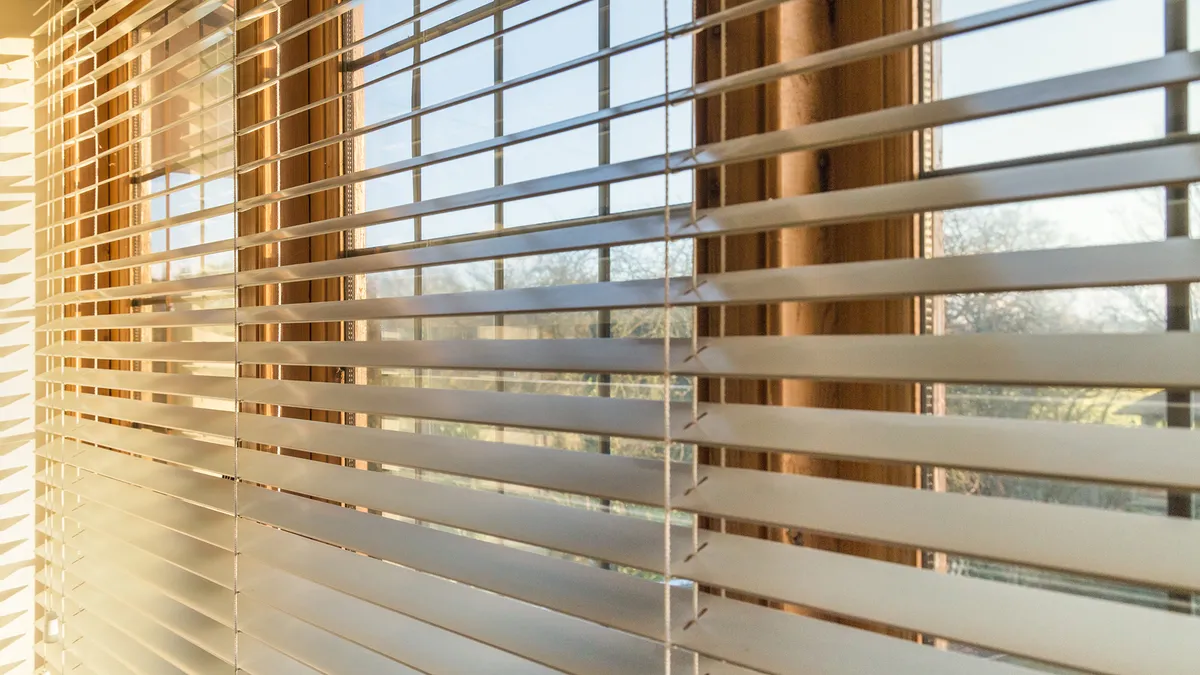
Windows provide something called a 'glass filter', with studies finding that the vitamin D-triggering UVB radiation is blocked by window glass.
Walk anywhere
When I say "walk", I don't mean a ramble through the forest or taking a nature hike.
You can get your 15-minute sun exposure from walking to the store, taking a stroll around your block, or even stopping to chat to a neighbor.
3 other ways to naturally boost your energy
While sunlight is a great way to feel more alert each morning, it's a good idea to pair it with other energy-increasing activities. Here are three other things I do each morning to wake me up:
1. Eat a protein-rich breakfast

First of all, I don't skip the most important meal of the day.
Studies have shown how missing breakfast can significantly reduce energy levels and a bring about cases of brain fog.
Dr. Nerina Ramlakhan, a neurophysiologist and sleep expert at Oak Tree Mobility, advises grabbing a protein-rich breakfast instead.
"Try to include a good source of protein such as nut butter, full fat Greek yoghurt or eggs, as these will help to maintain your blood sugar levels and keep you more energized throughout the day," says Dr. Nerina.
2. Skip the morning doomscroll

I can admit that I'm often tempted to start my day with a scroll, but not only is doing this a time suck, but studies also show it's a huge energy drain.
3. Hydrate before your morning coffee

While I confess that I sometimes like to supplement my walk with a cup of joe, I never ever drink it before heading out or before enjoying half a bottle of water.
According to research, hydrating helps to make you feel more focused and alert, so save your java for after your hydro boost.
"We tend to lose fluids overnight through our breathing and sweating which can contribute to dehydration if you aren’t drinking enough water," warns Dr. Jody-Ann McLean, a physician and medical writer at This Is Menopause .
"Hydrate with a glass of water when you wake up," she advises.
The best sunlight tech if you can’t get outside each morning
Whether you're a shift worker or just don't have the chance to catch some rays in the morning, here are some other ways you can get your morning sunlight exposure.
1. Light therapy lamp (10,000 lux)

While indoor lighting may not be the best for staying alert, there is an exception: a light therapy lamp.
There is plenty of research supporting the positive impact of light therapy lamps on reaction times and attention, even when used in a dim indoor environment.
"The best time to use bright light therapy is every morning within thirty to sixty minutes of waking up," says Dr David Danish, a Double Board-Certified Psychiatrist.
"If your light box delivers 10,000 lux, aim for twenty to thirty minutes per session," he adds.
2. Blue light glasses
While I've touched on what a massive energy drain morning phone activity can be, they can emit something that can helps us feel more energized: blue light.
You can boost morning energy by wearing glasses designed to emit blue-enriched white light that suppresses melatonin, with studies finding that sleepiness was reduced in workers who wore these blue-enriched light glasses.
3. Sunrise alarm clock
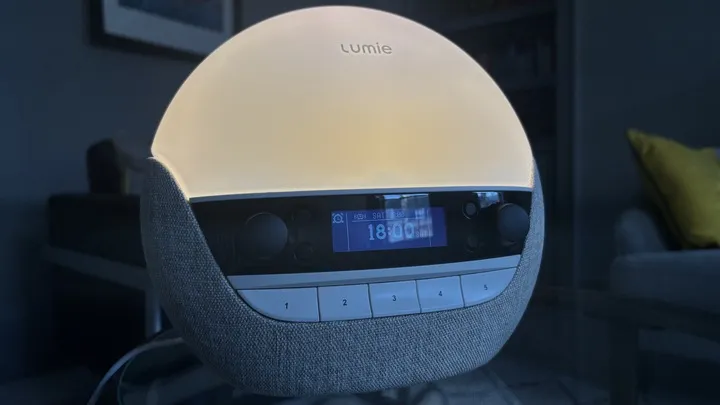
Read my Lumie Bodyclock Luxe 700FM sunrise alarm clock review and you'll find out why I think the best sunrise alarm clocks are worth it if you want to eliminate morning grogginess.
In fact, sunrise alarms, which simulate a sunrise, work by mimicking a sunrise, have been shown to increase cortisol for a morning energy boost.

Follow Tom's Guide on Google News and add us as a preferred source to get our up-to-date news, analysis, and reviews in your feeds. Subscribe to Tom's Guide on YouTube and follow us on TikTok.