



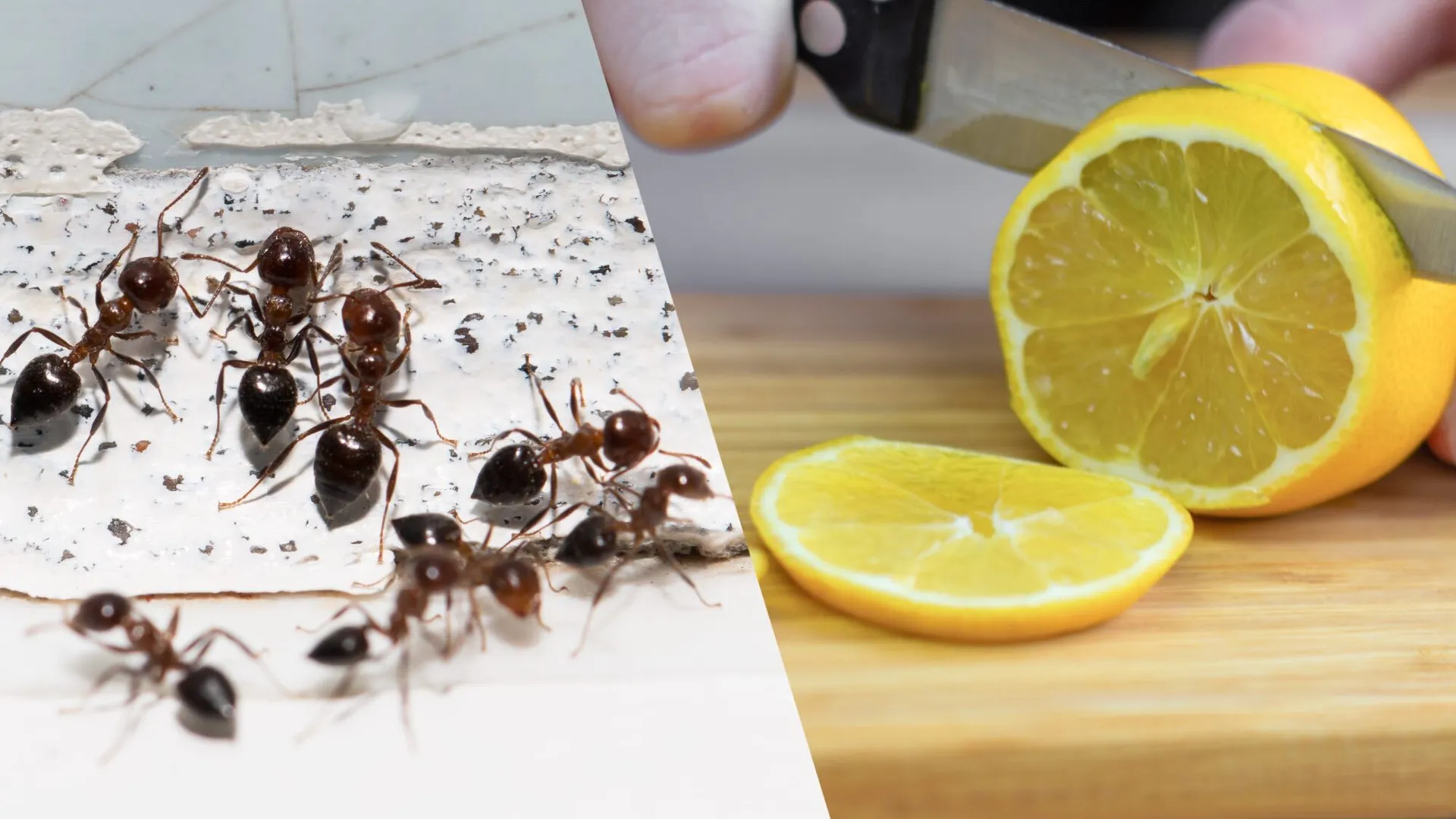
Warmer weather is finally here, which means summer is fast approaching — and with it, the peak season for ants.
And thanks to an ant nest located somewhere in my yard, I often have the annoying issue of finding a trail of ants in my kitchen, by the patio doors. Ants are constantly in search of food, water, and shelter—three of the 7 things that are attracting ants to your home —making our kitchens an ideal place for them to nest.
"People tend to underestimate ants because of their small size, and they don't seem like a big deal at first glance," states Dr. Jim Fredericks, senior vice president of public affairs at the National Pest Management Association (NPMA).
"But what looks like a few ants on your kitchen counter can be the tip of the iceberg. Ant colonies can contain tens of thousands of individuals, and the nest is almost always hidden well out of sight.”
Despite trying all the repellents around — from commercial powders to more natural, non-toxic methods, I’d still spot the rogue ant lurking around in my kitchen (to my dismay).
That was until I tried this simple, natural remedy that seemed to work in banishing ants in just two days. Not only is this ingredient mainly found in our fruit bowls, but it also costs less than a dollar. Best of all, your home will smell fresh all day—it's a definite win! So here’s why you shouldn’t throw out your lemon peels and how you can put them to good use.
Use citrus peels to deter ants

While we might love the fresh aroma or taste of citrus fruits such as lemons, limes, and oranges, ants, on the other hand, are repulsed by the strong scent.
This is because these contain d-limonene, a natural oil that is toxic to ants. This oil is effective because it disrupts the ants' foraging pheromone trails and breaks down their protective, waxy exoskeletons. As a result, the strong odors mask the pheromones ants use to navigate, causing confusion and making them avoid the area.
In fact, citrus has proved a great multi-purpose ingredient, and there are so many things you didn’t know you could clean with a lemon.
How I used lemons to deter ants
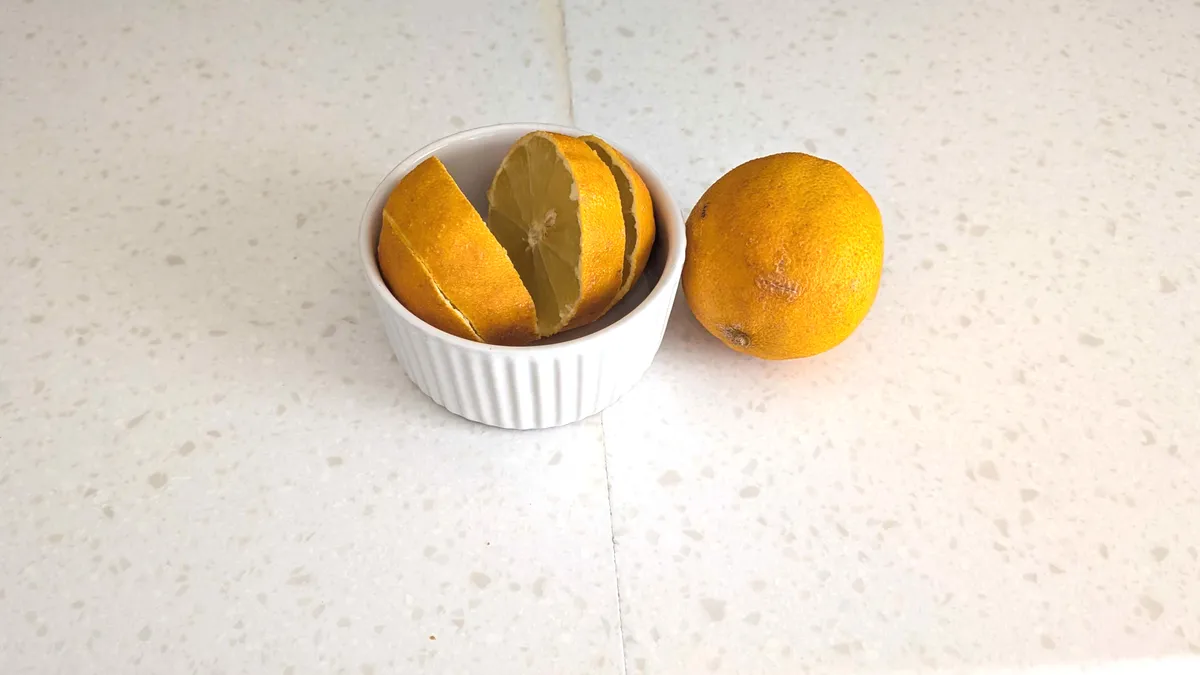
While there are several ways to use lemons to repel ants, I decided to slice a couple of old lemons that were sitting in my fruit bowl (going stale).
I then placed the lemon rinds directly along the bottom of the kitchen door frame, which was the tiny critters' pathway. For extra aroma, I also squeezed a few drops of lemon on top of the rind before leaving them there for the day. If you opt to leave the rind on the floor, remember to let others in your household know, to prevent a slippery mishap.
I decided to leave the lemon rind there for 48 hours, which is enough time before the smell starts to fade and become less effective. I continued to refresh the lemon rind for a week, only spotting the odd ant or two in the interim.
To my surprise, the persistent ant trail that had once plagued me completely vanished after a week of continually refreshing the lemon rind. Not only was I shocked by how well this method had worked, but I was also left with a fresh scent in the kitchen.
Alternatively, you could make a homemade spray of 50:50 lemon juice and water in a bottle and simply spray the areas where ants frequent or enter your home.
Of course, if you are dealing with a serious ant infestation, lemon rind alone probably won’t save you. In this case, be sure to contact your local pest control to give you the right guidance and treatment for it.
But if you do ever want to repurpose your lemon rinds, this can make a cost-effective ant repellent this season.
Top tips to prevent ants
Prevention is the key, so always inspect your walls and doors for any cracks or gaps for potential entryways. Seal up such gaps with caulk to prevent ants from returning.
Check that your window and door screens are correctly installed and sit flush against the frames. If not or they show signs of damage, be sure to replace these immediately.
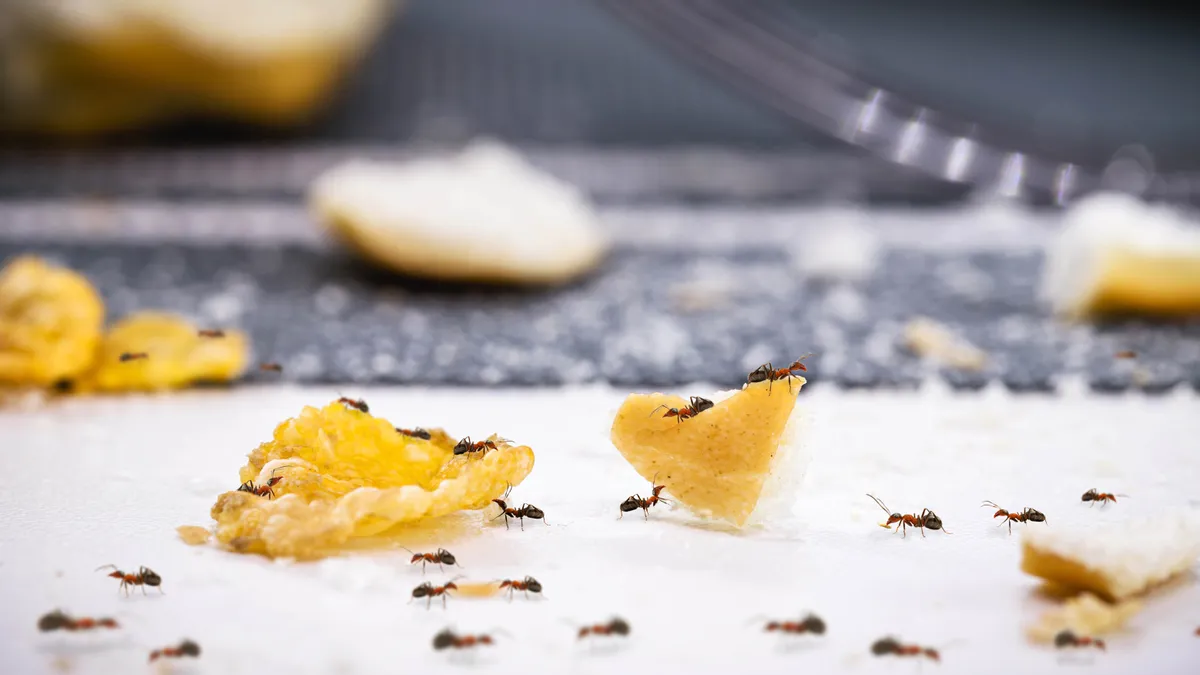
Avoid leaving residual food and crumbs around your home, including dirty dishes in the kitchen sink. And ensure you dust and vacuum regularly to remove any crumbs which may have spilled on the floor, as the scent lures ants into your home.
Make sure pantry food is sealed in airtight containers, so ants can’t reach them. Plus, once your pets have finished their meal, rinse out the bowl immediately so there’s no residual food here. At floor level, this is very easy to access for ants.

Follow Tom's Guide on Google News and add us as a preferred source to get our up-to-date news, analysis, and reviews in your feeds.
More from Tom's Guide

