Heart Rate Variability (HRV) is one of those sleep tracker metrics that doesn't often step into the limelight, but understanding what it means and how to improve yours is crucial for getting a better quality of sleep, and for sleeping through the night.
I recently spoke to endocrinologist and geneticist Fady Hannah-Shmouni MD FRCPC, Anna Elitzur, a mental health expert at Welltory, plus sleep and recovery specialist Anna West, to get a clear definition of HRV and its relationship with sleep.
They explain why a high HRV (typically 70ms – 100ms+) during sleep is a good thing, what impacts it, and the three easy steps you can take starting today to increase your low overnight HRV (20ms – 30ms) for better sleep and more energy in the mornings. Here's what they told me...
What is Heart Rate Variability (HRV)?

"Heart Rate Variability is the variation in the time between individual heartbeats, measured in milliseconds," explains West.
A higher HRV overnight usually means the body is spending more time in a parasympathetic recovery state
"Even if your smartwatch says your heart rate is 60 beats per minute, the time between each beat isn’t perfectly regular. One gap might be 980 milliseconds, the next 1040."
Your HRV reading accounts for the change in the interval between heartbeats. It "measures how quickly your body can go from a state of being alert to a state of being calm, or vice versa," adds Hannah-Shmouni, who is a Professor at the University of British Columbia.
Generally, high HRV means you handle stress well and your nervous system is flexible (which equals quality sleep), while low HRV indicates stress, fatigue, or less resilience (leads to poor sleep).
West says a simple way to think about it is like a suspension in a sports car. "A car with good suspension can absorb bumps and adapt to the road. HRV reflects how well your body can adapt to the “bumps” of life — training, work stress, travel, or poor sleep," the sleep and recovery specialist illustrates.
Although there is not a direct correlation, when your resting heart rate is up due to stress, your HRV is generally down.

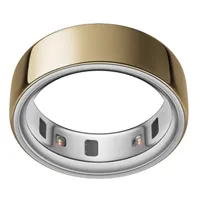
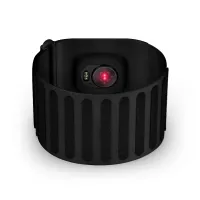
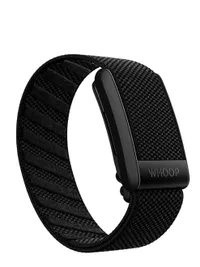
HRV is primarily a biomarker for exercise recovery, but as the body does most physiological maintenance overnight, wearable rings and many top-rated sleep trackers like Garmin, Oura and Whoop include an HRV reading in their sleep reports.
Understanding HRV and sleep
While a low heart rate indicates solid health, a higher HRV overnight generally signals better recovery and sleep quality.
"Typically, HRV is the highest during deep non-REM sleep, showing strong parasympathetic activity that supports tissue repair, hormone regulation, and immune recovery," explains Elitzur.
Light sleep is associated with moderate HRV, and "during REM sleep HRV naturally fluctuates due to bursts of sympathetic activity linked to dreaming," she adds.

A higher HRV overnight usually means the body is spending more time in a parasympathetic recovery state.
Hannah-Shmouni adds that high HRV can be reflective of more consistent, regular sleep, which is crucial for longevity and wellbeing, according to several new studies.
What's really important is stability and regularity in your HRV, says the Medical Director at Eli Health.
"If your HRV is normally high, but one night you notice it was lower than usual, you can identify a period of stress, like overtraining, psychological stress, or burnout," he explains.
"When HRV is lower on a given day, it's important to pay extra attention to managing stressors as they come."
What impacts HRV overnight?
Just like drinking a coffee after 2pm, or staying indoors all day, can have a negative impact on your sleep, your daytime habits and lifestyle choices can influence your HRV overnight.
"Anything that pushes the body toward a 'fight-or-flight' state during the night will usually lower HRV," explains West, and those stress factors can begin in the day.
Here are the specific things that take a toll...
1. Alcohol
Alcohol consumption, even in small amounts, usually decreases HRV and raises your resting heart rate, because it increases stress on your nervous system.
Alcohol is certainly the culprit that I've noticed has had the biggest impact on my overnight HRV readings in my Garmin sleep reports.

"Someone might feel like they slept perfectly fine after a few drinks, but their wearable often tells a different story: heart rate stays elevated, HRV drops, and recovery scores fall," West explains.
That's because the body is still working hard overnight to process alcohol, which keeps the nervous system in a more stressed state.
Booze impairs deep and REM sleep stages, which suppresses physical recovery. The negative impact of alcohol on HRV is dose-dependent, meaning the more drinks you have the more significant the decrease in your HRV.
2. Exercise
Intense exercise puts stress on the body and when you hit the gym or train late in the evening, your overnight HRV will clock the impact.
West explains your body needs time to move from training to recovery. "An athlete might log a very intense session at 9pm, go to bed on time, and still see lower HRV overnight," says the sports scientist.
"The body simply needs more time to shift from a high-stress training state into full recovery mode."

That's why sleep experts recommend tailoring your exercise regime for sleep. Hannah-Shmouni advises completing vigorous exercise early in the day and saving gentle movement, like yoga or a walk, for the evening when it can help shift your body into a relaxed, sleepy state.
3. Stress
From keeping you awake at bedtime to causing sleep paralysis and 3am wake-ups (thanks to cortisol spikes), stress doesn't bode well for sleep.
Reflecting the total stress load on the body, it's no surprise that physical and psychological stress impacts HRV.
"Overnight HRV acts almost like a 'stress audit' for the previous day," says West, "it reflects the combined impact of everything your body had to deal with before you went to sleep."
This stress can be physical as well as psychological. Overtraining your body with too many workouts and not enough recovery time can lower your HRV just as much as a stressful day at work.
4. Illness
Illness pushes the body into a stressed, fight-or-flight state. Therefore, a significant drop in your HRV can also indicate an illness is on its way.
This is because your body will be trying to fight off that cold, virus or infection, increasing stress as the sympathetic nervous system takes over.

A decrease in HRV is often one of the first signs of illness, even before symptoms appear, as the body's immune system activates.
Tracking your HRV becomes very handy here as you can detect an illness, catch symptoms early, and start taking it easy before it escalates.
Essentially, any sudden dip in HRV should be taken as a signal to take a step back, rest and recuperate.
How to increase HRV during sleep
So, to push your body towards parasympathetic activity (and a higher HRV), you need to work on lowering stress before bed. Good sleep depends on how well you reduce your heart rate in the evening. Here's how you can do it...
1. Try a breathing exercise
Elitzur recommends slow breathing exercises for "activating the parasympathetic nervous system, which helps you prepare better for good quality sleep."
From box breathing to the 4-7-8 method, there are plenty of sleep-inducing breathing practices to pick from.

These methods all work to lower the heart rate and activate the rest and digest response in the body.
Take the 4-7-8 method, for example. You inhale for 4 seconds, hold for 7 seconds, and exhale for 8 seconds, and this helps you distract your mind while calming your body.
Used as part of a well-established nighttime routine, breathing methods can help your body learn when it is time to wind down for sleep.
2. Prep your bedroom for sleep
The same practices that result in better sleep quality in general tend to be useful for improving HRV and preventing stress when it’s time to sleep. Therefore, a cool, calm bedroom is essential.
"Having a cool bedroom, reducing noise levels, and having a dark environment is crucial for a good night’s sleep," advises Elitzur.
Reserving your bedroom for sleep and making it conducive to rest — with a low temperature (experts say between 65 to 70 F / 18 to 21 °C is optimal for sleep), quiet environment, and minimal light — helps stable melatonin production through the night. This helps you fall asleep fast and sleep through the night.

We recommend finding the right mattress and pillow for your body type and sleep style to ensure you sleep and wake up pain-free.
You can find our seasoned mattress testers' top picks in our guide to the best mattresses and best pillows of 2026.
3. Manage light exposure
If you're anything like me, screens can cause you stress. If it's not my work laptop, it's my notification-infested phone, and either way, it's just not a device I associate with being calm.
"Avoiding phones, laptops, and other screens for at least 30 to 60 minutes before bed helps you sleep better," explains Elitzur, "because blue light suppresses melatonin and keeps the nervous system alert."
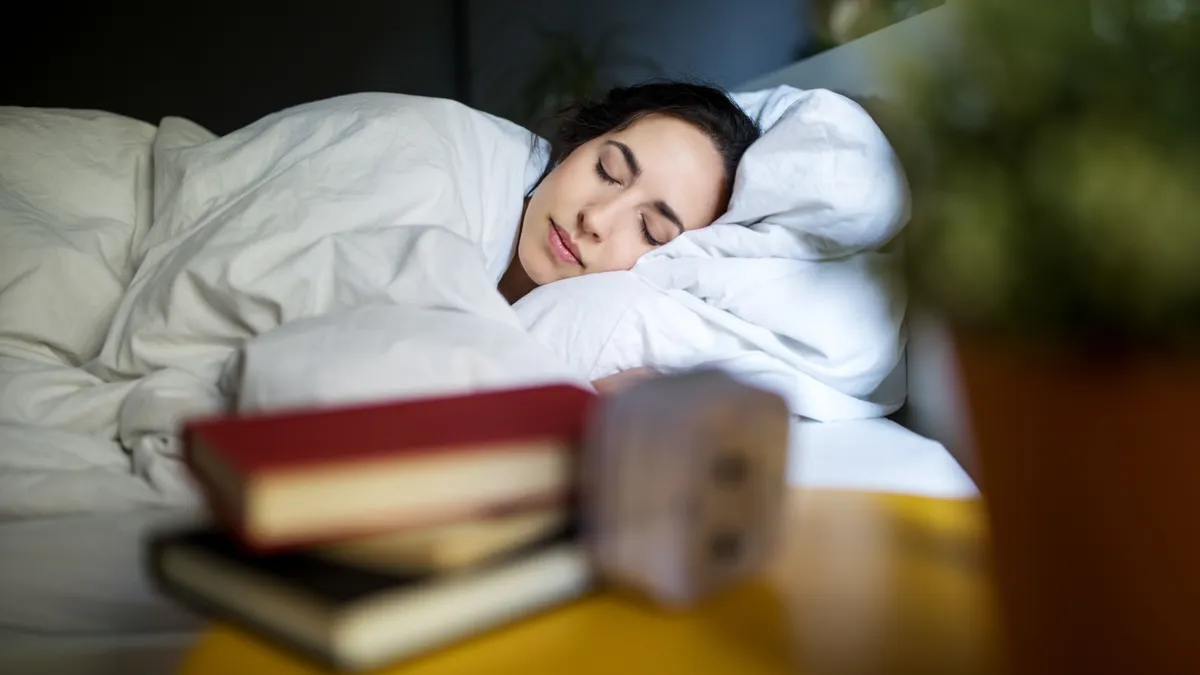
The light exposure also keeps the stress and alertness hormone cortisol risen in the body, stopping you from falling into deep, restorative sleep.
Therefore, putting your tech to bed or, even better, leaving your phone out of the bedroom, means you're free of that stress when you enter your sleep space, lowering your heart rate and giving you a better chance of getting a stable, high HRV overnight.
Summary
Remember, HRV is personal
The key thing people often misunderstand is that there isn’t a universal 'good' HRV number, warns West. That's because age, genetics, training status, and even body size can influence HRV.
HRV is best viewed like a personalised dashboard metric, not a leaderboard
"What matters most is your personal baseline and trends over time," she says.
"For example, an athlete might normally sit around 80 ms overnight. If it suddenly drops to 55 for several nights, that could indicate fatigue, illness, or accumulated stress — even if 55 would be normal for someone else."
"So, HRV is best viewed like a personalised dashboard metric, not a leaderboard," concludes West.
Sleep trackers that monitor HRV