It’s one of the most frequently asked questions I’ve received in my decade-plus career covering the TV industry: Why can’t I find a “dumb TV” that isn’t stuffed with smart features?
Despite the ubiquity of smart TVs, for some folks, the notion of web-based features on a TV is unnecessary. Others are concerned about their privacy, citing data-scraping tendencies of big tech companies and the on-board microphones that often arrive with smart TVs. Whatever the rationale, plenty of people yearn for the halcyon days of TV-ownership, in which you turn the thing on and start watching stuff — no internet required.
While there’s nothing inherently flawed about this thinking — and I do understand the appeal — buying a so-called dumb TV is much easier said than done. In fact, by making that your number-one shopping priority, you are closing yourself off from all of the best TVs in every price range.
Why are there so few dumb TVs?

As with most questions in tech, the answer is this: “because of money.”
TV brands make a ton of money off of a smart platform’s ad revenue. Like plenty of other companies in the tech industry, various entities also profit off of the user data that comes with the software found in someone’s smart TV.
The longer the money comes in, the more incentivized TV-makers are to maintain the status quo. The longer we (the customers) go on having internalized that a TV is something that comes with a bunch of apps and ads baked into it, the less of a reason there is for the industry to change.
The reason almost no one is selling dumb TVs is because the business of smart TVs is too lucrative.
In most ways that matter, we’ve already arrived at the end of the line. For better or worse, the very idea of a TV is inseparable from the colorful carousel of ads, logos and pop-up windows that appear whenever you turn on your TV to watch “Jeopardy!” on a Tuesday night.
So, good luck finding a TV without the web-based bloat. The reason almost no one is selling dumb TVs is because the business of smart TVs is too lucrative.
Dumb TVs still exist, but the vast majority of them are either manufactured by companies I wouldn't recommend shopping, or they're rudimentary displays intended for commercial use.
What should I buy instead of a dumb TV?
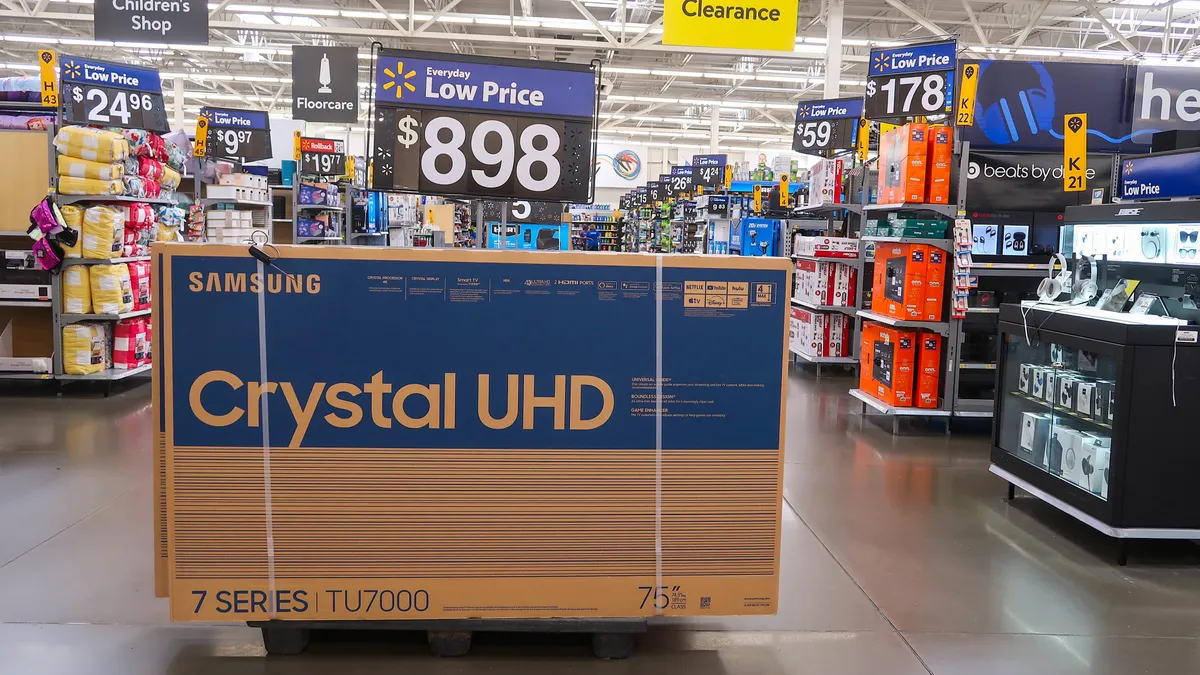
In my experience, people who ask me about dumb TVs often follow up the question by saying something like, "I don't need to pay for all of that stuff, I just want a TV!" This leads me to believe that most people who yearn for a TV free of smart features are also in the market for a cheap TV.
Fortunately, we live in the golden age of cheap TVs. Budget-friendly models today look much better than the budget-friendly models of ten years ago. If it's time to upgrade, I recommend spending between $300 and $450 on a set with decent hardware from a reputable brand rather than $200 on a bottom-of-the-barrel TV with a lousy picture.
Right now, the TCL QM5K fits the bill. Not only is it from a brand that I trust, it comes with a modest array of Mini-LED backlights rather than the crummy edge-lit lighting you'll often find in cheap sets from brands like Insignia.
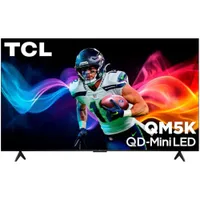
There are also ways to limit (or outright disable) a smart TV's web-based functionality, depending on the software in question. The aforementioned TCL QM5K is a Google TV, a smart platform that can be found in sets belonging to every price range.
The Google TV software suite can be set up to operate in Basic Mode, which disables all of its smart functionality and reduces the state of being pure TV. From here, the TV is ready to accept external devices like HD antennae, cable boxes or Blu-ray players without Google's software butting in.
Other popular smart platforms offer internet-free functionality, though they vary in how often they nag you to connect to the web and install updates. Ultimately, though, you might find — as I do — that the convenience and security associated with automatic, downloadable software updates is worth staying connected to the internet.

Follow Tom's Guide on Google News and add us as a preferred source to get our up-to-date news, analysis, and reviews in your feeds.
More from Tom's Guide