Tom's Guide Verdict
The best of the best just got better. The DJI Osmo Action 6 improves on its already fantastic predecessor (the Osmo Action 5 Pro) with very few drawbacks. The price has increased only modestly in the U.S. versus the prior model, and even gone down in the U.K., undercutting GoPro in both markets. Video quality is excellent and maximum resolution has been boosted to 8K, while new interchangeable lenses give shooters extra creative freedoms. And the usual array of Osmo Action staples are naturally included: strong stabilization and internal audio, wireless hookup to DJI mics, pro features like D-Log M, plus best-in-class waterproofing and battery life. I really can’t fault this camera’s performance.
Reasons to buy
- +
Strong video with 8K/30fps
- +
Great stabilization
- +
Decent internal audio
- +
New interchangeable lenses
- +
Undercuts GoPro on price
Reasons to avoid
- -
No first-party support in the U.S.
Why you can trust Tom's Guide Our writers and editors spend hours analyzing and reviewing products, services, and apps to help find what's best for you. Find out more about how we test, analyze, and rate.
When it made the DJI Osmo Action 6, Chinese tech giant DJI was presumably faced with somewhat of a tricky challenge: how to improve on the DJI Osmo Action 5 Pro (OA5 Pro), already the best action camera on the market.
Doing too much with the Osmo Action 6 (OA6) risked spoiling the formula. So DJI could’ve just pulled a GoPro: tweak the core performance very slightly (if at all), add an interchangeable lens mount, and voilà.
But DJI went at least a bit further. Following on the Hero13 Black’s coat-tails, the OA6 has indeed been given an interchangeable lens mount. And while the OA6’s headline figures are much the same as the older model’s, there’s also a major upgrade under the hood: the Osmo Action line has finally pushed beyond 4K, with a shiny new 8K/30p maximum resolution.
Otherwise, things are little-changed: 65-foot waterproofing; beautiful build quality; OLED displays front and back; plus 50GB internal storage. Is that a bad thing? Nope. The OA5 Pro wasn’t broken, so there was no way in hell it needed fixing.
For the complete breakdown, read my full DJI Osmo Action 6 review.
DJI Osmo Action 6 review: Specs
Starting price |
|
Max video resolution |
8K/30fps |
Sensor size |
1/1.1-inch |
Rear screen |
2.5-inch OLED touchscreen |
Front screen |
1.46-inch OLED touchscreen |
Internal memory |
50GB |
MicroSD slot |
Yes |
Pre-recording |
Yes |
Loop recording |
Yes |
Live streaming |
Yes |
Connectivity |
Bluetooth, Wi-Fi, USB-C |
Water resistance |
65ft (20m) |
Battery |
1,950 mAh |
Size |
2.86 x 1.85 x 1.3 inches |
Weight |
5.2 ounces |
DJI Osmo Action 6 review: Price & availability

The DJI Osmo Action 6 starts at $369 / £319 for the Essential Combo, which gives you just the camera and a battery. The Standard Combo costs $379 / £329 and is the one I’d recommend for newcomers, as it bundles a spare battery and basic accessories. At an extra $10 / £10, it’s a no brainer.
Once again, DJI’s pricing is extremely competitive, undercutting the GoPro Hero13 Black’s $399 launch price (although the price has since risen to $429 at Amazon, as I write this in early 2026).
$369 is only a $20 increase over the OA5 Pro’s $349 launch price, so not a major hike. Meanwhile, in the U.K., the OA6’s launch price is actually £10 cheaper than the OA5 Pro, which cost £329 at launch — very welcome, as it’s rare to see a price drop these days.
Availability
With DJI these days, though, it isn’t the price that’s the problem — it’s the availability. In the U.S. anyway. In case you missed it, DJI is feuding with the U.S. government over drones and was already pretty annoyed about tariffs. Until further notice, the company has pulled official support from the U.S. market.

That means you can’t buy the OA6 directly from DJI, although it’s available from third party retailers like Amazon. Importantly, it means there’s no official aftercare and you can’t buy a DJI care plan. In the U.S. (but nowhere else), if your device breaks, DJI ain’t gonna fix it.
It’s a risk you’ll have to weigh up. I’ve owned many DJI products and, aside from some pre-production samples (which we expect to be imperfect), not one has broken.
DJI Osmo Action 6 review: Design

Measuring 2.86 x 1.85 x 1.3 inches and weighing 5.2 ounces, the DJI Osmo Action 6 is slightly larger than the OA5 Pro (2.77 x 1.74 x 1.29 inches, 5.15 ounces), and now only a fraction smaller than the Hero13 Black (2.8 x 2 x 1.32 inches, 5.4 ounces). There’s not a lot in it though, so none will be markedly more mountable than the others.
I usually prefer the squatter design of the Osmo Action line versus the GoPro Hero13 Black — when helmet chin mounting, the lower height gives you more room to angle the camera upwards and also prevents it intruding into my field of view. Unfortunately, though, the OA6 is almost the same height as the Hero13 Black.
Still, I had no major problem mounting the OA6 on my chin mount, and it didn’t weigh my helmet down either. The OA6 was also able to fit into a tight gap on my handlebars, where larger 360 cameras like the GoPro MAX2 ($499) can't fit.

Build quality is phenomenal. The exterior is finished in a rugged metal, which feels great. All the buttons click nicely with decent positive feedback (important when wearing gloves) and the hatches click firmly shut. The screens are also beautiful, but I’ll get onto those a little later.
A new design feature is, of course, the interchangeable lens mount. But I’ll cover that more in the video section below.
Weatherproofing

Waterproofing has stayed the same as the OA5 Pro at 65 feet / 20 meters without any case needed. This was already class-leading, so DJI didn’t need to build on it. The Hero13 Black offers only 33 feet / 10 meters while the Insta360 Ace Pro 2 ($399) manages 39 feet / 12 meters. If you’re a snorkeler or diver, the Osmo Action line is still the one for you.
DJI seems very proud of the OA6’s cold temperature performance, marketing the camera with images of it smashing through ice and being used while skiing. In reality, the -20°C minimum operating temperature is the same as the OA5 Pro, because they use the same battery. Again, this is still best in class, as the GoPro Enduro battery is only rated down to -10°C.
Mounting

Like all its competitors, the Osmo Action 6 features magnetic mounting. It utilizes the same quick release mount found on all recent DJI cameras. I’ve used the exact same quick release adapter on my DJI Osmo 360 ($549), DJI Osmo Nano ($299), OA5 and now the OA6.
This is awesome if you already own DJI gear, saving you money on accessories. And it’s a solid reason to buy the cheaper Essential Combo if you already own an OA5 Pro or DJI Osmo 360 — they all use the same mounts and batteries.
Sadly, there are still no GoPro-style built-in fingers, so you need to use an adapter for finger-mount accessories.
Connectivity


The Osmo Action 6 hooks up to your smartphone wirelessly via the DJI Mimo App for camera control, updating and basic editing.
There’s a USB-C port for wired hookup of accessories or a microphone (but you’ll need DJI’s USB-C to 3.5mm audio adapter). The USB-C port has its own hatch, so no exposing the battery when using accessories (seriously, GoPro, why is that still a thing?).
The Osmo Action 6 features a MicroSD slot that accepts up to 1TB cards, but there’s also 50GB of internal storage — up from the OA5 Pro’s 47GB. This is so useful. I ran out of space on a 64GB card during testing and was able to switch to internal and keep shooting.
DJI Osmo Action 6 review: Controls


The Osmo Action 6’s on-board controls are minimal, which is normal for action cameras. One record and one power button, and that’s it. But they work, and that’s not something to take lightly…
See, every GoPro I’ve owned has decided on its own terms when to turn on — sometimes the power button works, sometimes it doesn’t; sometimes the button needs a long press, sometimes a short press. And that’s without adding thick gloves into the equation. It’s infuriating. By contrast, DJI’s buttons just work, always, gloves or not.


Most camera control is done via screens. The OA6 features the same 2.5-inch rear and 1.4-inch front OLED displays, and they’re beautiful. The rear in particular is bright and wide, with plenty of space to navigate menus, and is highly responsive. In comparison, remove “wide,” “plenty of space to navigate menus” and “highly responsive”... and you have yourself a GoPro screen.


DJI’s menu system is also excellent. It’s intuitively laid out, allowing quick navigation around the camera, and offers a high level of in-depth control. It’s miles ahead of the dated GoPro menu.
DJI Osmo Action 6 review: Stabilization
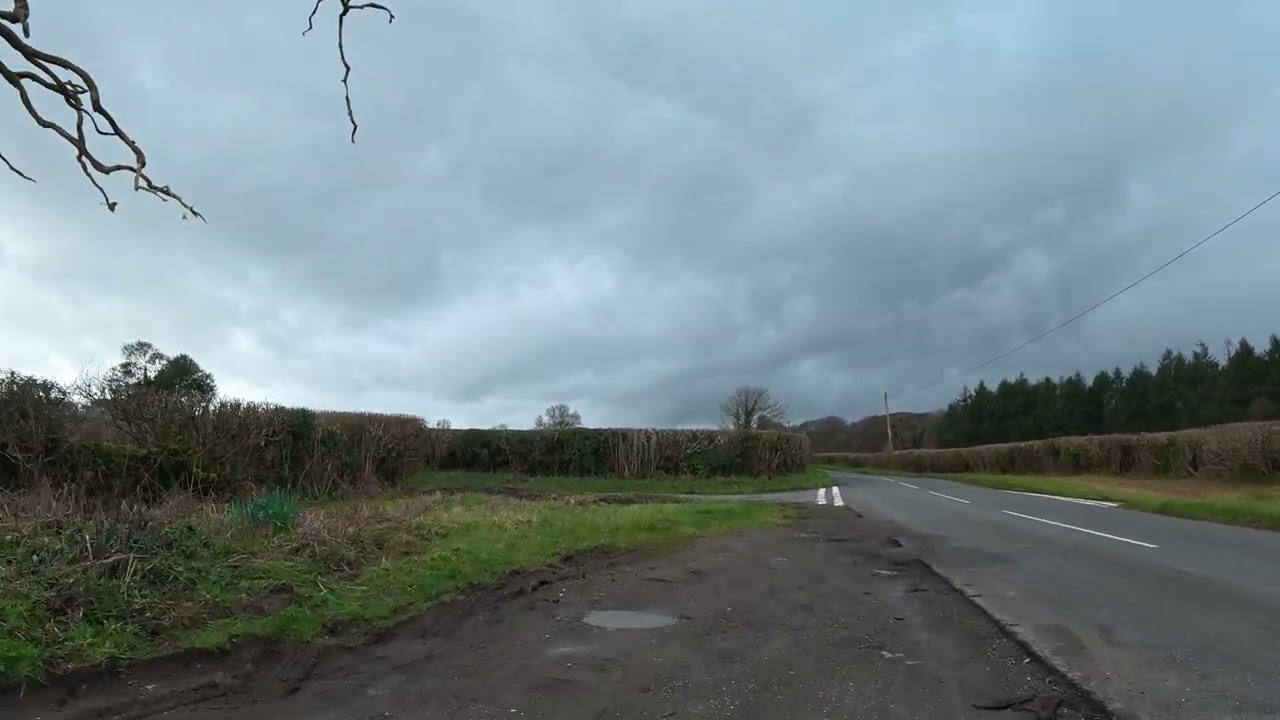
The Osmo Action 6 features the same RockSteady 3.0 stabilization system as its predecessor, which is great. There’s a new, larger sensor, which should give the OA6 more space to crop into frame and better stabilize footage. Honestly, though, I can’t tell the difference between the OA5 Pro and OA6 stabilization. In fact, stabilization is so good on all flagships these days, including the Hero13 Black and Insta360 Ace Pro 2, that you’ll get beautifully stable footage from any of them.
As you can see in the video above, the OA6 weathered the bumpy ground supremely and footage stayed very smooth. And in the higher octane clip below, again, it’s a super smooth performance.
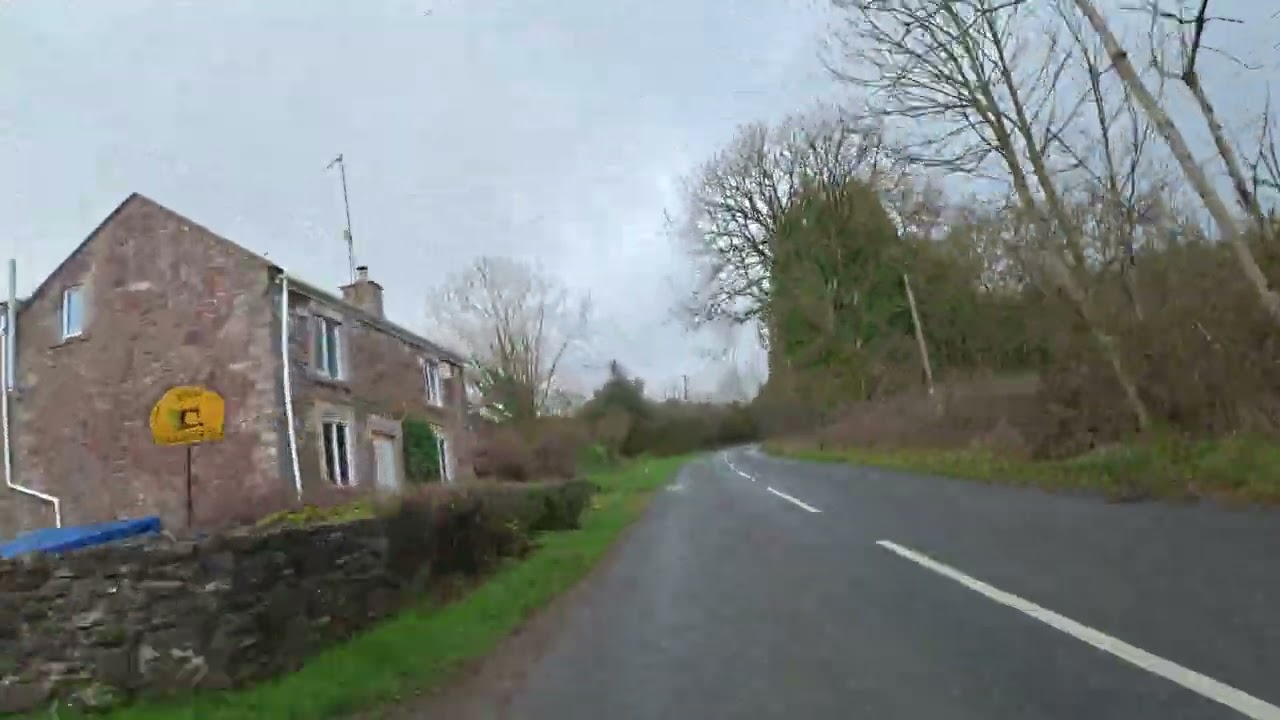
The Osmo Action 6 also features a HorizonSteady mode for keeping the horizon level in footage that leans heavily — motorcycling or skiing, for instance — I personally like showing lean angles, but it’s nice to have a horizon level mode there if you want it.
DJI Osmo Action 6 review: Focusing

Making a return is DJI’s subject tracking mode. Place a subject within the central tracking box and the camera will detect and lock onto it reliably and tenaciously. It only works with humans but it’s still extremely useful for ensuring fast-moving subjects stay in focus. Importantly, this mode is limited to 2.7K resolution.
There’s also Portrait mode, which tracks faces in frame but is intended more for vlogging, with adjustments to soften skin tones. This mode is limited to 4K/30fps.


A major upgrade in the focusing realm comes with the new macro lens accessory. With this lens fitted, you can manually shift the minimum focusing distance to focus on close up subjects in the foreground. It’s really cool and gives you more control than previous OA cameras.
The OA6 sports a variable aperture system. You can choose between fixed focus at f/2 or f/4, which is especially handy for fixing your focal plane for a wider depth of field when using the macro lens.
With the standard lens fitted, you can also shift the automatic variable aperture at the wide end from f/2-f/4 to f/2.8-f/4, in increments of 0.2 (so f/2, f/2.2, f/2.4, f/2.6, f/2.8). All of these ranges end at f/4 on the narrow end.
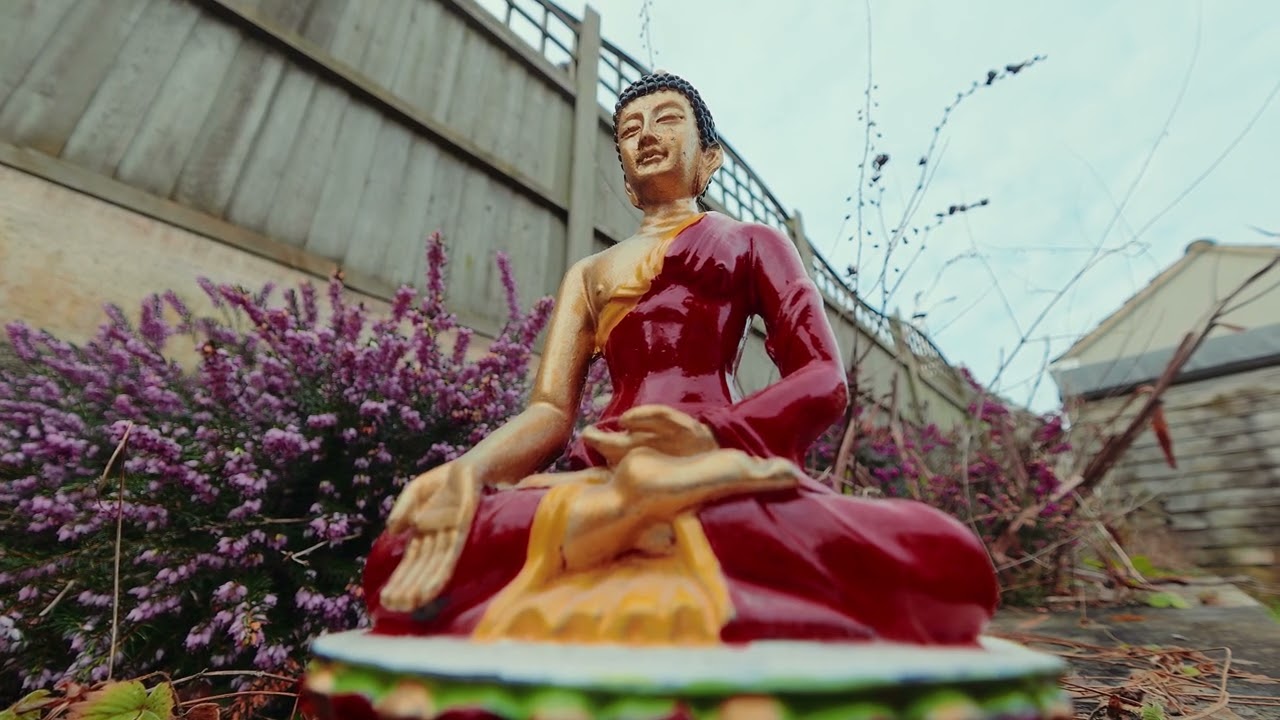
Truthfully, I haven’t had much use for the different variable aperture bands. The difference between f/2 and f/2.8 is pretty difficult to discern in most action camera footage, where footage is moving fast, FoVs are very wide and subjects are often at infinity, so I prefer to keep it at f/2-f/4 to give myself the best low-light performance if needed. But hey, if you need the camera to operate at maximum f/2.8 to get that slightly deeper focal plane versus f/2, you can.
DJI Osmo Action 6 review: Video performance
One of the major upgrades the OA6 sports over the rest of the lineup is 8K/30fps shooting, possible thanks to a new 1/1.1-inch sensor (up from the 1/1.3-inch sensor in the OA5 Pro). Beware: manufacturers love to bandy about +4K maximum resolutions, but for many people, they’re of little use given YouTube still tops out at 4K.
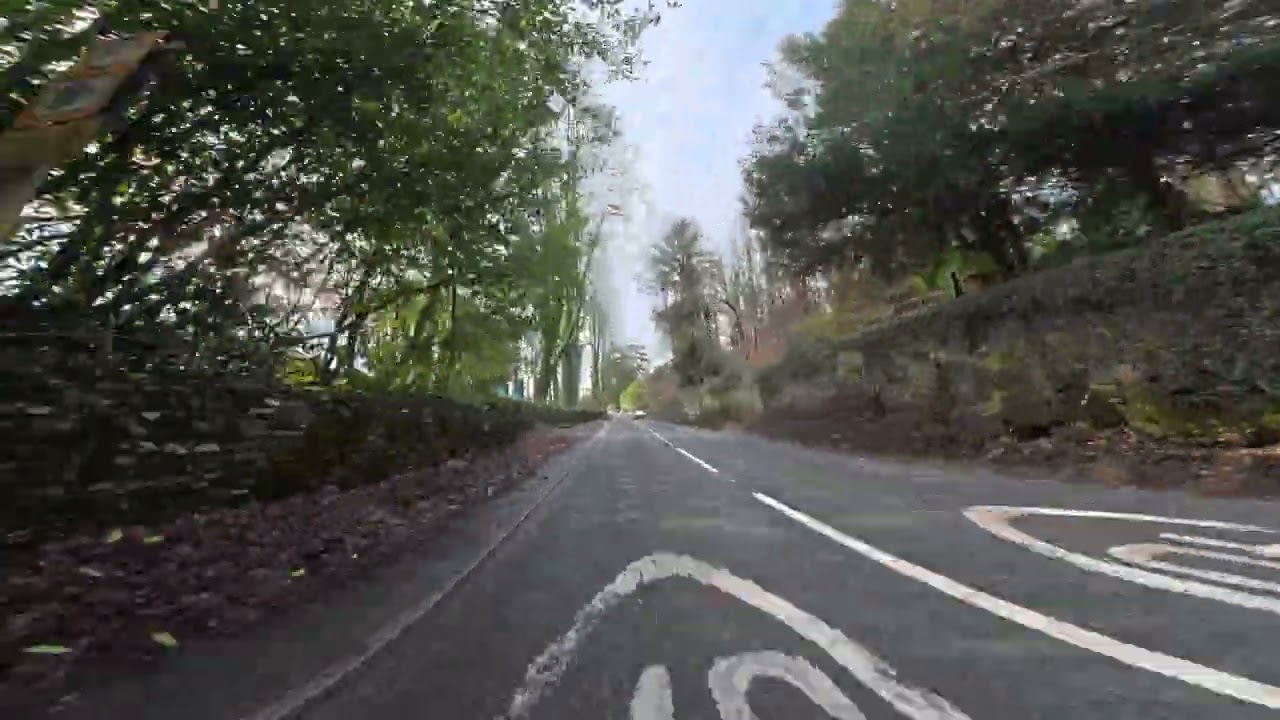
However, any +4K resolution is beneficial for a couple of reasons. More res gives you room to crop into frame and maintain at least 4K resolution, for extra flexibility with framing. It also allows you to export oversampled 4K footage for super sharp results. Both will be of use to those who edit their footage, especially pros.
The Hero13 Black tops out at 5.7K/30fps, and the Ace Pro 2 also tops out at 8K/30fps. The OA5 Pro, meanwhile, was capped at 4K/60fps. Annoyingly, on the OA6, there’s no selectable resolution between 4K/60fps and 8K/30fps. So, you can’t shoot 6K/60fps, for example, if you wanted to strike a balance between higher resolution and a faster frame rate.
4K can be shot at up to 120fps for high-res slow motion footage (240fps is also available at 1080p). 4K footage looks excellent — lovely and sharp. Colors are natural-feeling, although there are now some color filters to apply grades to footage in camera, something DJI has been way behind on. There are 6 to choose from, including vibrant profiles, a skin tone profile, and a few cinematic/nostalgic profiles, too. As with other DJI cameras there’s D-Log M for wide dynamic range capture to preserve highlights in challenging lighting — primarily useful for pros editing in post.
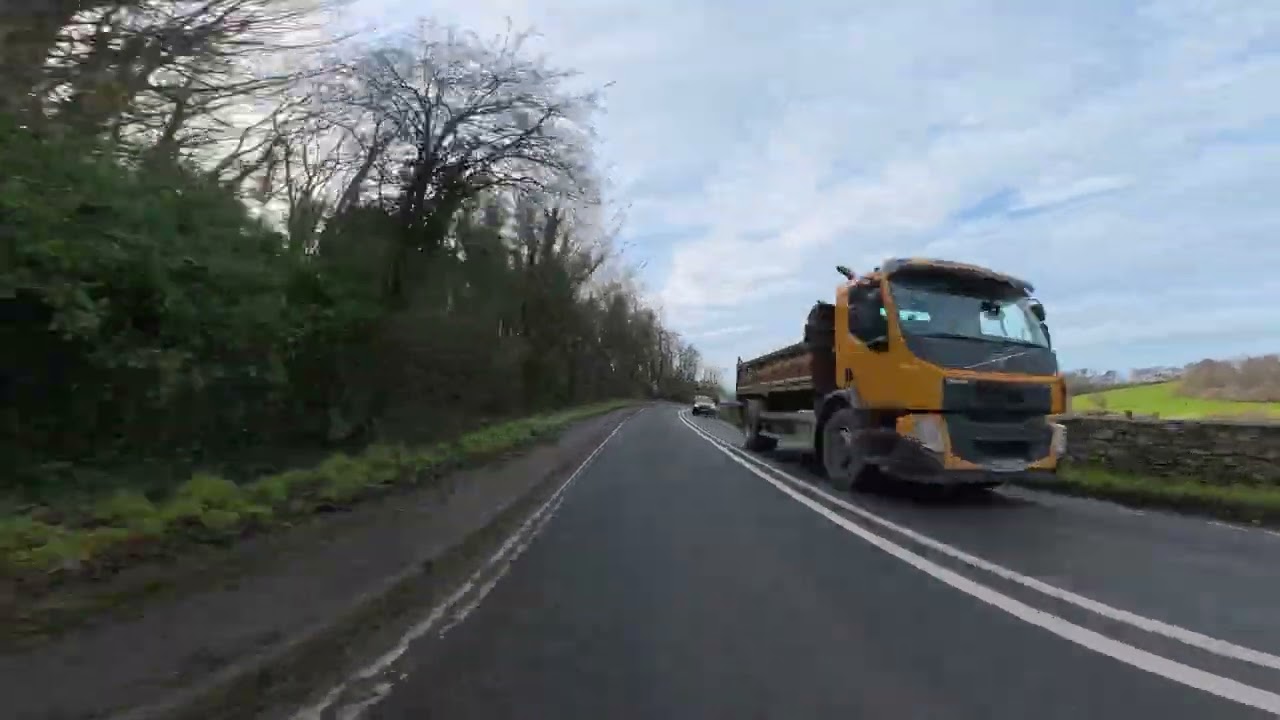
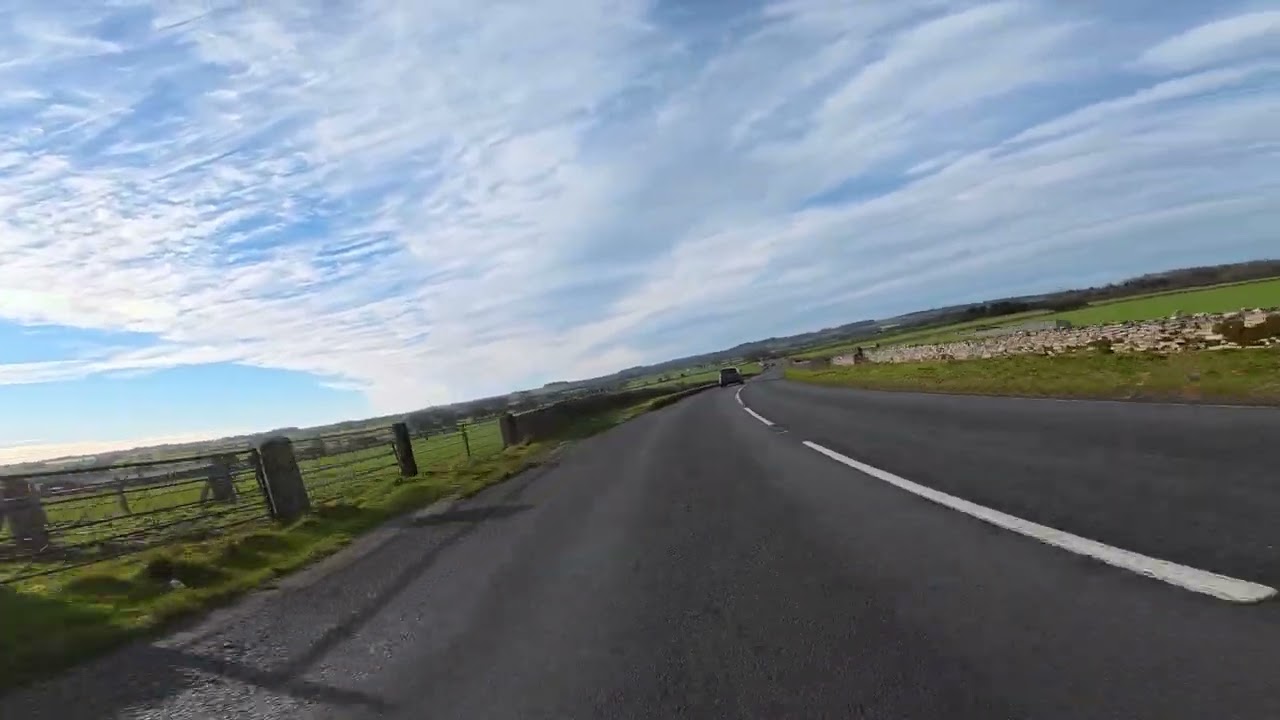
Obviously, there are the new lenses. GoPro introduced a similar interchangeable lens mount on the Hero12 Black and Hero13 Black. DJI needed to catch up. I tested the Ultra Wide and Macro lenses, and they’re a lot of fun. The Ultra Wide in particular looks gorgeous, allowing you to capture huge panoramic footage. You can see it in action above, and for comparison the Ultra Wide setting on the standard lens below.
The Macro lens is also a lot of fun, allowing you to get creative with close-up scenes. There’s no anamorphic lens, as on the rival GoPro, but I’m hoping to see the lineup expand that way soon. Nevertheless, interchangeable lenses put more creativity in video shooters’ hands, so I’m a fan.
Low light
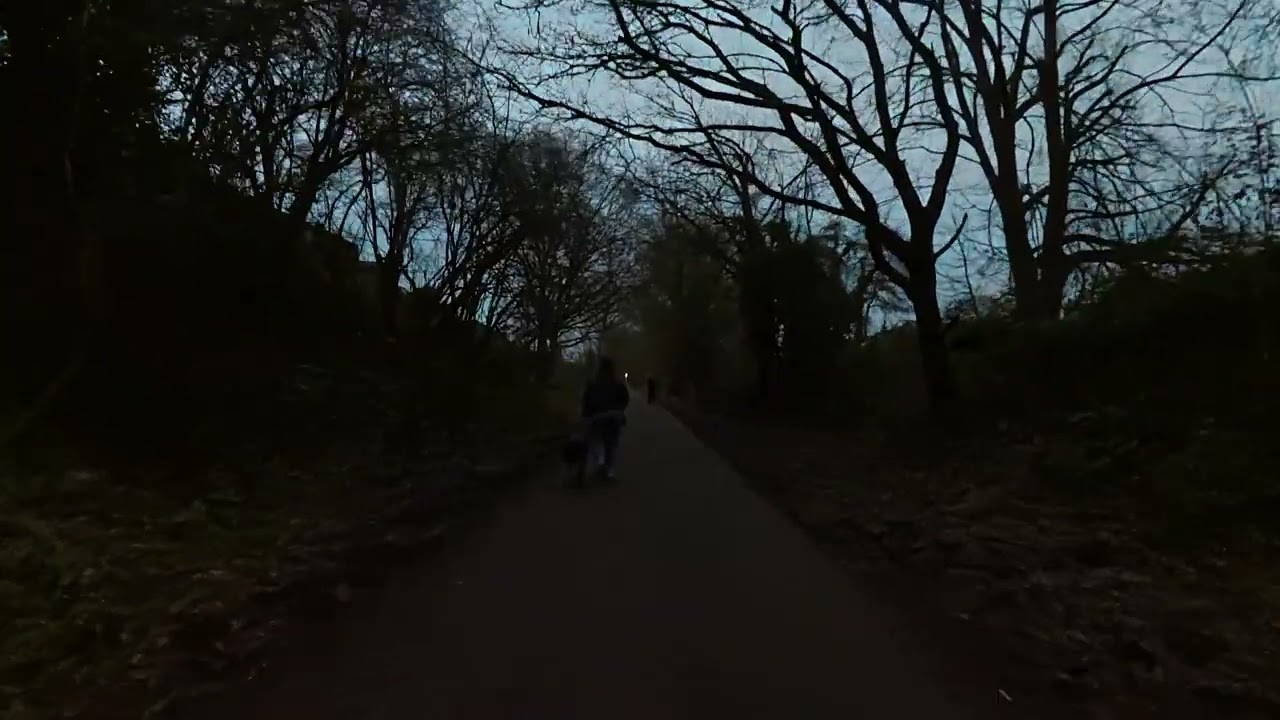
Low-light performance is fairly respectable. A 1/1.1-inch sensor won’t ever blow the world away with ultra clean low light footage, but as action cameras go, the OA6 does a decent job. You’ll want to use SuperNight mode, which is now available in up to 4K/60fps (night modes are often locked to 30fps, as on the Osmo Action 5 Pro), which demonstrates DJI’s faith in the sensor.
The videos in this section show examples of nighttime footage shot at 4K/30fps and 4K/60fps. I think it looks pretty good. The footage doesn’t quite do justice to how dark it was while filming because the camera has brightened up the sky significantly at both 30fps and 60fps.
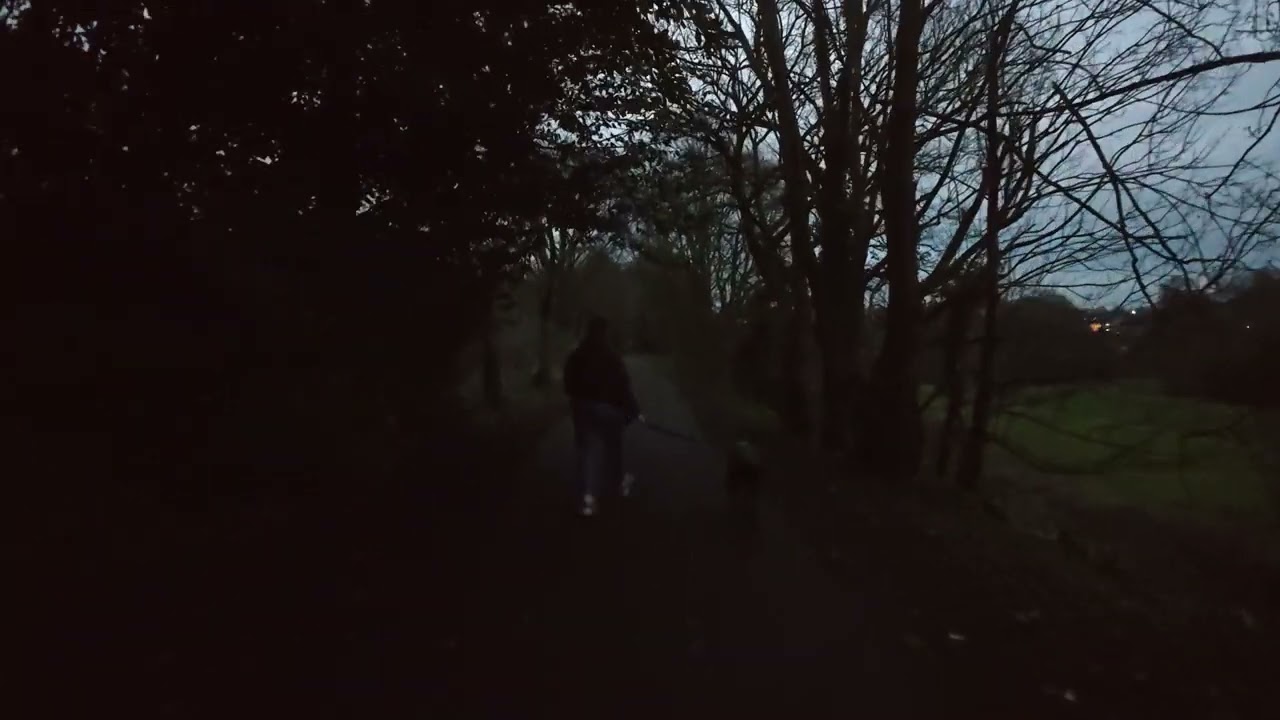
4K/30fps isn’t the cleanest, with noise affecting image sharpness, but it isn’t ruinous and you can still see what’s going on. At 60fps, sharpness has suffered quite a bit, as the camera has bumped ISO as much as it could to brighten things up, so that’s to be expected.
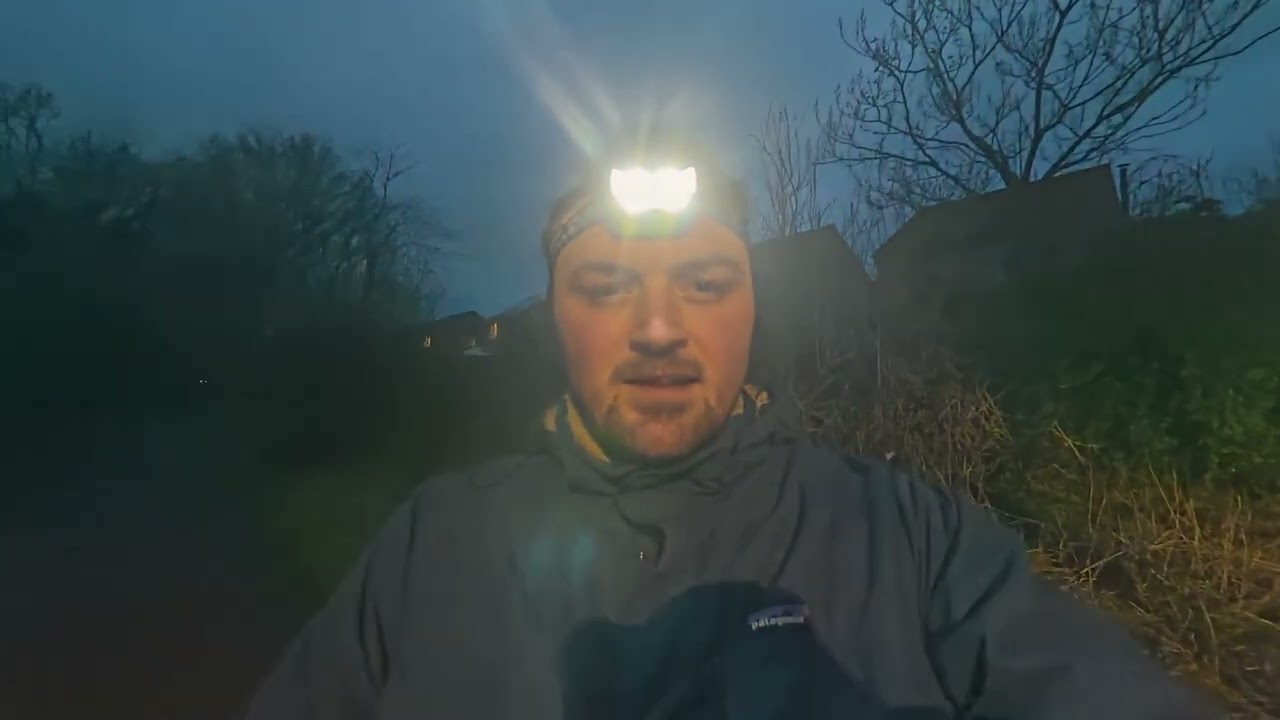
The camera's inner lens likes to flare a fair bit with bright light sources, which is particularly noticeable at night. It's only really intrusive with super bright lights, which isn't uncommon, and I’m actually a fan of the sunstar flares from medium-bright light sources.
DJI Osmo Action 6 review: Audio performance
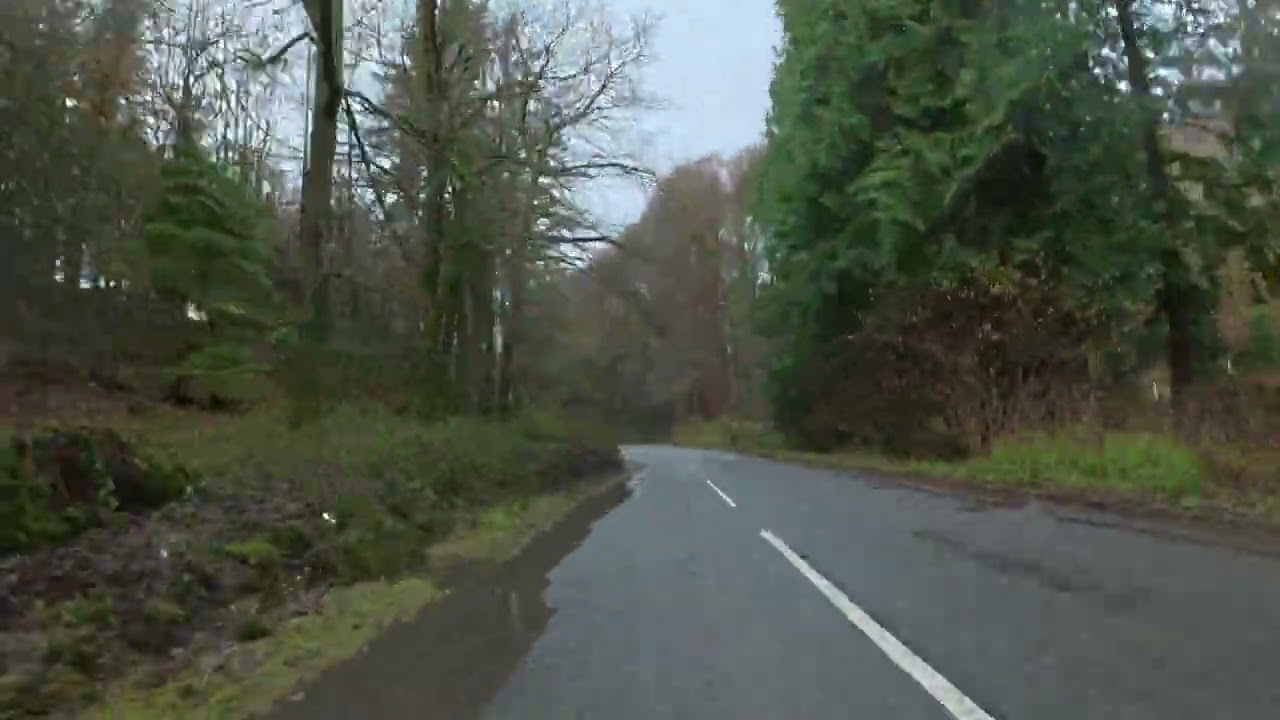
The DJI Osmo Action 6’s internal audio quality is very strong. As you can hear in the motorcycle footage above, shot on the camera’s ‘high’ wind reduction, there’s some but not too much wind buffeting and the bike engine still sounds clear. With wind reduction on ‘normal’ in the clip below, it’s still not too bad. In windless scenarios, though, turning off the reduction will give you the best quality audio.
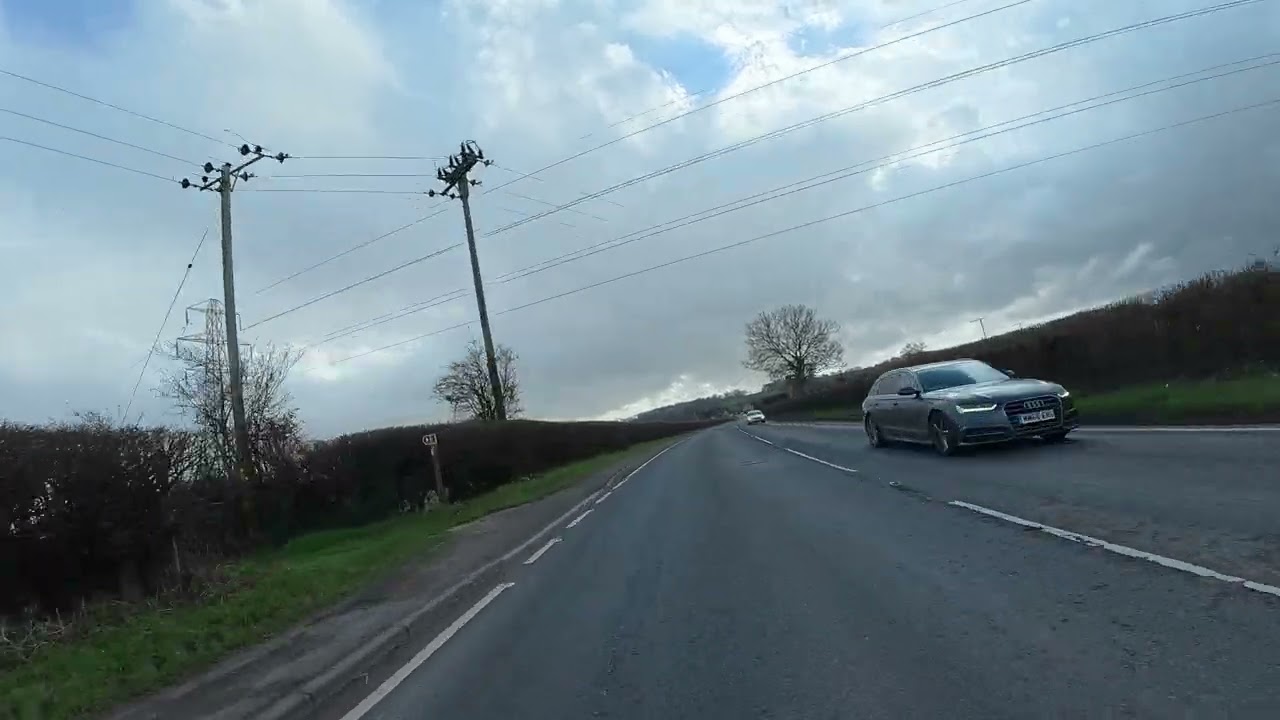
As with all DJI cameras nowadays, you can hook up DJI mics wirelessly via OsmoAudio. This uses Bluetooth, which compresses and degrades audio quality severely, so it’s fine for vlogging and lower-octane pursuits. For any footage where wind or very loud noises are going to occur, you can connect a wired mic using DJI’s USB-C to 3.5mm audio adapter.
Happily, the Osmo Action 6 also records with timecode, so you can also just record audio separately and sync up via timecode in post.
DJI Osmo Action 6 review: App

The Osmo Action 6 pairs with the DJI Mimo app, of which I’m a big fan. It’s come on leaps and bounds since the Osmo Action 4, and now offers comprehensive control over the camera in real time as you shoot.
It also lets you update the camera and gives you some basic tools to edit your footage — although Insta360’s app, with its straight-to-social approach, offers a wider array of editing features (including some rather gimmicky ones).
DJI Osmo Action 6 review: Battery life & overheating
The Osmo Action 6 uses the same 1,950mAh battery as the OA5 Pro and Osmo 360, which I’m very pleased about. Firstly, I own about 15 of the things, and secondly, it’s a solid power cell. DJI claims up to 240 minutes, although that figure isn’t particularly helpful given it’s based on 1080p recording.

In my standardized indoor stress testing at 4K/60fps, with the screen set to auto-shut off after a minute, the Osmo Action 6 lasted 120 minutes in total. It overheated after 62 minutes and then again after 40 minutes, which is a fair amount of time.
In the same test, the OA5 Pro lasted 112 minutes in total and overheated after 43 minutes. The Hero13 Black lasted 80 minutes in total, overheating after 54. The Ace Pro 2 lasted 76 minutes without overheating. Remember, though, mine was a stress test, so overheating isn’t something you’ll have to worry about outside and/or while moving.
At its maximum 8K/30fps resolution and frame rate, the OA6 overheated after 65 minutes and lasted for 93 minutes, which is longer than anything from GoPro or Insta360 shooting at 4K — go figure.
DJI Osmo Action 6 review: Verdict

As I said at the outset, the DJI Osmo Action 6 was building on an already excellent formula. The DJI Osmo Action 5 Pro was a fantastic camera, which held the top spot on our best action cameras guide since not long after its launch. The Osmo Action 6 is a worthy successor, maintaining everything that I loved about its predecessor, but building on it in important ways.
Core video performance, stabilization and internal audio are fantastic; battery life and waterproofing are best in class. And now there are some fun features for creators to experiment with, namely color filters and the interchangeable lenses. Pros, meanwhile, will relish the addition of higher than 4K res.
The DJI Osmo Action 6 is the ultimate all rounder. Whether you’re a pro, a content creator or just a casual shooter, there really isn’t a better action camera out there.