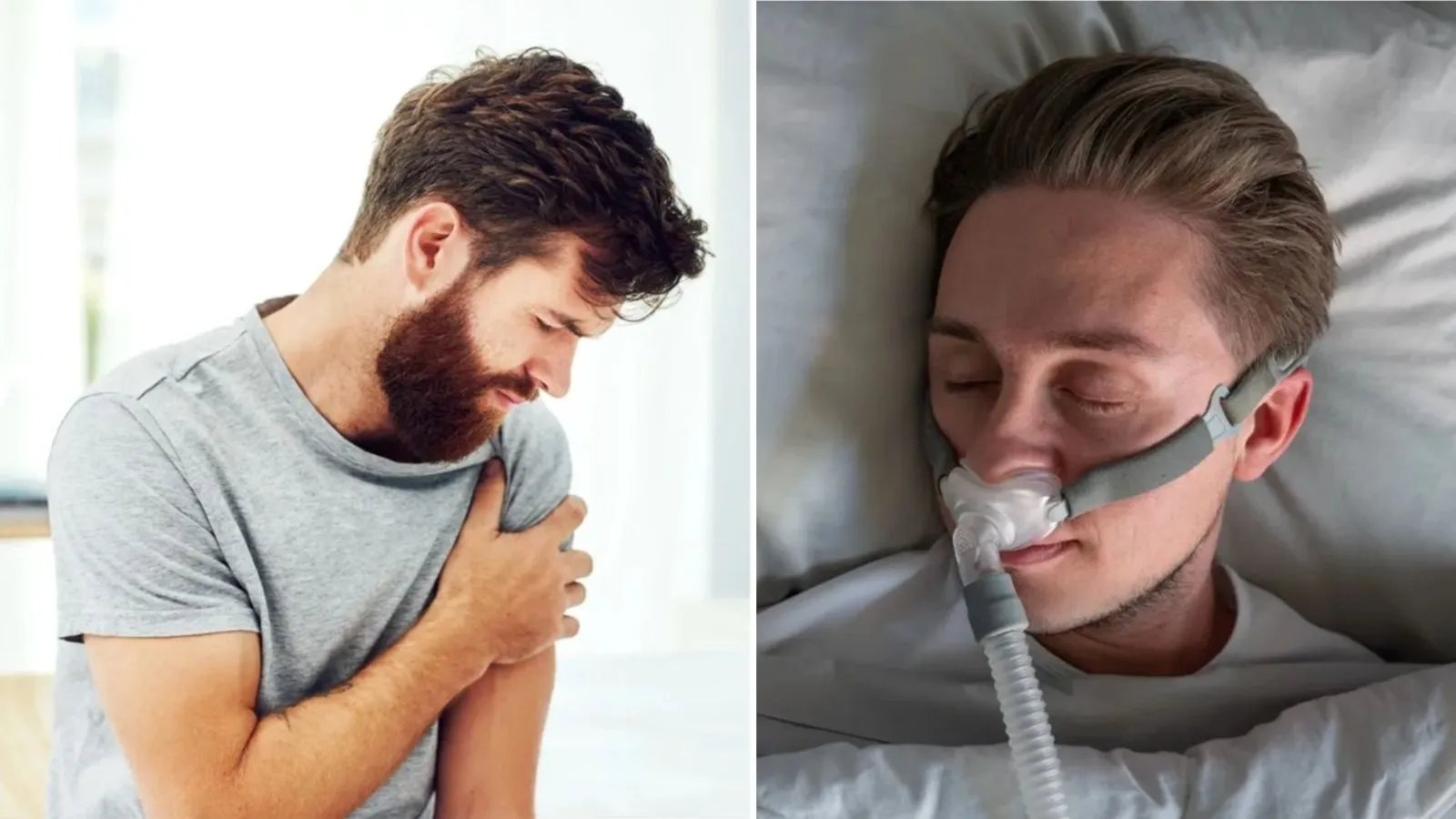
A new study from Ben-Gurion University of the Negev and Soroka University Medical Center, published in the medical journal Sleep and Breathing, now links obstructive sleep apnea with reduced muscle quality and strength, plus an increased risk of fractures.
It's estimated that around 936 million people globally are affected by sleep apnea, with the main symptoms and effects being impaired breathing at night, leading to strong daytime fatigue. If you're waking up exhausted and feeling weak when working out, your sleep disorder might be to blame.
We spoke to board-certified neurologist Dr. Rab Nawaz Khan and physician Dr. Fabio Luis Vieira to learn more about the new study; how sleep apnea impacts your muscle health and bone quality, and, crucially, how you can reduce its impact on your muscle and bone health.
Key findings: At a glance
- The study, published in January 2026, shows an emerging link between obstructive sleep apnea and reduced muscle density. The more breathing disruptions during the night, the poorer the participant's muscle quality.
- Peak growth hormone secretion happens during deep N3 sleep. OSA 'fragments' deep sleep, so your muscles aren't getting a chance to be repaired.
- Intermittent hypoxia (low oxygen) creates systemic inflammation in the body and is a known 'muscle killer'.
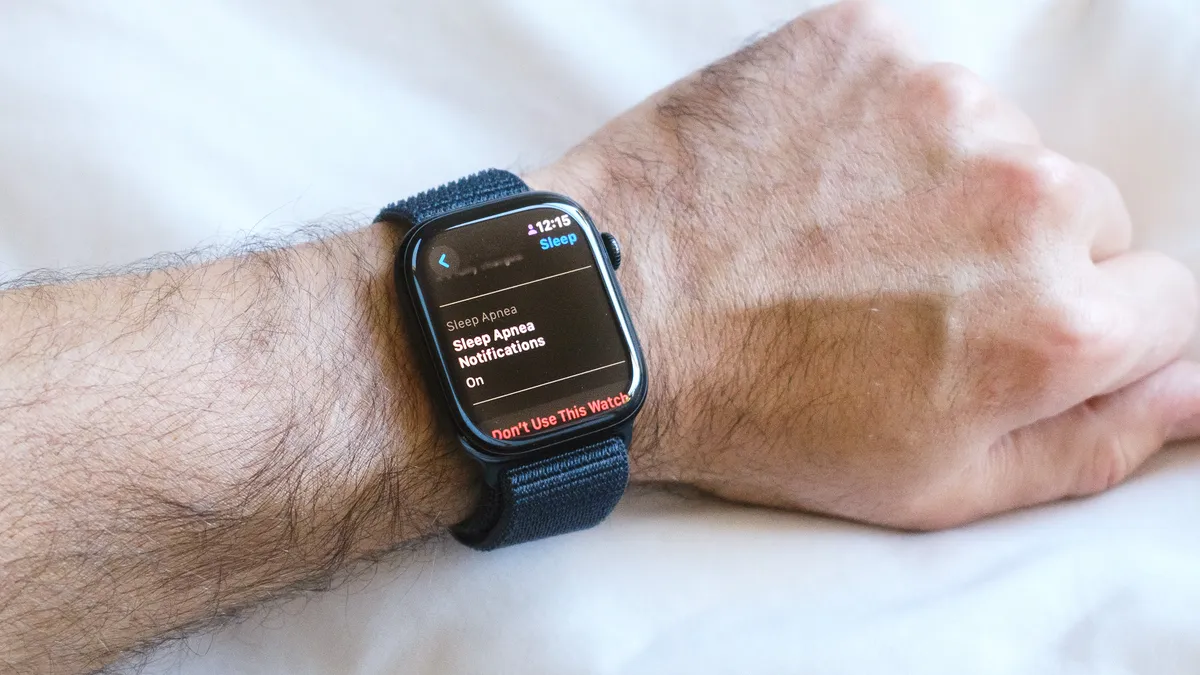
- Check the Deep Sleep or Restoration metrics on your sleep tracker. While not a medical diagnosis, a consistent lack of N3 sleep is a red flag for sleep apnea.
- Those with OSA and who are aged 65+ and/or have a high BMI are typically associated with muscle depletion and bone risk.
- Make sure your sleep apnea is properly diagnosed and treated. CPAP remains the standard therapy and research suggests effective OSA treatment may help support bone health over time.
- Eat calcium and protein-rich foods to improve bone and muscle health. Eating enough protein could help you get 18 minutes more sleep a night.
- A recent study found that a daily walk can reduce sleep apnea risk by 10%.
About the obstructive sleep apnea and muscle health study
The study, published in January 2026, looked at a possible link between sleep disorders and muscle health. Specifically, it assessed how Obstructive Sleep Apnea (OSA) impacts muscle health and bone health.
209 participants were screened with a polysomnography sleep study to diagnose the presence and severity of their obstructive sleep apnea.
Using the apnea-hypopnea index (AHI), participants were defined as having OSA if they partially or completely stopped breathing 10 times or more per hour of sleep (134 participants did).
The results indicated that obstructive sleep apnea is associated with lower skeletal muscle density.
If breathing disruptions were fewer than 10 per hour, they were joined the comparison group.
Computed tomography (CT) imaging was used to assess muscle characteristics.
The researchers looked at two key metrics. The first was skeletal muscle density, which measures the quality and compactness of muscle tissue, specifically representing the amount of lean muscle tissue relative to fat infiltration within the muscle.
The second metric was skeletal muscle index, which measures an individual's skeletal muscle mass relative to their height.
They then examined how these muscle traits correlated with OSA severity, oxygen levels, age, and Body Mass Index (BMI).
The results indicated that:
- Obstructive sleep apnea is associated with lower skeletal muscle density.
- The more breathing disruptions recorded (higher AHI), the lower skeletal muscle density observed. Muscle quality also correlated negatively with BMI and age.
- Ultimately, while the study indicates people with sleep apnea have low muscle quality, high BMI and old age can lead to sleep apnea.
- Therefore, these factors could also cause low muscle quality, rather than sleep apnea itself causing it.
How obstructive sleep apnea affects muscle health
The new research adds to a growing body of research associating sleep apnea with poor muscle health.
For example, Dr. Fabio Luis Vieira, a board-certified physician, points to a 2021 Brazilian study of nearly 8,000 people aged 50 years and older that found people at high risk of obstructive sleep apenea were more than twice as likely to have low muscle mass.
But what causes this muscle loss?
There are two mechanisms that contribute to adverse musculoskeletal changes in sleep apnea patients, agree the doctors: chronic intermittent hypoxia (a condition where body tissues do not receive enough oxygen), and sleep fragmentation.
Let's look at them in turn now...
Oxygen deprivation
Without adequate oxygen, muscles do not function.
"OSA is not just snoring plus tiredness. It is a repeated overnight physiologic stressor"
Dr. Rab Nawaz Khan
Dr. Vieira explains: "Every time breathing stops during sleep, the body is deprived of oxygen — and that deprivation, repeated hundreds of times a night, appears to trigger a slow but steady breakdown of muscle tissue."
"Repeated oxygen drops can also trigger metabolic acidosis, which dissolves bone mineral directly, inhibits mineralization, and suppresses the collagen synthesis that both muscle and bone depend on for structural integrity."
Sleep deprivation
The sleep deprivation caused by sleep apnea also impacts muscles. Nighttime breathing disruptions also disturb your sleep cycles, resulting in low quality, broken sleep.
Chronic sleep disruption quietly raises inflammation throughout the body. Research shows that this low-grade inflammatory state accounts for roughly a third of sleep apnea's effect on muscle loss
Dr. Fabio Luis Vieira
Alongside increasing the levels of stress and inflammation in your body, frequent nighttime awakenings prevent your body from entering restorative deep sleep stages where muscles rebuild and grow.
As Dr. Vieira explains: "The hormones the body normally releases during deep sleep — especially growth hormone, which is essential for muscle repair — never get a chance to do their job."

"Chronic sleep disruption also quietly raises inflammation throughout the body. Research shows that this low-grade inflammatory state accounts for roughly a third of sleep apnea's effect on muscle loss," he adds.
This means, Dr. Khan reminds us, that "from a neurologic and whole-body perspective, OSA is not just snoring plus tiredness. It is a repeated overnight physiologic stressor."
Sleep apnea and bone health
It's not just your muscles at risk, says Dr. Vieira, "sleep apnea may be hollowing out your bones, too." And the science checks out.
Two major meta-analysis — one published in 2022 and the other in 2024, together covering more than 270,000 people — found that individuals with sleep apnea are roughly twice as likely to develop osteoporosis as those without it. And the worse the sleep apnea, the worse the bone damage.
That's because "each apnea event plunges the body into a brief state of low oxygen," which stimulates the cells that break down bone, while blocking the cells that build bone, explains the doctor.
What's more, a 2025 case-control study found patients with OSA had a 12% higher incidence of vertebral fractures than healthy controls, indicating poorer bone health.
Said fractures do not bode well with getting quality sleep, indicates the research. The OSA patients with a fracture had a higher wake time after falling asleep, spent more time in light sleep and less time in deep sleep than OSA patients without a fracture.
Who is most at risk of the physical effects of sleep apnea
Sleep apnea can affect anyone, but the physical toll on muscles is heightened in certain individuals.
People aged 65 and over who have OSA are typically associated with muscle depletion and bone risk.
Dr. Khan says: "Older adults are the group I would watch most closely, especially those with obesity, low physical reserve, frailty, or other metabolic risk factors."
That said, there is now evidence to suggest those in the 18 to 39 age bracket are not exempt from risk. Research has linked OSA to early-onset sacropenia (age-related loss of muscle mass) in the United States.
Additionally, people of any age with obesity face an increased risk.
How to mange sleep apnea and improve muscle health
Now that we know the dangers, how can people with obstructive sleep apnea protect their muscle and bone health? Here's what doctors recommend...
1. Seek a diagnosis and treatment
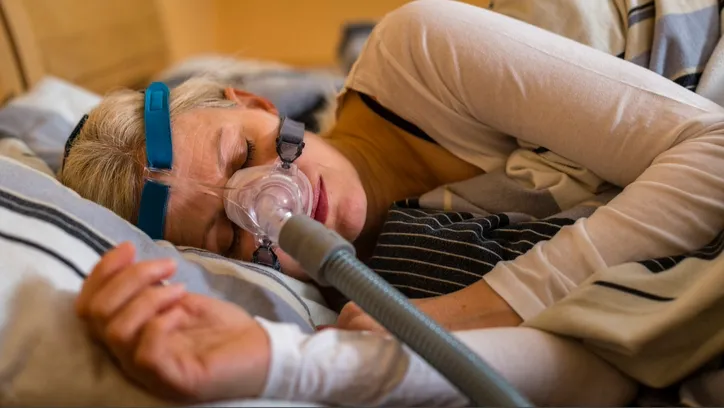
"The most practical step is to make sure the sleep apnea itself is properly diagnosed and treated," advises Dr. Khan, "because CPAP remains the standard therapy and newer research suggests effective OSA treatment may help support bone health over time."

From the gold-standard CPAP machines to mouth guards, medicine, surgery, and laser treatments, there are now plenty of sleep apnea treatment options available. It's just about finding the right one for you.
2. Get regular exercise
Lifestyle changes are also critical to managing OSA and the muscle and bone damage that can come with it.

Dr. Khan says: "I would also strongly emphasize regular exercise, especially a mix of aerobic activity and resistance training, because exercise can improve OSA severity, physical function, and muscle strength."
If hitting the gym isn't practical for you, a recent study found movement as gentle as a daily walk can reduce sleep apnea by 10%.
3. Eat a nutritious diet
Beyond medical intervention and exercise, Dr. Khan advises people pay attention to "weight management, adequate protein intake, and bone-health basics such as getting enough calcium and Vitamin D."
With obesity being a major cause of airway blockages, eating well and maintaining a healthy weight is crucial to reducing fatty issue around the throat and managing OSA.

Eating plenty of calcium-loaded foods like milk and yoghurt, and protein-rich meals will ensure your bones and muscles retain all the strength they can.
And your sleep will thank you for it as well, considering there is science suggesting you can get 18 minutes more sleep a night by eating adequate protein.