An estimated 80% of sleep apnea cases remain undiagnosed worldwide but your sleep tracker could hold the key to a successfully spotting symptoms of the condition, a study by Samsung has found.
“For years, the inconvenience of an in-lab clinical sleep study has been a barrier to diagnosing sleep apnea,” explained behavioral sleep scientist Dr. Vanessa Hill to Samsung.
But metrics such as sleep interruptions, total sleep time, and REM sleep could help you seek diagnosis and treatment.
Health tech company Withings is also raising awareness this Sleep Week, with the launch of the Sleep Care Solution, a team-up between your sleep tracker and telehealth. With help from Carlos Nunez, MD, Sleep Health Expert and Chief Medical Officer at Resmed, here's all you need to know.
Key take-aways: At a glance
- Obstructive sleep apnea (OSA) impacts millions of people worldwide but because it's hard to detect, many people go undiagnosed.
- According to Samsung, '80% of sleep apnea sufferers don't even know they have it.' This figure is taken from the Obstructive Sleep Apnea National Indicator Report, published by the American Academy of Sleep Medicine (2023).
- Samsung reports that roughly 23% of users surveyed are at risk of sleep apnea.
- According to guidelines published by the National Institute of Health, sleep apnea symptoms include frequent loud snoring, gasping for air, and breathing that stops and starts.
- Less obvious symptoms, says the Mayo Clinic, include dry mouth, daytime fatigue, headaches, insomnia, and waking at night to pee (nocturia).
- Researchers behind the Samsung survey say that your sleep tracker could help you identify signs of sleep apnea — and it's not just about the snoring detection.
- If your sleep tracker records reduced REM and deep sleep, as well as frequent nighttime awakenings, it might be a sign of sleep apnea. But only a qualified doctor can give a confirmed diagnosis.
- Rival health tech brand Withings has today announced a sleep apnea telemedicine partnership with California-based sleep clinic Dune Health: 'An integrated clinical service aimed at improving sleep health and diagnosing/treating sleep apnea.'
What is the Samsung Sleep Apnea survey?
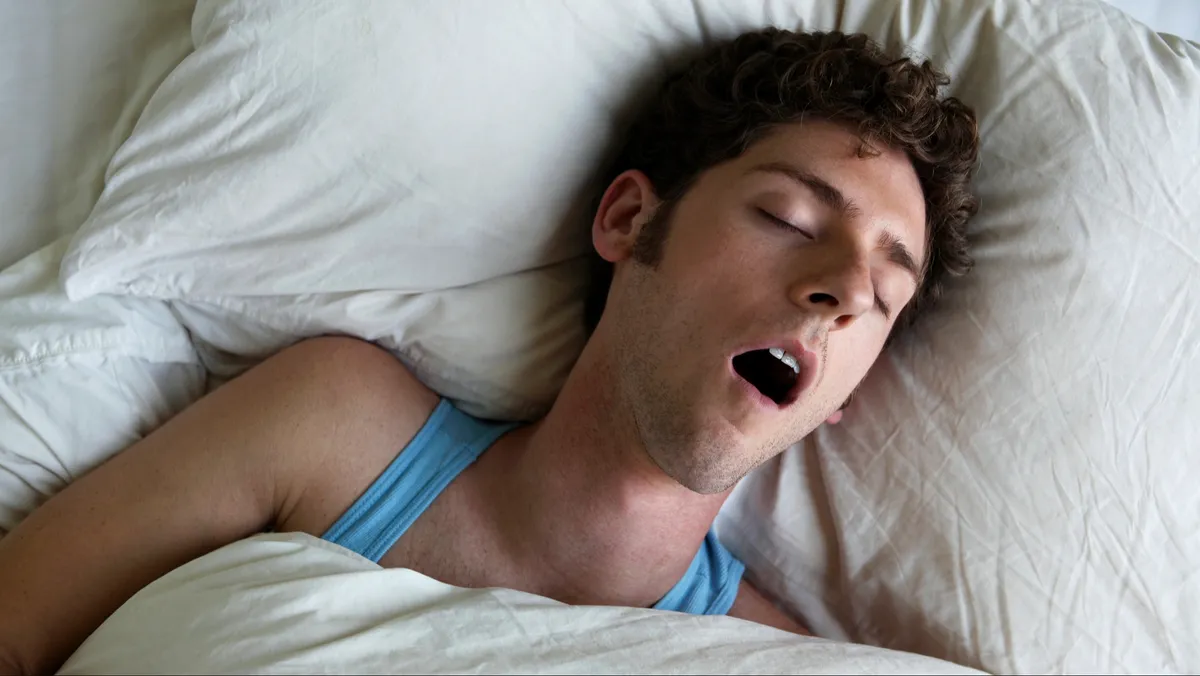
Obstructive sleep apnea is characterized by disrupted breathing during the night, resulting in brief awakenings and poor sleep quality. Dr. Hill warns these awakenings can be the "difference between simply being ‘in bed’ and getting restorative rest."
However, detecting sleep apnea is tricky. "You don't know because you're asleep while it's happening," explains Dr. Nunez.
That's why the Samsung study reports that roughly 23% of participants are at risk of sleep apnea, but they might not be aware of the problem.
“Sleep apnea affects many dimensions of sleep — duration, quality, sleep efficiency and even daytime fatigue,” Dr. Hill explains. “Together, they help determine our health and functioning.”

With a sleep apnea diagnosis typically requiring an overnight sleep study, Samsung wants to draw attention to the often overlooked signs of sleep apnea — including the ones you can observe with a sleep tracker.
“Wearable technology such as Galaxy Watch is a breakthrough because it democratizes that first step, allowing people to gather meaningful data from their own beds and providing a starting point for a conversation with a healthcare professional,” explains Dr. Hill.
The Galaxy Watch's Sleep Apnea feature promises improved at-home detection, using BioActive Sensors to monitor blood oxygen levels and Sleep Coaching tips to target improved sleep health.
The sleep apnea signs and sleep tracker metrics to look for
If you suspect you have sleep apnea the first metric you're likely to check on your sleep tracker is snore detection.
Speaking to us about the symptoms of sleep apnea, Joshua Piper, Sleep Clinician at ResMed UK, described snoring as the "hallmark of sleep apnea."
- Snore detection
- Time in REM sleep
- Time in deep sleep
- Interruptions
- Overall sleep time
However, you might be overlooking other, subtler, indicators that OSA is disrupting your sleep, such as awakenings and sleep stage duration.
According to Samsung, those with OSA get overall four minutes less REM sleep and eight minutes less deep sleep due to frequent awakenings. So when you check your tracker, make sure to look at time spent in each sleep stage and interruptions / nighttime awakenings.
Dr. Nunez describes these as "subtle signs and symptoms" that are often ignored. "Just because your tracker says you're sleeping enough hours, if you have something like sleep apnea, every one of those hours, you're actually suffocating, not sleeping," he says.
Your sleep tracker isn't the only outside party you should be consulting.

Dr. Nunez says your family and loved ones are most likely to spot apnea incidents; "it's usually that family member who's close to you who says, 'Hey, you have a problem'." (He himself didn't get tested for OSA until his children pointed out his loud snoring and frequent naps.)
Other symptoms of sleep apnea include waking up with a dry mouth and headache, while Piper describes daytime fatigue as a "red flag" that apnea is preventing you from getting high quality sleep.
Withings announces sleep apnea telemedicine partnership

In 2025, the Withings sleep and health database detected signs of sleep apnea in 35% of users in the U.S., correlating to roughly 2 million nights of disrupted sleep.
The Withings sleep and health database detected signs of sleep apnea in 35% of users
To combat this, Withings has teamed up with Dune Health to create Sleep Care Solutions, providing users with access to telemedicine care.
Through the Withings app, users can contact sleep medicine specialists at Dune Health, using data collected by the Withings Sleep Tracker to identify issues and create long-term treatment plans.
“Research supported by connected devices, combined with the expertise of sleep specialists, creates an opportunity to improve sleep care, address long-term health risks, and deliver a more personalized health experience,” said Dr. Singh, a Cardiologist and Special Medical Advisor.

Follow Tom's Guide on Google News and add us as a preferred source to get our up-to-date news, analysis, and reviews in your feeds.